 fellfolio
Terrier
Wire Fox Terrier
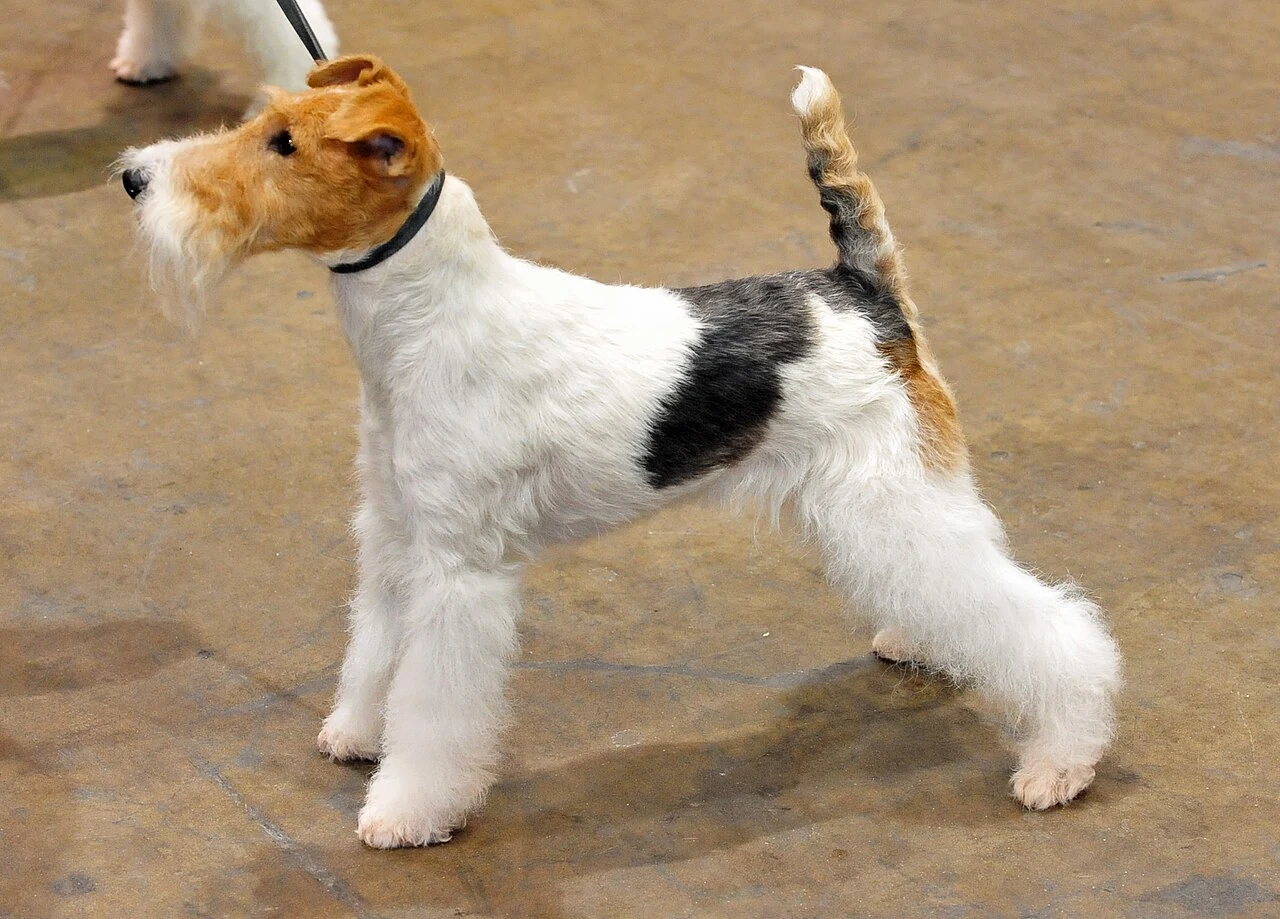
The Wire Fox Terrier is easy to recognise by its rough coat, beard and watchful expression. Beneath that neatly groomed appearance is a British hunting terrier. It suits people who enjoy life with an active dog and can make room for the more demanding coat care as well as training.
At a glance
- Size
- Small
- Lifespan
- over 12 years
- Activity
- High
- Grooming
- Specialist coat care
- Training
- Patience & clear guidance
- Owner experience
- First dog with support
Curious, independent and ready to explore
Wire Fox Terriers come from a hunting tradition in which quick reactions and independent work mattered. The Fédération Cynologique Internationale, or FCI, the international federation of kennel clubs, describes a lively, fearless terrier in its standard. On a walk, rustling in a hedge may attract a dog more strongly than a recently learned cue. The degree of hunting interest needs to be understood in the individual animal.
Off-lead exercise should take place only where the dog returns reliably and the surroundings are suitable. A securely enclosed area can offer an alternative during training. At home, rabbits, guinea pigs and other small pets should remain protected from direct encounters. A friendly greeting towards people says nothing about how a terrier will respond to a running cat.
With other dogs, observed behaviour matters too. Shared walks with enough space can make a gentler introduction than a close meeting at the front door. Children should leave the terrier undisturbed when it sleeps or eats. Adults should supervise games together.
Everyday life
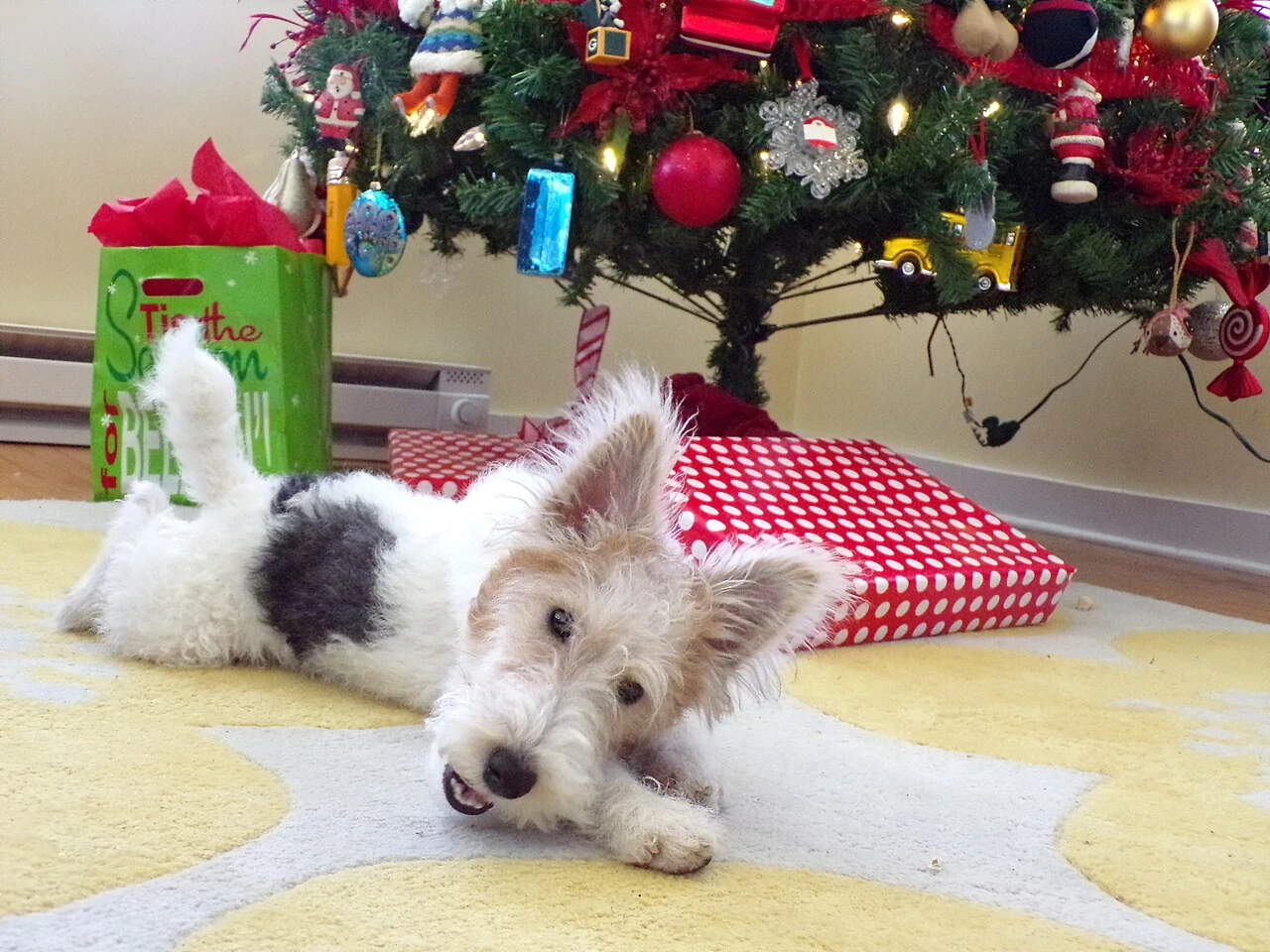
A varied walk can combine movement, sniffing and brief practice. Rather than continually adding tasks, it is worth developing the few cues that help most in everyday life: coming back, walking on a loose lead and turning away from something interesting. A reward should be something the dog values, such as food or a short game together.
A search game can be simple. In a safe area, you can first place a familiar toy where the terrier can see it and let the dog find it. Once the task makes sense, the toy can be placed farther away or partly concealed. It should remain something the dog can actually reach.
The Royal Kennel Club, the British kennel club, gives up to an hour of daily exercise as broad guidance. A workable routine also depends on rest, available care and the needs of the individual dog. Puppies and dogs with joint problems need an appropriate level of activity. One free afternoon does not automatically make up for several days with too little time together.
Staying home alone
Dogs learn to stay home alone in small steps. The RSPCA advises no more than four hours at a time. Puppies and dogs that become unsettled when left alone need shorter absences and gradual practice. Arrange someone to care for your dog when you will be away longer.
Everyday dog training: recall, a loose lead and clear communication ↗
Day-to-day care
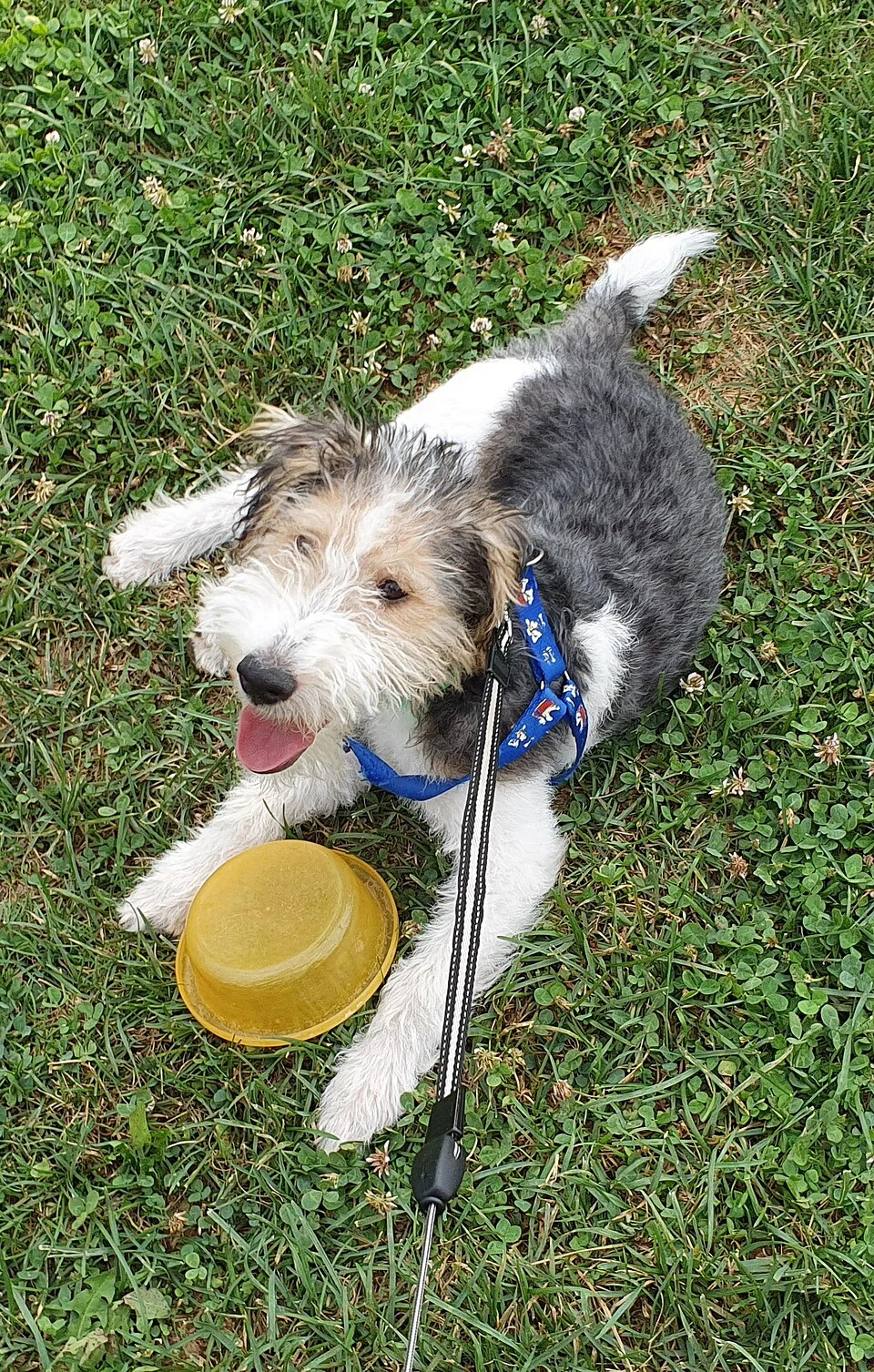
The harsh outer coat sits over the undercoat, a shorter, softer layer of hair. The beard and longer leg hair can collect dirt and develop tangles. Brushing followed by gentle combing helps you find loose hair and small knots early. The Royal Kennel Club places grooming at more than once a week.
Traditional coat care includes hand stripping, which removes dead outer hairs that have become loose. Firmly rooted hair should not be pulled out by force. A groomer experienced with wire-coated terriers should show you when and how your dog’s coat can be stripped comfortably. The British breed association offers practical grooming seminars.
Clipping shortens the hair but does not remove it in the same way as hand stripping. The choice of care should account for the coat, skin, age and comfort of the dog. Brief, calm sessions with breaks help a dog become comfortable with grooming. If you plan to use a professional groomer, allow for regular appointments and their cost before choosing the breed.
Size and build
The Wire Fox Terrier’s history is closely connected with that of the Smooth Fox Terrier. Different coat types once competed together in show classes. Separate classes for wire coats developed during the 1870s, and breeding increasingly separated the types. Today the FCI recognises the Wire Fox Terrier as a distinct breed under standard number 169.
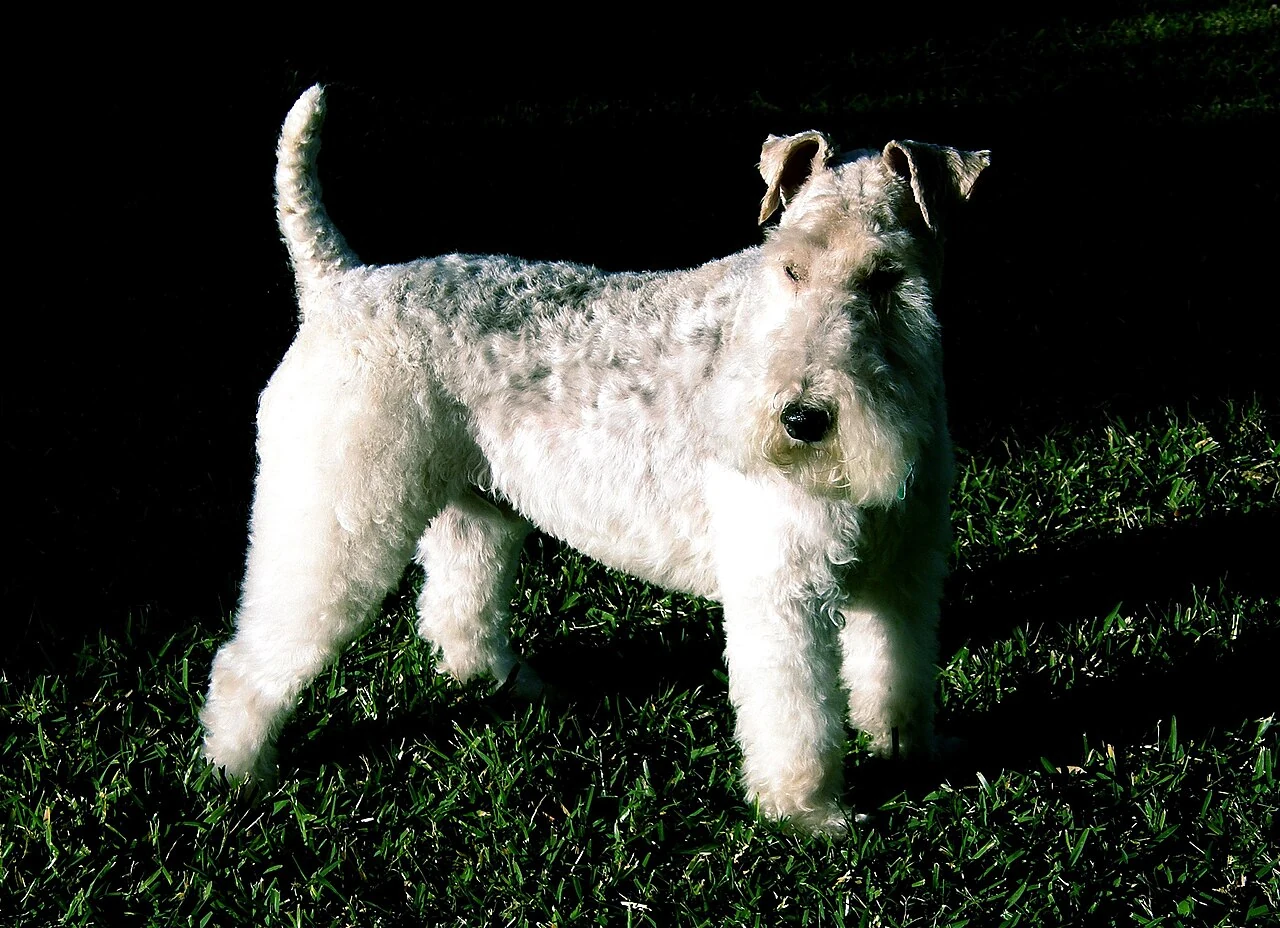
White should predominate in the coat, with black or tan markings possible. The standard gives males a maximum shoulder height of 39 cm, with females slightly smaller. The ideal male weight in show condition is 8.25 kg, with females a little lighter. That ideal is not a target that every individual dog has to reach.
From puppy to senior: caring for your dog through every life stage ↗
Health
The Royal Kennel Club currently recommends a veterinary eye examination to check the eyes for disease. American parent-club recommendations published by the American Kennel Club also include kneecap and cardiac examinations. Before buying a puppy, ask to see the parents’ actual results, rather than accepting a general description of them as healthy. Different club programmes may have different priorities.
A kneecap examination checks, among other things, for patellar luxation. This means the kneecap moves out of its normal track in the knee. Repeated skipping on three legs or limping should be assessed by a vet. The dog may still need an examination even if it puts the foot down normally afterwards.
Dental care and regular checks of the skin and feet also belong in the routine. While combing, you can look for sore areas beneath the beard, for example. Pain or changes to the skin should be assessed by a vet. The Royal Kennel Club lists a lifespan of over 12 years as general guidance, so dependable care and regular grooming costs need long-term planning.
Could this breed fit your life?
Could work well if …
- You can make shared walks and training a regular part of daily life.
- You are willing to learn the care required by a wire coat or arrange experienced professional grooming.
- You can account for hunting interest and provide lasting secure boundaries where necessary.
What to consider
- Alongside active walks and training, you should allow regular time for the beard and wire coat.
- Hand stripping should be skilled and appropriate to the dog’s condition.
- A home with small pets needs secure separation and a careful assessment of the dog.
Similar needs, different dogs.
Selected by shared size, activity, grooming and training characteristics.
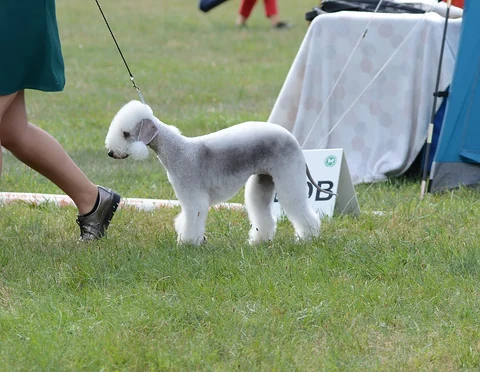
Terrier
Bedlington Terrier
An arched outline and soft, curly coat give the Bedlington Terrier a distinctive appearance. Behind that gentle look is an agile terrier with a hunting history. It can be an attentive companion when shared walks, kind training and thorough grooming are part of everyday life.
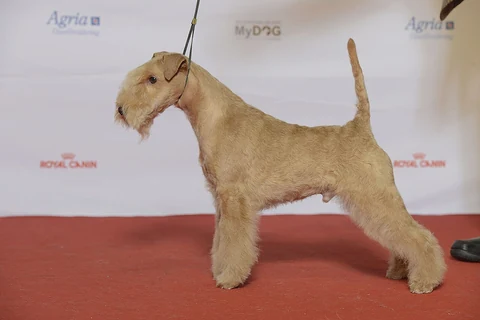
Terrier
Lakeland Terrier
The Lakeland Terrier is small, sturdy and often keen to explore. Its ancestors worked across the rocky terrain of England’s Lake District. Today, it can suit people who enjoy shared adventures and are ready to give hunting behaviour, training and wire-coat care thoughtful attention.
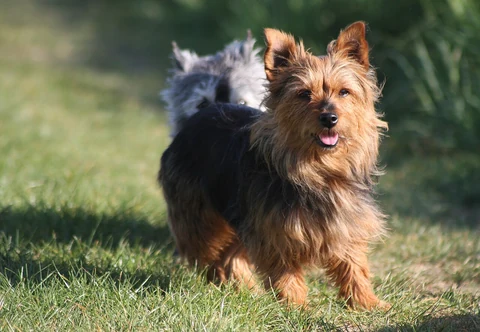
Small Australian wire coated terrier
Australian Terrier
The Australian Terrier is a small, alert dog that enjoys getting out and exploring. Its harsh coat and distinctive neck ruff reflect a working background. At home it often wants to be close to its people, while a scent or a small animal can capture its attention outdoors.
Sources and photograph credit
- Teaching your dog to be left alone
Used in this profile for: Staying home alone
- Patellar Luxations
Used in this profile for: Health
- Terrier Group Health Testing Requirements
Used in this profile for: Health
- Wired-Coat Care: Stripping
Used in this profile for: Day-to-day care
- Position Statements and Humane Dog Training
Used in this profile for: Temperament, Everyday life
- Training Your Dog to Be Left Alone
Used in this profile for: Temperament, Everyday life, Could this breed fit your life?
- Understanding Your Dog’s Behaviour
Used in this profile for: Temperament, Everyday life, Day-to-day care
- Children and Dogs
Used in this profile for: Temperament, Could this breed fit your life?
- Caring for Your Dog’s Teeth
Used in this profile for: Day-to-day care
- Train Your Dog to Come When Called
Used in this profile for: Everyday life
- Grooming Seminars
Used in this profile for: Day-to-day care
- Wire Fox Terrier
Used in this profile for: Temperament, Everyday life, Day-to-day care, Size and build, Health, Lifespan, Could this breed fit your life?
- FCI Standard No. 169: Wire Fox Terrier
Used in this profile for: Size / Weight, Temperament, Day-to-day care, Size and build, Could this breed fit your life?
Photo credits
Portrait · 01 Wire Fox terrier.jpg · State Farm · CC BY 2.0 · Edited

Everyday life · Wire haired Fox Terrier Female Dog.jpg · Aplucas0703 · CC BY-SA 4.0 · Edited

Puppy · 4 months old Wire Fox Terrier puppy.jpg · Larismarcu · CC BY-SA 4.0 · Edited

Side view · Wire Fox Terrier.jpg · ATLAS IMPACT · CC BY 3.0 · Edited
