 fellfolio
Terrier
Bedlington Terrier
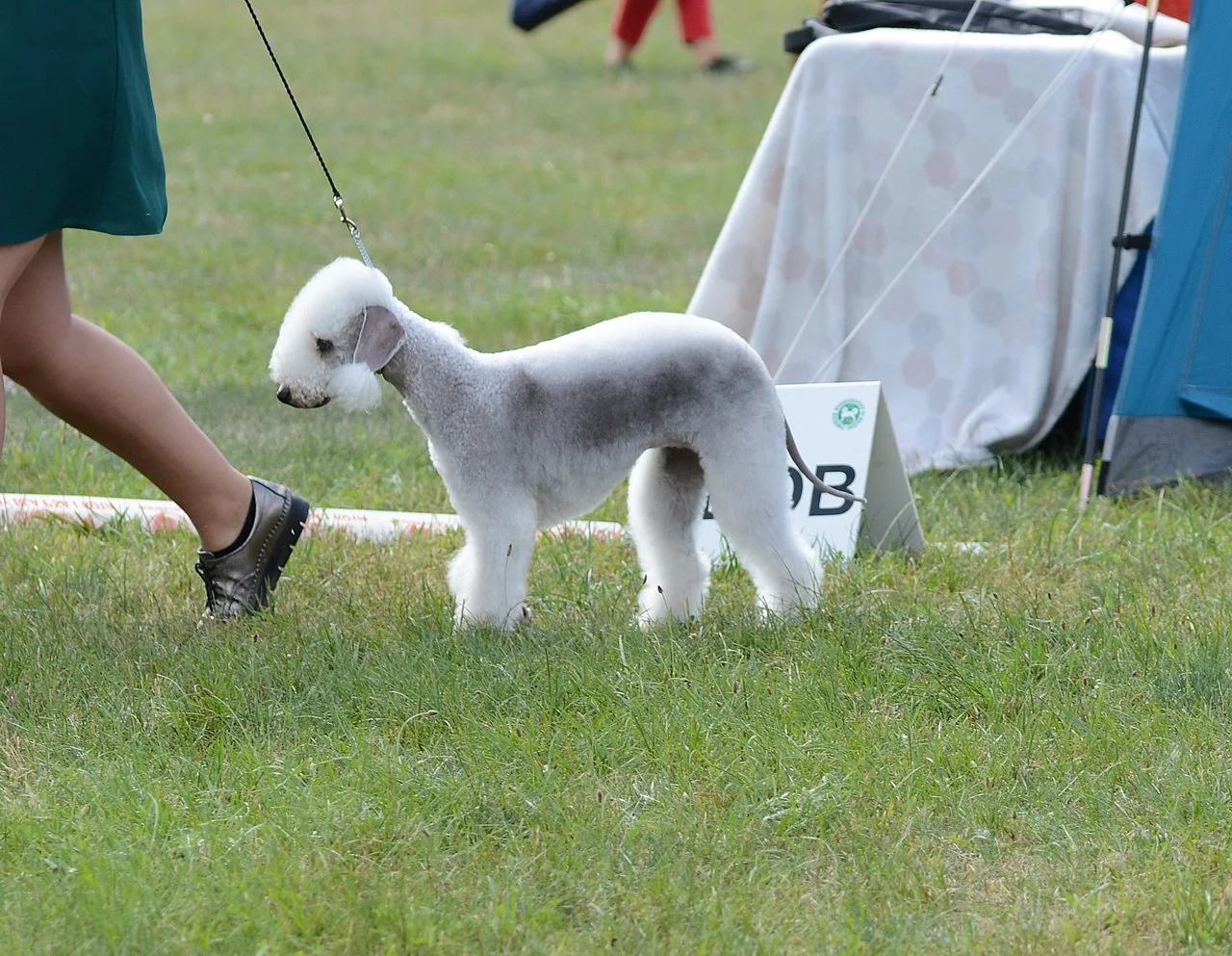
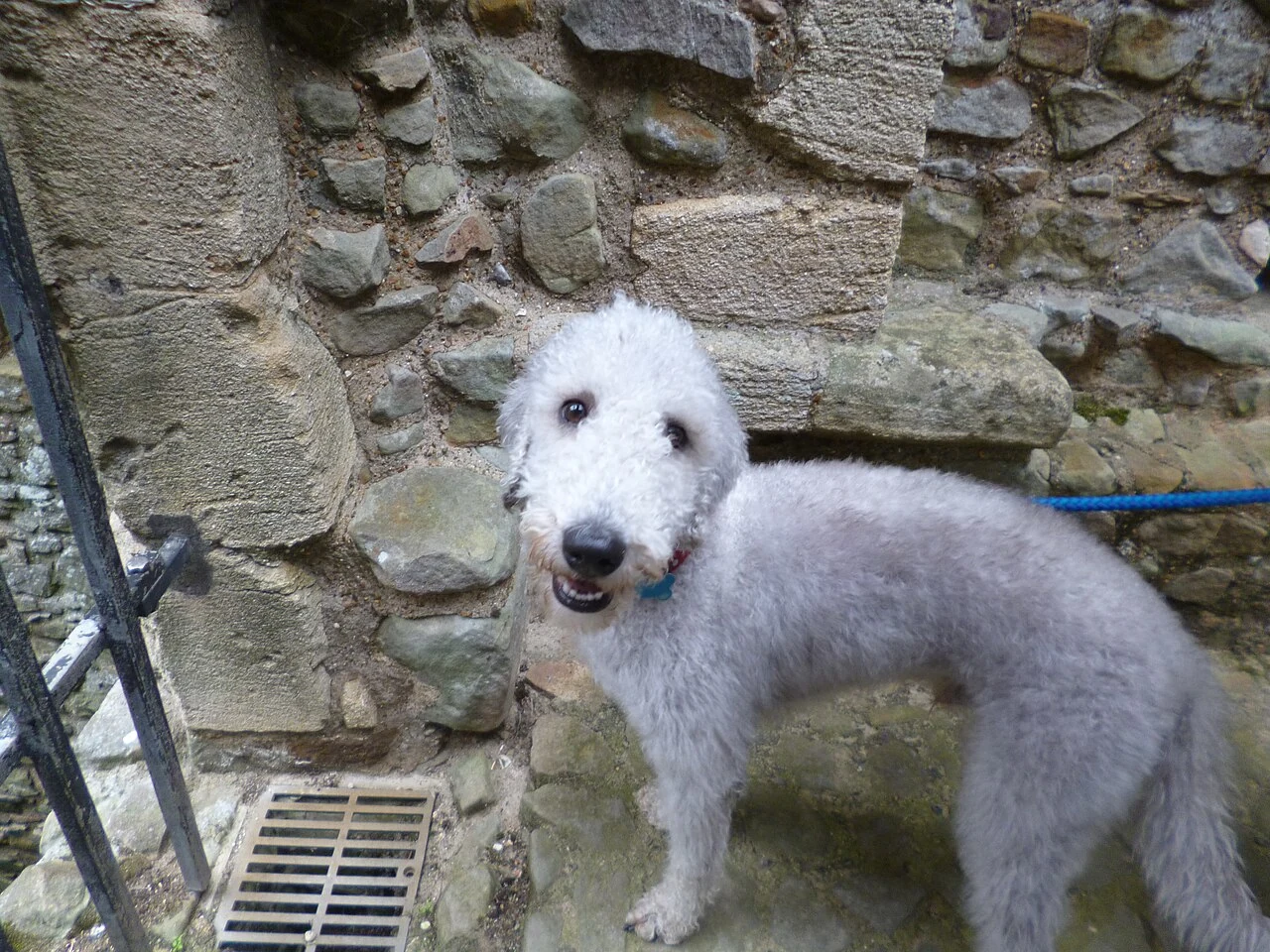
An arched outline and soft, curly coat give the Bedlington Terrier a distinctive appearance. Behind that gentle look is an agile terrier with a hunting history. It can be an attentive companion when shared walks, kind training and thorough grooming are part of everyday life.
At a glance
- Size
- Small
- Weight
- 8 to 10 kg
- Lifespan
- 12 to 14 years
- Activity
- High
- Grooming
- Specialist coat care
- Training
- Patience & clear guidance
- Owner experience
- First dog with support
A soft coat on an alert terrier
The Bedlington Terrier comes from northern England and was historically used for tasks including hunting rabbits. It was once known as the Rothbury Terrier. Its slim, muscular build and arch of the back just in front of the hind legs are part of its familiar outline. The coat sets it apart from many terriers: it is soft and stands away from the body, rather than forming a harsh, wiry outer layer.
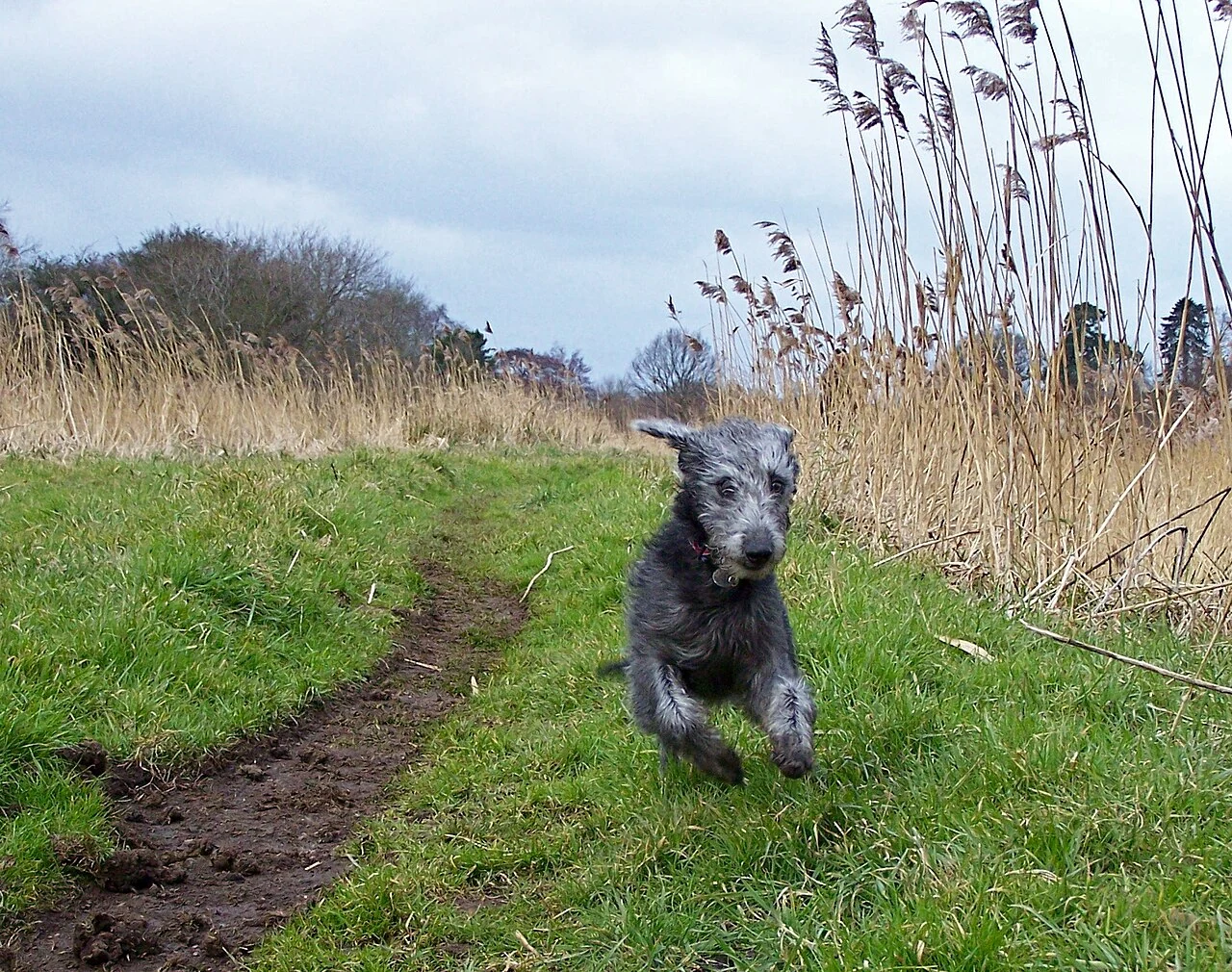
A lamb-like appearance tells you little about how a dog responds to movement. A rabbit running from a hedge may quickly catch a Bedlington’s attention. Recall, returning to you on a familiar cue, should be practised in easy settings first. Where wildlife is likely, an appropriate lead helps prevent a sudden chase.
Many Bedlingtons enjoy being close to their people. New visitors should still be introduced calmly. An adult should supervise time with children and provide breaks when the dog is left undisturbed. A cat already familiar with dogs may respond differently from one that runs at the first sight of them. Both animals’ previous experiences and behaviour should therefore guide introductions. Rabbits and other small prey animals should be kept physically separated from the dog.
Everyday life
On a walk, a Bedlington may be quicker and have more stamina than its delicate appearance suggests. Shared routes with time to sniff and occasional play offer variety. A securely fenced area can allow a suitable adult dog to run freely. You should check the fencing beforehand rather than relying solely on a well-practised recall.
For a quieter task, you could hide a familiar toy at a low level and let your dog search for it. Start with an easy hiding place so it understands the game. Brief training fits into walks too, such as waiting before crossing a road or coming back after a sniffing stop. A reward should follow the behaviour you want promptly.
At home, the dog also needs time without organised activities. A bed near you can offer company without constant interaction. Being left alone should be introduced gradually. Persistent barking or restless pacing means the next training steps should be easier. A care plan with familiar routes and cues helps someone else follow your dog’s routine during holidays or illness.
Staying home alone
Dogs learn to stay home alone in small steps. The RSPCA advises no more than four hours at a time. Puppies and dogs that become unsettled when left alone need shorter absences and gradual practice. Arrange someone to care for your dog when you will be away longer.
Everyday dog training: recall, a loose lead and clear communication ↗
Day-to-day care
A Bedlington’s coat needs regular, thorough combing and appropriate trimming. The National Bedlington Terrier Club in Britain explains that loose hair can remain in the coat and form mats if grooming is neglected. Brushing the surface until it looks fluffy is therefore not enough. Working through small sections lets you check that a comb can pass through the hair near the skin without pulling.
The characteristic trim uses scissors and, where appropriate, clippers. This differs from removing mature outer hairs from a wire-coated terrier. An experienced groomer should show you which tools and coat length suit your dog. A comfortable, clean coat that allows the skin to be checked matters whether or not the dog has a show trim. Firm mats can be painful and should be removed by someone skilled.
Introduce a puppy to the comb, paw checks and gentle handling through short, rewarded sessions. Toothbrushing with dog toothpaste and checking nails complete the routine. An unusual ear smell or frequent head shaking should prompt a veterinary appointment. Regular trimming needs time and a place in your budget. Finding little loose hair around the house does not remove the need for grooming.
Size and build
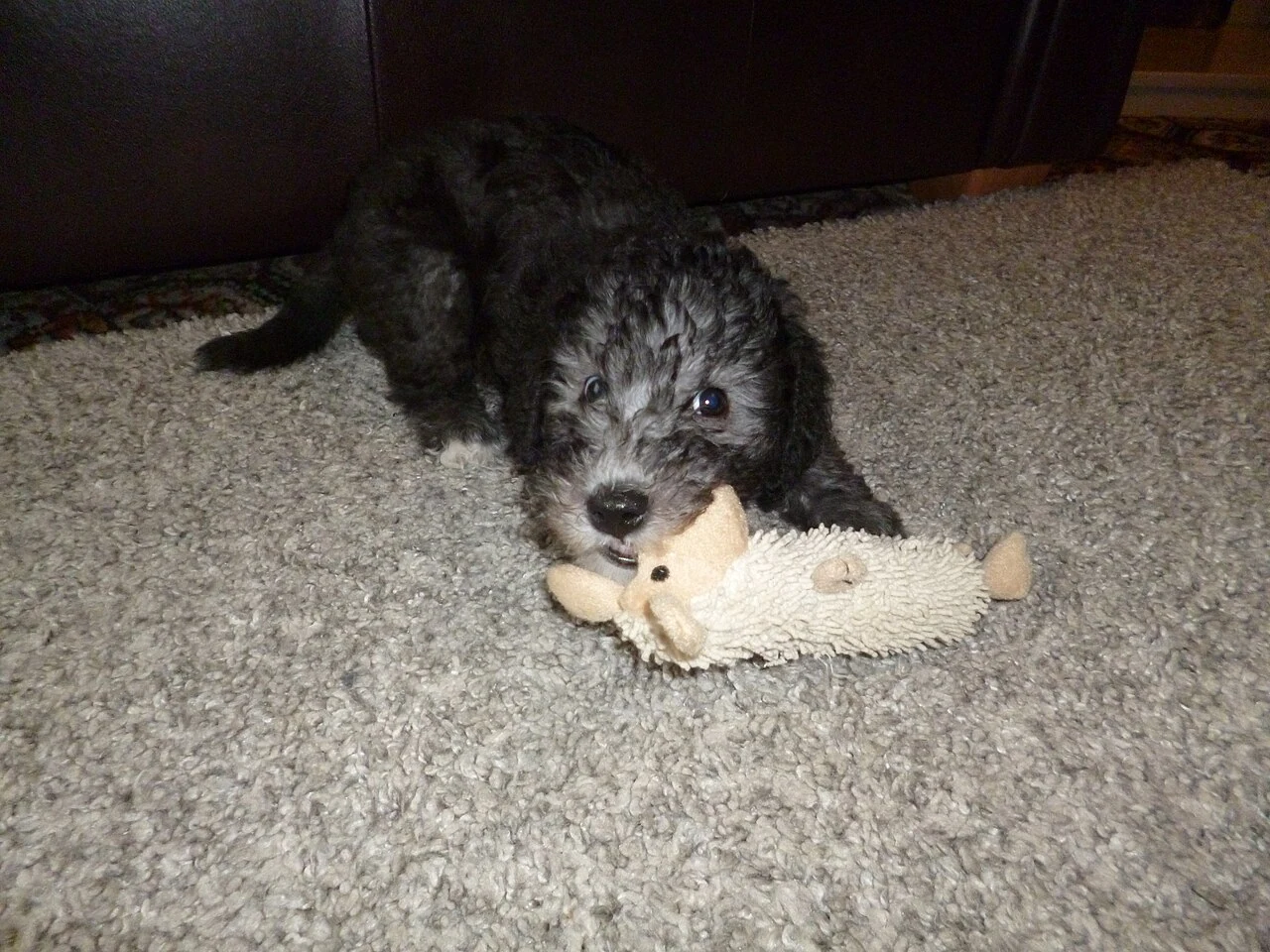
The FCI, the international organisation that publishes breed standards, gives an approximate adult shoulder height of 41 cm and a weight of 8 to 10 kg. Females may stand slightly below that height and males slightly above it. Height is measured at the withers, the highest point of the back just behind the neck. The darker puppy coat can become considerably lighter as the dog grows. A black puppy may therefore look quite different later.
Training works well when you reward the behaviour you want clearly and kindly. If your dog turns towards you as a cyclist passes, an appropriate treat can reward that calm response. Greater distractions should come later, once the exercise feels easy. A young dog also needs suitable food and exercise that increases gradually with growth.
The British breed club gives a lifespan guide of 12 to 14 years. For an older Bedlington, shorter walks and games with easily reached hiding places can preserve enjoyable shared activities. New limping, changes in sight or unusual tiredness should be investigated rather than simply attributed to age.
From puppy to senior: caring for your dog through every life stage ↗
Health
Copper storage disease, also called copper toxicosis, is an important issue in Bedlingtons. Too much copper accumulates in the liver and can damage it. Copper is an essential trace element, but an excess within the organ is harmful. Before choosing a puppy, you should examine the parents’ actual results and ask which inherited variants were tested.
A well-known DNA test examines the dog’s genetic material for a change in the COMMD1 gene. The gene contains instructions for a protein involved in how the body handles copper. Testing helps identify this known inherited form of the disease. A clear result does not, however, exclude every form of copper storage disease. A veterinary study published in 2023 confirms that Bedlingtons without the tested COMMD1 change can also develop the condition. Loss of appetite, repeated vomiting, unusual tiredness or weight loss should therefore be investigated by a vet. Any special liver diet or treatment should be agreed with a veterinary professional.
The American breed club also recommends checking the kneecaps and having a specialist eye examination. Patellar luxation means that a kneecap slips out of its normal track and may cause discomfort. Health reports should identify the dog, examination and date. In Fellfolio, you can keep veterinary documents and weight records alongside observations, making it easier to describe changes at the next appointment.
Could this breed fit your life?
Could work well if …
- You want a compact, agile companion and can provide regular walks and shared activities.
- You can teach recall and introductions kindly while planning ahead around potential chases.
- Thorough coat care and regular trimming can remain part of your routine.
What to consider
- The urge to chase wildlife may remain strong despite long practice. An appropriate lead helps prevent a sudden pursuit.
- A clear COMMD1 result cannot exclude every form of copper storage disease.
- Soft hair can mat close to the skin when only the surface is brushed.
Similar needs, different dogs.
Selected by shared size, activity, grooming and training characteristics.
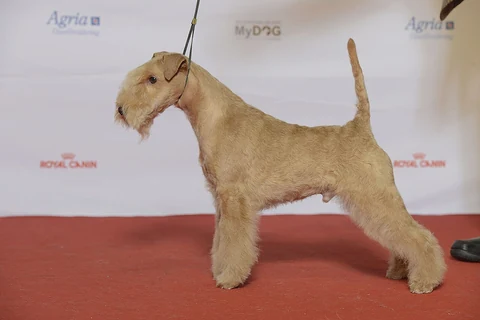
Terrier
Lakeland Terrier
The Lakeland Terrier is small, sturdy and often keen to explore. Its ancestors worked across the rocky terrain of England’s Lake District. Today, it can suit people who enjoy shared adventures and are ready to give hunting behaviour, training and wire-coat care thoughtful attention.
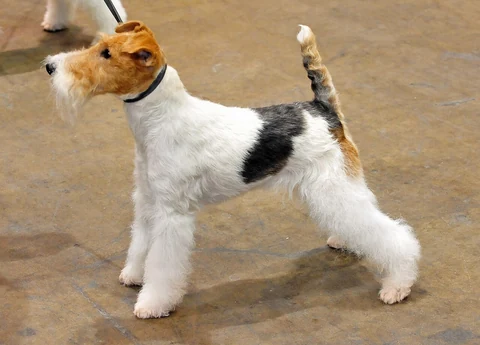
Terrier
Wire Fox Terrier
The Wire Fox Terrier is easy to recognise by its rough coat, beard and watchful expression. Beneath that neatly groomed appearance is a British hunting terrier. It suits people who enjoy life with an active dog and can make room for the more demanding coat care as well as training.
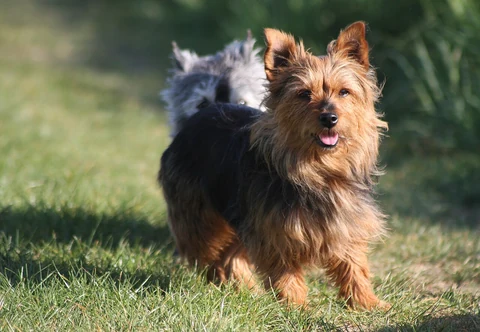
Small Australian wire coated terrier
Australian Terrier
The Australian Terrier is a small, alert dog that enjoys getting out and exploring. Its harsh coat and distinctive neck ruff reflect a working background. At home it often wants to be close to its people, while a scent or a small animal can capture its attention outdoors.
Sources and photograph credit
- Teaching your dog to be left alone
Used in this profile for: Staying home alone
- Position Statements and Humane Dog Training
Used in this profile for: Size and build
- About Bedlingtons
Used in this profile for: Temperament, Everyday life, Day-to-day care, Size and build, Lifespan, Could this breed fit your life?
- Copper toxicosis in Bedlington terriers is associated with multiple independent genetic variants
Used in this profile for: Health
- Health Screening Recommendations for Bedlington Terriers
Used in this profile for: Health
- Copper Toxicosis in Bedlington Terriers
Used in this profile for: Health
- FCI Standard: Bedlington Terrier
Used in this profile for: Size / Weight, Temperament, Day-to-day care, Size and build
- Exercising Your Puppy
Used in this profile for: Size and build
- Training Your Dog to Be Left Alone
Used in this profile for: Everyday life, Could this breed fit your life?
- Understanding Your Dog’s Behaviour
Used in this profile for: Everyday life
- Children and Dogs
Used in this profile for: Temperament, Could this breed fit your life?
- Caring for Your Dog’s Teeth
Used in this profile for: Day-to-day care
- Train Your Dog to Come When Called
Used in this profile for: Temperament, Everyday life
Photo credits
Side view · Bedlington terrier, 2021.jpg · Wojciech Pędzich · CC BY-SA 4.0 · Edited

Coat and features · Doug the Bedlington.jpg · Mball93 · CC BY-SA 4.0 · Edited

Puppy · Bedlington Puppy.jpg · Mball93 · CC BY-SA 4.0 · Edited

In action · Running dog.jpg · Whippetsgalore · CC BY-SA 4.0 · Edited
