 fellfolio
Wire-coated Welsh terrier
Welsh Terrier
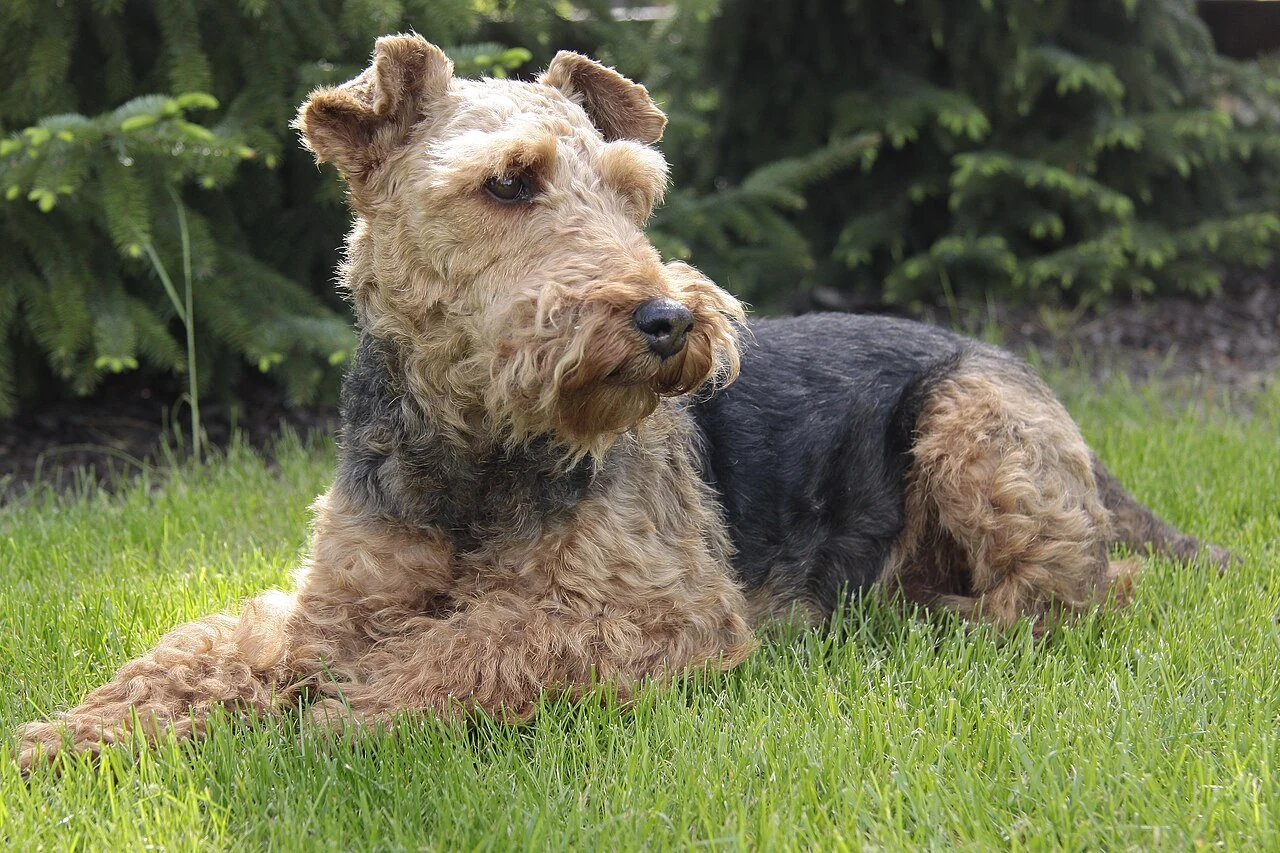
With its beard, rough coat and dark hair across its back, the Welsh Terrier resembles a small Airedale. It is a separate breed with a Welsh hunting history and an appetite for activity. This manageable-sized dog enjoys an active life with chances to search, run and explore. A suitable home provides things to do, training built through rewards and knowledgeable coat care.
At a glance
- Size
- Small
- Weight
- 9 to 9.5 kg
- Lifespan
- over 12 years
- Activity
- High
- Grooming
- Several times weekly
- Training
- Patience & clear guidance
- Owner experience
- Experience recommended
An adventurous terrier with initiative of its own
The Welsh Terrier was used to hunt animals such as foxes, badgers and otters. Independent searching and persistence were useful qualities. Today, that can mean an interesting scent matters more to the dog than the next cue. Clear tasks and worthwhile rewards help you work together.
A Welsh should learn loose-lead walking, giving up toys and returning even around distractions. Brief sessions usually make this easier than lengthy repetition. During dog encounters, enough distance should be kept if it becomes very excited. A skilled trainer can help it learn to pass other dogs calmly.
Its energy can suit people who enjoy being outdoors. Children should play with adult supervision and allow the dog breaks. Cats need careful introductions. Small pets should have secure accommodation separate from the dog. A small animal running away can prompt it to chase, even if it is friendly with people.
Everyday life
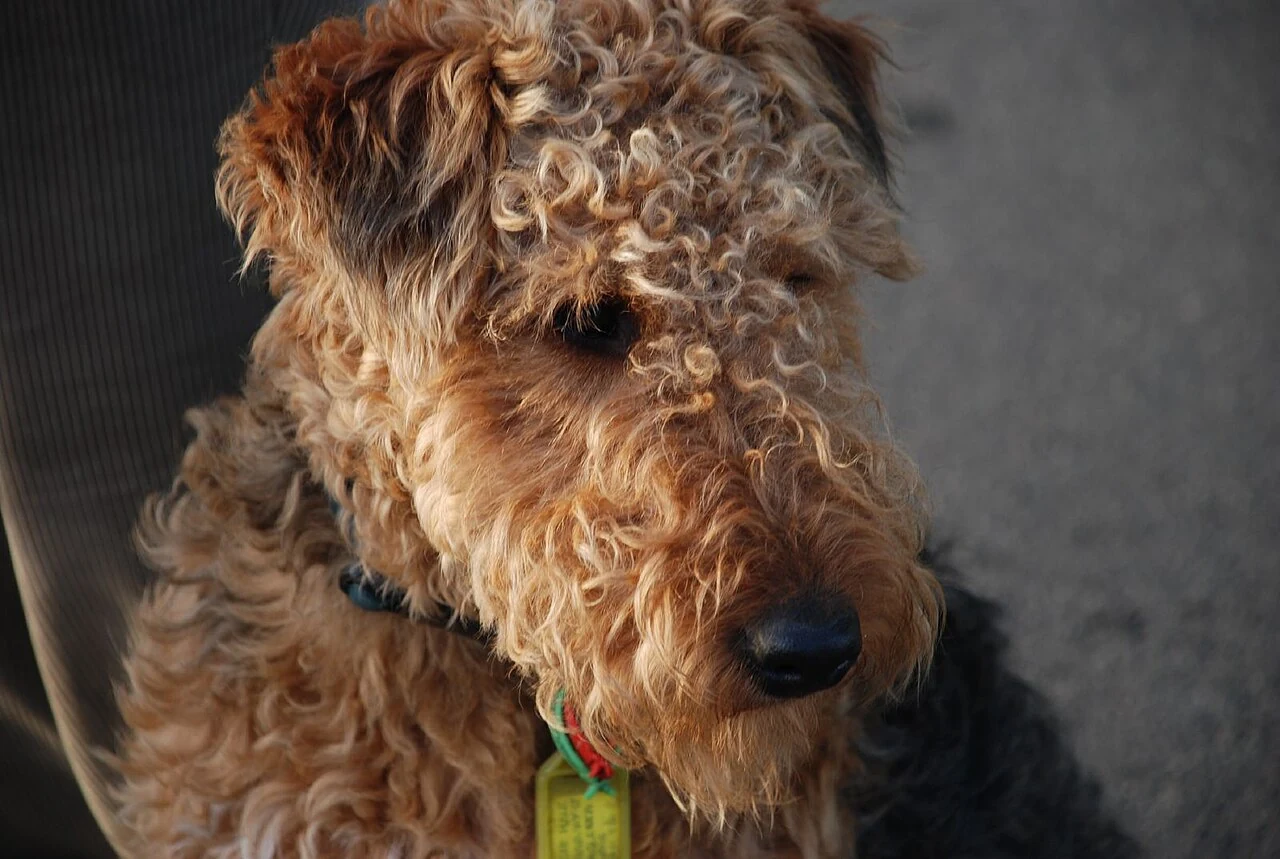
Walking, sniffing and investigating belong in a varied Welsh routine. A securely fenced garden can provide space to play, alongside regular walks. The bottom of the fence should also be checked if the dog likes digging. Off-lead outings need surroundings that account for its interest in hunting.
On a walk, alternating exploration with a little teamwork can be interesting. At a quiet spot, the dog can take time to sniff. You can then use a familiar cue to invite it back and reward its return. This should first be practised without strong distractions. It leaves room for the dog’s own discoveries while helping it learn to turn its attention back to you.
Flat living needs reliable outings and somewhere to rest. The dog should have opportunities to learn that longer quiet periods are part of life at home. Planning also needs to include care during absences and time for its coat.
Staying home alone
Dogs learn to stay home alone in small steps. The RSPCA advises no more than four hours at a time. Puppies and dogs that become unsettled when left alone need shorter absences and gradual practice. Arrange someone to care for your dog when you will be away longer.
Everyday dog training: recall, a loose lead and clear communication ↗
Day-to-day care
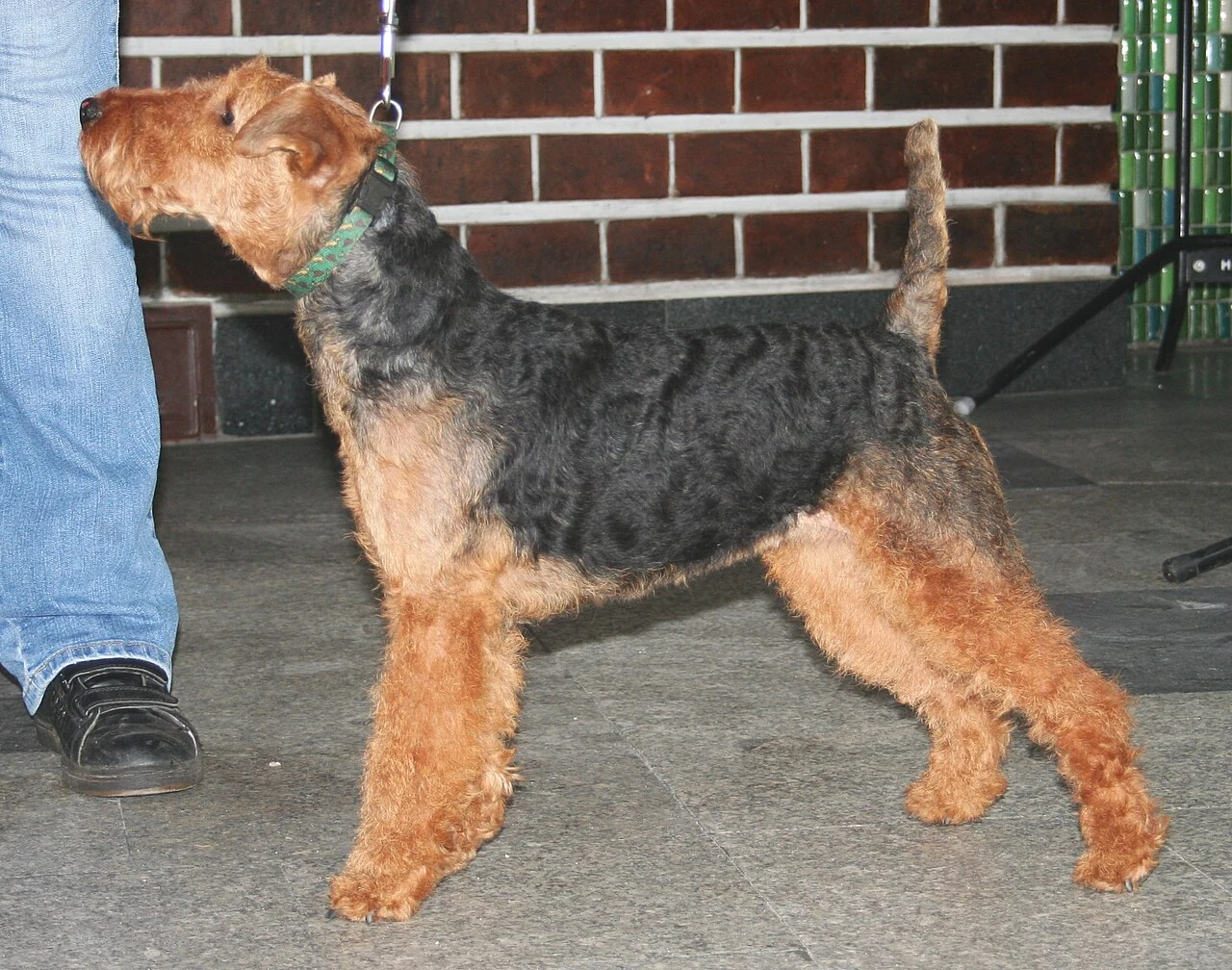
The coat has a harsh, wiry outer layer and a softer undercoat beneath it. Regular brushing followed by gentle combing helps you find loose hairs and tangles. The beard, armpits and areas behind the ears need particular attention. The Royal Kennel Club, the British canine organisation, gives grooming more than once a week as a guide.
Hand stripping means carefully removing mature, loose hairs from the wiry outer coat. It differs from shortening the coat with clippers. An experienced groomer should help choose care that suits the coat, skin and dog’s comfort. Owners can learn the appropriate techniques. Firm pulling on hairs that are not ready to come out should be avoided.
After outings, it is worth checking feet, skin and nails. A matted beard or tight tangles need careful, skilled attention. Smelly, red or painful ears should be examined by a vet. Regular brushing with dog toothpaste and gently introducing handling are useful parts of care too.
Size and build
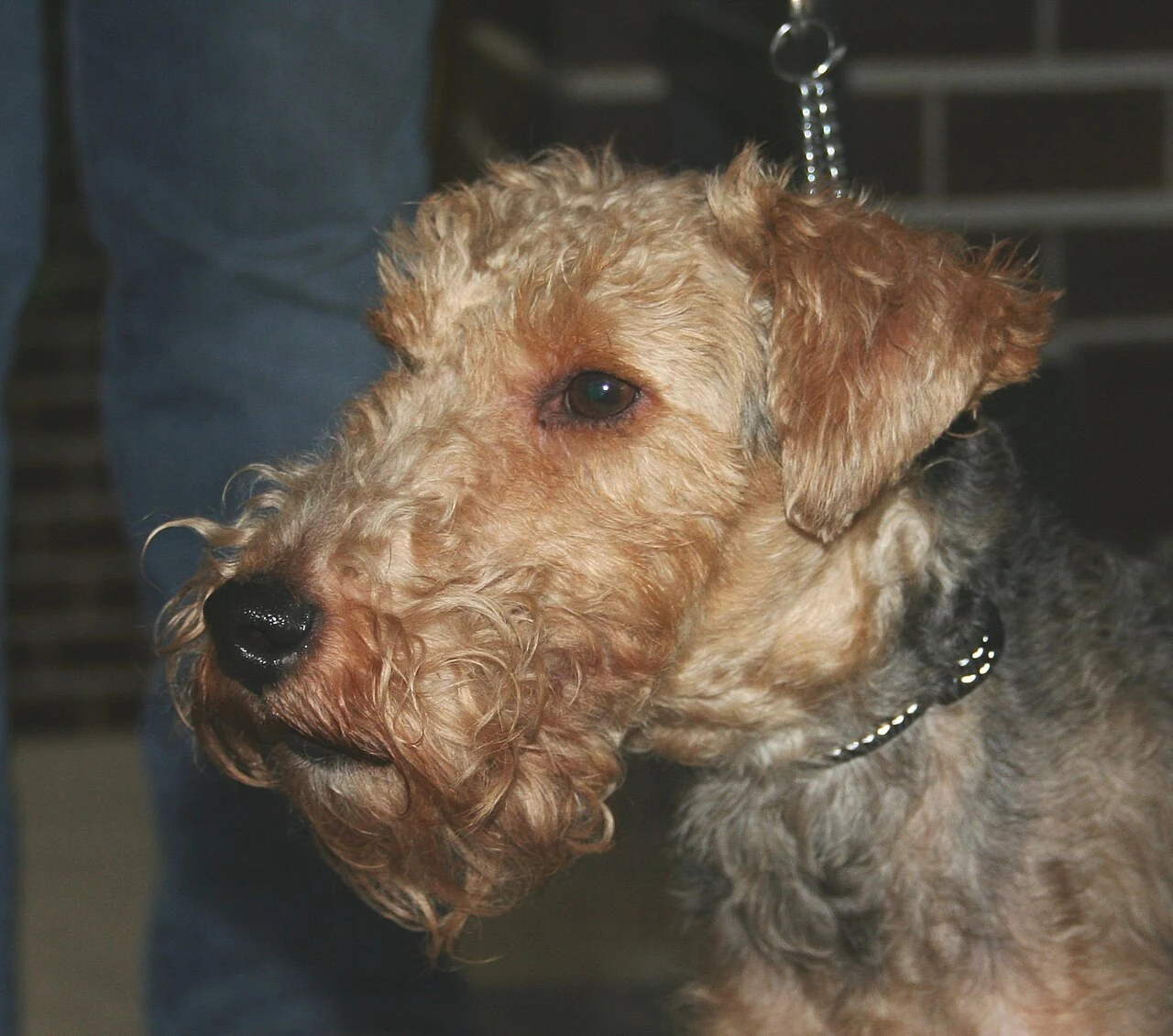
The Welsh Terrier comes from Wales. The international canine organisation FCI places it among terriers originally used for hunting. Its black or black-grizzled back, tan legs and tan head resemble those of other British wire-coated terriers. Grizzled means a mixture of dark and lighter hairs. It is a separate breed rather than a scaled-down Airedale Terrier.
The body is compact, with straight, strong legs. The FCI standard gives a shoulder height not exceeding 39 cm and a weight of 9 to 9.5 kg. A beard and rough coat emphasise its lively expression.
From puppy to senior: caring for your dog through every life stage ↗
Health
The Royal Kennel Club recommends a DNA test for primary lens luxation, or PLL, for the breed. This condition allows the lens to move out of its normal position in the eye. Pain and increased pressure inside the eye can follow, threatening sight. A red, painful or squinting eye needs prompt veterinary attention.
The parents’ actual PLL results and their meaning should be discussed before choosing a puppy. The test detects a known inherited variant. The Veterinary Genetics Laboratory at the University of California, Davis, also describes a small disease risk in dogs with only one copy. A DNA result therefore does not replace an eye examination when symptoms occur.
Episodes of abnormal movement have also been described in Welsh Terriers. The medical term paroxysmal dyskinesia refers to recurring bouts of involuntary movement or unusual posture. Dogs affected in a 2022 study remained conscious during episodes. The authors investigated a possible inherited cause without establishing how common the condition is across the breed. Recurrent cramps or unusual movements should be assessed by a vet.
Preventive care also includes weight, teeth and activity suited to age. The Royal Kennel Club gives a lifespan of more than 12 years. Long-term plans should include regular examinations and a routine that can be adapted as the dog ages.
Could this breed fit your life?
Could work well if …
- You want a manageable-sized, active dog and enjoy varied walks.
- You like search games and can work patiently on attention and recall.
- You can plan regular grooming and skilled help with hand stripping.
What to consider
- Daily exercise and activities together need dependable time in your routine.
- Chasing and digging should be considered when planning off-lead outings and secure fencing.
- PLL results should be checked individually. Eye changes or recurring abnormal movements need veterinary attention.
Similar needs, different dogs.
Selected by shared size, activity, grooming and training characteristics.
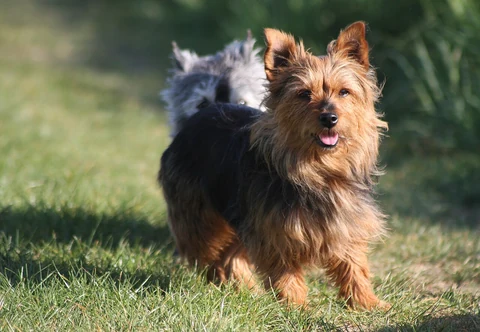
Small Australian wire coated terrier
Australian Terrier
The Australian Terrier is a small, alert dog that enjoys getting out and exploring. Its harsh coat and distinctive neck ruff reflect a working background. At home it often wants to be close to its people, while a scent or a small animal can capture its attention outdoors.
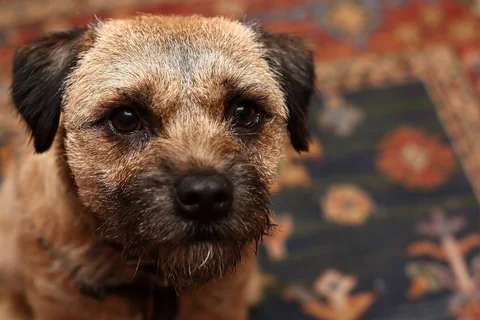
Terrier
Border Terrier
A small, hardy terrier with a strong appetite for activity. It loves sniffing, digging and games, but a whiff of wildlife can put recall to the test.
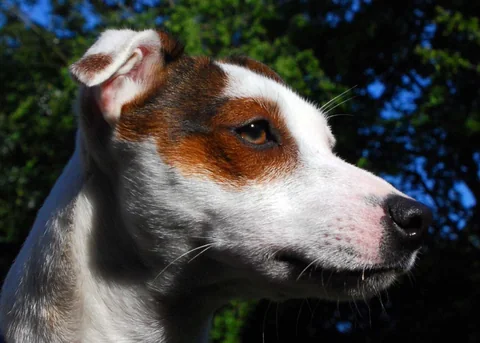
Terrier
Jack Russell Terrier
The Jack Russell Terrier is a small hunting dog with plenty of stamina. It likes to run and search, and needs daily exercise, scent games and recall training.
Sources and photograph credit
- Teaching your dog to be left alone
Used in this profile for: Staying home alone
- Dental disease in dogs
Used in this profile for: Day-to-day care
- Ear problems in pets
Used in this profile for: Day-to-day care
- Grooming and bathing pets
Used in this profile for: Day-to-day care
- Training your dog
Used in this profile for: Everyday life
- Primary Lens Luxation (PLL)
Used in this profile for: Health
- Welsh Terrier
Used in this profile for: Everyday life, Day-to-day care, Could this breed fit your life?
- Clinical characterisation of a novel paroxysmal dyskinesia in Welsh terrier dogs
Used in this profile for: Health
- Welsh Terrier, FCI Standard No.78
Used in this profile for: Size / Weight, Temperament, Day-to-day care, Size and build, Could this breed fit your life?
- Welsh Terrier Breed Health
Used in this profile for: Health
- Welsh Terrier
Used in this profile for: Temperament, Day-to-day care, Size and build, Health, Lifespan, Could this breed fit your life?
Photo credits
Portrait · Welsh Terrier.JPG · Shleiderbmx · CC BY 3.0 · Edited

Everyday life · Welsh Terrier portrait.jpg · Brian chee · CC BY 2.0 · Edited

Side view · Terier walijski suka 2009 pl.jpg · Pleple2000 · CC BY-SA 4.0 · Edited

Coat and features · Terier walijski głowa 2009 pl.jpg · Pleple2000 · CC BY-SA 4.0 · Edited
