 fellfolio
Swedish herding dog with short legs
Swedish Vallhund
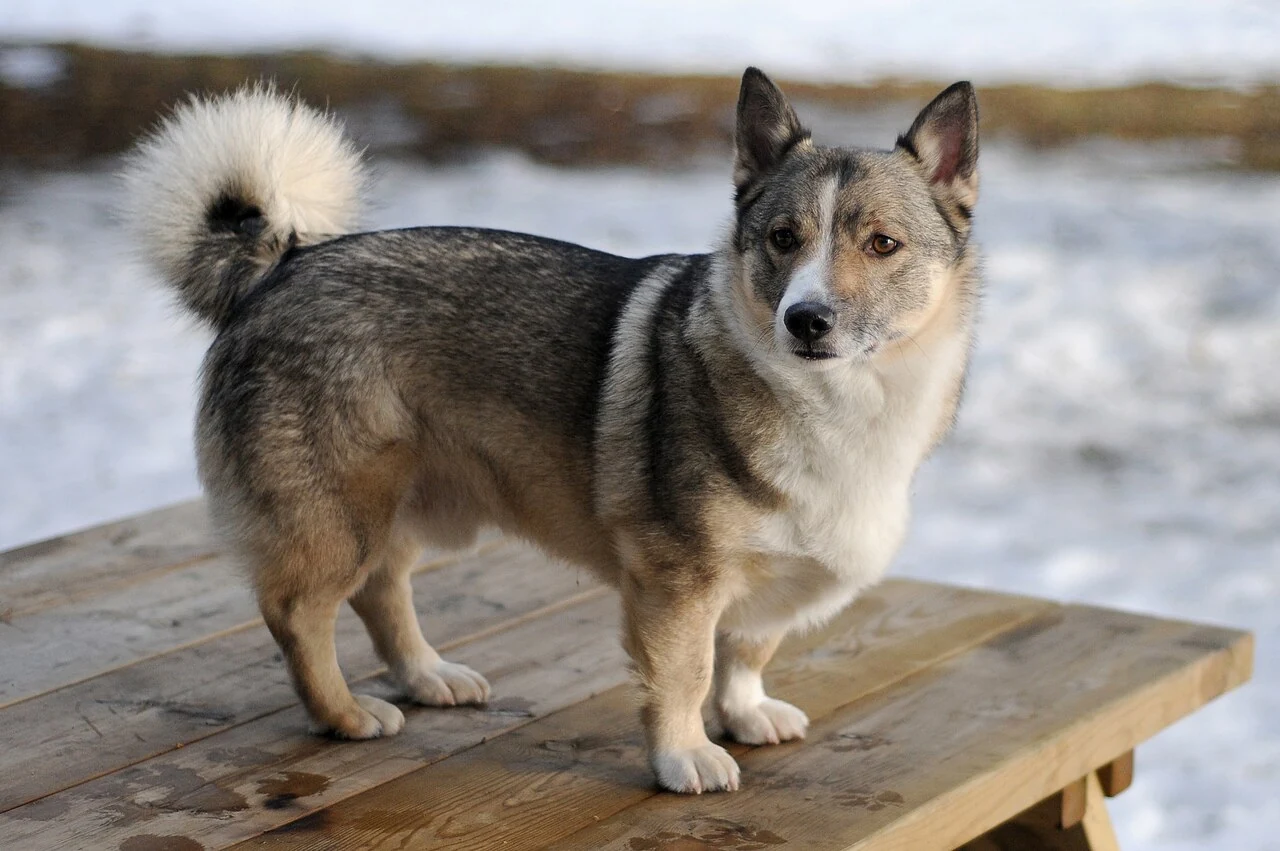
Short legs, a sturdy body and an alert expression make the Swedish Vallhund distinctive. This small Swedish herding dog has plenty of energy and enjoys working with its people. Walks, learning activities and careful preventive health care deserve a place in your plans. Its dense coat needs regular brushing, especially when it is shedding.
At a glance
- Size
- Small
- Lifespan
- over 10 years
- Activity
- High
- Grooming
- Weekly
- Training
- Patience & clear guidance
- Owner experience
- Experience recommended
A small herding dog that enjoys a shared task
The Swedish Vallhund is alert, lively and courageous. These qualities suited its former work with cattle. It needed to notice movement, respond to the animals and work with its handler. In family life today, a shared activity can be more rewarding than simply accompanying someone on a walk.
Its herding background helps explain why quick movement can attract its attention. If a dog tries to stop running children by barking or nipping at their legs, the game should be calmly interrupted. Adults should notice when it becomes excited and offer a different task or a break. Children should leave the dog undisturbed when it rests on its bed.
With other animals, previous experience and the behaviour of the individuals matter. First meetings with another dog can start at a distance, followed by short walks together. A resident cat should have places to retreat. A dog that chases or persistently bothers the cat needs secure separation and professional help before closer contact is attempted.
Everyday life
Walks, search games and brief training sessions give a Vallhund opportunities to work with its people. Calm behaviour deserves rewards too. If it settles on its mat after a game, you can give it a treat there. At first, this should happen somewhere quiet. Settling can then become a familiar part of practice alongside more active tasks.
Finding a toy can also provide a useful activity. At first, the toy should be easy to see so the dog understands what to do. Later, part of it can be hidden behind a clump of grass or a piece of furniture. Once it finds the toy, you can reward it with a brief game together. These activities fit well between relaxed walks and time to rest.
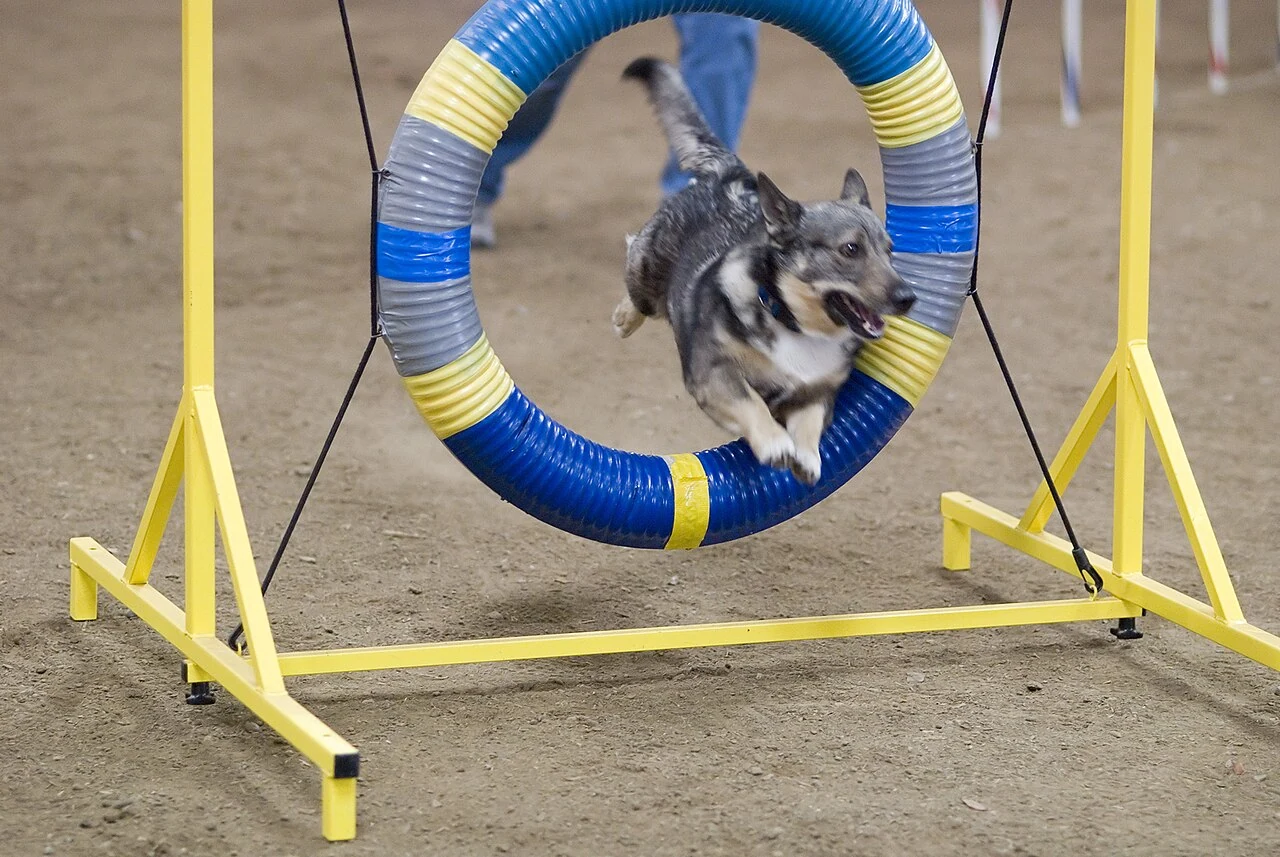
The breed can enjoy dog sports. Suitable exercises depend on age, health and training experience. Jumping and other physically demanding activities should be introduced with knowledgeable guidance. A securely fenced garden offers extra space to play. A flat can also be a suitable home when daily outings and shared activities are reliably provided.
Staying home alone
Dogs learn to stay home alone in small steps. The RSPCA advises no more than four hours at a time. Puppies and dogs that become unsettled when left alone need shorter absences and gradual practice. Arrange someone to care for your dog when you will be away longer.
Everyday dog training: recall, a loose lead and clear communication ↗
Day-to-day care
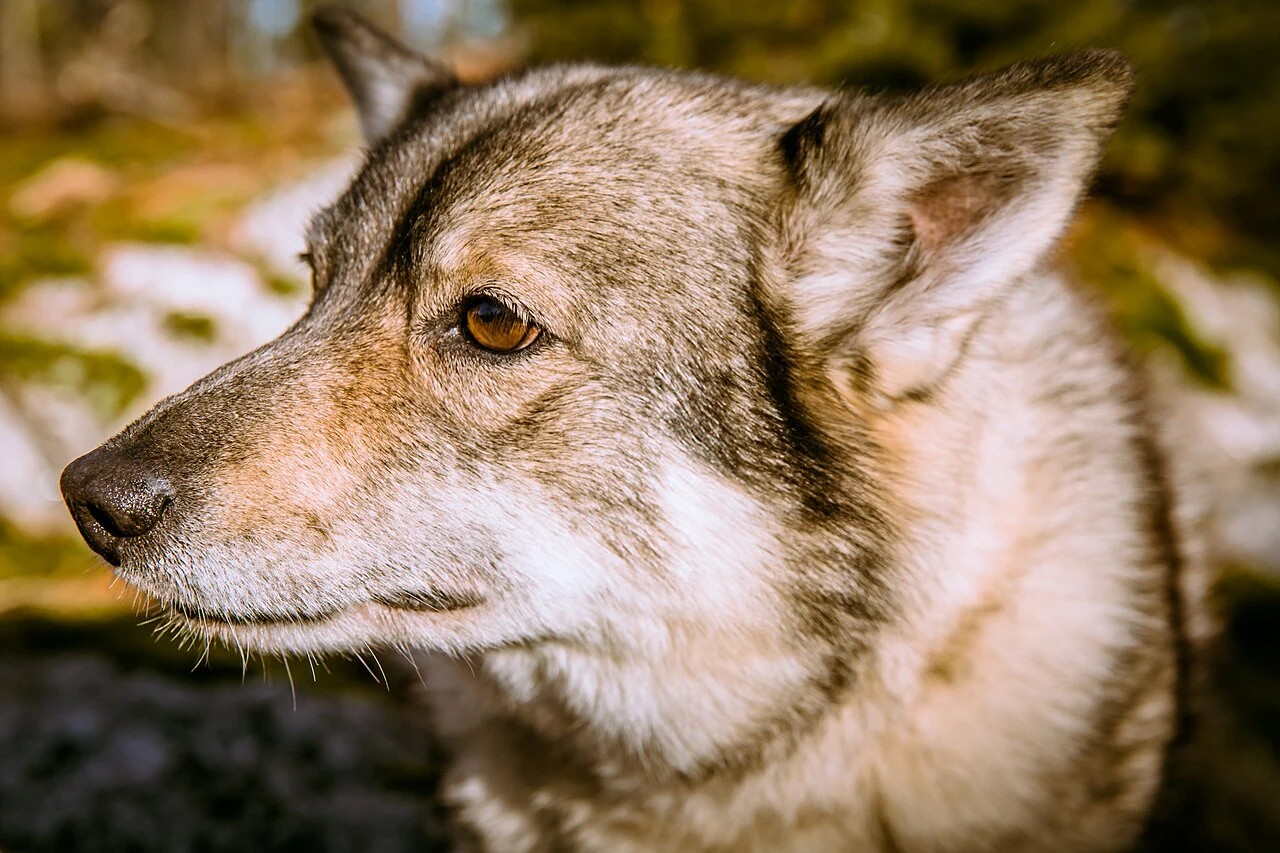
The coat has a firm outer layer with soft, dense undercoat beneath it. Weekly brushing helps remove loose hairs. More frequent grooming may be needed during a moult, when considerably more undercoat is shed. The brush should work through loose hair without scratching the skin.
Grooming is a useful time to check the skin, feet and nails. Redness or painful areas should be examined by a vet. Repeated head shaking or an unusual smell from the ears can also signal a problem. Regular tooth brushing, ideally daily with dog toothpaste, supports dental health. You can begin by rewarding brief touches around the mouth.
Regular weight checks help reveal changes early. Your vet can assess the dog’s muscle condition and whether its weight is appropriate. Training treats should be included when calculating food portions. Recording weight, grooming and forthcoming examinations makes changes easier to discuss at the next appointment.
Size and build
The Vallhund comes from Sweden, where it was used to herd cattle. In the 1940s, Count Björn von Rosen and Karl Gustaf Zetterstén searched Västergötland for surviving dogs of this type. Their work helped preserve the breed. According to the international canine organisation FCI, any historical relationship with the British Corgis remains uncertain.
Its distinctive outline combines a long, sturdy body with short legs. The tail can naturally be long or short, so a short tail in this breed does not necessarily indicate surgery. Coat colours include grey, greyish brown and reddish shades, often with darker hairs along the back and paler markings. The FCI standard gives an ideal shoulder height of 33 cm for males and 31 cm for females.
From puppy to senior: caring for your dog through every life stage ↗
Health
Before choosing a puppy, the parents’ health records should be clearly explained. The Royal Kennel Club, the British canine organisation, recommends hip and eye screening for the Vallhund, alongside a DNA test for a particular inherited retinal disorder. The retina is the layer at the back of the eye that processes light. Progressive damage can reduce the dog’s vision.
The form known in the Vallhund is also called MERTK PRA. MERTK refers to the affected gene. PRA means progressive retinal atrophy, a gradual deterioration of the retina. Age of onset and severity can vary. A DNA test and an eye examination provide different information, so their results should be discussed together.
A dog that becomes less confident in dim light, bumps into familiar objects or develops visible changes in its eyes should be examined by a vet. The Royal Kennel Club gives a lifespan of more than ten years. Preventive care and observations about vision therefore belong in long term planning too.
Could this breed fit your life?
Could work well if …
- You want a small, active dog and enjoy learning activities together.
- You can recognise rising excitement during games and patiently encourage calm behaviour.
- You plan regular grooming and want to check the parents’ health records carefully.
What to consider
- Despite its short legs, it needs daily exercise and worthwhile activities.
- Herding and nipping should be prevented during games with children.
- Eye screening, DNA test results and hip records should be available and explained before choosing a puppy.
Similar needs, different dogs.
Selected by shared size, activity, grooming and training characteristics.
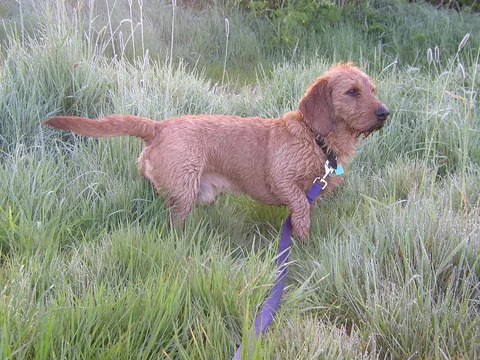
Small scent hound from Brittany
Basset Fauve de Bretagne
The Basset Fauve de Bretagne is a small French scent hound with a rough coat in wheaten to reddish shades. Its short legs can disguise considerable stamina. An outgoing nature, strong hunting interest and a love of exploring make daily outdoor time and patient training essential parts of its care.
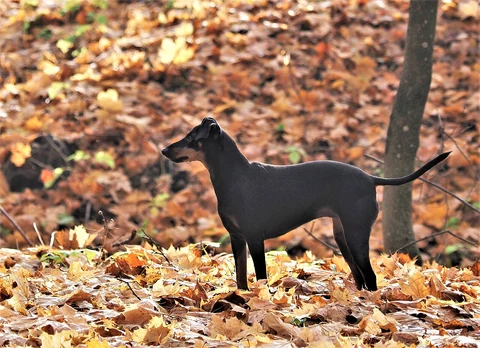
Smooth-coated English terrier
Manchester Terrier
A glossy black coat, rich tan markings and a slim outline make the Manchester Terrier distinctive. This observant, active companion has a history as a rat hunter. Its short coat is relatively straightforward to maintain. Recall, encounters with small animals and time to settle after exciting outings need more attention in daily life.
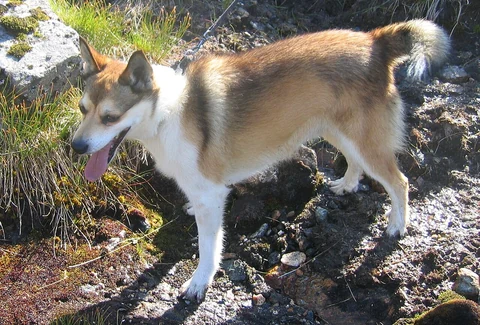
Norwegian cliff hunting specialist
Norwegian Lundehund
The Norwegian Lundehund has at least six toes on each foot. Its unusually flexible body once helped it reach puffins along steep coasts. Today it is a lively small companion whose particular health needs deserve careful attention. Anyone considering the breed should get to know it and learn about its inherited intestinal problems.
Sources and photograph credit
- Teaching your dog to be left alone
Used in this profile for: Staying home alone
- Dental disease in dogs
Used in this profile for: Day-to-day care
- Ear problems in pets
Used in this profile for: Day-to-day care
- Grooming and bathing pets
Used in this profile for: Day-to-day care
- Training your dog
Used in this profile for: Everyday life, Could this breed fit your life?
- Swedish Vallhund, FCI Standard No.14
Used in this profile for: Size / Weight, Temperament, Everyday life, Day-to-day care, Size and build, Could this breed fit your life?
- Progressive Retinaatrophie (MERTK-PRA)
Used in this profile for: Health
- DNA test: Retinopathy
Used in this profile for: Health
- Swedish Vallhund
Used in this profile for: Temperament, Everyday life, Day-to-day care, Health, Lifespan, Could this breed fit your life?
Photo credits
Side view · Västgötaspets hane 5 år.jpg · TS Eriksson · CC BY 3.0 · Edited

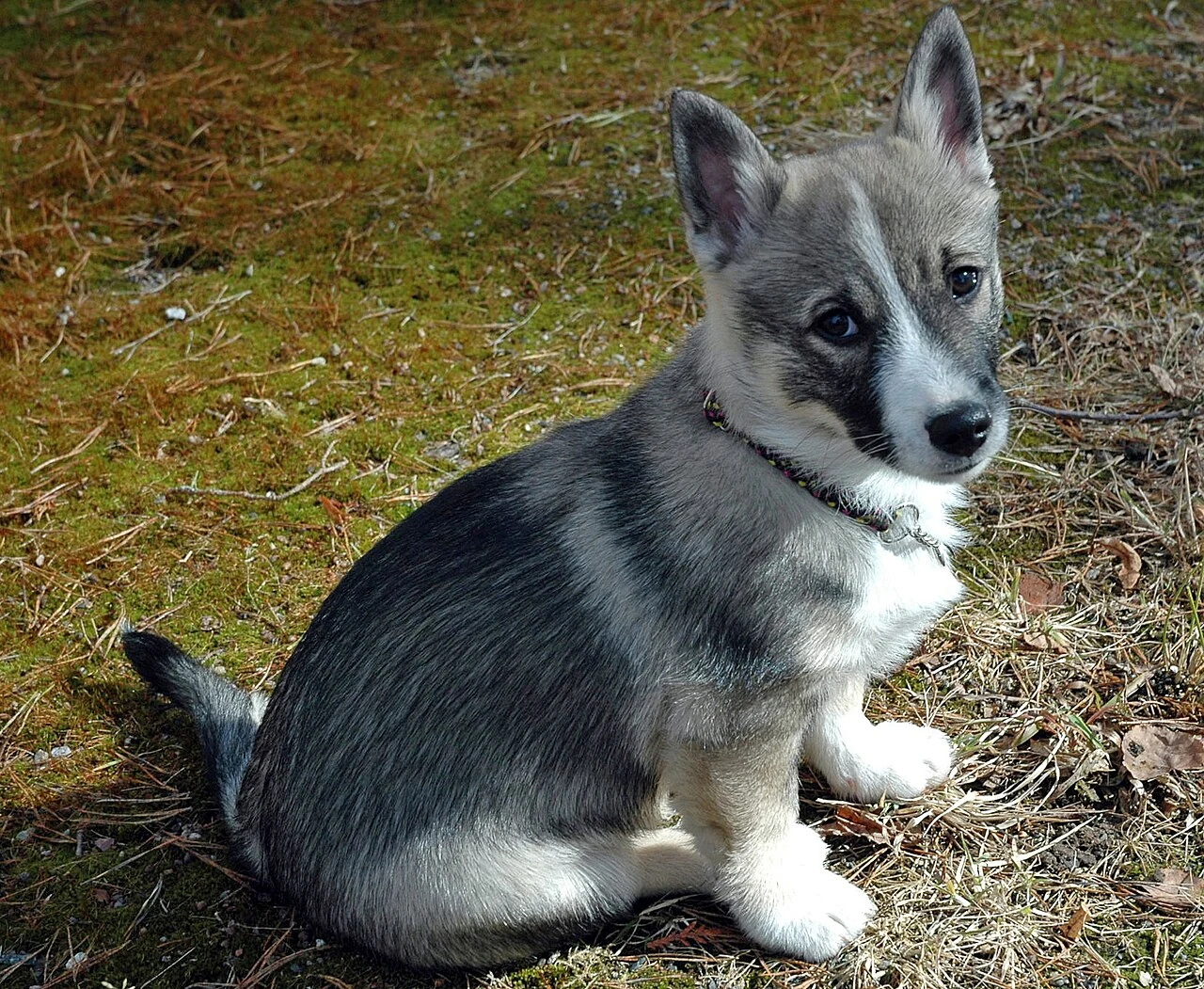
Puppy · Sigge 3 månader.jpg · Sören T Eriksson · CC BY-SA 3.0 · Edited

In action · Swedish Vallhund agility tire jump.jpg · Ron Armstrong · CC BY 2.0 · Edited

Coat and features · Swedish Vallhund December 2012 003.JPG · WestportWiki · CC BY-SA 3.0 · Edited
