 fellfolio
Small scent hound from Brittany
Basset Fauve de Bretagne
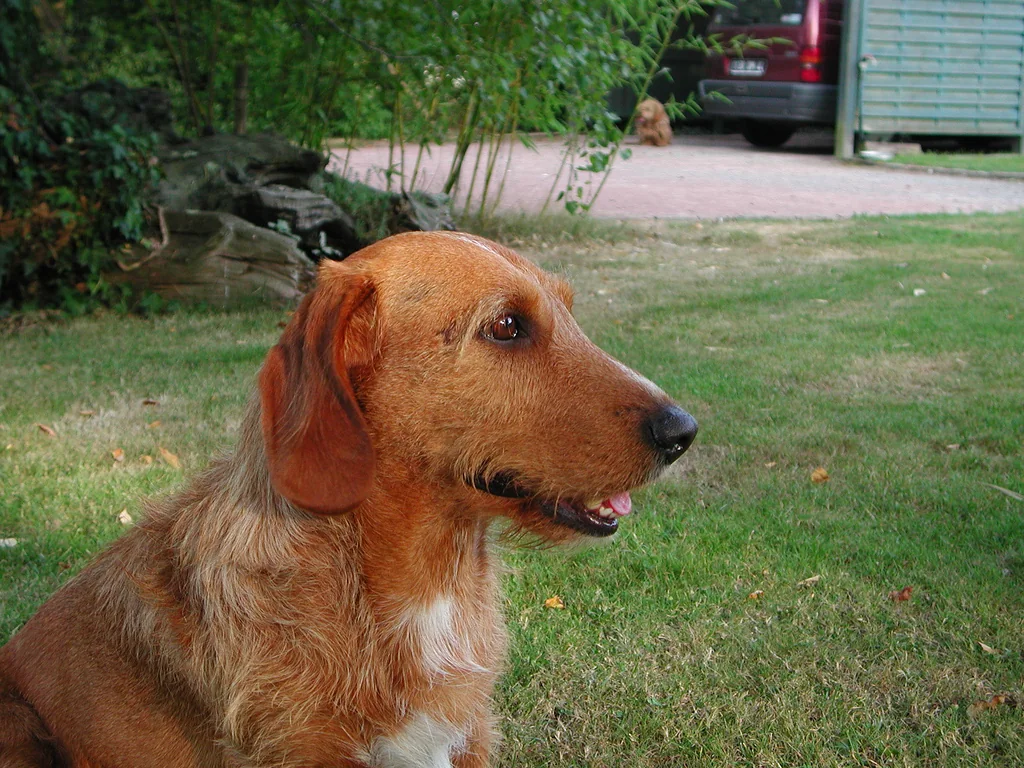
The Basset Fauve de Bretagne is a small French scent hound with a rough coat in wheaten to reddish shades. Its short legs can disguise considerable stamina. An outgoing nature, strong hunting interest and a love of exploring make daily outdoor time and patient training essential parts of its care.
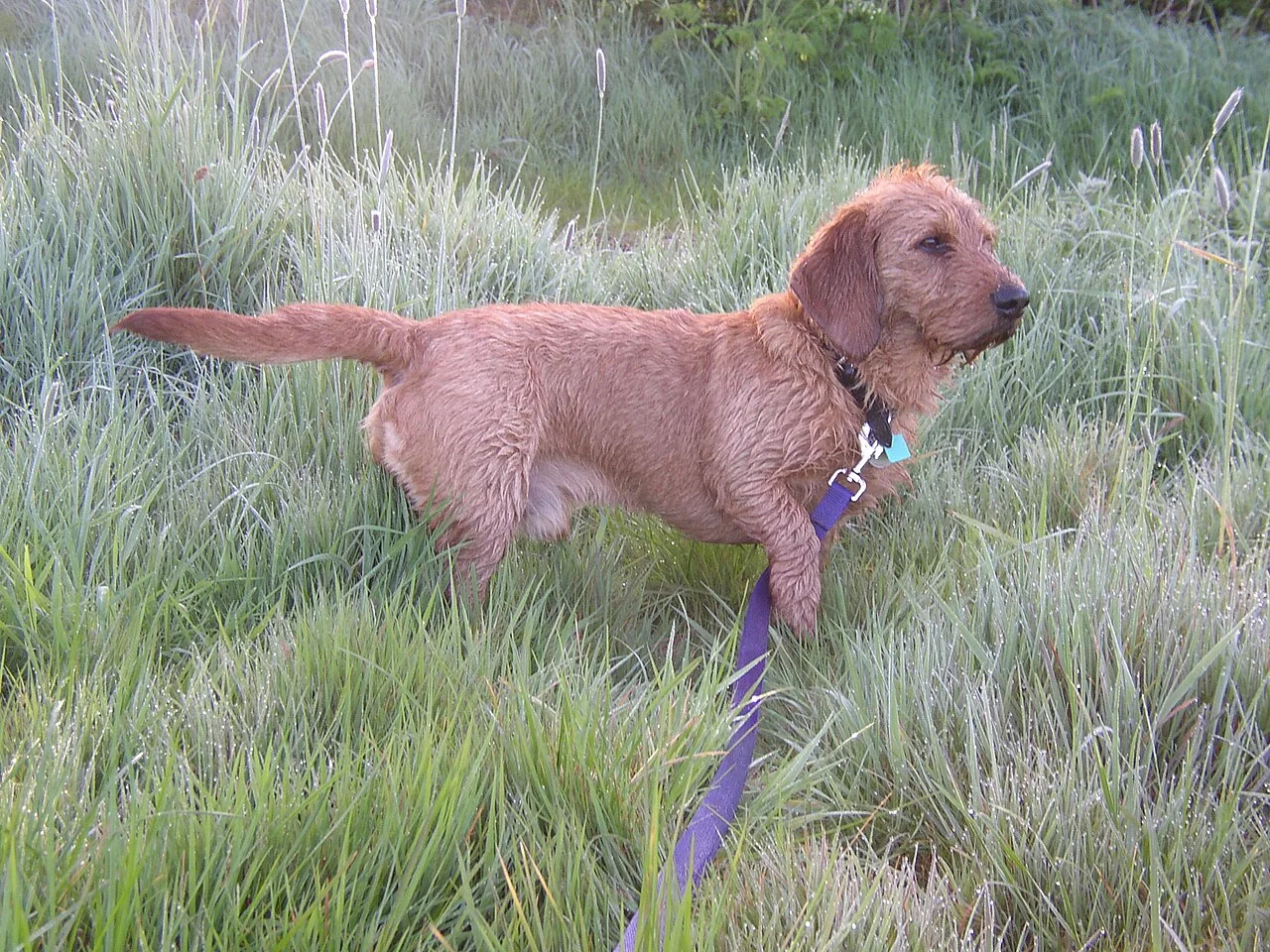
At a glance
- Size
- Small
- Height at shoulder
- 32 to 38 cm
- Lifespan
- over 12 years
- Activity
- High
- Grooming
- Weekly
- Training
- Patience & clear guidance
- Owner experience
- Experience recommended
Sociable and persistent on a scent
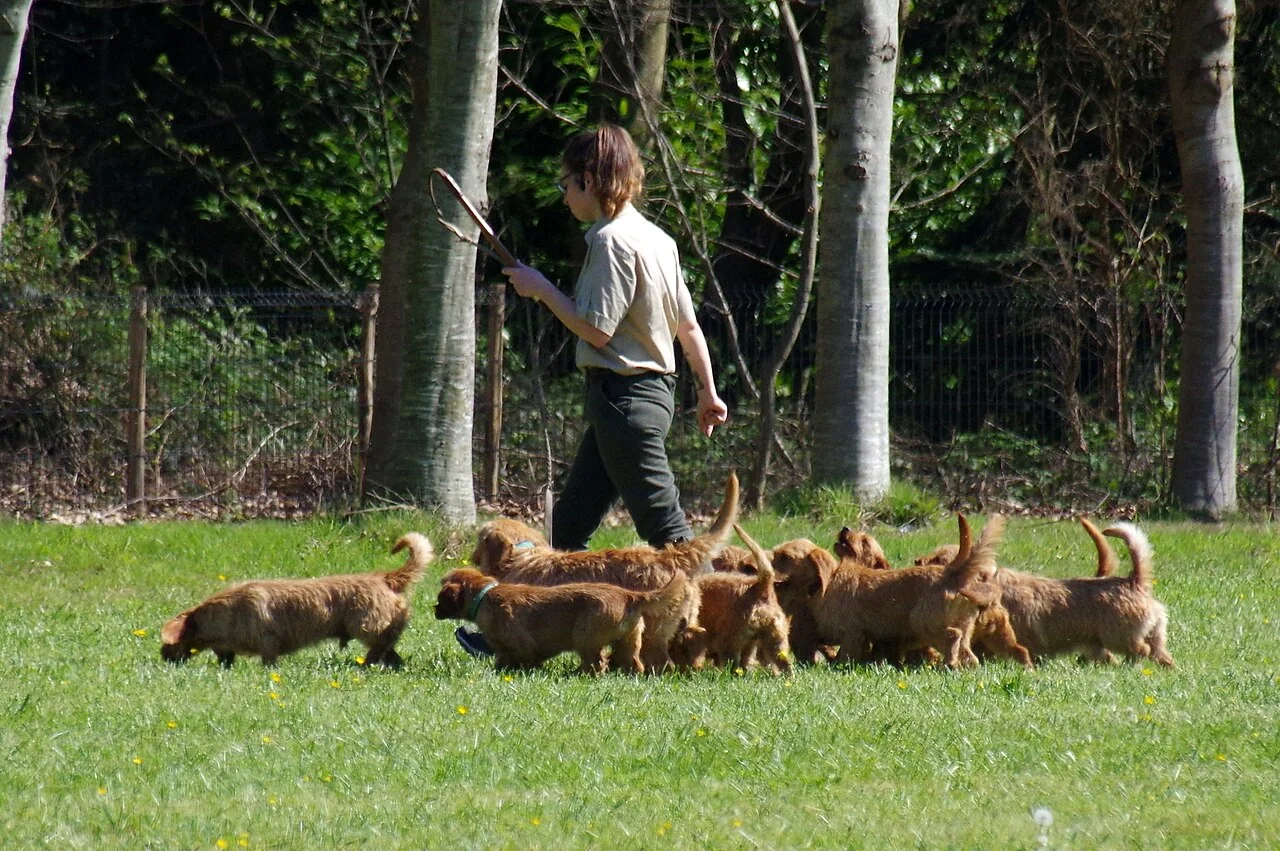
Walking with a Basset Fauve de Bretagne means allowing time for sniffing. A fresh trail can hold its attention for a long time. As a scent hound, it was bred to follow game by smell, including rabbits and hares. This background helps explain its persistence while exploring and why an exciting trail can compete so strongly with being called back.
Away from hunting, the breed standard and club describe a friendly, sociable dog. Its curiosity offers plenty of opportunities to work together. Small search games or practising in a new, quiet location can add variety. When something else has captured its attention, you should make the task easier and reward a success rather than repeat the same cue more loudly.
Everyday life
A Fauve needs more than brief toilet trips. Longer walks with plenty of sniffing should be part of the routine. The Royal Kennel Club’s general exercise guidance places the breed in its category of more than two hours a day. The amount for your dog should suit its age, health and fitness. A short route can already introduce a young dog to many new experiences.
On walks, a lead should prevent the dog from taking off independently after wildlife scent. Suitable, securely fenced areas provide opportunities for freer movement. Recall teaches it to return on an agreed cue. Practice should begin at a short distance with little distraction. A successful return earns something the dog enjoys, such as a treat or a game with you.
There are ways to use its nose at home too. Hidden food pieces or a simple food toy provide a manageable task. You should start search games with easy hiding places. Food used for the game should come from the daily allowance. Afterwards, the dog should have an opportunity to sleep in its resting place without repeated interruptions.
Staying home alone
Dogs learn to stay home alone in small steps. The RSPCA advises no more than four hours at a time. Puppies and dogs that become unsettled when left alone need shorter absences and gradual practice. Arrange someone to care for your dog when you will be away longer.
Everyday dog training: recall, a loose lead and clear communication ↗
Day-to-day care
The rough coat is relatively short. Regular brushing removes loose hair. After walks through long grass and bushes, you should also check for plant material and ticks. If areas of coat pull at the skin or become tangled, a groomer can show you suitable tools and techniques.
The hanging ears should be included in routine checks. Redness, an unusual smell, discharge or frequent head shaking should be assessed by a vet. A suitable dog toothbrush and dog toothpaste are useful for dental care. Handling around the mouth should be introduced in short, calm steps. Pain or strong resistance is a reason to consult the vet before continuing practice.
Size and build
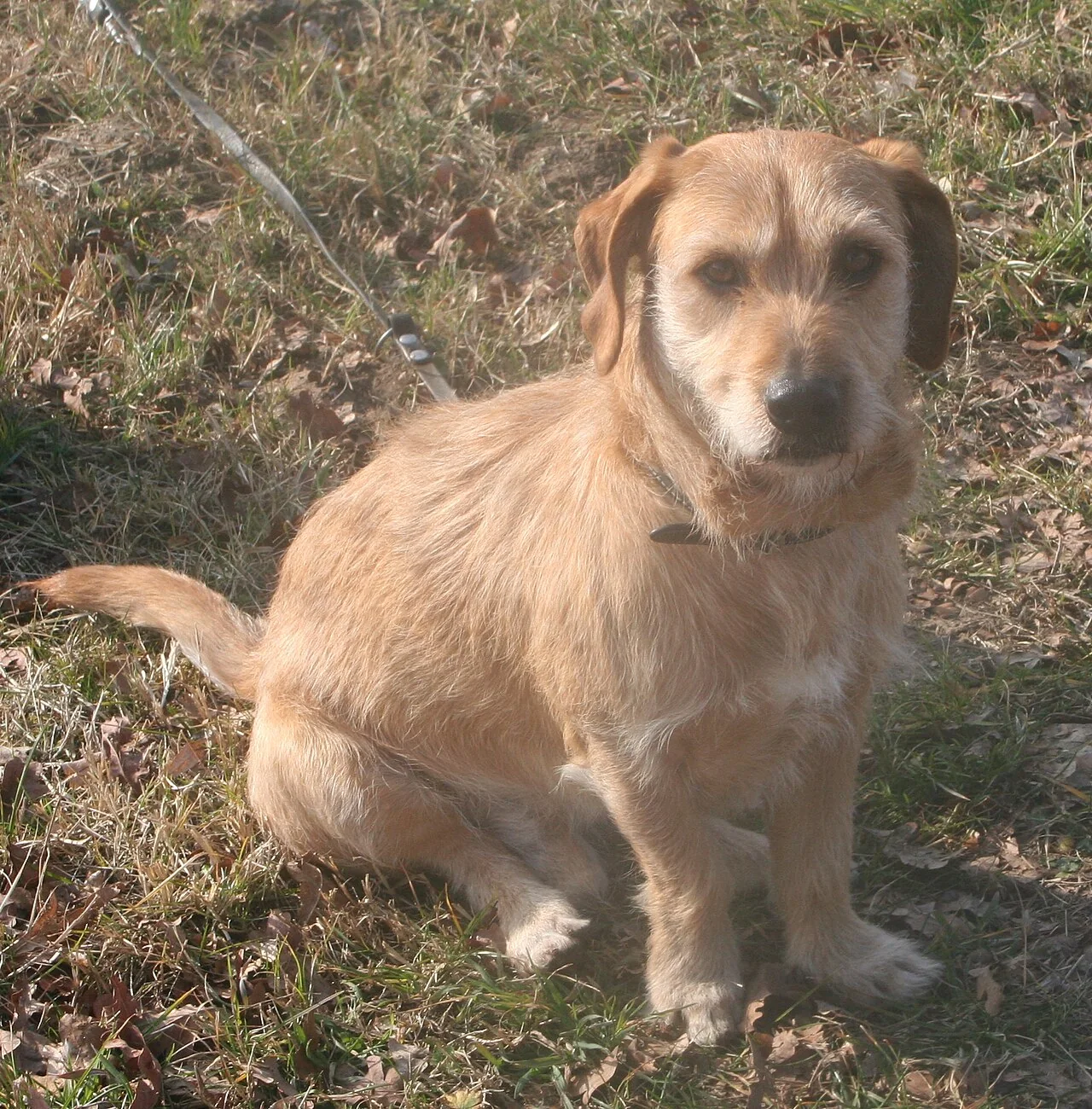
The breed developed within Brittany’s hunting dog tradition and belongs to the family of fauve-coloured French hounds. Fauve describes the yellowish to reddish coat colour, while basset refers to the low build. The international standard gives adult dogs a height of 32 to 38 centimetres.
A puppy should begin having pleasant experiences of a harness, lead, grooming and everyday sounds from the start. Short practice sessions are easier to manage than lengthy repetitions. When adopting an adult dog, you should ask about previous hunting experience and behaviour on a lead. This helps you prepare suitable walking routes and first training steps. Being left alone should be introduced gradually, starting with a length of time the dog can handle comfortably.
From puppy to senior: caring for your dog through every life stage ↗
Health
When buying a puppy, you should ask about DNA testing for POAG-4. The Royal Kennel Club lists it in the breed’s health recommendations. POAG is an inherited form of glaucoma in which pressure within the eye rises gradually and vision can be lost. This form can develop without obvious pain. Changes in sight therefore need assessment even when the dog is not rubbing its eyes.
Ask for the parents’ results to be explained and discuss appropriate eye examinations with your vet. Routine care should also cover vaccinations, parasite prevention, teeth and body weight. A painful eye or a sudden change to an eye calls for immediate veterinary advice. Dated photographs and notes can help describe what has happened, but collecting them should not delay an examination.
Could this breed fit your life?
Could work well if …
- A Fauve suits people who enjoy outdoor life and keeping a determined scent hound occupied.
- Homes with small pets should have reliable physical separation. Before introducing a dog to a resident cat, you should find out about that individual dog’s previous experiences.
- Children should learn to leave the dog undisturbed while it sleeps or eats. Adults should supervise interaction and manage the lead when the dog still pulls strongly.
What to consider
- Short legs do not mean modest exercise needs in this breed. Time for exploring and training should be planned each day.
- When wildlife scent strongly distracts the dog, a lead should provide restraint. Off-lead exercise needs a suitable, reliably fenced space.
Similar needs, different dogs.
Selected by shared size, activity, grooming and training characteristics.
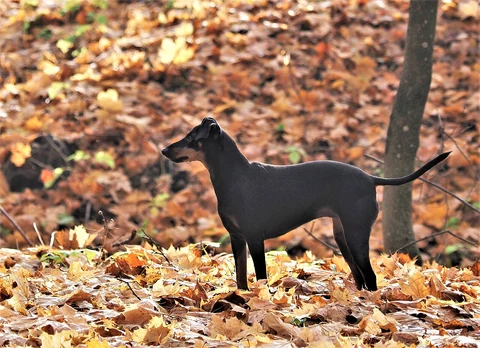
Smooth-coated English terrier
Manchester Terrier
A glossy black coat, rich tan markings and a slim outline make the Manchester Terrier distinctive. This observant, active companion has a history as a rat hunter. Its short coat is relatively straightforward to maintain. Recall, encounters with small animals and time to settle after exciting outings need more attention in daily life.
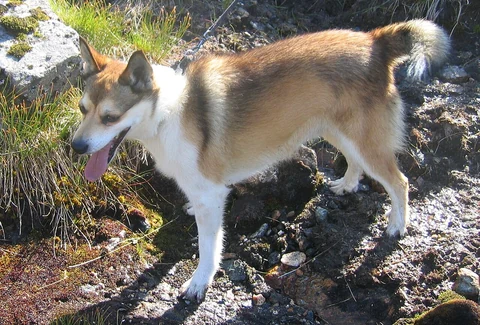
Norwegian cliff hunting specialist
Norwegian Lundehund
The Norwegian Lundehund has at least six toes on each foot. Its unusually flexible body once helped it reach puffins along steep coasts. Today it is a lively small companion whose particular health needs deserve careful attention. Anyone considering the breed should get to know it and learn about its inherited intestinal problems.
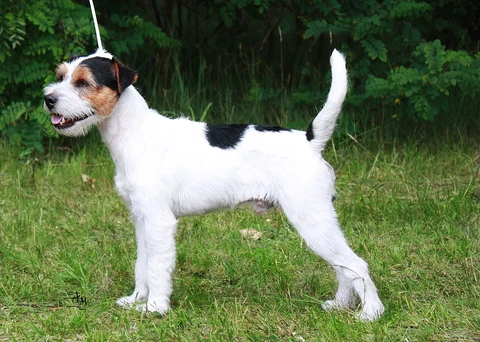
Long-legged hunting terrier from Britain
Parson Russell Terrier
The Parson Russell Terrier is small, long-legged and built for an active life. Its ancestors accompanied fox hunts and worked underground too. The curiosity, stamina and hunting interest of these terriers matter more when choosing the breed than its convenient size. It suits people who enjoy outings with their dog and want to build recall, safe exercise arrangements and the ability to relax at home carefully.
Sources and photograph credit
- Teaching your dog to be left alone
Used in this profile for: Staying home alone
- Breed Information
Used in this profile for: Temperament, Size and build
- Basset Fauve de Bretagne breed standard
Used in this profile for: Size / Weight, Temperament, Everyday life, Day-to-day care, Size and build, Could this breed fit your life?
- DNA test: POAG-4
Used in this profile for: Health
- Basset Fauve de Bretagne
Used in this profile for: Temperament, Everyday life, Day-to-day care, Size and build, Health, Lifespan, Could this breed fit your life?
- Healthcare for your dog
Used in this profile for: Day-to-day care, Health
- Dental disease in dogs
Used in this profile for: Day-to-day care
- Eye problems in dogs
Used in this profile for: Health
- How to give your pet a health check at home
Used in this profile for: Day-to-day care
- Caring for your puppy
Used in this profile for: Size and build
- Train your dog to come when called
Used in this profile for: Everyday life, Size and build, Could this breed fit your life?
Photo credits
Side view · Basset Fauve de Bretagne (male).jpg · Baslerfauves · Public domain
.jpg)
Coat and features · Basset Fauve de Bretagne portrait.jpg · pc.david · CC BY 2.0 · Edited

Portrait · Basset Fauve de Bretagne Chester.JPG · Kallewirsch · CC BY-SA 4.0 · Edited

Everyday life · La Bourbansais 06 Basset fauve de Bretagne.jpg · Abujoy · CC BY 4.0 · Edited
