 fellfolio
Norwegian cliff hunting specialist
Norwegian Lundehund
The Norwegian Lundehund has at least six toes on each foot. Its unusually flexible body once helped it reach puffins along steep coasts. Today it is a lively small companion whose particular health needs deserve careful attention. Anyone considering the breed should get to know it and learn about its inherited intestinal problems.
At a glance
- Size
- Small
- Height at shoulder
- 32 to 38 cm
- Lifespan
- Not sufficiently documentedWhy is there no reliable range?
- Activity
- High
- Grooming
- Weekly
- Training
- Patience & clear guidance
- Owner experience
- Experience recommended
Lively and flexible, with a remarkable working history
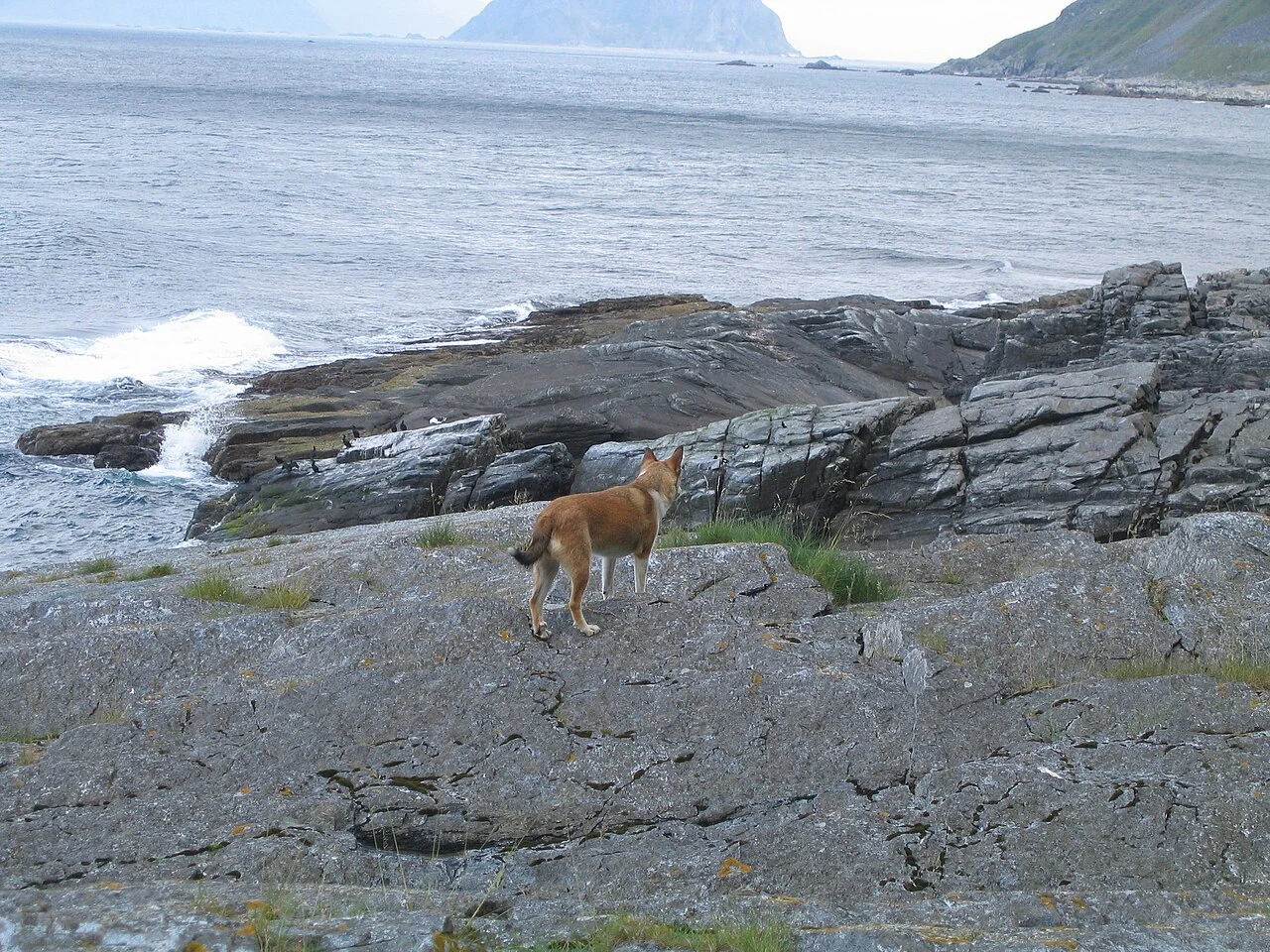
The Lundehund comes from the Norwegian coast, where it searched between rocks and inside narrow passages for puffins. That work required agility and initiative. The international breed standard describes it as alert, lively and energetic. Outings together and brief learning activities can draw on its interest in exploring.
Its hunting background matters on walks. Birds and small animals can attract its attention. A lead is sensible where they may appear. Returning when called should first be practised without strong distractions, so the dog can understand what is being asked.
Small pets should have accommodation the dog cannot reach. A cat needs its own places to retreat and initial encounters in which both animals can remain calm. If the dog chases or the cat shows strong fear, secure separation should come first. With children, supervised games allow adults to notice excitement or withdrawal. The dog should be left undisturbed on its bed.
Everyday life
A varied walk can combine sniffing, brief exercises and relaxed time together. A garden can provide extra room to move when fencing and entrances are secure. Its history as a climber makes it sensible to consider raised surfaces and possible escape routes too.
The neck and forelegs have an unusually wide range of movement in this breed. During play, these movements should remain voluntary. Its joints should not be pushed into extreme positions for photographs or demonstrations. Physical activities should suit its age and health.
Simple search games can provide variety at home. A familiar toy can initially be left in plain sight, then partly hidden later. The task should be easy enough for the dog to enjoy. Afterwards, it should have a quiet place to sleep. Care during absences and time for health checks also deserve a place in daily planning.
Staying home alone
Dogs learn to stay home alone in small steps. The RSPCA advises no more than four hours at a time. Puppies and dogs that become unsettled when left alone need shorter absences and gradual practice. Arrange someone to care for your dog when you will be away longer.
Everyday dog training: recall, a loose lead and clear communication ↗
Day-to-day care
The coat has a dense, fairly firm outer layer and soft undercoat. Regular brushing removes loose hairs. More frequent grooming may be needed during a moult. Hair is longer behind the ears, around the neck and on the thighs. These areas are worth checking for trapped loose hair or dirt.
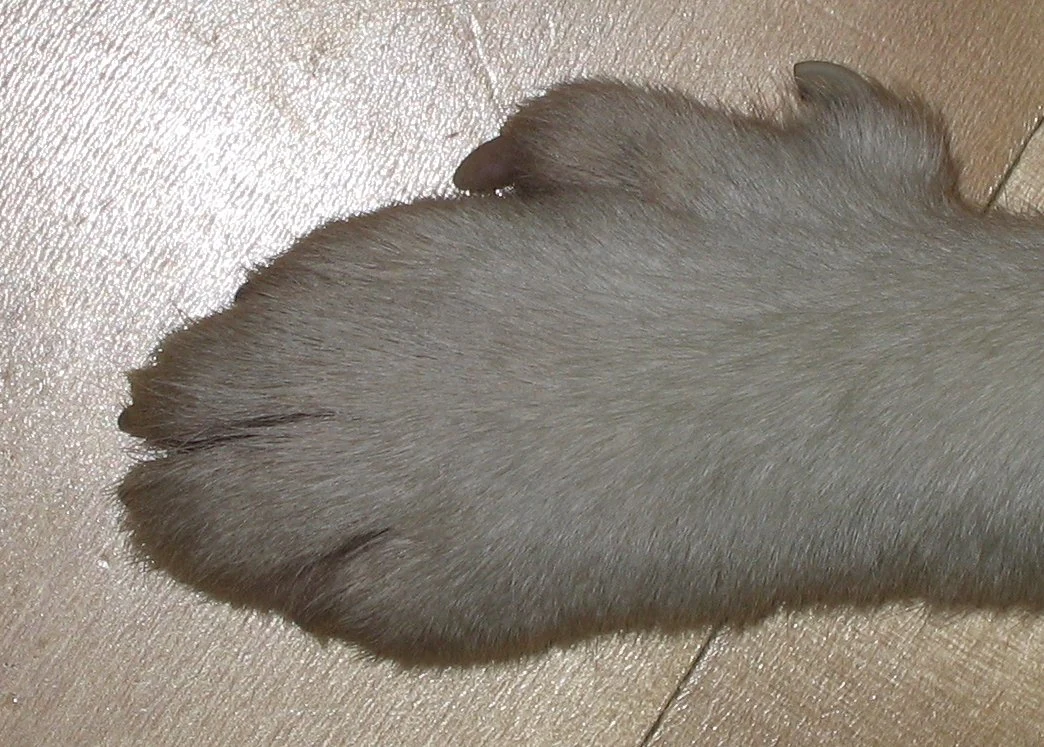
The extra toes need attention during nail care. Nails that make little contact with the ground can still grow too long. A vet or experienced groomer can show you how to check each nail and trim it when needed. Pain, injured toes or unusual licking should be examined.
Brushing with dog toothpaste can be introduced in brief steps. Redness, unusual smell or painful ears need veterinary advice. For a Lundehund, recording weight, appetite and changes in stools is particularly useful. This makes recurring problems easier to describe at an appointment.
Size and build
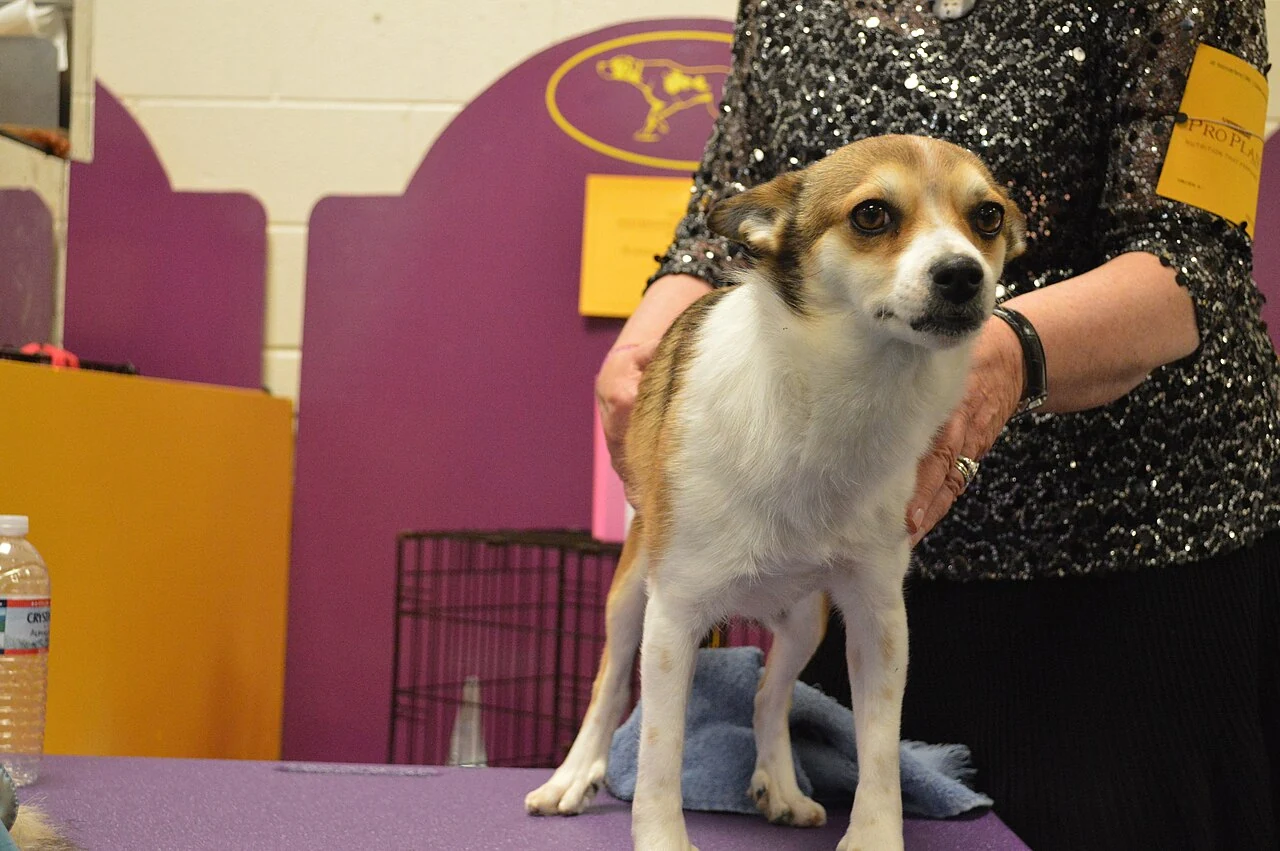
The name combines the Norwegian word for puffin, “lunde”, with “hund”, meaning dog. These dogs worked along the coast, retrieving birds from nesting passages that were difficult to reach. At least six toes on each foot, unusually flexible joints and ears that can fold are distinctive features. They helped the dogs work on rocks and inside narrow passages.
The breed survived in a small group on the island of Værøy. A severe decline and disease outbreaks caused the loss of much genetic diversity, meaning variety in the genes within the breed. Today, the Norwegian breed club works with the national canine organisation and specialists on a controlled crossbreeding programme. Selected Nordic breeds are intended to help preserve the Lundehund while improving its health.
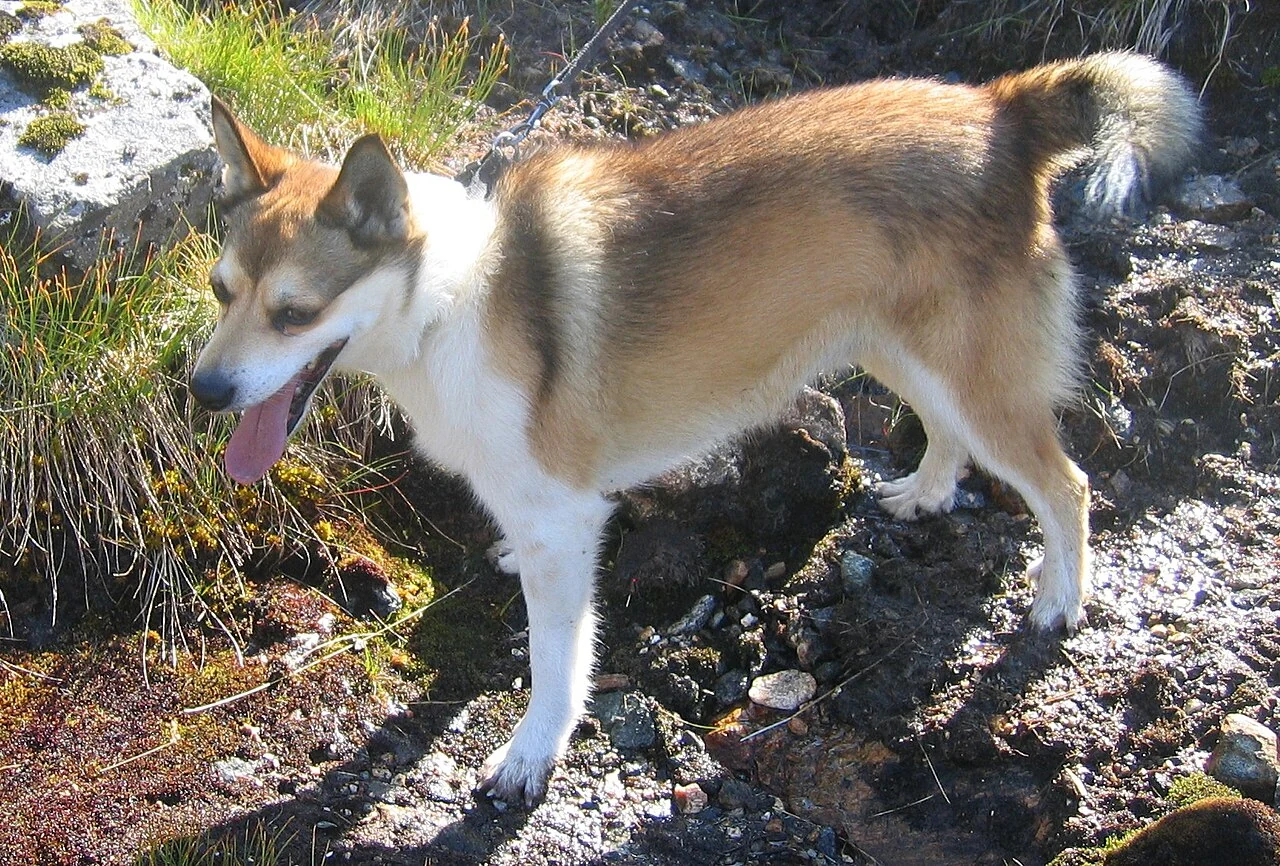
In its breed standard, the international canine organisation FCI specifies shoulder heights of 35 to 38 cm for males and 32 to 35 cm for females. Approximate weights are 7 kg for males and 6 kg for females. The coat is reddish to fawn, often with dark hair tips and white areas.
From puppy to senior: caring for your dog through every life stage ↗
Health
The most important health concern is an inherited intestinal condition called intestinal lymphangiectasia. Small lymph vessels in the wall of the intestine become enlarged. Protein rich fluid can leak from them into the gut. The body then loses important proteins, and the dog can lose weight and become seriously ill.
Recurring diarrhoea, vomiting, weight loss or a marked reduction in appetite should be assessed promptly by a vet. These signs have several possible causes. With a Lundehund, the practice should know about the breed’s particular health history. Diagnosis may require several investigations. Treatment should be planned with the vet and may include a tailored diet and medication. The measures needed depend on the investigation results and how the condition develops.
Before bringing one home, ask openly about intestinal problems among relatives, existing health examinations and the breeding programme. The Norwegian canine organisation identifies low genetic diversity as an important reason for its health improvement measures. Anyone caring for a Lundehund should budget for possible investigations and treatment over time, and find a veterinary practice willing to become familiar with the breed.
Lifespan
The breed information reviewed does not support a reliable lifespan estimate for the Norwegian Lundehund.
Could this breed fit your life?
Could work well if …
- You want to get to know a rare, lively dog and enjoy outings together.
- You can monitor its health carefully and keep clear notes about changes.
- You want open discussions with a responsible breeder or rescue organisation about the breed’s intestinal problems.
What to consider
- Recurring digestive problems and weight loss should be assessed promptly by a vet.
- Its unusual flexibility should not be demonstrated through forced movements.
- Extra toes and nails, alongside secure accommodation for small pets, need attention.
Similar needs, different dogs.
Selected by shared size, activity, grooming and training characteristics.
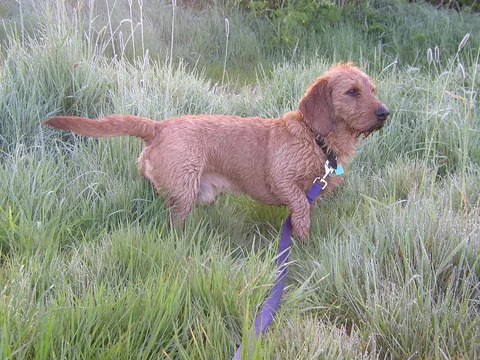
Small scent hound from Brittany
Basset Fauve de Bretagne
The Basset Fauve de Bretagne is a small French scent hound with a rough coat in wheaten to reddish shades. Its short legs can disguise considerable stamina. An outgoing nature, strong hunting interest and a love of exploring make daily outdoor time and patient training essential parts of its care.
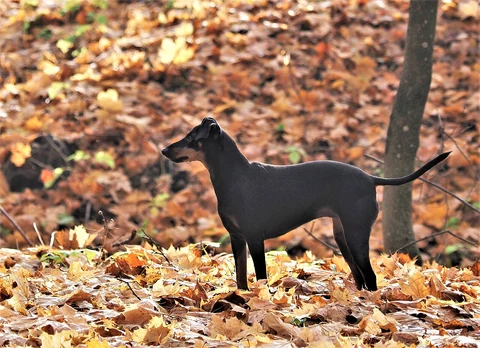
Smooth-coated English terrier
Manchester Terrier
A glossy black coat, rich tan markings and a slim outline make the Manchester Terrier distinctive. This observant, active companion has a history as a rat hunter. Its short coat is relatively straightforward to maintain. Recall, encounters with small animals and time to settle after exciting outings need more attention in daily life.
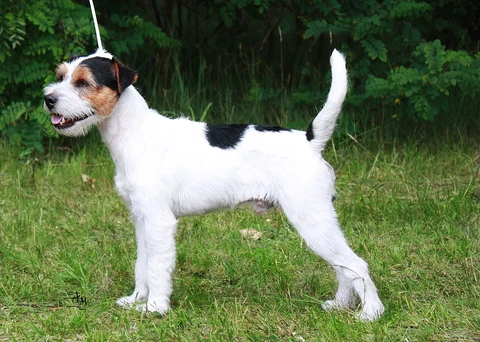
Long-legged hunting terrier from Britain
Parson Russell Terrier
The Parson Russell Terrier is small, long-legged and built for an active life. Its ancestors accompanied fox hunts and worked underground too. The curiosity, stamina and hunting interest of these terriers matter more when choosing the breed than its convenient size. It suits people who enjoy outings with their dog and want to build recall, safe exercise arrangements and the ability to relax at home carefully.
Sources and photograph credit
- Teaching your dog to be left alone
Used in this profile for: Staying home alone
- Helse og stell
Used in this profile for: Temperament, Everyday life, Day-to-day care, Health, Lifespan, Could this breed fit your life?
- Norwegian Lundehund, FCI Standard No.265
Used in this profile for: Size / Weight, Temperament, Everyday life, Day-to-day care, Size and build, Could this breed fit your life?, Lifespan
- Congenital and Inherited Anomalies of the Small and Large Intestines in Animals
Used in this profile for: Health
- Avlsprogram norsk lundehund
Used in this profile for: Size and build, Health, Lifespan
- Lundehundprosjektet
Used in this profile for: Temperament, Everyday life, Size and build, Health, Could this breed fit your life?
- Dental disease in dogs
Used in this profile for: Day-to-day care
- Ear problems in pets
Used in this profile for: Day-to-day care
- Grooming and bathing pets
Used in this profile for: Day-to-day care
- Training your dog
Used in this profile for: Everyday life, Could this breed fit your life?
Photo credits
Side view · Lundehund 2008.jpg · Andrva · CC BY-SA 3.0 · Edited

Everyday life · Værøy-lundehund-2005-07-11.jpg · ZorroIII · CC BY-SA 3.0 · Edited

Coat and features · Lundehund-labb.JPG · ZorroIII · CC BY 2.5 · Edited

Portrait · Norwegian Lundehund (16416583319).jpg · Pets Adviser · CC BY 2.0 · Edited
.jpg)