 fellfolio
German versatile gundog
Small Munsterlander
The Small Munsterlander is a versatile gundog with a brown and white coat. It searches for game in fields, woodland and water, points and retrieves. Pointing means stopping near game it has found to indicate its location. In daily life, it often wants close family companionship alongside opportunities to search and work.
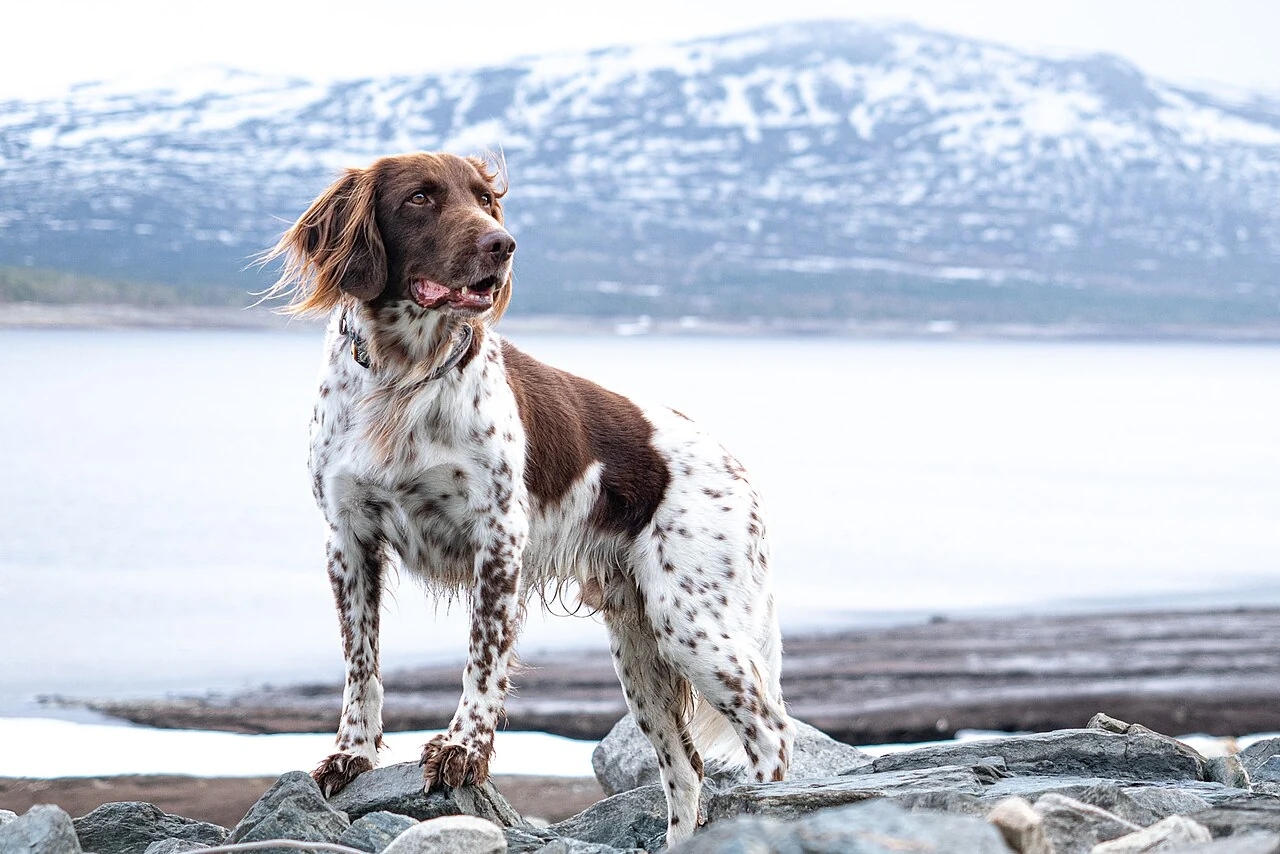
At a glance
- Size
- Medium
- Height at shoulder
- 50 to 56 cm
- Lifespan
- 12 to 14 years
- Activity
- High
- Grooming
- Weekly
- Training
- Patience & clear guidance
- Owner experience
- Experience recommended
Close to its people and persistent in the field
Many Small Munsterlanders enjoy working with their handler and staying close to their people at home. Outdoors, they also have a strong interest in scents, movement and game. The Verband für Kleine Münsterländer, the German parent organisation, oversees breeding specifically for hunting work. When looking for a puppy, ask early about the parents' work and what the breeder expects of the dog's future home.
A friendly greeting tells you little about how the dog will respond to a running hare. Recall, waiting and checking in with you should be taught in small steps from the beginning. In areas with wildlife, a long training line on a well-fitting harness can provide room to move while keeping the dog secured. Moving to off-lead exercise should depend on reliability in that particular setting and the local rules.
It can be affectionate company for children when adults supervise interactions and make time for the dog to rest. Living with cats depends greatly on the individual animals and their experiences. Separate spaces should be planned for rabbits, birds and other small pets. Repeated chasing or crowding should be discussed early with a breed-experienced professional.
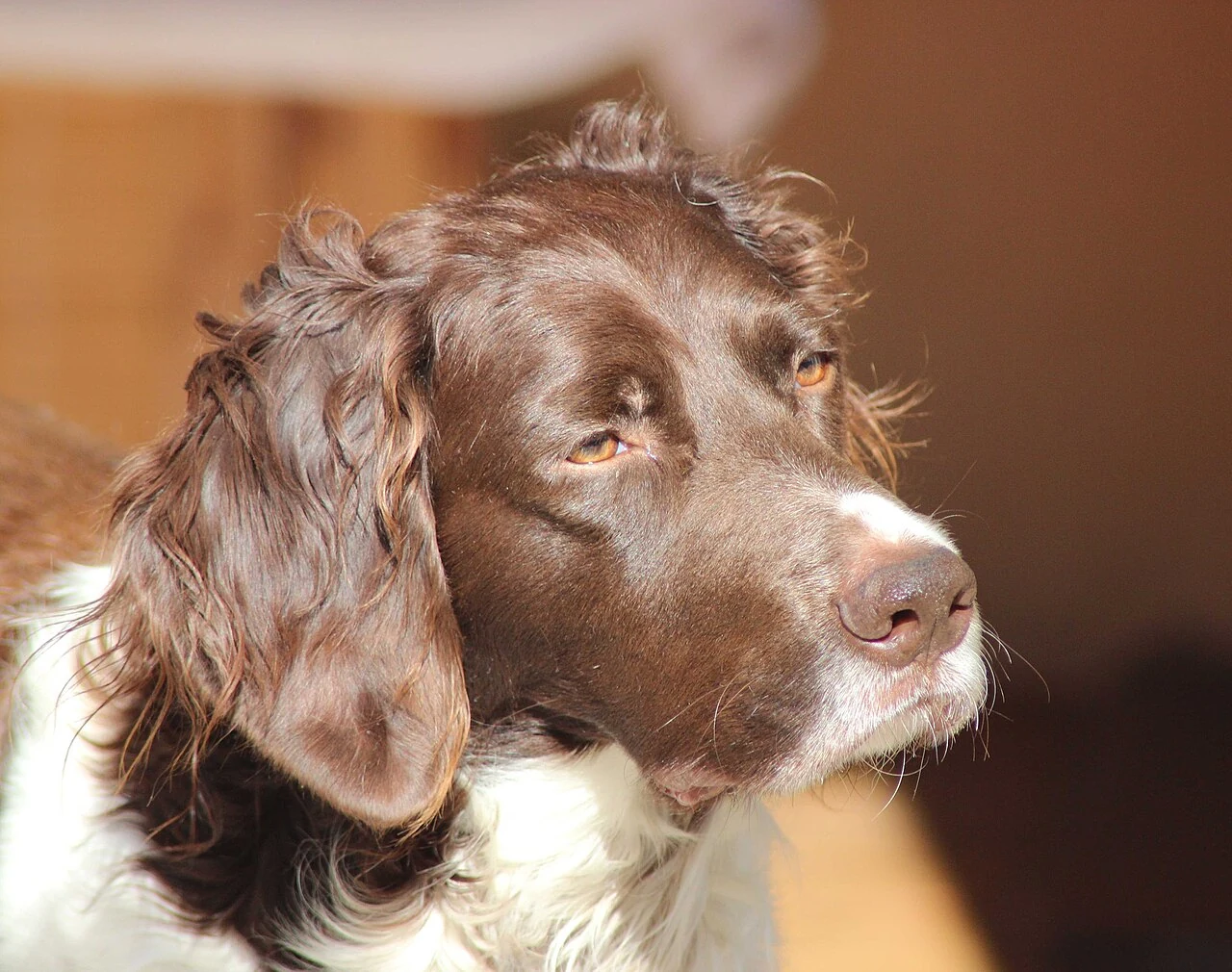
Everyday life
Field work includes finding and indicating game, as well as retrieving found or shot animals. These abilities develop through inherited tendencies and training. Even a puppy that shows enthusiasm for hunting needs patient teaching. An experienced instructor should build exercises that help dog and handler learn to work well together.
If you do not hunt, discuss whether your planned activities suit this breed with experienced professionals before getting a dog. The American Kennel Club mentions searching and retrieving activities as well as dog sports. For a simple search, a familiar training item can first be placed nearby. Distance and hiding places can be varied later. The item should suit the dog's size, and returning it can be taught using friendly rewards.
Long walks and activities using the nose should alternate with periods of rest. In water, your dog should remain supervised and be able to return safely to the bank. Before swimming, check whether the current and bank allow safe access and an easy way out. At home, it should be part of shared family life. A garden does not replace activities or company. Care during absences and gradually introduced time alone also need planning.
Staying home alone
Dogs learn to stay home alone in small steps. The RSPCA advises no more than four hours at a time. Puppies and dogs that become unsettled when left alone need shorter absences and gradual practice. Arrange someone to care for your dog when you will be away longer.
Everyday dog training: recall, a loose lead and clear communication ↗
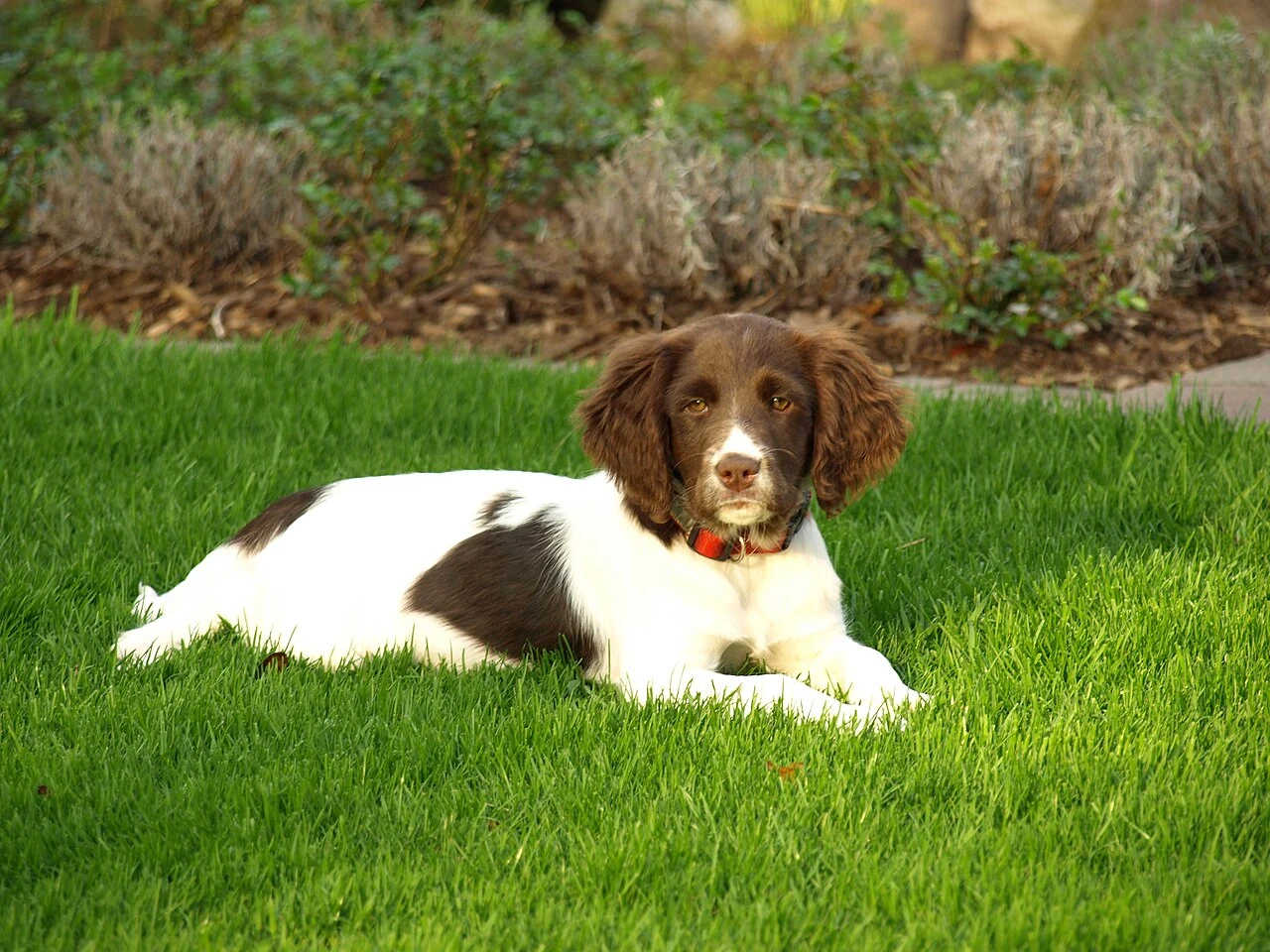
Day-to-day care
The medium-length coat is dense and mostly lies close to the body, with longer hair on the legs, tail and ears. Regular brushing removes loose hair and small tangles, with more grooming often needed during moulting. After outings in rough terrain, paws, coat and ears should be checked for ticks, small injuries and caught plant debris.
Grass awns are pointed parts of some grasses, often with small barbs. They can lodge between the toes or enter skin, ears and eyes. Sudden intense head shaking, a painful eye or a swollen paw warrants veterinary help. Nail length needs regular checks. Toothbrushing with dog toothpaste can be introduced gradually and should ideally become a daily habit.
Size and build
The breed developed in the Münsterland region of Germany. Around 1870, long-haired dogs known for pointing and retrieving game were present there. The Small Munsterlander association was founded in 1912. From 1921, Friedrich Jungklaus's standard gave breeders a shared framework. Details of the breed's earlier origins are not fully established.
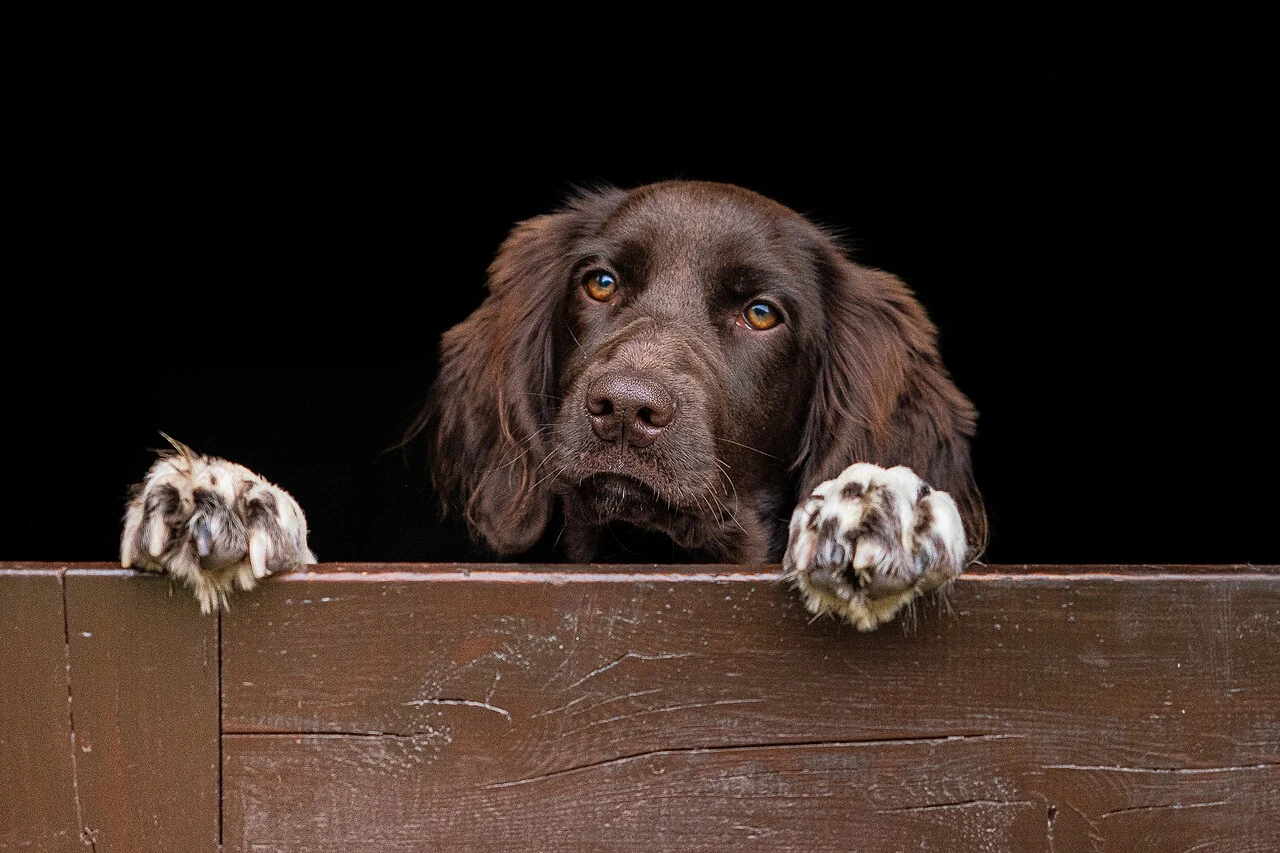
The Fédération Cynologique Internationale, or FCI, is an international federation of national kennel organisations. It lists the breed in Standard No. 102. The specified height at the shoulder is 54 cm for males and 52 cm for females, with a tolerance of 2 cm above or below each figure. Height is measured at the withers, the highest point over the shoulders. The standard does not give a fixed weight range. The body is slightly longer than tall, with drop ears and a long tail.
The coat is brown and white or brown roan, where brown and white hairs are intermingled. Small and Large Munsterlanders are distinct breeds rather than two sizes of one breed. The word “Small” should therefore not be taken to mean limited needs for exercise or activities.
From puppy to senior: caring for your dog through every life stage ↗
Health
You should be able to see both parents' health records when choosing a puppy. The American Kennel Club lists hip and elbow assessments among recommended checks for breeding dogs. Known illnesses in related dogs should also be discussed openly. Specific examination results help you form a clearer picture of the dog’s health.
Hip dysplasia is abnormal development of the hip joint that can cause joint looseness, pain and arthritis. Elbow dysplasia covers developmental abnormalities of the elbow joint. Both can cause lameness. A dog that seems stiff only after longer activity, or suddenly becomes less enthusiastic about working, should be examined by a vet too.
Food portions should reflect actual workload and body condition. Needs may differ between demanding working periods and quieter weeks. Vaccination and parasite prevention should be planned with your vet for the region, travel and the dog's activities. The American Kennel Club gives a lifespan of 12 to 14 years. This is a breed figure rather than a prediction for an individual dog.
Could this breed fit your life?
Could work well if …
- You want a versatile gundog and can combine training, exercise and close cooperation in daily life.
- You have discussed with breed-experienced professionals whether your planned activities can meet the dog’s needs.
- You can arrange family company, dependable care and protection for small household pets.
What to consider
- The breed is specifically bred for field work. The breeder’s expectations and your daily plans should fit together.
- Hunting instincts call for secure exercise and recall training. Small pets should have separate living spaces.
- Both parents’ hip and elbow assessments and known illnesses in related dogs should be clear before choosing a puppy.
Similar needs, different dogs.
Selected by shared size, activity, grooming and training characteristics.
Swiss cattle and watchdog
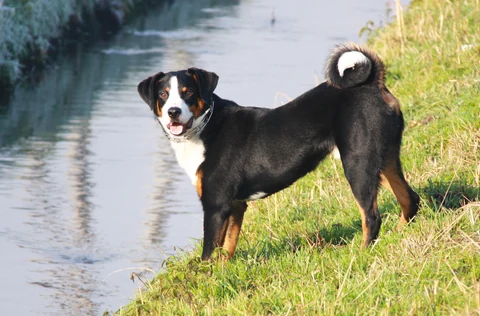
Appenzeller Mountain Dog
The Appenzeller Mountain Dog is easy to recognise by its tricolour coat and tightly curled tail. Behind that cheerful appearance is an attentive Swiss working dog. It enjoys activity, learns quickly and notices changes around it. This breed suits people who want to spend time outdoors with their dog every day and can help it cope calmly with visitors and events at home.
Austrian farm and companion dog
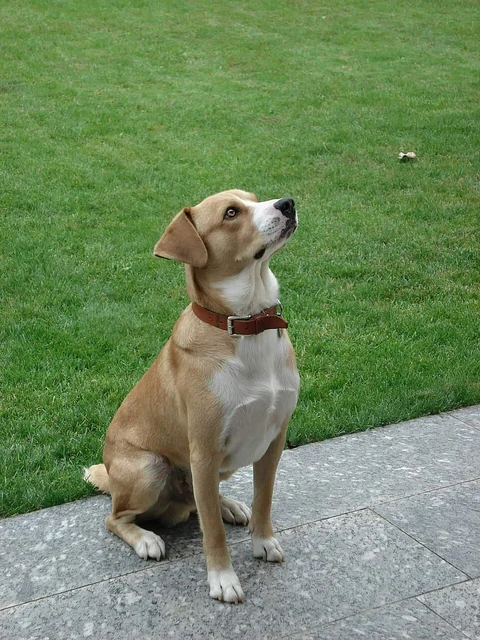
Austrian Pinscher
The Austrian Pinscher is a lively farm dog that enjoys accompanying familiar people and notices visitors attentively. Its short to medium-length coat is relatively straightforward to maintain. Exercise, shared activities and calm guidance of its guarding behaviour require more time. Meeting adult dogs helps show whether its watchfulness and temperament could suit your daily life.
Hound
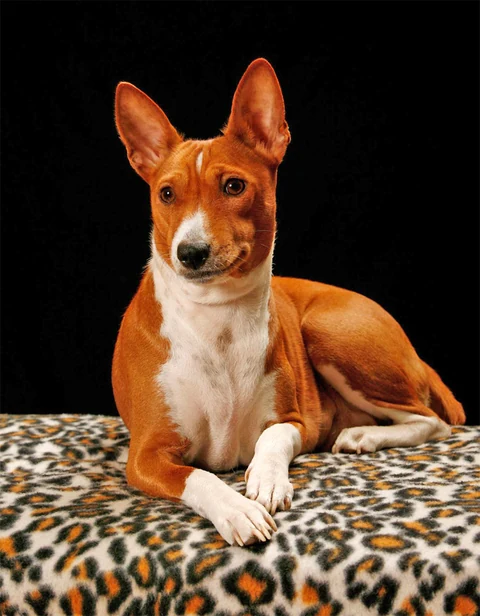
Basenji
The Basenji rarely barks but can make yodelling sounds. Outside, it may follow a scent or moving animal at speed, so off-lead running calls for secure fencing.
Sources and photograph credit
- Teaching your dog to be left alone
Used in this profile for: Staying home alone
- Elbow dysplasia
Used in this profile for: Health
- Canine hip dysplasia (CHD)
Used in this profile for: Health
- Presentation of our organisation
Used in this profile for: Size and build
- Dental disease in dogs
Used in this profile for: Day-to-day care
- Grass seeds in dogs
Used in this profile for: Day-to-day care, Health
- Grooming and bathing pets
Used in this profile for: Day-to-day care
- Teaching your dog to be left alone
Used in this profile for: Everyday life, Could this breed fit your life?
- Training your dog
Used in this profile for: Everyday life
- Small Munsterlander
Used in this profile for: Temperament, Everyday life, Day-to-day care, Health, Lifespan, Could this breed fit your life?
- Der Kleine Münsterländer
Used in this profile for: Temperament, Everyday life, Size and build, Could this breed fit your life?
- Kleiner Münsterländer, FCI Standard No. 102
Used in this profile for: Size / Weight, Temperament, Day-to-day care, Size and build, Could this breed fit your life?
Photo credits
Portrait · Filou vom Stanserhorn der kleine Münsterländer.jpg · NicoleImboden · CC BY-SA 4.0 · Edited

Coat and features · Münsterländer klein.jpg · Lunaloop · CC BY-SA 4.0 · Edited

Puppy · Kleiner Münsterländer - Welpe.jpg · Ventus · CC BY-SA 3.0 · Edited

Everyday life · Leija - Kleiner Münsterländer.jpg · NicoleImboden · CC BY-SA 4.0 · Edited
