fellfolio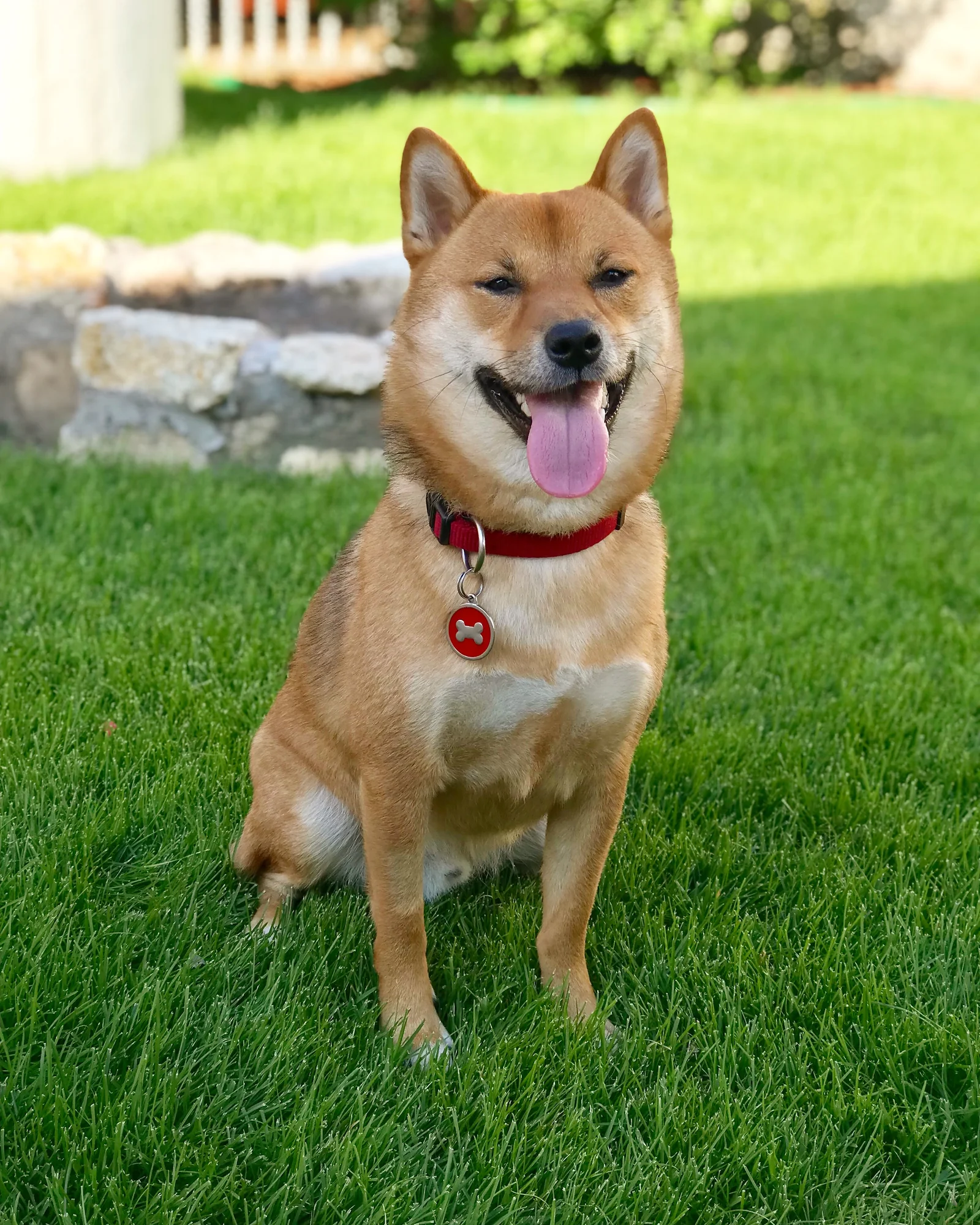
Terrier
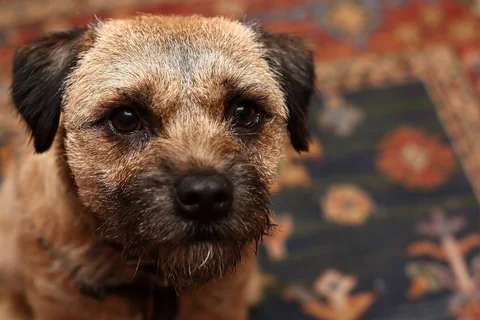
Border Terrier
A small, hardy terrier with a strong appetite for activity. It loves sniffing, digging and games, but a whiff of wildlife can put recall to the test.
Japanese hunting spitz
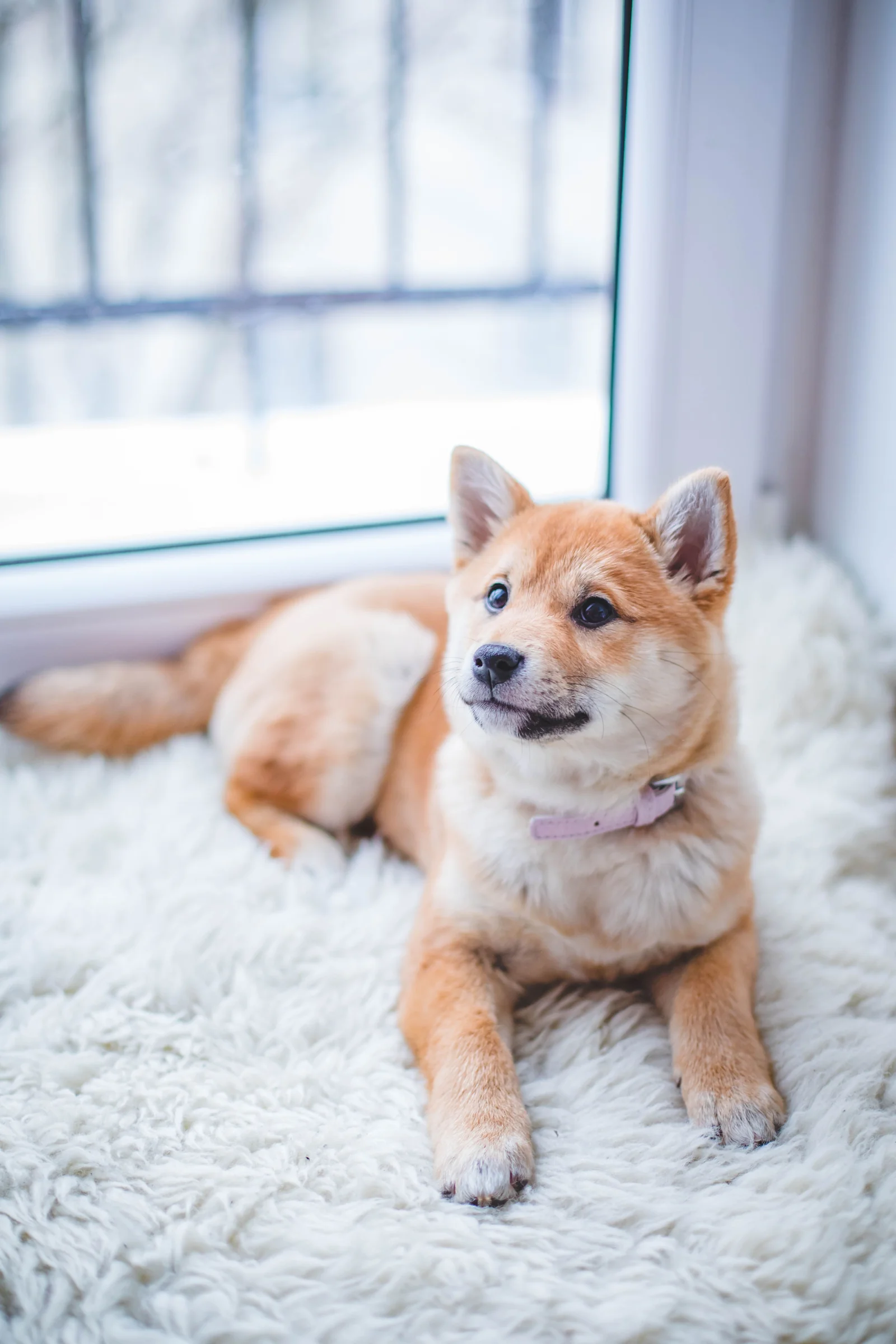
A small, sturdy hunting spitz from Japan, alert and independent. Its pointed ears and curled tail catch the eye; daily life calls for secure walks, patient training and regular coat care.
In Japan, the Shiba Inu was bred to hunt small game birds. Outdoors, movement and scents can quickly capture its attention. It bonds with familiar people but may keep its distance from strangers. Let a visitor give the dog time to settle instead of insisting on a greeting. The Shiba can approach when it is comfortable.
Brief lessons and worthwhile rewards help in training. Practise recall indoors first: call the dog to you once, step back and reward it as soon as it comes. Add distractions gradually. Shibas can learn well, but an interesting scent outdoors may be more compelling than a tenth repetition.
The Royal Kennel Club lists the breed's exercise needs as up to an hour a day. An adult Shiba benefits from regular walks with time to sniff. Finding a familiar toy or a few treats in grass adds variety. Keep a puppy's outings short and match activity to age, weather and fitness.
Because of the breed's hunting interest, the American Kennel Club recommends off-lead running only in securely enclosed areas. Use a lead on woodland or town walks; a longer lead attached to a well-fitting harness allows more exploration where space is safe. At home, give the dog a quiet place where children and visitors leave it undisturbed. In families with young children, adults should guide interactions and protect that quiet space. Introduce other animals with room and brief calm meetings rather than putting them together suddenly.
Being alone needs gradual practice. The RSPCA advises no more than four hours at a time; puppies and some adults need much shorter intervals. Arrange company during longer absences.
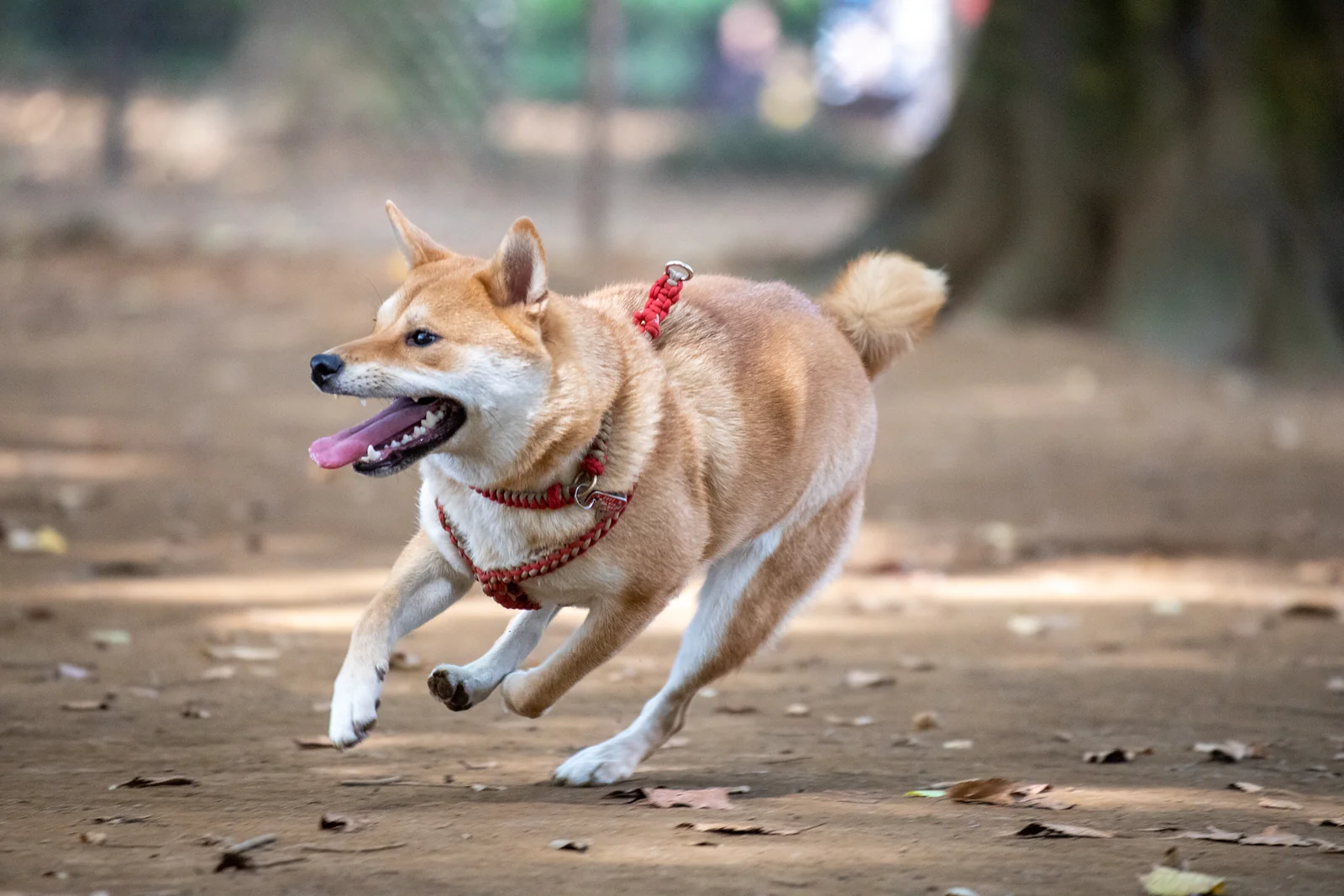
The Shiba has a short, firm outer coat over a dense, soft undercoat. Weekly brushing is usually enough between moults, according to the Royal Kennel Club. During a coat change, much more loose undercoat comes away. Brush more often then, working gently through the coat without scraping the skin. The double coat has its own protective structure; routine clipping is not normal care for this breed.
Teach the dog from an early age to accept gentle handling of its feet, ears and mouth. That makes checking or trimming nails less stressful. Repeated ear scratching, unusual odour or redness need a vet's attention. After walks through long grass, check between the toes for seeds, minor injuries and ticks.
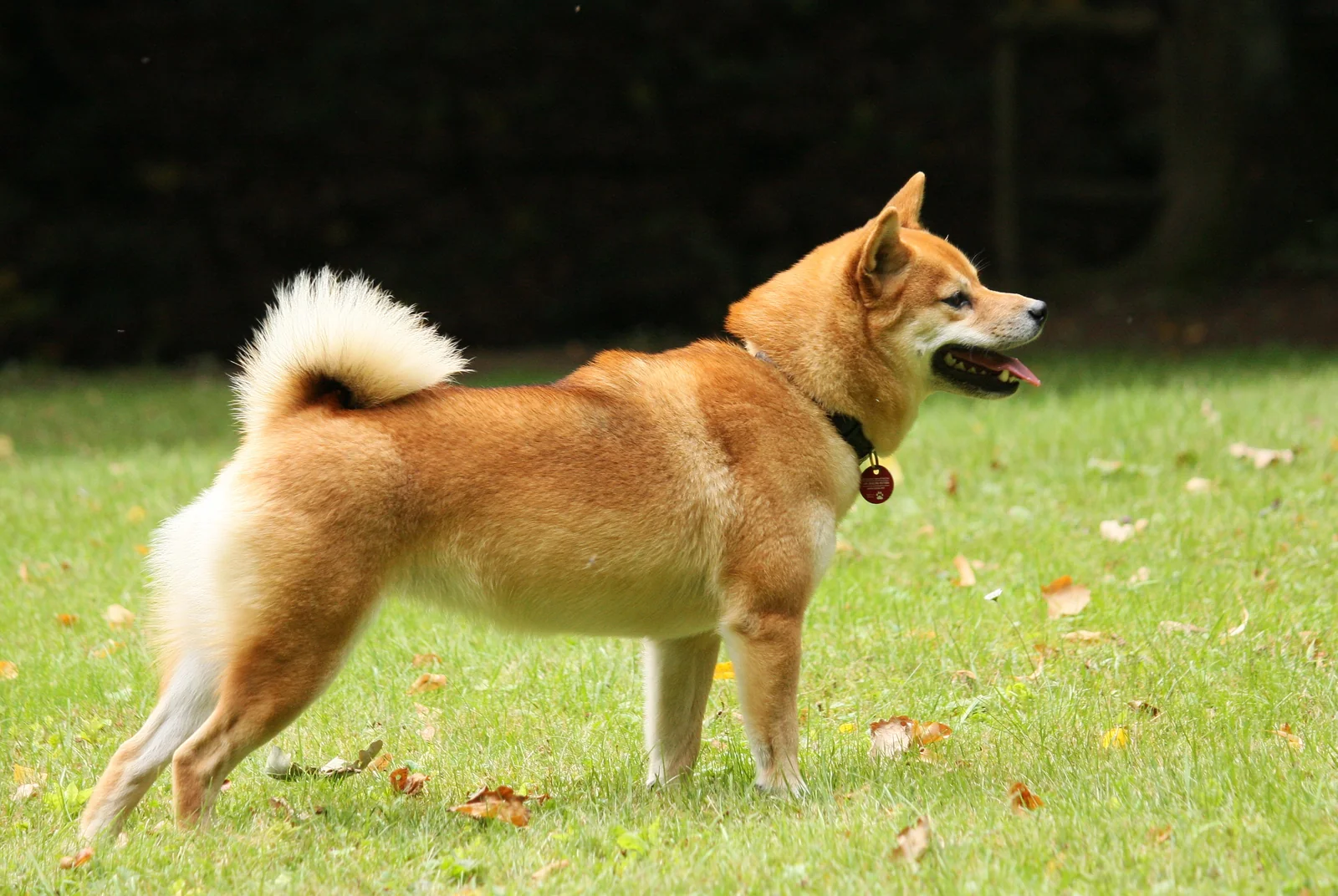
The Shiba is a compact, strong spitz, just a little longer than it is tall. It has a broad head tapering to the muzzle, small triangular ears and dark almond-shaped eyes. Its chest is deep, and its back and legs look sturdy. The high-set tail curves or curls over the back. Movement should be light and quick. A straight, firm outer coat covers a dense undercoat.
The British standard gives an ideal shoulder height of around 39.5 cm for males and 36.5 cm for females, with 2 cm either way. The American Kennel Club gives a broad weight guide of about 8 to 10.5 kg. Red, red-sesame and black-and-tan Shibas have distinctive light markings on the face, chest and underside. This pale coat is called urajiro. Comfortable body condition and easy movement matter more for an individual dog than the tightest tail curl or deepest red coat.
The Royal Kennel Club recommends eye screening that includes an assessment of the eye's drainage angle. The angle check can identify abnormalities linked to inherited glaucoma. A suddenly red, painful or tightly closed eye needs urgent veterinary care because high pressure inside the eye can damage vision quickly. Ask a breeder to show you both parents' eye results.
Hip screening is also on the British recommendations. The American breed club additionally advises checks of breeding dogs' kneecaps. Ask for the actual results, particularly if close relatives have had lameness. The British recommendations also include DNA tests for two inherited storage diseases, GM1 and GM2. A breeder should be able to explain which tests were done and what the results mean for the planned litter.
Selected by shared size, activity, grooming and training characteristics.
Terrier
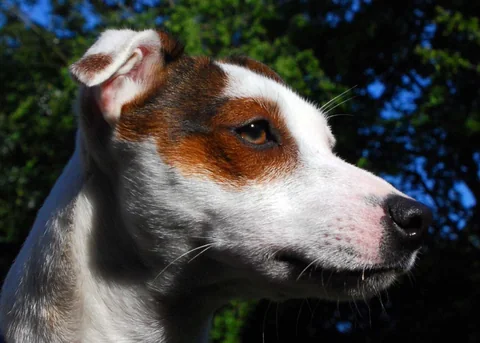
A small, hardy terrier with a strong appetite for activity. It loves sniffing, digging and games, but a whiff of wildlife can put recall to the test.
Terrier
A tough little hunting terrier that likes to run, search and work with its person. Small size does not mean small needs.
Terrier
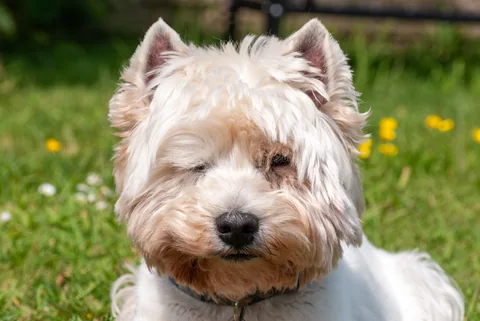
A small, sturdy terrier who enjoys exploring with its people and keeps a close eye on its surroundings. The white double coat needs regular care.
Portrait · MrSilesian · CC BY-SA 4.0 · Edited
Side view · Maja Dumat · CC BY 2.0 · Edited
In action · whity · CC BY 2.0 · Edited