 fellfolio
Large Spanish livestock guardian with a white coat
Pyrenean Mastiff
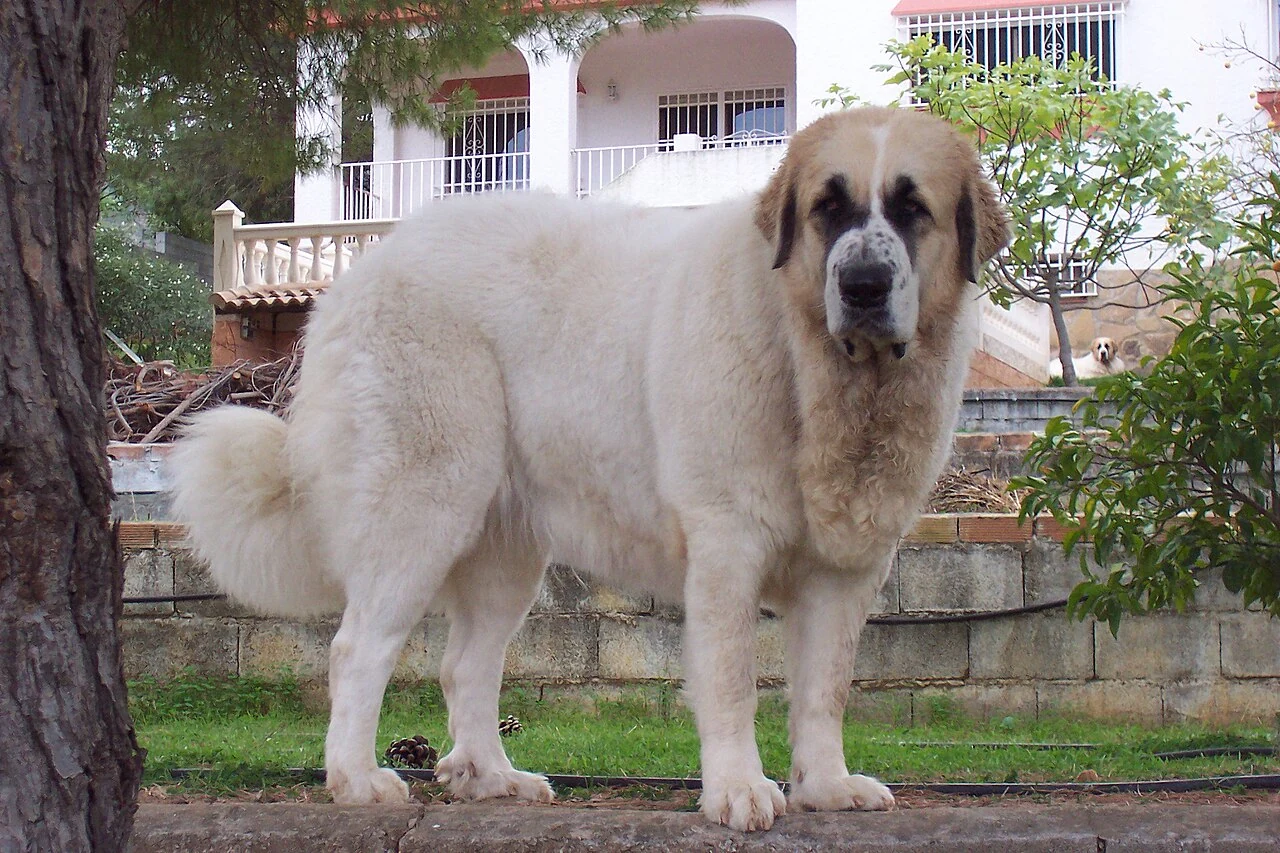
The Pyrenean Mastiff is a very large Spanish livestock guardian with a white coat, coloured mask and powerful body. It is often friendly with its family while remaining alert to unfamiliar activity. Ample room, thorough grooming and calm, reliable handling are particularly important for its care.
At a glance
- Size
- Large
- Lifespan
- 10 to 12 years
- Activity
- Moderate
- Grooming
- Several times weekly
- Training
- Patience & clear guidance
- Owner experience
- Experience recommended
A substantial flock guardian from the Spanish Pyrenees
The Pyrenean Mastiff guarded flocks in the Spanish Pyrenees. Its work involved protecting sheep from wolves and bears. Size, courage and the ability to assess a situation independently were valuable for that task. It is a distinct Spanish breed and should not be confused with the French Pyrenean Mountain Dog.
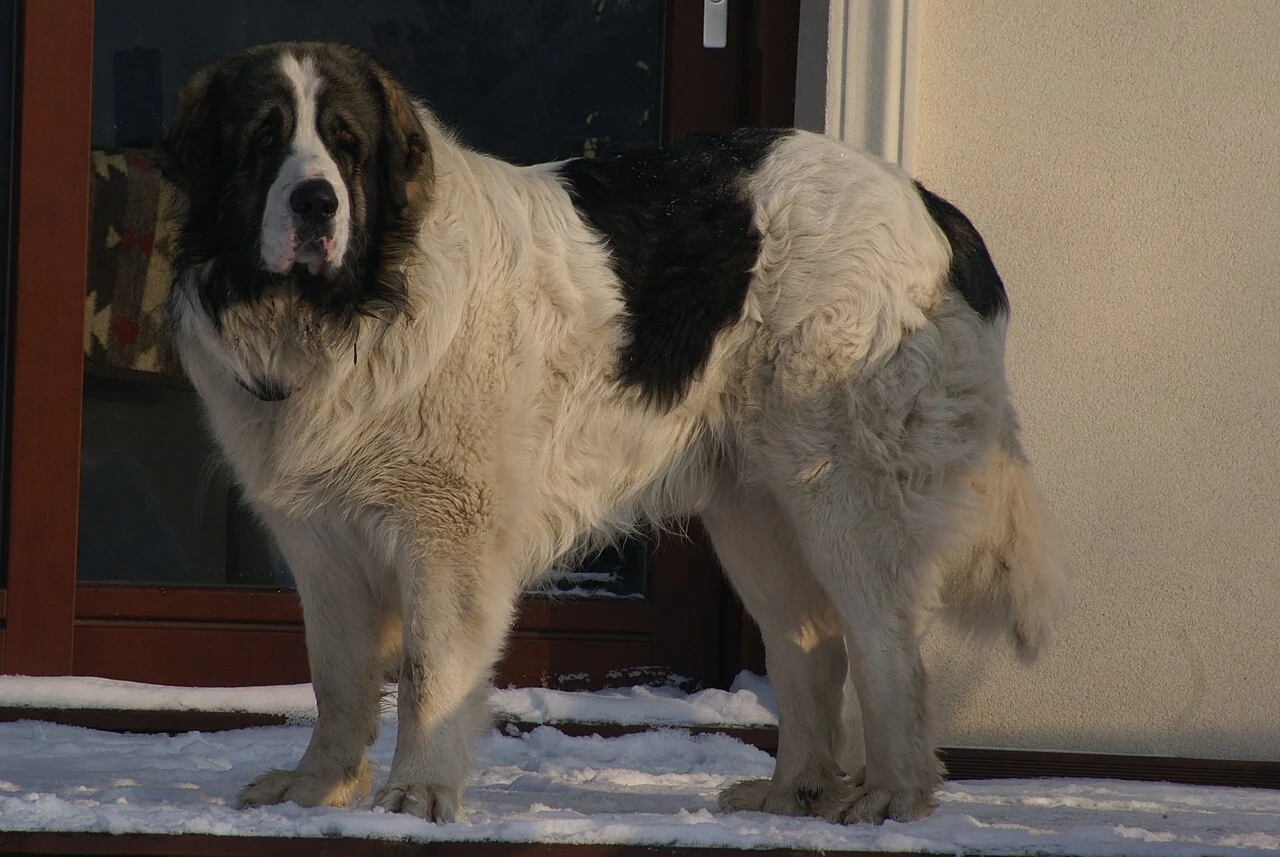
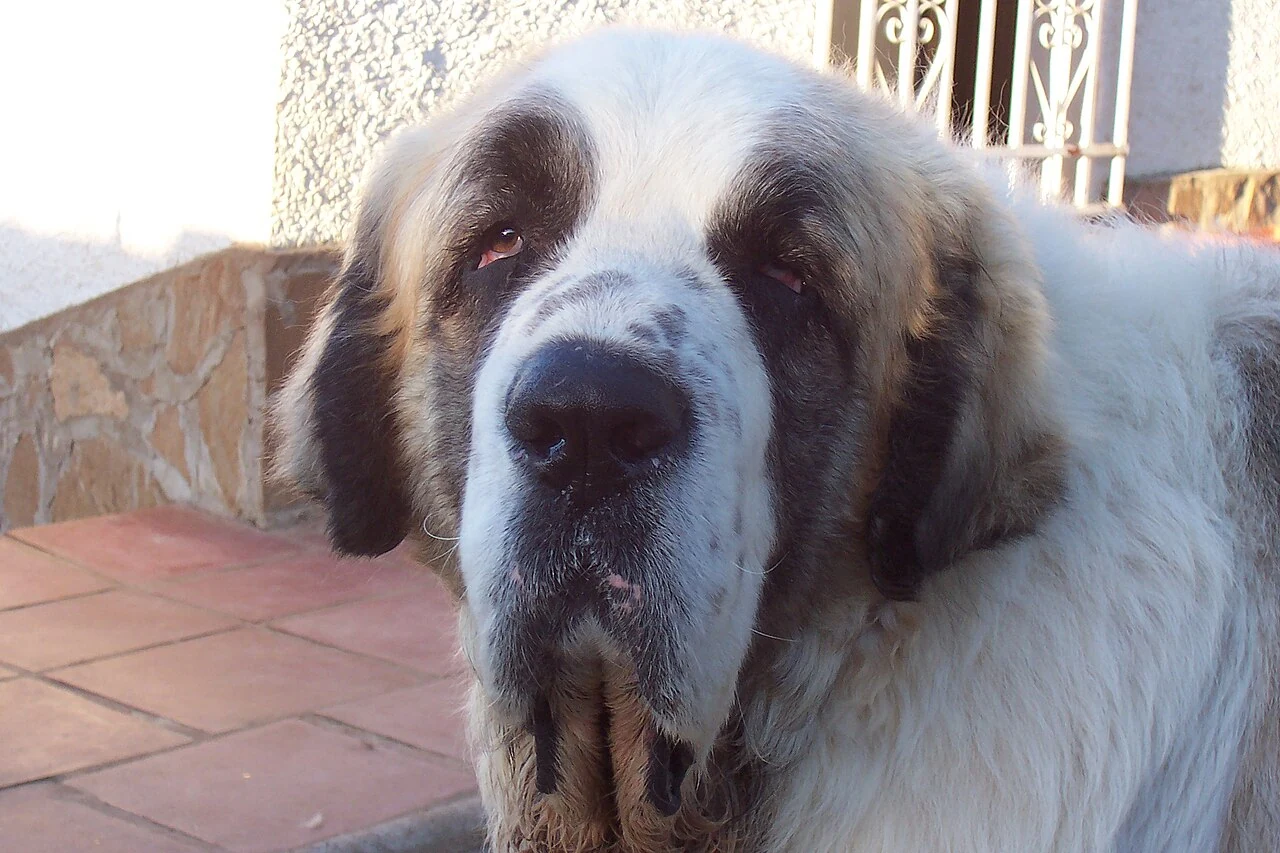
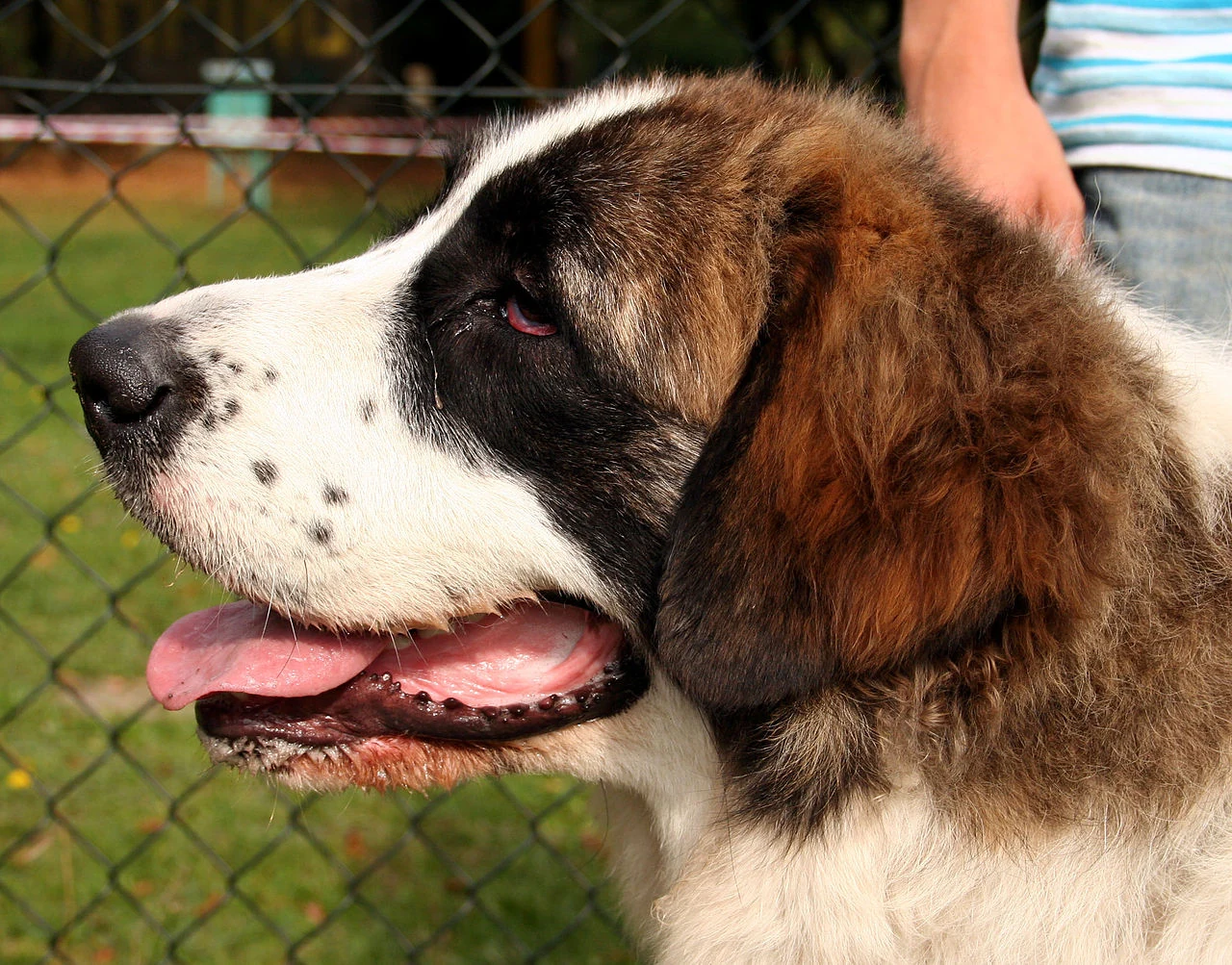
The white coat has a coloured facial mask and often further patches on the body. Hair is medium in length, with longer areas around the neck, legs and tail. The international standard gives minimum shoulder heights of 77 centimetres for males and 72 centimetres for females. More than 81 centimetres for males and more than 75 centimetres for females are preferred. There is no fixed upper limit.
Many Pyrenean Mastiffs are calm and friendly with familiar people. They can still become more watchful around unfamiliar activity. A suitable home should therefore allow calm visitor introductions and separation from the entrance when needed. An adult should supervise children with the dog. A friendly dog with so much body mass can still knock a child over during play.
Everyday life
A healthy adult Pyrenean Mastiff may enjoy walks and leisurely hikes. The pace should suit its fitness and the conditions along the route. Time to explore scents and take breaks belongs in the outing. At home, small searches or brief training exercises provide shared activity without making every session physically demanding.
Training works best when the task is introduced clearly. To practise waiting before a door, a brief calm moment can be rewarded first. Opening the door can be added later. Walking on a loose lead is worth teaching early because of the dog’s size. Anyone walking it should be able to handle the dog safely during encounters.
A secure routine requires enough indoor space and a sturdy fenced outdoor area. A dog of this size should be able to get up, turn and stretch out without squeezing through narrow passages. Anyone providing temporary care should already know its behaviour with visitors and other dogs. A Fellfolio handover can present familiar routes, grooming routines and important contacts clearly.
Staying home alone
Dogs learn to stay home alone in small steps. The RSPCA advises no more than four hours at a time. Puppies and dogs that become unsettled when left alone need shorter absences and gradual practice. Arrange someone to care for your dog when you will be away longer.
Everyday dog training: recall, a loose lead and clear communication ↗
Day-to-day care
The dense coat should have a thorough brush at least once a week. Knots can form on the hind legs, belly and behind the ears. A comb helps find them early. Seasonal shedding brings plenty of loose undercoat. Additional short sessions make it easier to remove that hair gradually.
After rain or a bath, the coat should dry all the way to the skin. Undercoat that remains damp for a long time can leave the skin irritated. Loose skin around the neck should also be checked for dirt and moisture. Nails need regular checks, including any extra dewclaws on the hind legs. These may not wear down sufficiently while walking.
Brushing with dog toothpaste and calm paw handling can be introduced gently during puppyhood. Small, rewarded steps are more useful than a lengthy session the dog struggles to tolerate. Red skin, painful mats or recurring ear problems should be assessed professionally.
Size and build
A young Pyrenean Mastiff needs time to develop physically. Short walks, exploration and play at its own pace suit a puppy. Repeated high jumps and prolonged forced running should be avoided during growth. Food suitable for large breed puppies and checks of body condition help support that development.
It should meet new people and dogs in calm situations. Lead walking, waiting and grooming routines are worth practising while it is still easy to handle. Familiar exercises can later be used beyond the garden with gradually increasing difficulty.
Shorter outings and indoor floors with good grip may become helpful in later life. Less enthusiasm for movement or trouble getting up should be investigated. The American breed club and the American Kennel Club give ten to twelve years as a guide to life expectancy.
From puppy to senior: caring for your dog through every life stage ↗
Health
The American breed club recommends hip, elbow and heart assessments and a DNA test for a variant associated with degenerative myelopathy. This condition damages the spinal cord and can progressively affect walking. DNA testing identifies a genetic risk variant and informs breeding decisions. The result alone does not establish whether a dog will develop the condition. Unsteady walking should be assessed by a vet, as other diseases can cause similar signs. Before choosing a puppy, you should ask for an explanation of its parents’ results.
Hip dysplasia means that the hip joint is not stable enough. It can lead to pain and arthritis. Weight and exercise should suit the dog’s development. A vet can explain how to recognise suitable body condition and which changes in movement need investigation.
Gastric dilatation and volvulus, often called a twisted stomach, is another important emergency in very large dogs. A stomach filled with gas can rotate and impair blood circulation. Unproductive retching, unusual restlessness or a suddenly tense abdomen need immediate veterinary help. Fellfolio can keep emergency contacts, previous results and current medication together. Regular weights and observations add useful information for later veterinary appointments.
Could this breed fit your life?
Could work well if …
- You want a very large dog and can handle it safely in daily life.
- You have space for a generous resting area and a securely fenced garden.
- You can reliably provide grooming, suitable care and the costs of keeping it.
What to consider
- Its watchfulness should be considered when arranging visitors and encounters.
- Weight and size make cramped spaces and unsuitable care arrangements difficult.
- The dense coat requires thorough grooming and careful drying after it becomes wet.
Similar needs, different dogs.
Selected by shared size, activity, grooming and training characteristics.
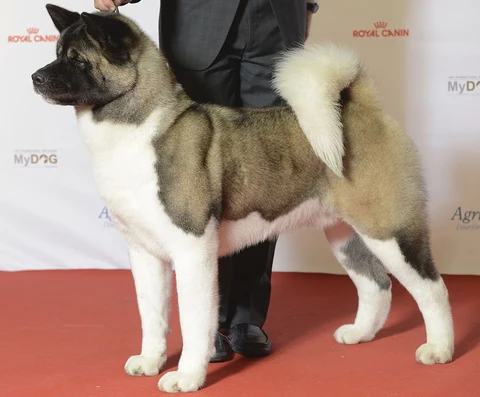
Large companion with Japanese roots
American Akita
The American Akita is a large, powerful dog with a broad head, upright ears and a dense coat. It can be deeply attached to its family while being less comfortable around unfamiliar dogs. Experienced handling and thoughtful arrangements for walks, visitors and temporary care are important.
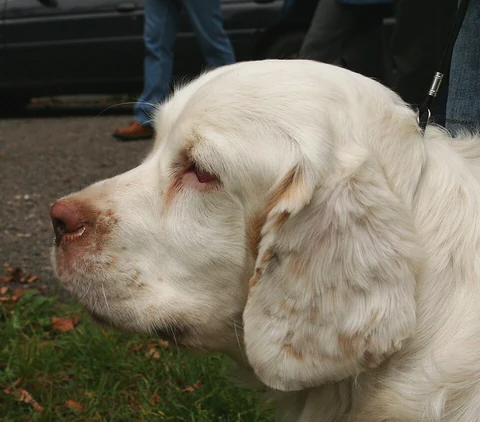
Flushing spaniel
Clumber Spaniel
The Clumber is the heaviest spaniel: low, long and strong, with a white coat and an excellent nose. It often seems relaxed at home yet follows outdoor scents with persistence.
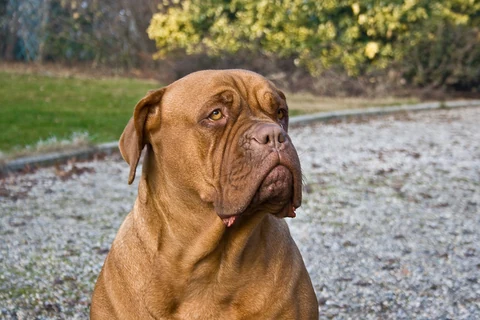
Powerful French companion with a watchful nature
Dogue de Bordeaux
The Dogue de Bordeaux is a powerful French dog with a short coat and broad head. It often seeks close contact with its people and can be a watchful guardian. Its considerable strength and the health burdens associated with its build and short face deserve careful attention before acquiring one.
Sources and photograph credit
- Teaching your dog to be left alone
Used in this profile for: Staying home alone
- Gastric Dilatation Volvulus
Used in this profile for: Health
- Canine Hip Dysplasia
Used in this profile for: Health
- Degenerative myelopathy
Used in this profile for: Health
- Ear problems in pets
Used in this profile for: Day-to-day care
- Grooming and bathing pets
Used in this profile for: Day-to-day care
- Exercising your puppy
Used in this profile for: Size and build
- Pyrenean Mastiff
Used in this profile for: Temperament, Everyday life, Day-to-day care, Size and build, Health, Lifespan, Could this breed fit your life?
- Pyrenean Mastiff Health Statement 2024
Used in this profile for: Health, Lifespan
- Pyrenean Mastiff, FCI Standard No.92
Used in this profile for: Size / Weight, Temperament, Everyday life, Day-to-day care, Size and build, Health, Could this breed fit your life?
- Children and Dogs
Used in this profile for: Temperament, Could this breed fit your life?
- Dog dental care
Used in this profile for: Day-to-day care
- Train Your Dog to Come When Called
Used in this profile for: Everyday life
- Training your dog
Used in this profile for: Everyday life, Size and build, Could this breed fit your life?
Photo credits
Portrait · Bachata.jpg · Otaula · Public domain

Side view · Pirenej.JPG · Jacekjarz · CC BY-SA 3.0 · Edited

Coat and features · Masif pirenejski profil 979.jpg · Pleple2000 · CC BY-SA 3.0 · Edited

Everyday life · Ivanhead.jpg · Otaula · Public domain
