 fellfolio
Herding dog
Pumi
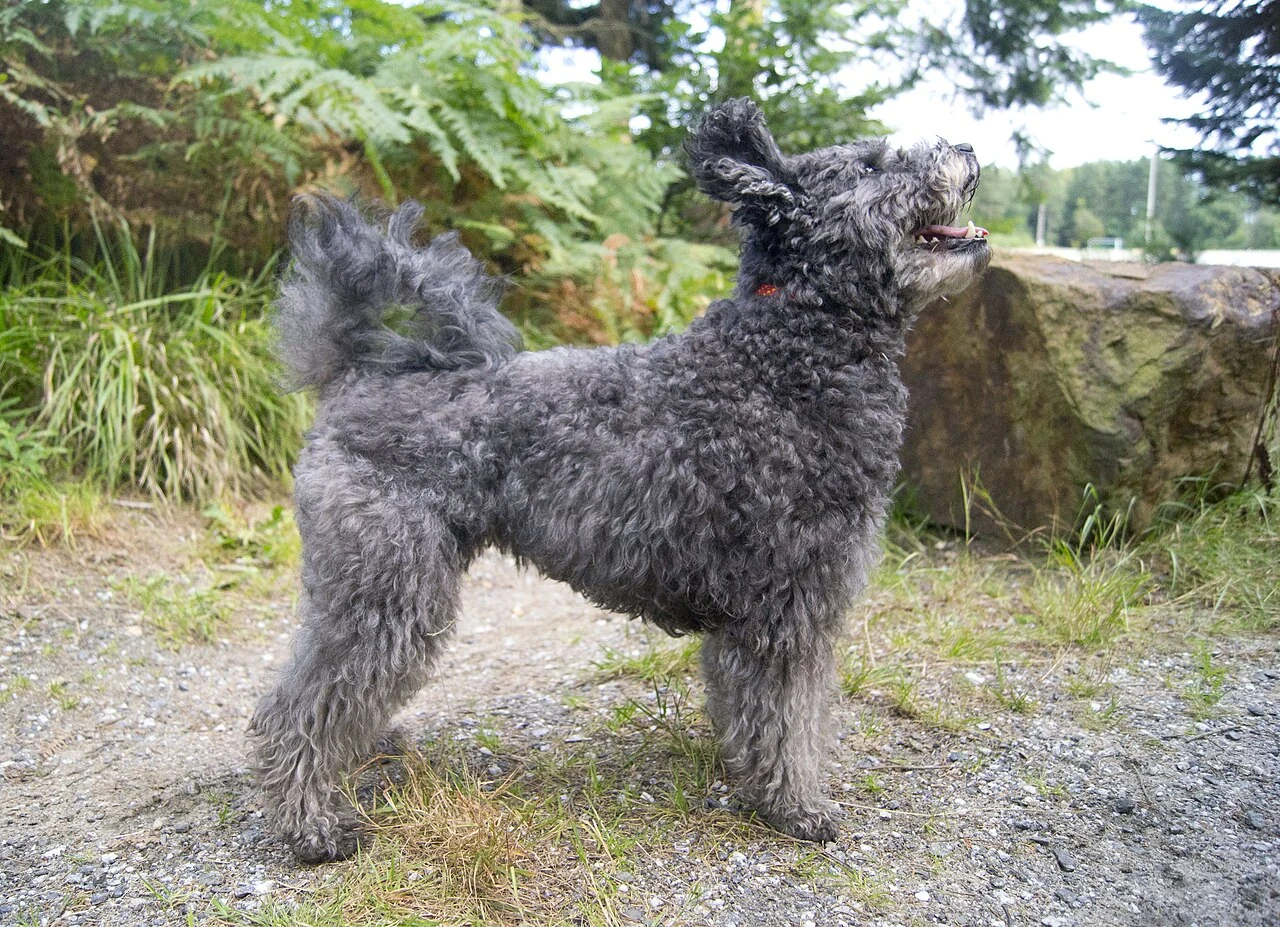
Curly tufts and ears that tip forwards give the Pumi a distinctive outline. This agile Hungarian herding dog often enjoys being involved in what its people are doing. A home with shared activities, thoughtful training and time to rest can suit it well.
At a glance
- Size
- Medium
- Height at shoulder
- 38 to 47 cm
- Weight
- 8 to 15 kg
- Lifespan
- over 12 years
- Activity
- High
- Grooming
- Several times weekly
- Training
- Patience & clear guidance
- Owner experience
- Experience recommended
Alert, agile and keen to join in
The Pumi developed through Hungarian herding-dog breeding. During the 17th and 18th centuries, Puli were crossed with other European dogs, from which the Pumi later emerged. The FCI, the international organisation that publishes breed standards, describes a herding dog with terrier-like features. That description refers to its appearance and original work, rather than classifying it as a terrier breed. Pumi and Puli are also separate breeds. A Pumi has wavy or curly tufts rather than a long corded coat.
Many Pumi notice changes around them quickly and announce unfamiliar events by barking. A visitor on the stairs or a dog starting to run may become more interesting than the person holding the lead. You can reward your dog for turning towards you after noticing a distraction. Begin at a distance where it can still respond calmly. There is little benefit in making the first attempt in the middle of a busy crowd.
An energetic herding dog does not need to greet everyone. A reserved Pumi should have time to watch new visitors before approaching. An adult should supervise play with children, particularly when running and excited voices make the dog more animated. Introductions to cats or other dogs should be calm and carefully arranged. Previous experiences and the behaviour of each animal matter when judging how they might live together.
Everyday life
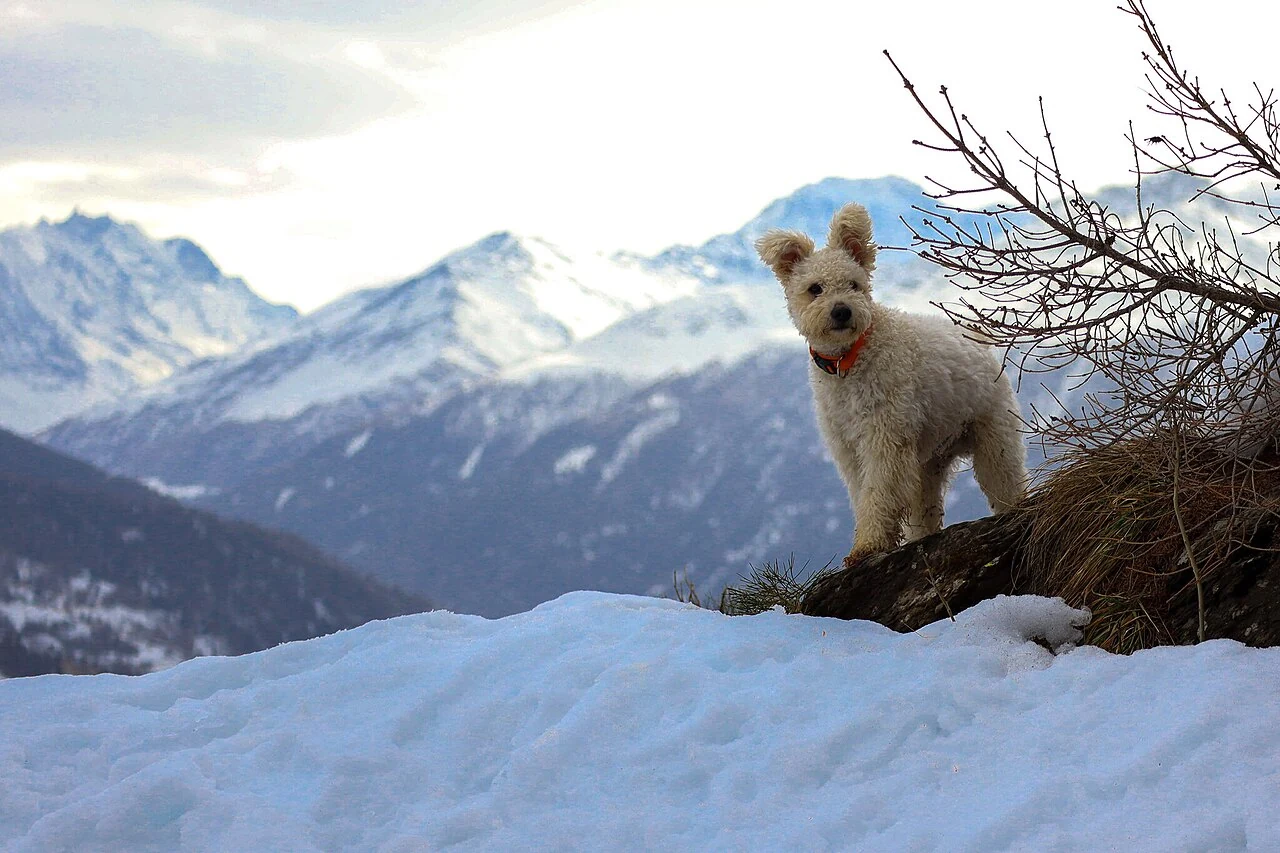
A varied walk offers plenty to explore: a different route, time to sniff somewhere quiet and an occasional task to work out together. For a searching game, you could start by placing a familiar toy where it is easy to see. Once your dog understands the game, you can hide it behind a log. This gives you something enjoyable to do together without relying on repeated ball throwing.
Suitable adult dogs may also enjoy dog sports or supervised herding. Agility involves following an obstacle course, while scent work teaches a dog to search for particular smells. The activity should suit the individual dog’s health, training and interests. A young Pumi should not practise demanding jumps and tight turns simply because it looks athletic.
At home, a resting place away from doors and windows may help a dog that frequently barks in response to noises there. Quiet periods should be part of the day as well. Time alone needs to be introduced gradually. Persistent barking or restless pacing during a separation suggests that the training needs an easier starting point. If someone else will be caring for your dog, you should note suitable walking routes, resting times and familiar cues. These help the carer follow routines your dog already knows.
Staying home alone
Dogs learn to stay home alone in small steps. The RSPCA advises no more than four hours at a time. Puppies and dogs that become unsettled when left alone need shorter absences and gradual practice. Arrange someone to care for your dog when you will be away longer.
Everyday dog training: recall, a loose lead and clear communication ↗
Day-to-day care
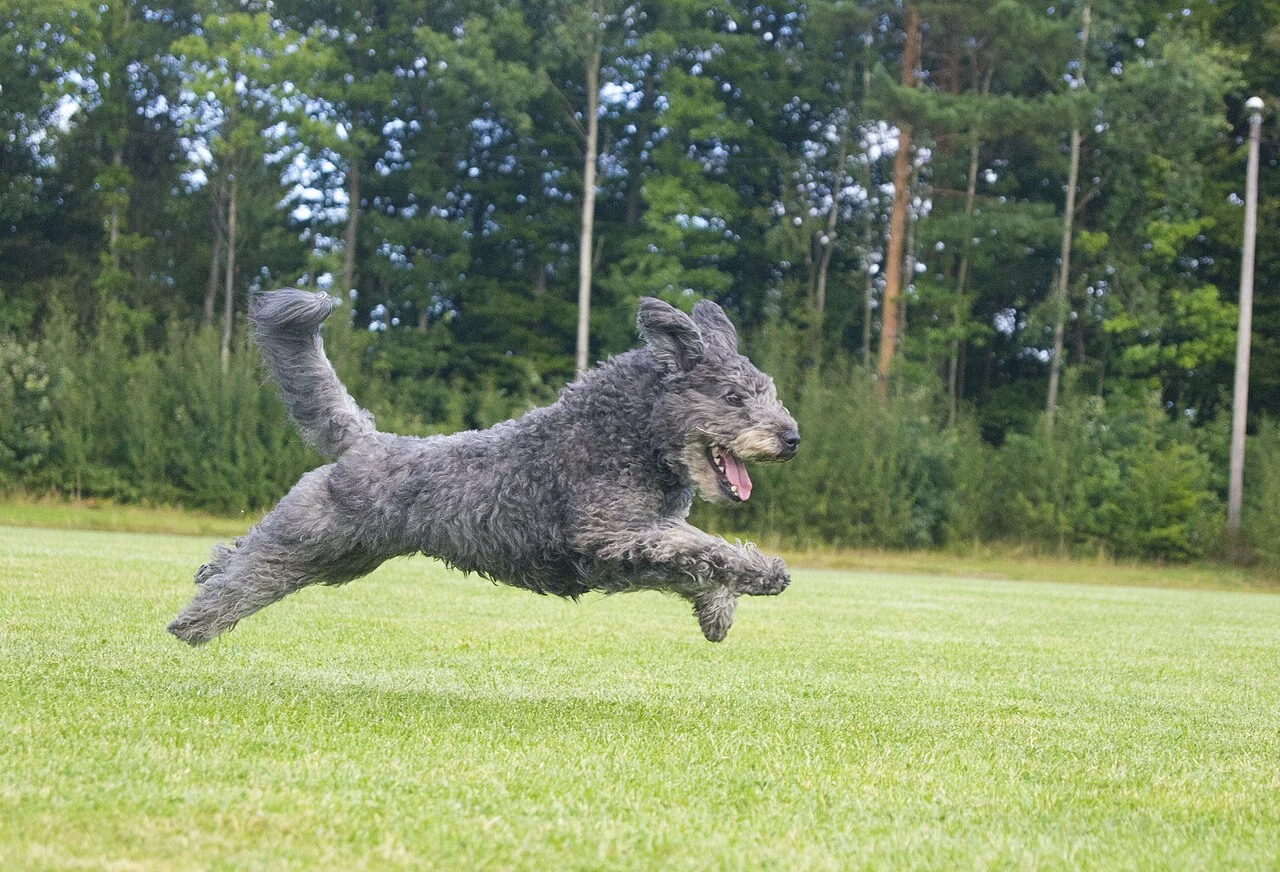
A Pumi coat mixes softer and stronger hairs that form waves and curls. Combing should reach the hair close to the skin. Brushing only the visible curls can leave tangles underneath unnoticed. The Hungarian Pumi Club of America describes care that includes thorough detangling, wetting or bathing and appropriate trimming. How often this is needed depends partly on coat length and the dog’s age.
A groomer familiar with the breed or an experienced breeder should show you how to comb small sections without pulling. For a family dog, grooming should keep the coat clean and free of tangles while allowing the skin to be checked. A puppy’s softer coat may need attention more frequently. Firm mats, painful pulling or reddened skin should be assessed by someone qualified to help.
Several short sessions can make grooming easier to manage. After muddy walks, you should check the paws and coat for dirt. Toothbrushing with dog toothpaste, appropriately trimmed nails and checking the ears complete the routine. Frequent head shaking or an unusual smell from an ear should prompt a veterinary appointment. Finding little hair around the house does not mean that a dog cannot trigger an allergy.
Size and build
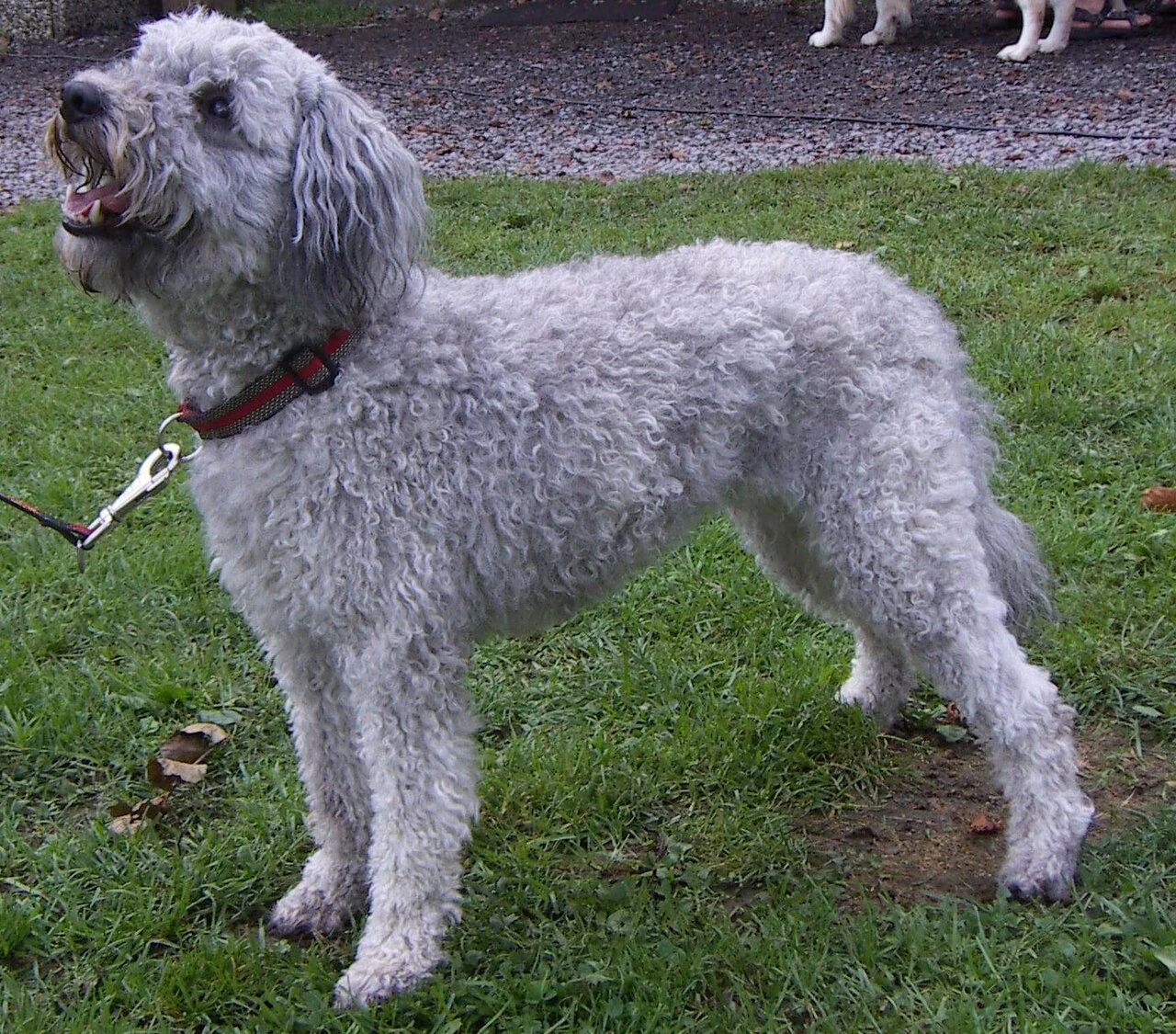
The FCI standard gives adult males a height of 41 to 47 cm and a weight of 10 to 15 kg. Females measure 38 to 44 cm and weigh 8 to 13 kg. Height is measured at the withers, the highest point of the back just behind the neck. These are adult measurements. A puppy needs suitable food and exercise that increases gradually as it grows, rather than encouragement to reach adult size quickly.
Small everyday successes make a useful start in training. For example, you can reward your Pumi for turning towards you at a quiet doorway instead of pushing forwards. More distraction should come later, once that feels easy. Rewards might include food, a game or being allowed to resume sniffing. Everyone in the household should use the same cue for the same action.
As your dog grows older, familiar outings may need adjusting rather than disappearing entirely. Shorter walks and searching games within easy reach can preserve enjoyable time together. New uncertainty, frequent stumbling or a marked change in willingness to move should be checked by a vet.
From puppy to senior: caring for your dog through every life stage ↗
Health
Before buying a puppy, you should examine the parents’ actual screening results. The American breed club lists checks of the hips and kneecaps, along with DNA tests for inherited variants linked to PLL and DM. Requirements vary between countries and clubs. A general claim that dogs are “health tested” does not explain which examinations were carried out.
PLL means primary lens luxation. The lens inside the eye can move out of its normal position, causing pain and threatening sight. An eye that suddenly becomes red, watery or painfully held closed needs prompt veterinary attention. A genetic test covers the particular inherited variant being tested. It does not replace an eye examination. A carrier result means that one copy of the tested variant is present. PLL carriers can still have a risk of developing the condition, so the result should be discussed with a veterinary professional.
DM stands for degenerative myelopathy, a progressive spinal-cord disease. The commonly used DNA test describes a genetic risk, rather than diagnosing the condition or guaranteeing that it will develop. Even dogs with the tested risk result do not necessarily develop the disease. Advice should take into account how well the association has been studied in this breed and its families. Weakness or poor coordination in the hind legs can also have other causes. Fellfolio lets you keep weight records, veterinary documents and observations together, making it easier to explain changes at the next appointment.
Could this breed fit your life?
Could work well if …
- You enjoy regular outings with an agile dog and would like to teach it small practical tasks.
- You can work kindly and consistently on barking, visitor arrivals and time to settle.
- Thorough curly-coat care fits into your routine, including arrangements for holidays or a dog sitter.
What to consider
- Frequent noise on shared stairs or constant activity outside a window may encourage more alert barking.
- A Pumi should not learn that running children, cats or cyclists are opportunities to give chase.
- Grooming and varied activities take time, even though the dog is fairly easy to handle physically.
Similar needs, different dogs.
Selected by shared size, activity, grooming and training characteristics.
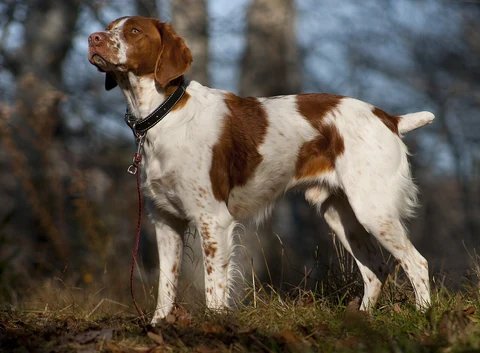
French pointing dog
Brittany
The Brittany is a compact French gundog with plenty of energy and a keen nose. It searches for game, points and retrieves. Pointing means pausing near game it has located to show the handler where it is. Anyone considering a Brittany as a companion should take its hunting instincts as seriously as its often friendly, people-oriented nature.
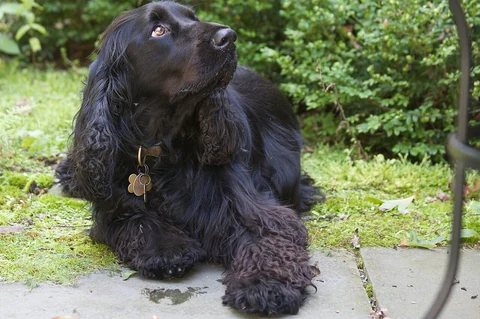
Sensitive hunting companion with a long silky coat
Field Spaniel
The Field Spaniel is an active, sensitive dog that enjoys following scents outdoors and being close to its people at home. Beneath the long silky coat is an enduring hunting companion. Varied exercise, shared activities and kind training give this attentive dog plenty to enjoy with its family.
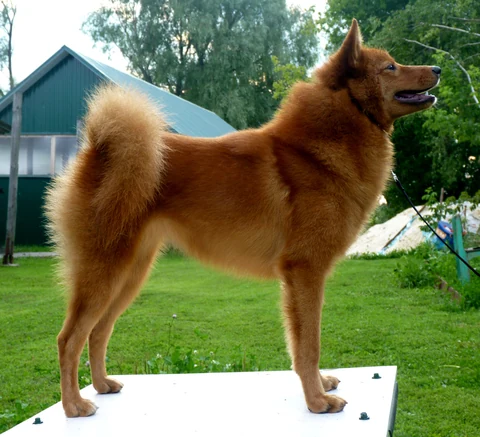
Vocal hunting dog from Finland
Finnish Spitz
A reddish gold coat, pointed ears and a tail curled over the back make the Finnish Spitz easy to recognise. Its voice is as much a part of its history as its appearance. When hunting, it barks to indicate a bird’s position in a tree. Life with this breed calls for plans that take exercise, hunting interest and noise into account together.
Sources and photograph credit
- Teaching your dog to be left alone
Used in this profile for: Staying home alone
- Position Statements and Humane Dog Training
Used in this profile for: Size and build
- Exercising Your Puppy
Used in this profile for: Size and build
- Pumi Health
Used in this profile for: Health
- Living with a Pumi
Used in this profile for: Everyday life
- Pumi Owner Education
Used in this profile for: Day-to-day care, Could this breed fit your life?
- Is a Pumi the Dog for You?
Used in this profile for: Temperament, Everyday life, Could this breed fit your life?
- Hungarian Pumi: Breed Information
Used in this profile for: Lifespan
- FCI Standard 56: Pumi
Used in this profile for: Size / Weight, Temperament, Day-to-day care, Size and build
- Training Your Dog to Be Left Alone
Used in this profile for: Everyday life
- Understanding Your Dog’s Behaviour
Used in this profile for: Temperament, Everyday life
- Children and Dogs
Used in this profile for: Temperament, Could this breed fit your life?
- Caring for Your Dog’s Teeth
Used in this profile for: Day-to-day care
- Degenerative Myelopathy
Used in this profile for: Health
- Primary Lens Luxation
Used in this profile for: Health
Photo credits
Portrait · Schenda 27.08.12 (22).jpg · Marie Balstad (Schenda) · CC BY-SA 3.0 · Edited
.jpg)
Everyday life · Schenda 27.08.12 (30).jpg · Marie Balstad (Schenda) · CC BY-SA 3.0 · Edited
.jpg)
Coat and features · Pumi blanc.jpg · Frantseï Blè · CC BY-SA 4.0 · Edited

Side view · Pumi 2.jpg · Steffen Heinz (Caronna) · CC BY-SA 3.0 · Edited
