fellfolio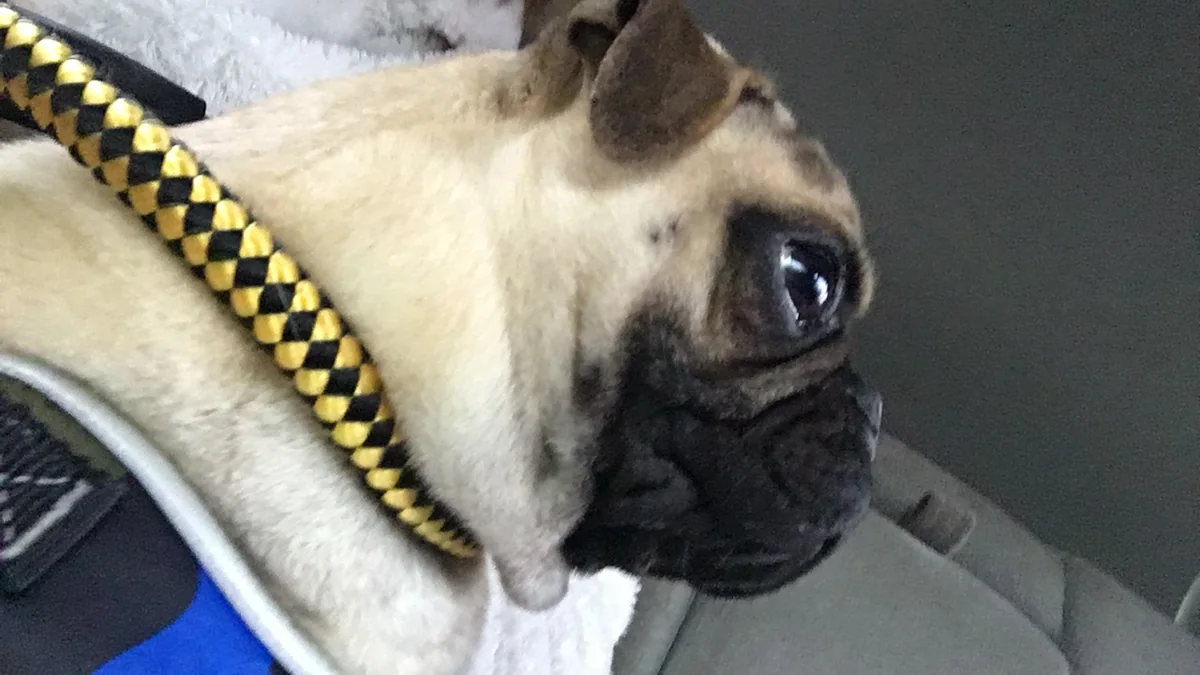
Companion dog
Chihuahua
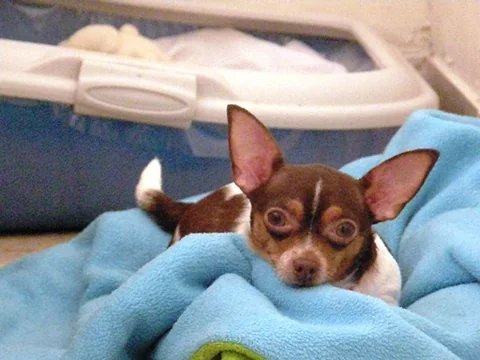
Small, alert and active. Chihuahuas still need suitable activity, gentle introductions and protection from rough handling.
Companion dog
A people-oriented companion with a flat face. Breathing, heat and eyes deserve more attention than a short coat.
Pugs are often playful and keen on company. Their short muzzle can make breathing and cooling down harder. Loud snoring is not reliable proof that all is well.
Keep exercise moderate and adapt it to the individual dog. Heat and excess weight can worsen breathing problems. PDSA advises careful thought about whether you can support the possible health needs.
Being alone needs gradual practice. The RSPCA advises no more than four hours at a time; puppies and some adults need much shorter intervals. Arrange company during longer absences.
Brush the short coat weekly. Keep skin folds clean and dry, and monitor the eyes and body condition.
PDSA places Pugs among breeds with marked conformation-related health concerns. A longer muzzle and more open nostrils are preferable to an extreme appearance.
Listed concerns include airway, eye and skin-fold problems, kneecap luxation and spinal changes. Ask a vet to assess breathing and exercise tolerance.
Breed traits describe tendencies. Breeding line, socialisation, care and experience shape the individual. Children and animals always need responsible supervision.
Selected by shared size, activity, grooming and training characteristics.
Companion dog
Small, alert and active. Chihuahuas still need suitable activity, gentle introductions and protection from rough handling.
Scent hound
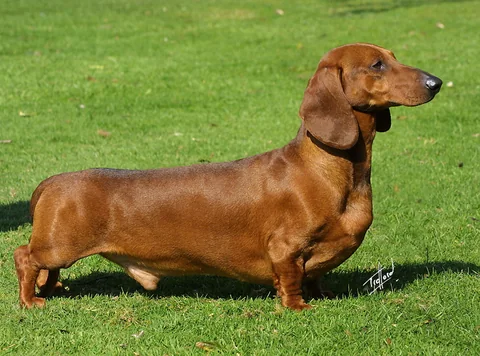
A low-built hound with an independent hunting background. This profile covers the Standard Smooth Dachshund; miniature sizes and other coat types are distinct varieties.
Companion dog
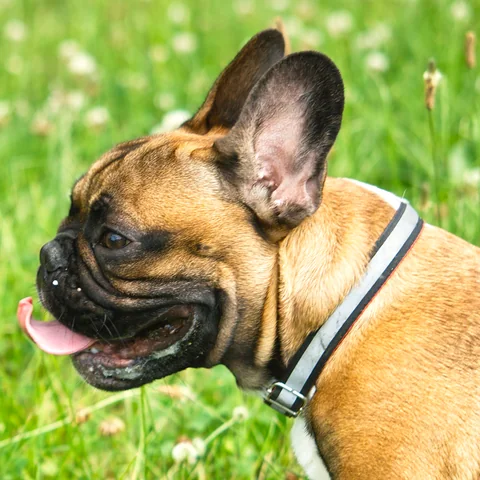
Compact and people-oriented, with a short coat and one major health consideration: a flat face can impair breathing.
Portrait · Anavixxxx · CC BY-SA 4.0 · Image cropped