 fellfolio
Small companion dog
Boston Terrier
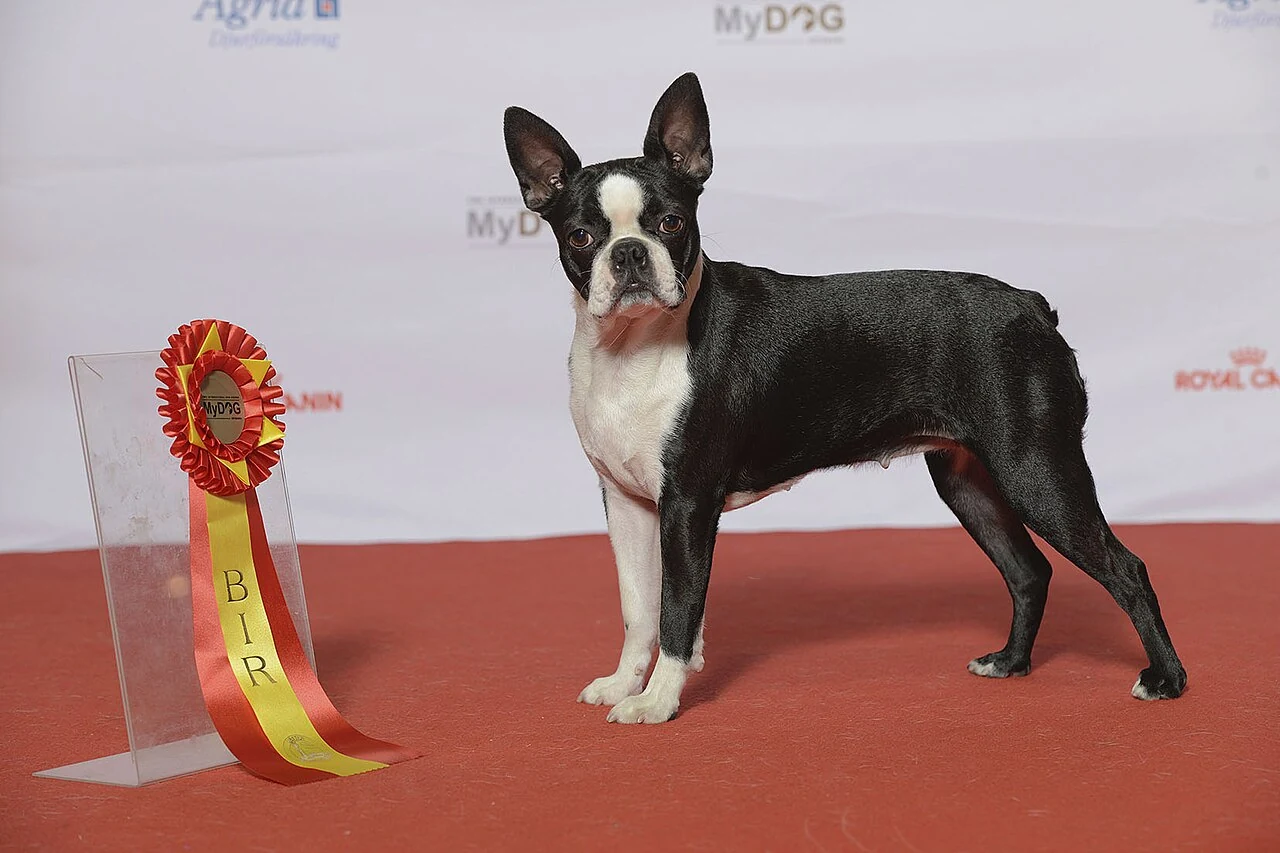
The Boston Terrier is a compact companion with a short coat and distinctive white markings. Its short muzzle is part of its appearance but can also compromise breathing. Before choosing one, breathing health, screening records and care in warm weather deserve as much attention as temperament and looks.
At a glance
- Size
- Small
- Lifespan
- over 10 years
- Activity
- Moderate
- Grooming
- Weekly
- Training
- Often cooperative
- Owner experience
- First dog with support
A lively companion whose breathing needs attention
The Boston Terrier originated in the United States and is now kept as a companion. The Fédération Cynologique Internationale, or FCI, is the international federation of kennel clubs. Its standard describes the Boston Terrier as friendly and lively. A breed’s friendly reputation cannot predict how an individual will react in every encounter. Its previous experiences and behaviour when you meet help you understand the dog better.
During a visit, you can observe whether the dog approaches willingly, settles after a greeting and makes conspicuous breathing noises when excited. Those sounds should not be dismissed as an amusing quirk. Discussion of past experiences is useful alongside asking whether any breathing problems have been investigated or treated.
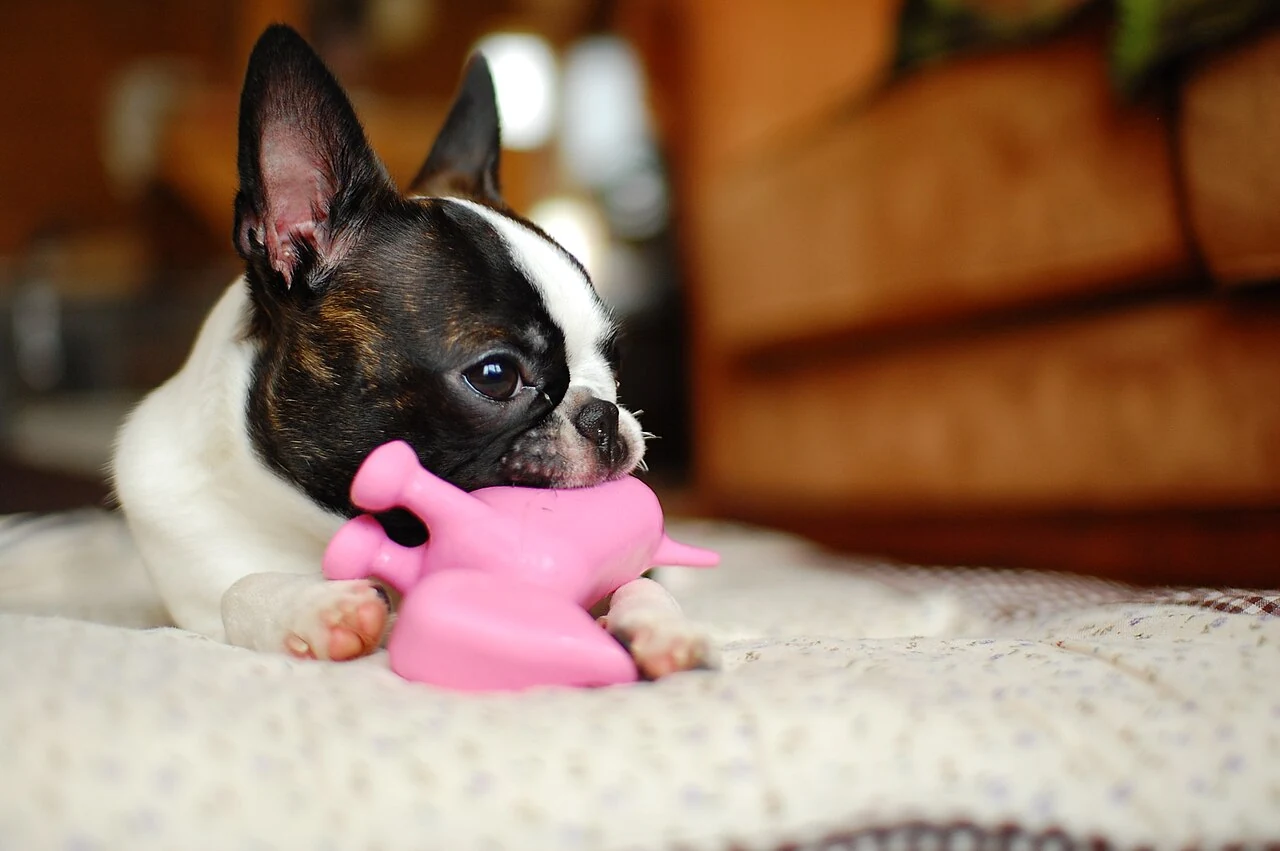
Shared play should allow space to move away and opportunities to rest. Children should leave the dog undisturbed while it sleeps or eats. For a dog that becomes excited quickly, a manageable game with an appropriate toy may be more comfortable than a chase around the flat.
Everyday life
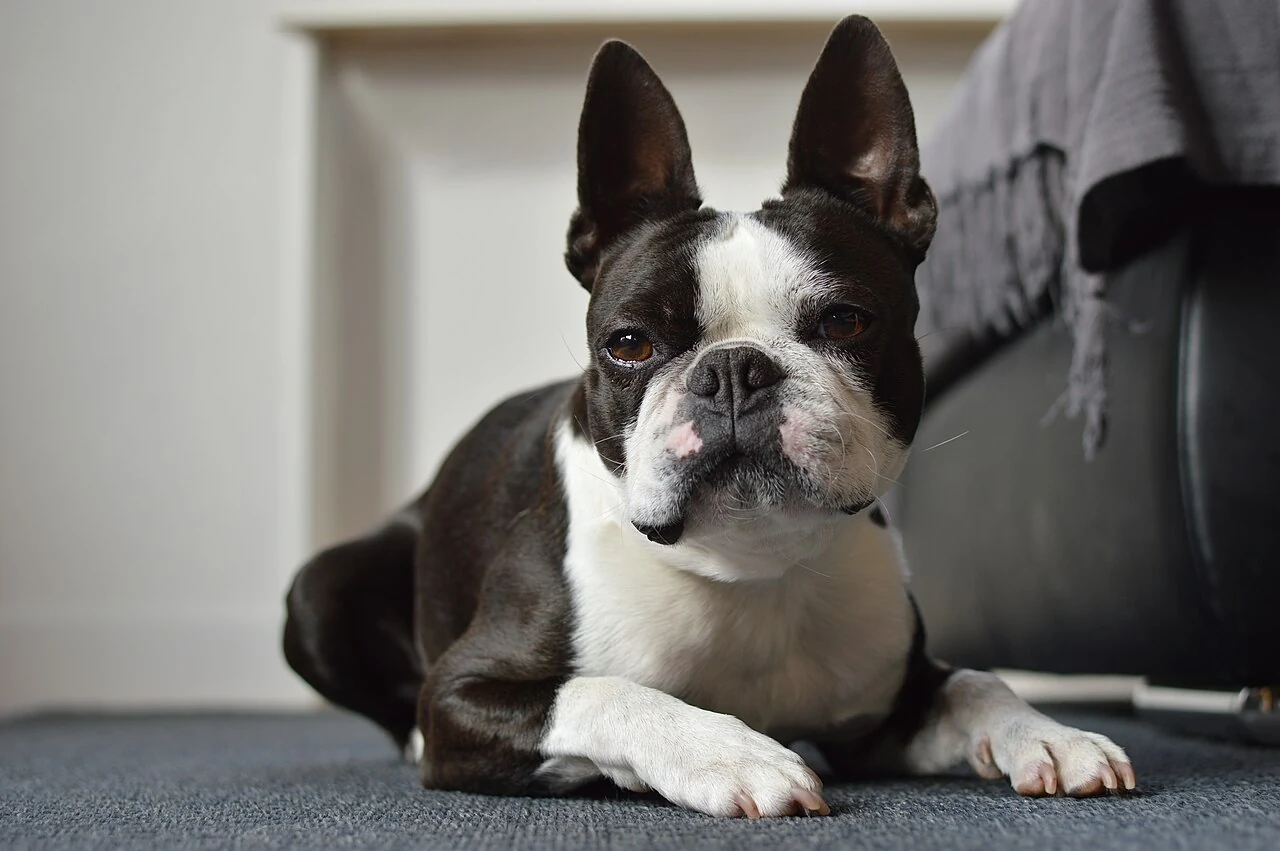
A Boston Terrier needs activity, but an appropriate level also depends on how freely it breathes. Dogs release a substantial amount of excess heat by panting. Narrowed airways can make this cooling less effective. On warm or humid days, walks should therefore take place at cooler times and be adapted to the individual. Shade and breaks are useful but cannot replace examination of breathing problems.
Small tasks can provide shared activity without demanding intense exertion. Finding a toy or going to a mat on a familiar cue can be interesting indoors too. A comfortable harness should avoid pressure on the throat during walks. Endurance training should not be used to make a dog push through abnormal breathing.
Even in a flat, the dog needs dependable care and a quiet sleeping place. Time alone should be introduced gradually. A carer needs to know about any breathing problems, veterinary instructions and emergency contacts as well as food and usual walking routes. This information should be ready before the first handover.
Staying home alone
Dogs learn to stay home alone in small steps. The RSPCA advises no more than four hours at a time. Puppies and dogs that become unsettled when left alone need shorter absences and gradual practice. Arrange someone to care for your dog when you will be away longer.
Everyday dog training: recall, a loose lead and clear communication ↗
Day-to-day care
The short, smooth coat can be brushed with a soft brush or suitable grooming mitt. The Royal Kennel Club, the British kennel club, lists weekly grooming as guidance. Short-haired dogs still shed. Grooming also offers an opportunity to notice changes in the skin, paws and nails.
The eyes deserve attention during everyday care. Squinting, rubbing an eye or redness should prompt a veterinary examination. A painful eye needs an urgent appointment. What looks like a minor scratch cannot be assessed reliably from the outside.
A calm dental routine can be introduced using dog toothpaste. Before dental treatment under anaesthesia, the practice should know about breathing problems and previous procedures. Simple coat care does not mean this breed will necessarily need little medical attention overall.
Size and build
The Boston Terrier developed in the American city of Boston. The Royal Kennel Club describes a breed club established there in the 1890s and the influence of bulldogs and terriers on its origins. Today, the FCI places it in the companion group. The name does not make it a hunting terrier.
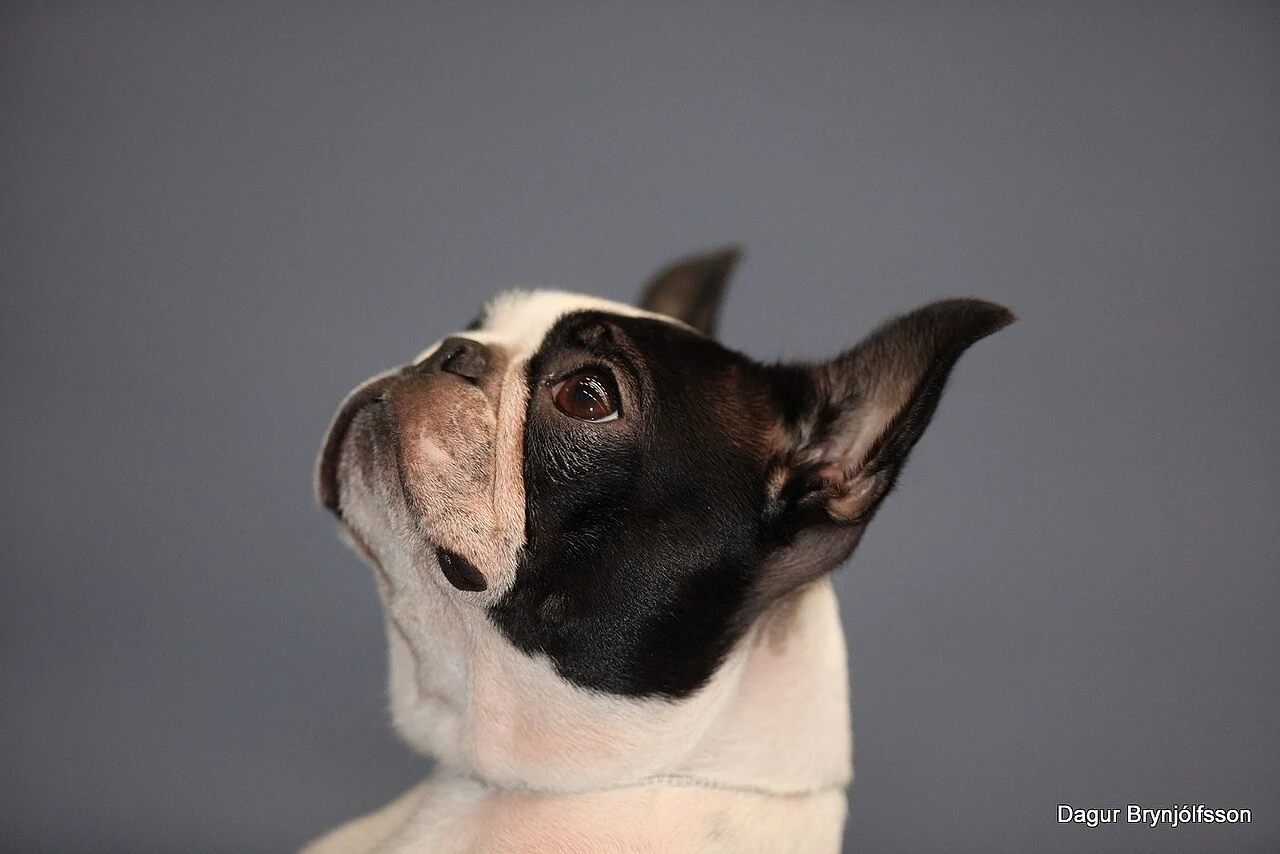
The FCI standard divides weight into three classes: below 6.8 kg, from 6.8 to below 9 kg, and from 9 to 11.35 kg. It specifies no shoulder height. A short tail may be straight or screw-shaped. This describes the natural tail, not a recommendation to shorten it. Comfortable breathing, movement and appropriate body condition should take priority over an especially exaggerated appearance.
From puppy to senior: caring for your dog through every life stage ↗
Health
Boston Terriers are brachycephalic dogs. Brachycephalic means short-headed. A shortened facial skull can leave narrowed nostrils or tissue in the throat obstructing airflow. These airway problems are known as BOAS, short for Brachycephalic Obstructive Airway Syndrome. The degree to which an individual is affected needs assessment.
Pronounced snoring, noisy breathing during light exercise and poor recovery after a walk should be investigated by a vet. Sudden difficulty breathing or collapse is an emergency. Appropriate weight and adapted walks can support care, but they cannot remove an anatomical obstruction. A vet should assess what treatment an affected dog needs. Since August 2026, the Royal Kennel Club has also listed recognised breathing-function assessment for Boston Terriers. Before choosing a dog, ask about current findings for the parents and the dog itself.
The Boston Terrier Club of America also recommends eye and kneecap examinations and a BAER hearing test. BAER stands for Brainstem Auditory Evoked Response. It measures electrical responses to sound in the inner ear and the nerve pathways carrying hearing information through the brain. A DNA test for the HSF4 variant checks for a particular inherited form of early lens clouding, also called cataract. A clear DNA result replaces neither an eye examination nor an assessment of breathing. The Royal Kennel Club’s lifespan of over 10 years remains broad guidance.
Could this breed fit your life?
Could work well if …
- You want a small companion and can adapt activity to its breathing, the weather and its health.
- You are prepared to discuss breathing health and other examinations carefully before choosing a dog and to budget for treatment.
- You can provide gentle activities, reliable care and somewhere cool to retreat in hot weather.
What to consider
- A short muzzle can be associated with serious breathing problems. Noisy breathing should not be accepted as normal for the breed.
- Heat and humidity can place extra strain on a dog with narrowed airways.
- The short coat needs relatively simple care. Breathing, eyes, teeth and other health concerns can still require substantial attention.
Similar needs, different dogs.
Selected by shared size, activity, grooming and training characteristics.
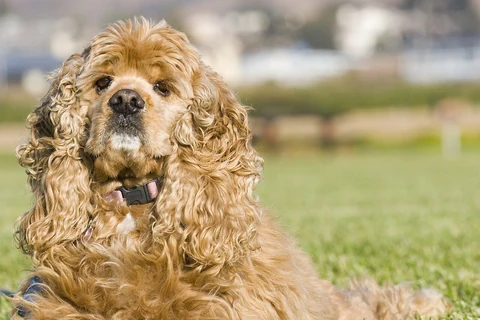
American flushing spaniel
American Cocker Spaniel
The American Cocker Spaniel combines a gentle expression and long, silky hair with a sporting dog’s curiosity. Many enjoy close company, unhurried sniffing and games with their people. Its manageable size suits a range of homes. Plenty of time should still be allowed for coat care, ears and an interesting daily routine.

Companion dog
Bichon Frise
The Bichon Frise is a small, playful companion that likes to be near its people. Its white curly coat sheds little, but mats without daily care.
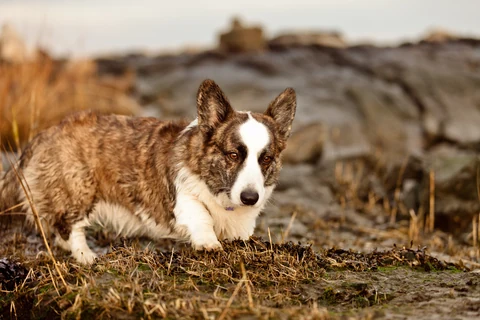
Herding dog
Cardigan Welsh Corgi
The Cardigan Welsh Corgi is a short-legged herding dog with a long body, large ears and a naturally long tail. Its compact size can obscure a history of working with livestock. Shared walks and small training tasks belong in everyday life alongside a comfortable place to rest.
Sources and photograph credit
- Teaching your dog to be left alone
Used in this profile for: Staying home alone
- Position Statements and Humane Dog Training
Used in this profile for: Temperament, Everyday life
- Boston Terrier Club of America Health Statement
Used in this profile for: Health
- Boston Terrier
Used in this profile for: Day-to-day care, Size and build, Health, Lifespan, Could this breed fit your life?
- FCI Standard No. 140: Boston Terrier
Used in this profile for: Size / Weight, Temperament, Size and build
- What Is the BAER Test?
Used in this profile for: Health
- BOAS: Breathing Problems in Flat-faced Dogs
Used in this profile for: Everyday life, Health, Could this breed fit your life?
- Eye Problems in Dogs: An Overview
Used in this profile for: Day-to-day care
- Training Your Dog to Be Left Alone
Used in this profile for: Everyday life
- Understanding Your Dog’s Behaviour
Used in this profile for: Temperament
- Children and Dogs
Used in this profile for: Temperament, Could this breed fit your life?
- Caring for Your Dog’s Teeth
Used in this profile for: Day-to-day care
- Brachycephalic Airway Syndrome in Dogs
Used in this profile for: Everyday life, Health, Could this breed fit your life?
Photo credits
Portrait · BOSTON TERRIER, Vingårdens Essi von Richards (23995273800).jpg · Svenska Mässan · CC BY 2.0 · Edited
.jpg)
Everyday life · Ocho Boston Terrier.jpg · Wikipedro · CC BY 4.0 · Edited

Everyday life · Boston terrier with toy.jpg · Sendai Blog · CC BY 2.0 · Edited

Coat and features · Boston Terrier head.jpg · Dagur Brynjólfsson · CC BY-SA 2.0 · Edited
