 fellfolio
Compare breeds
French Bulldog or Pug: Daily Life and Health Compared
French Bulldogs and Pugs are small dogs that often seek human company. Both can enjoy play and need daily movement. Their short muzzles can also make breathing and cooling down harder. Choosing by a reputation for being relaxed would miss the main issue. This comparison explains what to watch on walks, in routine care and in health records before you choose an individual dog.
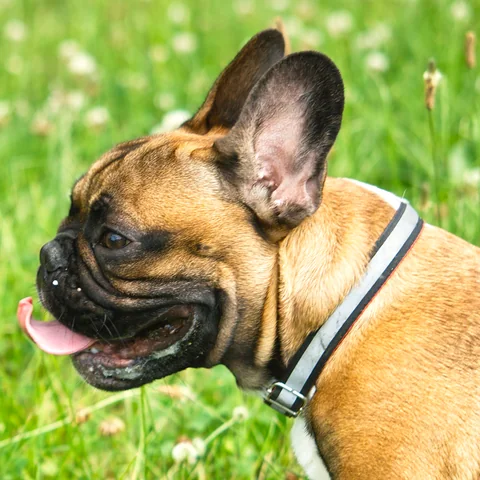
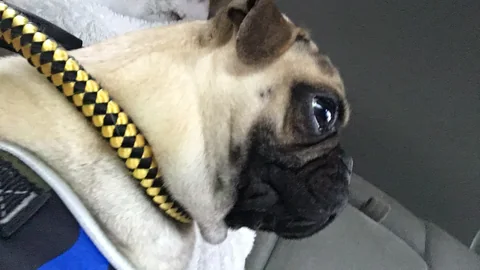
At a glance
| French Bulldog | Pug | |
|---|---|---|
| Size | Small | Small |
| Weight | 11 to 12.5 kg | 6 to 8 kg |
| Lifespan | over 10 years | over 10 years |
| Grooming | Low | Low |
These figures come from the linked breed profiles. They are broad guides and do not describe an individual animal.
Compare breeds
The day-to-day choice
There is no reliable health winner between a French Bulldog and a Pug. Either one needs company, suitable short outings, careful routine care and access to veterinary help if breathing becomes difficult. If you choose a puppy, put easy breathing and the parents' documented results ahead of looks or popularity. For long athletic outings, look for a breed with a less restrictive head shape.
Walks: Shorter does not mean effortless
PDSA describes several short outings and play for both breeds rather than one long, strenuous run. Each dog still needs time to sniff and something to do at home. The right amount of activity depends on age, weather and, above all, how easily that individual dog breathes. Noisy breathing, falling behind or taking unusually long to recover after exercise are reasons to stop and seek veterinary advice. In summer, walk early or late and provide a cool place at home. A Pug may live in an apartment but still needs company and activity. A French Bulldog also needs play and training alongside shorter walks.
Sources: French Bulldog · breed guide · PDSA · veterinary charity, Pug · breed guide · PDSA · veterinary charity, Flat-faced dogs · advice for owners · PDSA · veterinary charity
Care at home: Coat, folds, eyes and weight
A weekly brush is usually enough for a French Bulldog's short coat. A Pug's coat also needs about a weekly brush, yet may shed far more than its length suggests. Check the skin folds of either breed, clean them gently when needed and dry them well. Red, smelly or painful areas need a veterinary check. Watch a Pug's eyes particularly closely: if one is suddenly red, painful or held shut, contact a vet promptly. Extra weight makes breathing harder for both breeds. Count treats within the daily food allowance and check body condition regularly rather than relying on the number on the scales alone.
Sources: French Bulldog · breed guide · PDSA · veterinary charity, Pug · breed guide · PDSA · veterinary charity, Flat-faced dogs · advice for owners · PDSA · veterinary charity
Other records: Ask breed specific questions
For French Bulldogs, PDSA lists concerns beyond breathing, including skin folds, eyes, kneecaps and the back. Pugs also need attention to eyes and folds, and their kneecaps and spine can be affected. A DNA susceptibility test exists for Pug Dog Encephalitis, a serious inflammatory brain disease. A higher genetic risk does not mean that a dog will certainly develop it. Request the available results for both parents, ask about illness in their families and discuss unclear findings with a vet. If you need a dog to join long walks in warm weather or regular runs, neither of these short muzzled breeds fits that plan well.
Sources: French Bulldog · breed guide · PDSA · veterinary charity, Pug · breed guide · PDSA · veterinary charity, Pug Dog Encephalitis (PDE) Susceptibility · UC Davis Veterinary Genetics Laboratory, Flat-faced dogs · advice for owners · PDSA · veterinary charity
Read the full breed profiles
Each profile explains exercise, care, health and fit with sources for each section.