 fellfolio
Norwegian herding and farm spitz
Norwegian Buhund
The Norwegian Buhund is a lively spitz that once herded livestock and watched over the farm. It enjoys being involved with its people and may announce changes in its surroundings with a bark. Its dense coat, enthusiasm for activity and interest in learning should be part of your plans before choosing one.
At a glance
- Size
- Medium
- Height at shoulder
- 41 to 47 cm
- Weight
- 12 to 18 kg
- Lifespan
- over 12 years
- Activity
- High
- Grooming
- Several times weekly
- Training
- Patience & clear guidance
- Owner experience
- Experience recommended
From Norwegian farm work to family life
The Buhund was part of life on Norwegian farms. It helped herd animals, watched over buildings and land, and needed to adapt to different jobs. The tradition of similar spitz dogs goes far back. The Norwegian Kennel Club established an initial breed standard in 1926.
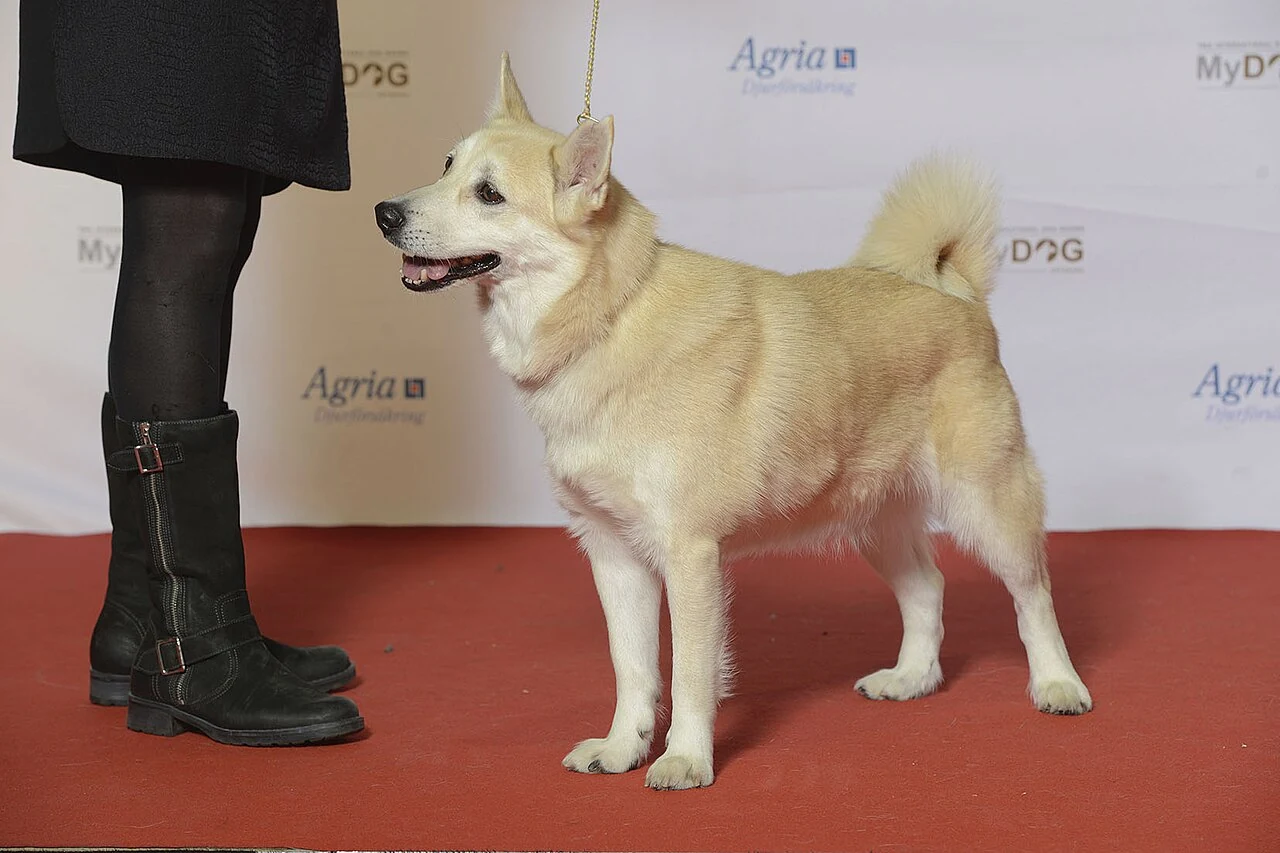
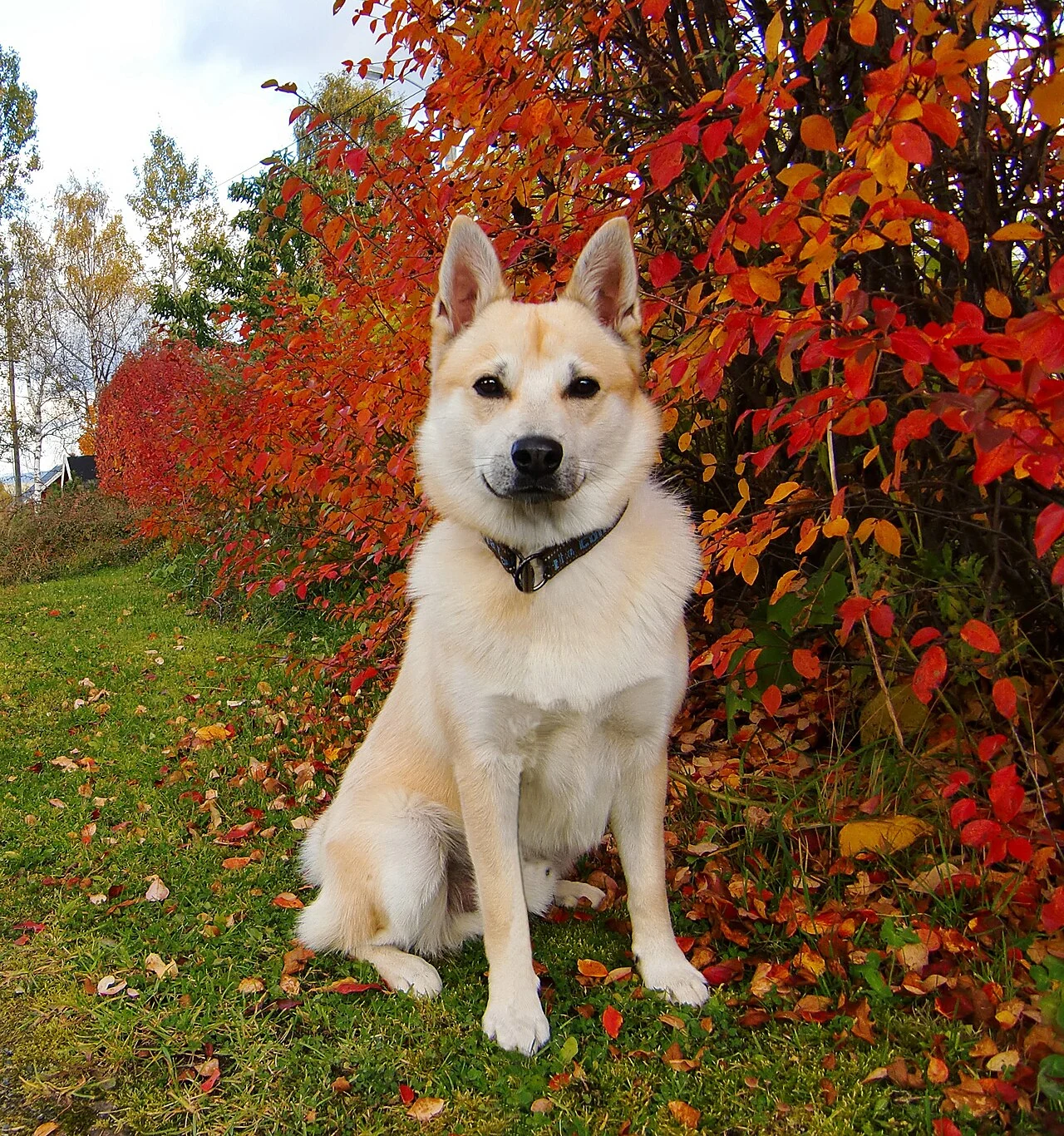
Upright ears, a tail curled over the back and an almost square body shape its appearance. Firm outer hair protects a dense, softer undercoat. In its breed standard revised in 2026, the international canine organisation FCI describes wheaten and black dogs. It gives males a shoulder height of 43 to 47 centimetres and approximate weight of 14 to 18 kilograms. Females measure 41 to 45 centimetres and weigh approximately 12 to 16 kilograms.
Its earlier work helps explain why a Buhund quickly notices movement or a new arrival. Some dogs announce visitors loudly, while others may start chasing fast movement. Family routines should guide these responses from an early age. Children and the dog can enjoy supervised games, but should also have separate quiet times. Cats or other dogs should be introduced gradually, taking their previous experiences and behaviour into account.
Everyday life
A Buhund needs daily outings and shared activities. Walks, scent work and varied exercises suit a dog once expected to perform many farm tasks. Training could include waiting quietly, coming back when called or touching an object with its nose. Small rewards and manageable steps help it understand what you want. A suitable training class can support that learning.
A healthy adult may enjoy a sport such as agility, where the dog follows guidance around an obstacle course. Fitness, joint health and careful preparation should match the demands. Quiet periods when it can settle after an outing matter just as much. Constant ball throwing may increase excitement rather than support a balanced routine.
If you live in a flat, suitable outings and the surrounding environment deserve particular attention. A Buhund reacting to every sound in the shared hallway needs planned practice and fewer constant triggers. Time alone should be introduced gradually. Dependable care is useful for long working days away, ensuring that exercise, company and daily needs are covered.
Staying home alone
Dogs learn to stay home alone in small steps. The RSPCA advises no more than four hours at a time. Puppies and dogs that become unsettled when left alone need shorter absences and gradual practice. Arrange someone to care for your dog when you will be away longer.
Everyday dog training: recall, a loose lead and clear communication ↗
Day-to-day care
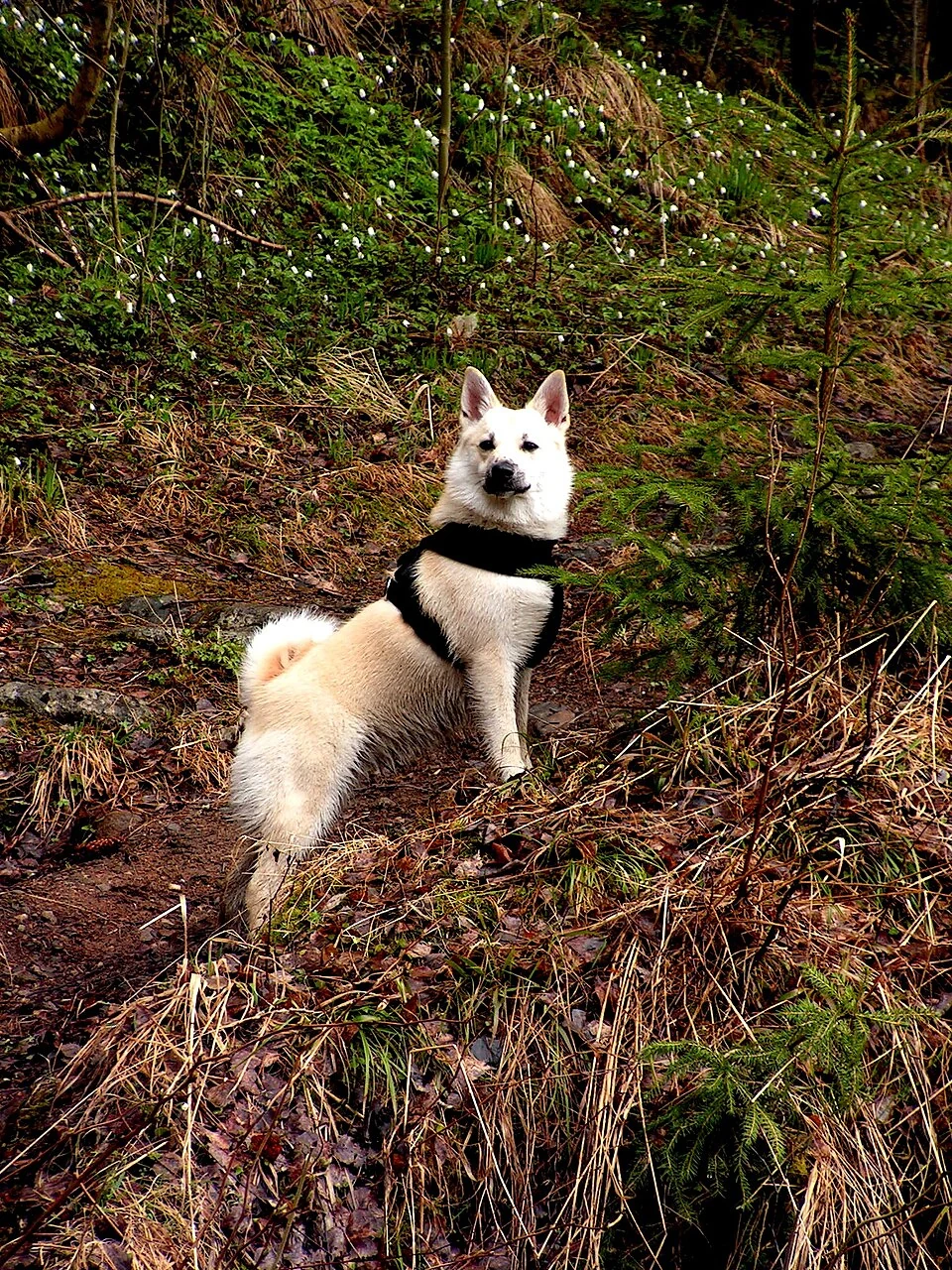
The double coat should be brushed several times a week. During moulting, daily grooming can help remove loose undercoat. A comb lets you check whether the deeper layers remain densely packed. The neck, hind legs and areas beneath a harness deserve a closer look. Mats should be removed gently, with professional help when needed.
Paws and skin should be checked after outings for small injuries, dirt or foreign material. Warm days call for shade, water and adjusted activity, as a weather resistant coat does not prevent overheating. Nail care and gently introduced toothbrushing belong in the routine too. Making touch around the mouth and paws, and the brush itself, familiar through short pleasant steps can make later care easier.
Size and build
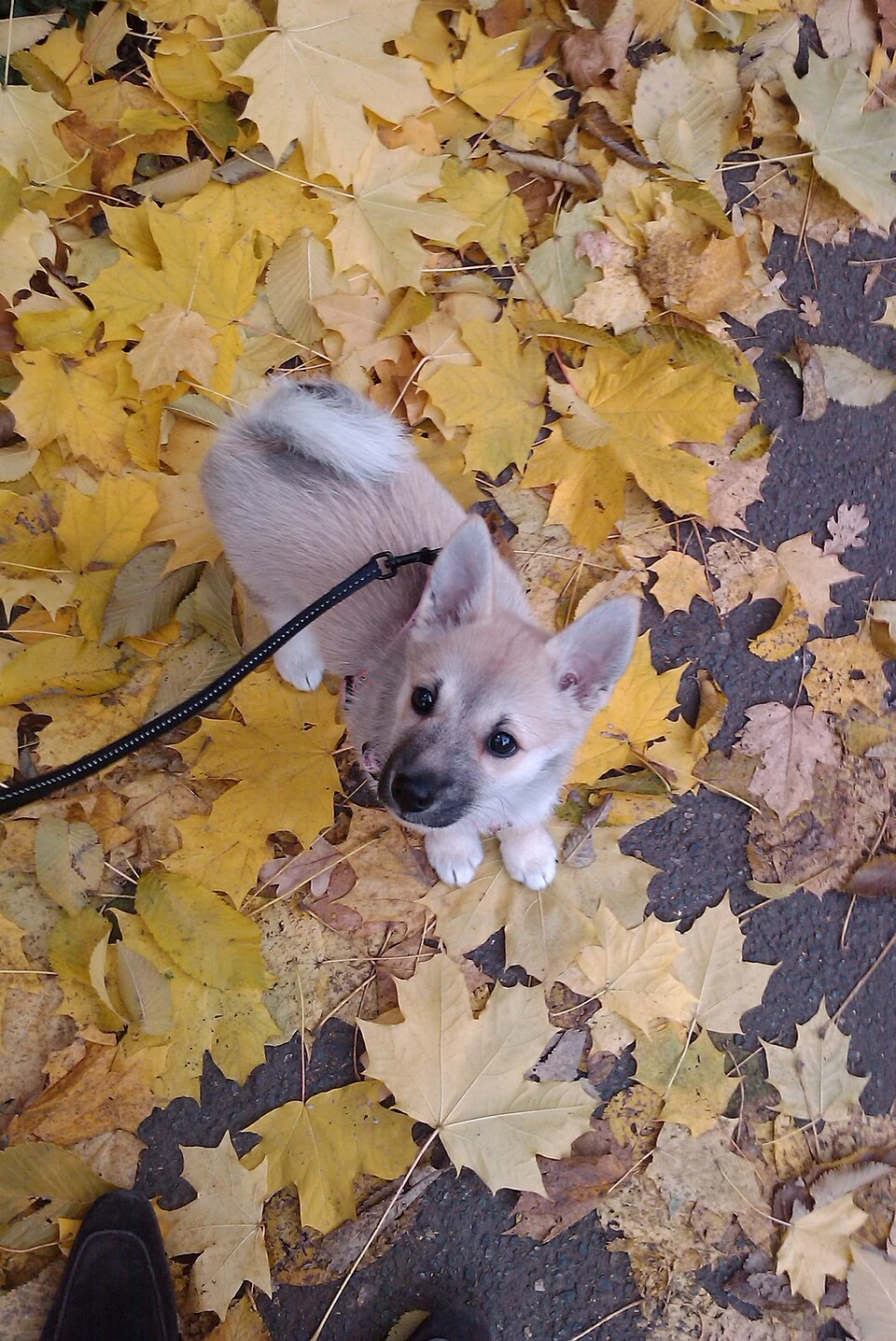
A Buhund puppy should be able to learn with curiosity without constantly having to process something new. Short walks, friendly introductions and brief games need enough sleep between them. Rewarding calm behaviour and practising that moving people or bicycles should not be chased are especially useful. Initially, the distance should let your dog stay attentive and accept food.
An adult Buhund benefits from activities that combine learning with movement. With age, exercise and tasks should be adapted to its joints, fitness and vision. Brief scent games or familiar exercises can still be enjoyable. Unsteady movement, unusual tiredness or new difficulty getting up should be investigated. The Royal Kennel Club lists the breed’s life expectancy as over twelve years.
From puppy to senior: caring for your dog through every life stage ↗
Health
Choosing a puppy responsibly includes examining its parents’ documented health results. Hip examinations and specialist eye checks are particularly relevant for the Buhund. Hip dysplasia involves an unstable fit in a developing hip joint and can cause pain. A cataract makes the eye’s lens cloudy. Different forms have been described in the Buhund and may develop differently. An eye report should therefore identify exactly what was found. The Norwegian breeding programme in force since January 2026 sets specific requirements for hip results and current eye examinations.
A genetic test is also available for an inherited movement disorder. It is called hereditary cerebellar ataxia, or HCA, meaning an inherited coordination disorder involving the cerebellum, part of the brain that helps control movement. Signs can begin in puppies, including an unsteady gait, loss of balance or head tremors. Such changes need prompt veterinary investigation.
The test checks for a particular change in the KCNIP4 gene. A dog with one copy is a carrier but does not develop the disease because of that variant. With two copies, the disease can develop. This distinction helps breeders choose appropriate pairings while preserving genetic diversity. The Royal Kennel Club includes the test in its additional health recommendations. Fellfolio can keep eye reports, hip findings and your own observations organised together.
Could this breed fit your life?
Could work well if …
- You want an observant dog to take out daily and enjoy varied training together.
- You can consider its voice within your living environment and teach quiet behaviour kindly.
- You have time for regular grooming, enough undisturbed sleep and care during longer absences.
What to consider
- A watchful Buhund may announce visitors and noises loudly. Poor sound insulation should be considered before choosing the breed.
- Sporting jumps should be carefully introduced only with a fully grown dog whose health is suitable.
- Moving children, bicycles and other animals should not become opportunities for uncontrolled chasing.
Similar needs, different dogs.
Selected by shared size, activity, grooming and training characteristics.
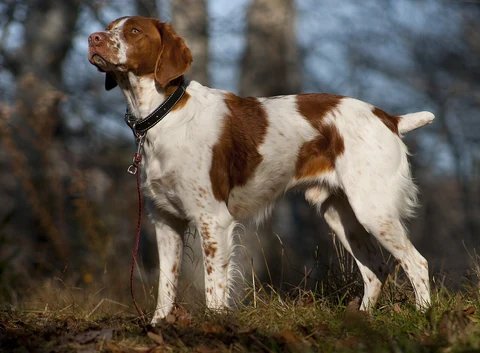
French pointing dog
Brittany
The Brittany is a compact French gundog with plenty of energy and a keen nose. It searches for game, points and retrieves. Pointing means pausing near game it has located to show the handler where it is. Anyone considering a Brittany as a companion should take its hunting instincts as seriously as its often friendly, people-oriented nature.
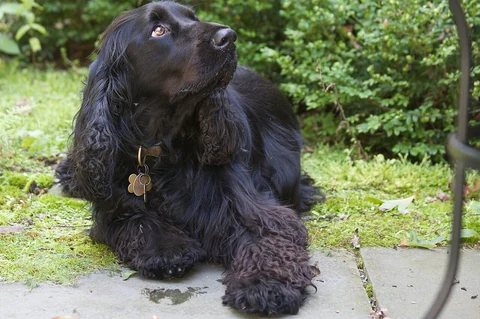
Sensitive hunting companion with a long silky coat
Field Spaniel
The Field Spaniel is an active, sensitive dog that enjoys following scents outdoors and being close to its people at home. Beneath the long silky coat is an enduring hunting companion. Varied exercise, shared activities and kind training give this attentive dog plenty to enjoy with its family.
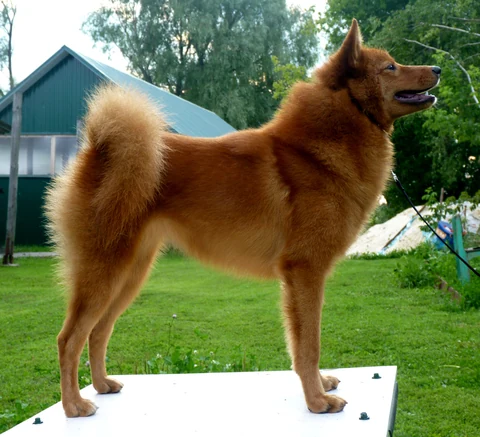
Vocal hunting dog from Finland
Finnish Spitz
A reddish gold coat, pointed ears and a tail curled over the back make the Finnish Spitz easy to recognise. Its voice is as much a part of its history as its appearance. When hunting, it barks to indicate a bird’s position in a tree. Life with this breed calls for plans that take exercise, hunting interest and noise into account together.
Sources and photograph credit
- Teaching your dog to be left alone
Used in this profile for: Staying home alone
- Canine Hip Dysplasia
Used in this profile for: Health
- Position Statements and Humane Dog Training
Used in this profile for: Everyday life
- Cerebellar Ataxia, Norwegian Buhund DNA Test
Used in this profile for: Health
- Breed Information
Used in this profile for: Temperament, Everyday life, Day-to-day care, Could this breed fit your life?
- Norwegian Buhund, FCI Standard No.237
Used in this profile for: Size / Weight, Temperament, Day-to-day care, Size and build, Could this breed fit your life?
- Avlsprogram norsk buhund
Used in this profile for: Size and build, Health
- Norwegian Buhund
Used in this profile for: Temperament, Day-to-day care, Health, Lifespan, Could this breed fit your life?
- Heatstroke in Dogs
Used in this profile for: Day-to-day care
- Exercising Your Puppy
Used in this profile for: Size and build
- Training Your Dog to Be Left Alone
Used in this profile for: Everyday life
- Children and Dogs
Used in this profile for: Temperament, Size and build, Could this breed fit your life?
- Caring for Your Dog’s Teeth
Used in this profile for: Day-to-day care
- Train Your Dog to Come When Called
Used in this profile for: Everyday life
Photo credits
Side view · BIR Grupp 5- NORSK BUHUND, Gnipagrottans Gullan Lilltösen (24151665821).jpg · Johan Frick-Meijer / Svenska Mässan · CC BY 2.0 · Edited
.jpg)
Portrait · Norsk Buhund6.jpg · Jon-Eric Melsæter · CC BY 2.0 · Edited

Puppy · Norsk Buhund5.jpg · Jon-Eric Melsæter · CC BY 2.0 · Edited

Everyday life · Buhunden.jpg · Canossa · CC BY-SA 4.0 · Edited
