 fellfolio
Companion dog
Maltese
The Maltese is a tiny companion with plenty of curiosity. It wants to stay close to its people, explore on its own feet and have its long white coat brushed and combed every day.
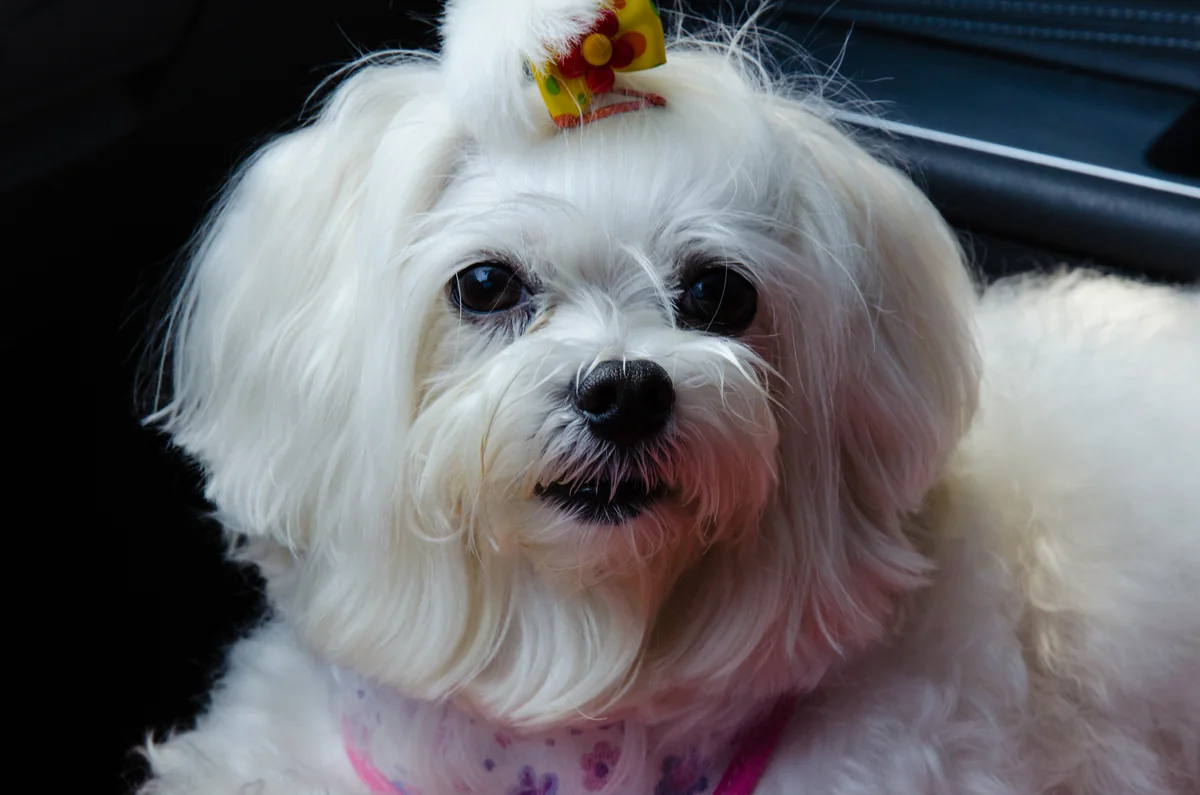
At a glance
- Size
- Small
- Height at shoulder
- 20 to 25 cm
- Weight
- 3 to 4 kg
- Lifespan
- over 12 years
- Activity
- Moderate
- Grooming
- Daily
- Training
- Often cooperative
- Owner experience
- First dog with support
Small, friendly and happy to join in
The Maltese has been a companion dog for centuries. According to the international kennel federation FCI, its ancestors lived in Mediterranean port towns, where small dogs hunted mice and rats. Today many Maltese stay close to their people, enjoy play and eagerly explore outdoors.
A Maltese may keep its distance from unfamiliar people at first. Give it time and ask visitors not to pick it up without warning. Carrying a small dog makes sense in traffic or a crush of people; on safe paths, let it walk, sniff and get used to everyday sights and sounds.
Everyday life
Around 30 minutes of activity a day is a useful guide for an adult Maltese. Some enjoy longer walks or plenty of play at home. Give your dog time to sniff outdoors and occasionally hide a toy for it to find. Its energy on the walk and how well it recovers afterwards tell you more than its small size alone.
Build up time alone gradually. Arrange dependable company if the dog would otherwise spend long stretches by itself.
Staying home alone
Dogs learn to stay home alone in small steps. The RSPCA advises no more than four hours at a time. Puppies and dogs that become unsettled when left alone need shorter absences and gradual practice. Arrange someone to care for your dog when you will be away longer.
Everyday dog training: recall, a loose lead and clear communication ↗
Day-to-day care
Silky hair mats without daily brushing, especially beneath the front legs and behind the ears. A shorter trim picks up less dirt on walks and makes thorough combing easier. Keep hair clear of the eyes and check whether tear staining is irritating the skin. Introduce regular tooth cleaning early; bad breath or difficulty chewing needs veterinary attention.
Size and build
Under the FCI standard, males stand 21 to 25 cm at the shoulder and females 20 to 23 cm; weight is 3 to 4 kg. The body is distinctly longer than it is tall, by about one third under the standard. The back is level, the chest deep and the legs straight and parallel.
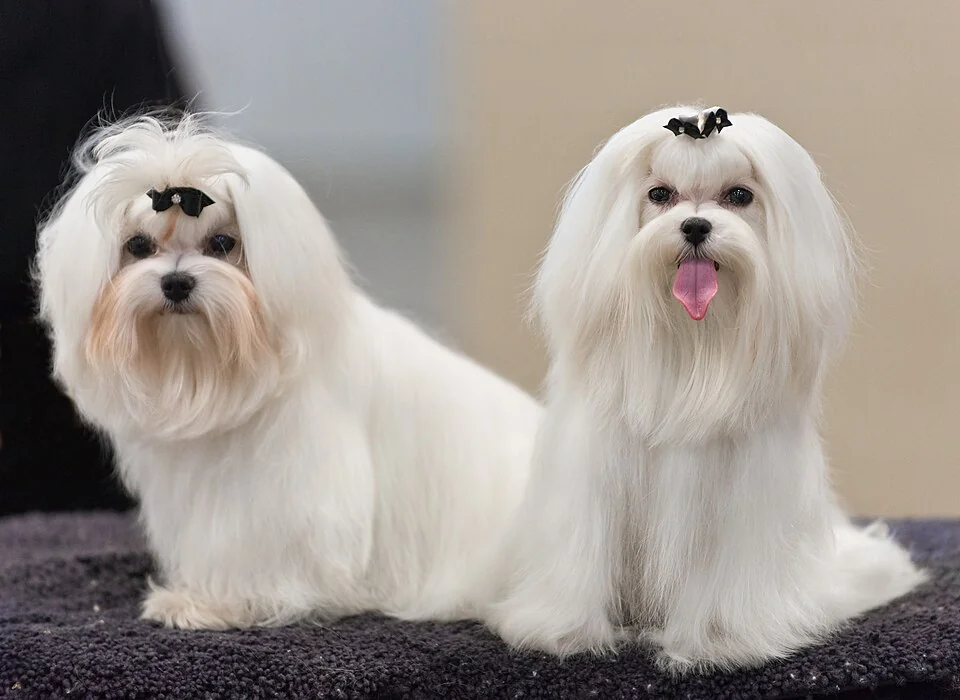
The drop ears carry long hair, and the tail curves over the back. The white, straight, silky coat has no undercoat and can fall to the ground on either side. A shorter everyday trim makes thorough combing easier and keeps hair clear of the eyes.
From puppy to senior: caring for your dog through every life stage ↗
Health
In Maltese, the kneecap can slip out of place (patellar luxation). A dog may lift a hind leg for a few steps or limp repeatedly. Teeth deserve close attention too: when plaque builds up in a small mouth, gums and teeth can become painful. Introduce tooth brushing early and have bad breath or difficulty chewing checked by a vet.
The UK veterinary charity PDSA also lists eye and heart disease and portosystemic shunts. A shunt lets some blood bypass the liver. Affected young dogs may fail to grow as expected or become unsteady at times; these signs need veterinary assessment. PDSA also names Chiari-like malformation, an abnormal shape or limited space at the back of the skull, and syringomyelia, in which cavities form in the spinal cord and can cause pain. If you are looking for a puppy, ask to see the parents’ available knee, eye and heart results. Ask specifically about liver disease or neurological signs in close relatives rather than accepting a vague claim that the family is “health tested”.
Could this breed fit your life?
Could work well if …
- You want a small dog who enjoys being close to you.
- You can provide daily coat care and careful handling.
May be less suitable if …
- The dog would regularly be alone for long periods or exposed to rough play.
- You want a low-maintenance dog with no daily brushing.
Similar needs, different dogs.
Selected by shared size, activity, grooming and training characteristics.
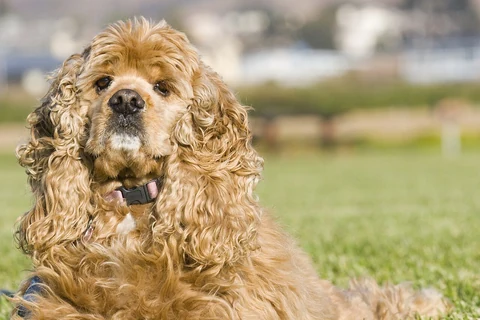
American flushing spaniel
American Cocker Spaniel
The American Cocker Spaniel combines a gentle expression and long, silky hair with a sporting dog’s curiosity. Many enjoy close company, unhurried sniffing and games with their people. Its manageable size suits a range of homes. Plenty of time should still be allowed for coat care, ears and an interesting daily routine.
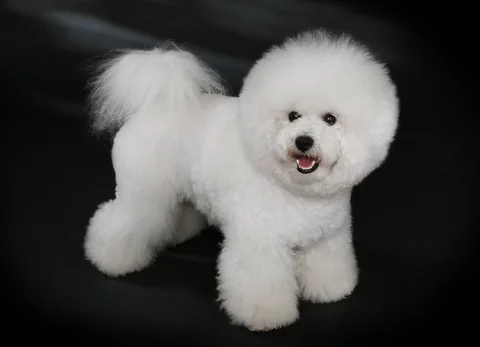
Companion dog
Bichon Frise
The Bichon Frise is a small, playful companion that likes to be near its people. Its white curly coat sheds little, but mats without daily care.
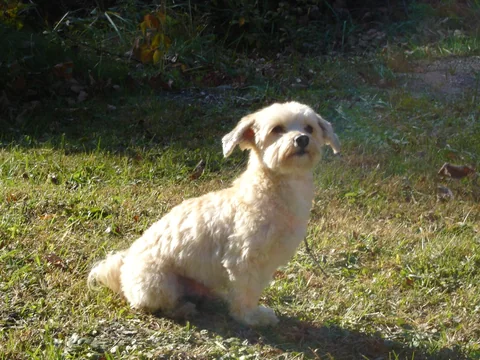
Companion dog
Havanese
Small, agile and happiest when included, the Havanese brings plenty of play into family life. Its long coat is lovely, but it needs attention every day.
Sources and photograph credit
- Portosystemic Shunts
Used in this profile for: Health
- Teaching your dog to be left alone
Used in this profile for: Staying home alone
- Maltese · FCI Standard No. 65
Used in this profile for: Size / Weight, Temperament, Size and build
- Cavalier King Charles Spaniel · breed guide
Used in this profile for: Health
- Maltese · breed guide
Used in this profile for: Size / Weight, Temperament, Everyday life, Day-to-day care, Size and build, Health, Lifespan, Could this breed fit your life?
Photo credits
Portrait · Maltese Dog 1 · Alfredo Borba · CC BY-SA 4.0 · Edited

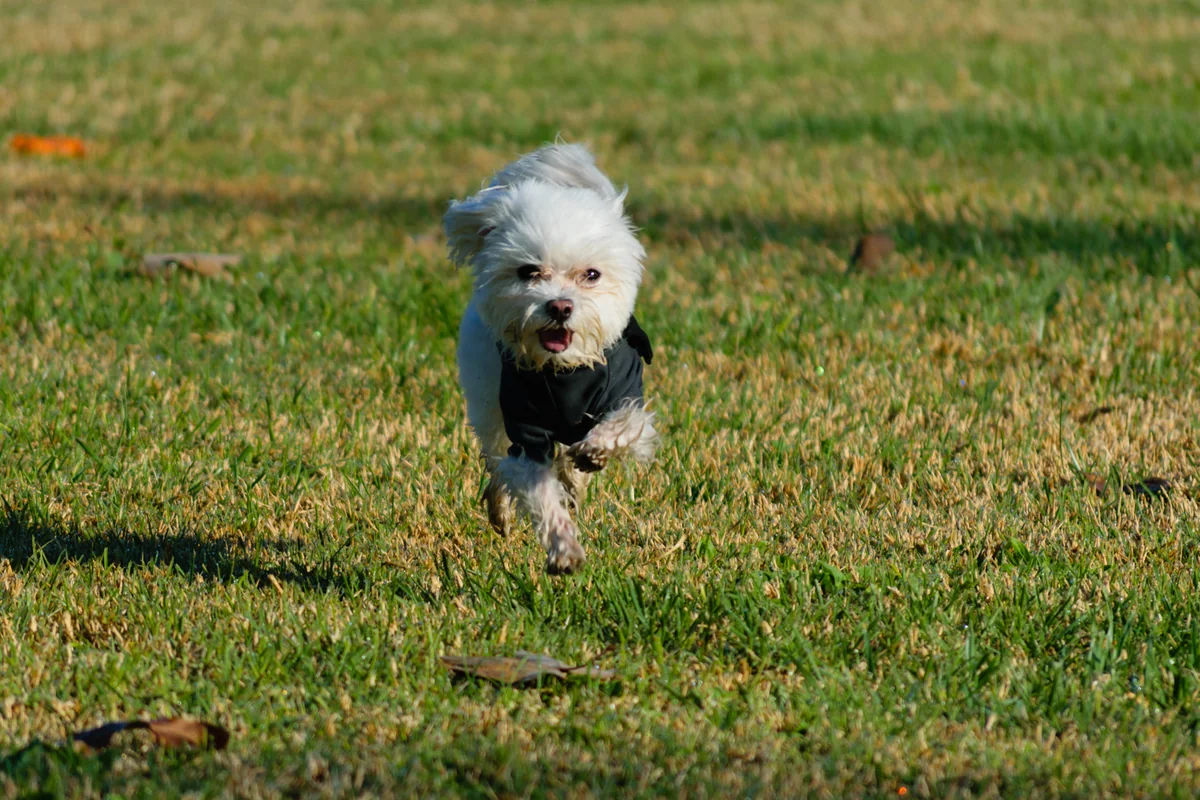
In action · A Maltese Running in the Grass · Pwnsey (EXIF copyright Jason R. Jones) · CC BY-SA 3.0 · Edited

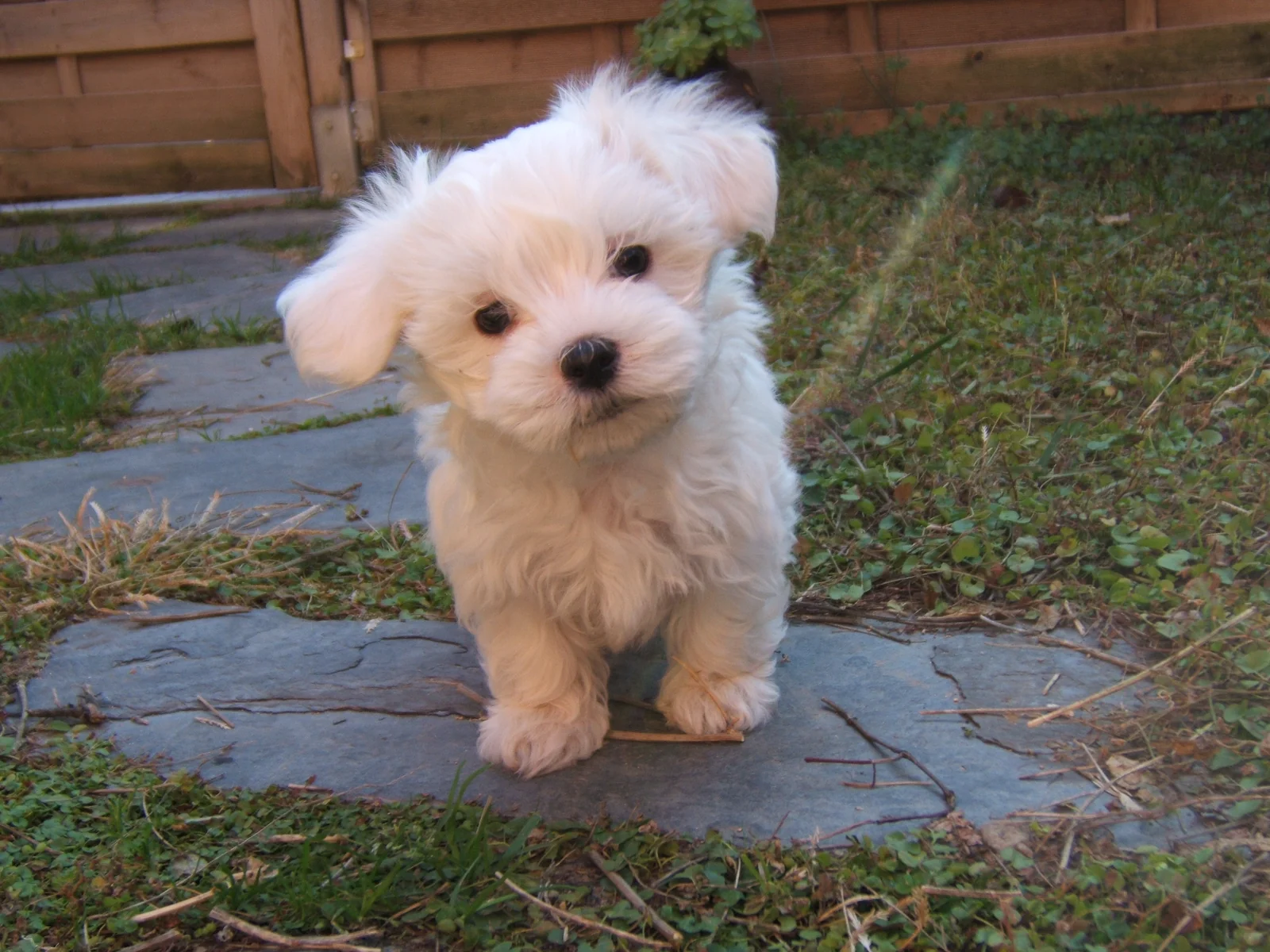
Puppy · Cachorro de Bichon Maltes · ManuelFD · CC BY 3.0 · Edited

Long coat · AKC Fall Dog Show 2013 · SheltieBoy · CC BY 2.0 · Edited
