fellfolio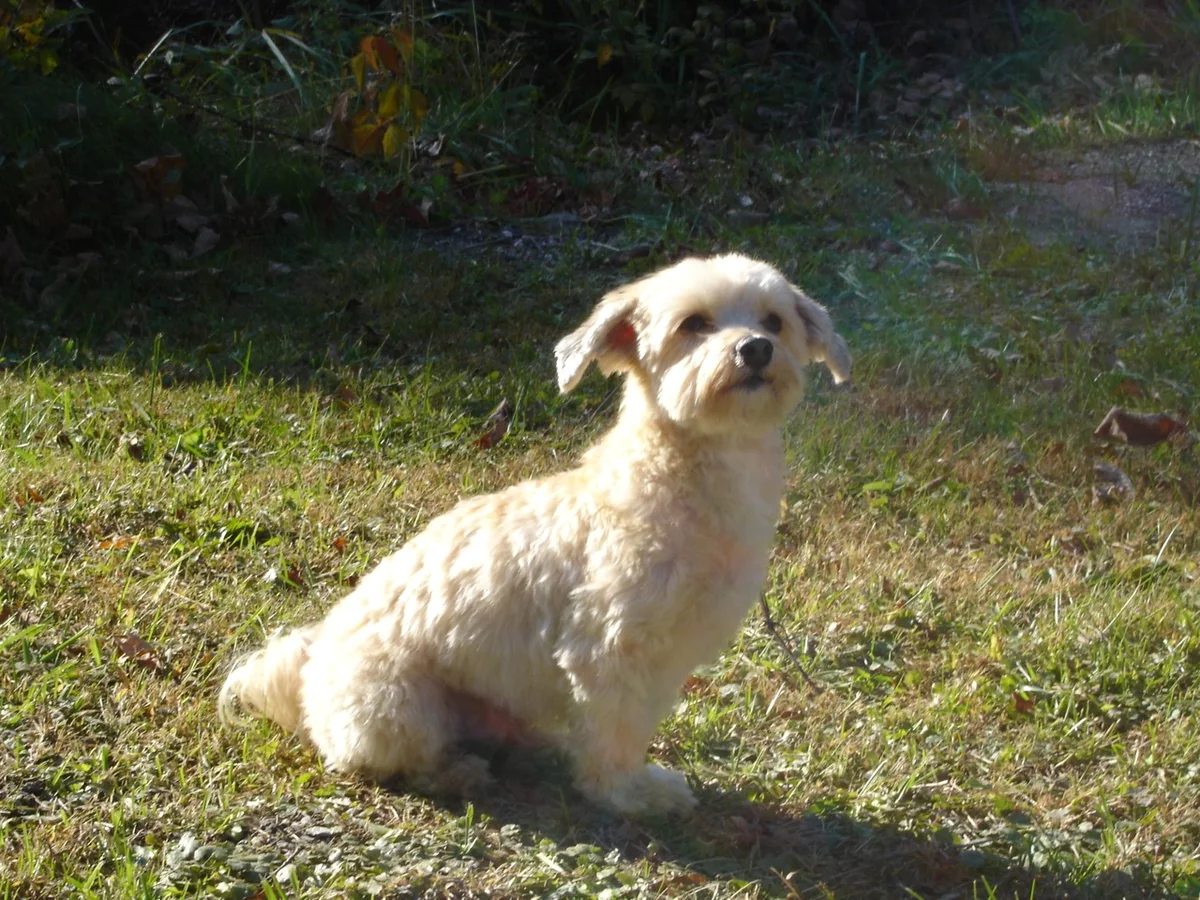
Companion dog
Bichon Frise
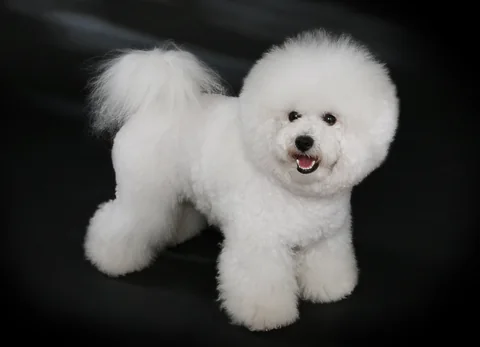
A small, curly-coated companion that is often interested in its people. Modest exercise needs come with a considerably greater grooming commitment.
Companion dog
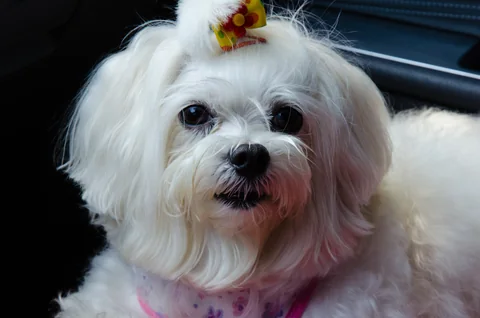
A cheerful companion who likes being part of family life and needs daily brushing.
Havanese are alert and playful. They enjoy being included and should learn gradually to spend short periods alone calmly.
Daily walks, brief training games and family time suit them well. Even a small dog needs a quiet retreat and reliable routines.
Being alone needs gradual practice. The RSPCA advises no more than four hours at a time; puppies and some adults need much shorter intervals. Arrange company during longer absences.
Brush the long, soft coat every day to prevent tangles. Check eyes and ears and keep up with dental care.
Measurements describe adult dogs and are a guide. Lines and individuals can vary; ask about the parents’ health, temperament and daily life.
PDSA lists luxating patellas, progressive retinal atrophy and portosystemic shunt. Ask about eye and other relevant family-line checks.
Breed traits describe tendencies. Breeding line, socialisation, care and experience shape the individual. Children and animals always need responsible supervision.
Selected by shared size, activity, grooming and training characteristics.
Companion dog
A small, curly-coated companion that is often interested in its people. Modest exercise needs come with a considerably greater grooming commitment.
Companion dog
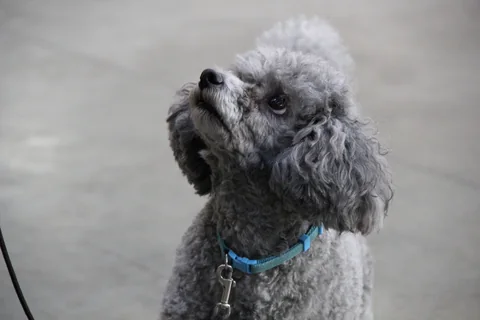
A responsive, agile dog in a small frame. This profile uses the FCI Miniature size category; British and American size boundaries differ.
Portrait · Brent Soderberg · CC BY 2.0 · Image cropped