fellfolio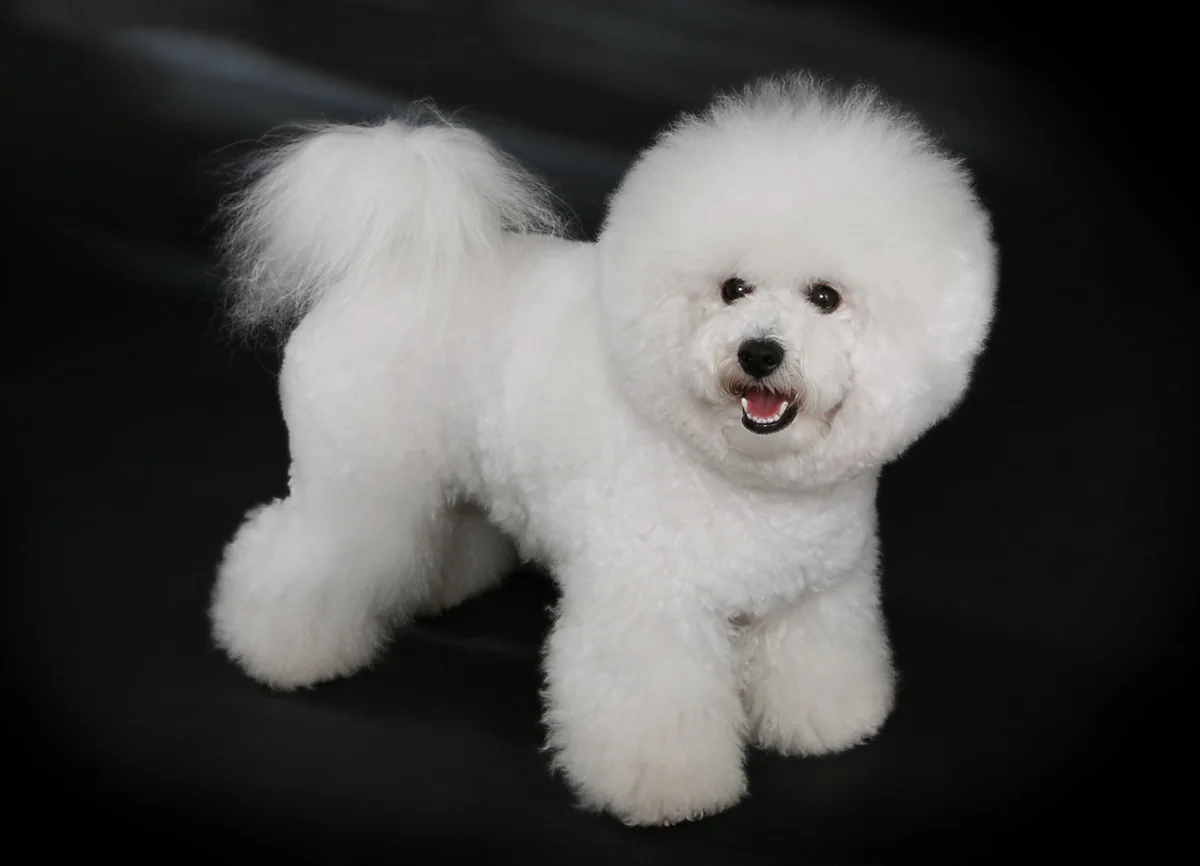
Companion dog
Havanese
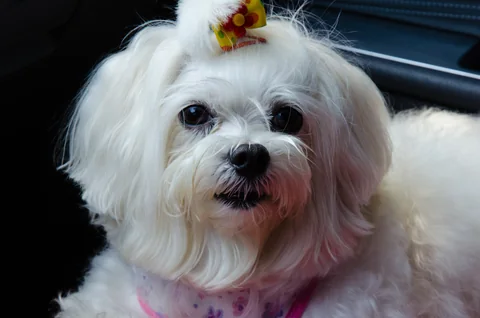
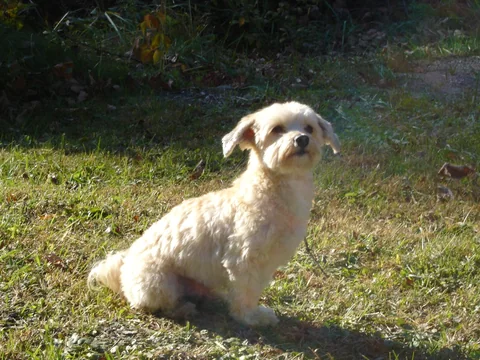
A cheerful companion who likes being part of family life and needs daily brushing.
Companion dog
A small, curly-coated companion that is often interested in its people. Modest exercise needs come with a considerably greater grooming commitment.
Bichons are often described as sociable and playful. They should still have a choice about when to seek contact. Small dogs need the same consistent boundaries and learning opportunities as large ones. Being picked up all the time does not replace careful socialisation.
Several short outings, play and shared learning often work better than one long excursion. A flat can be suitable if the dog does not spend the day alone. Children need to understand that it is not a toy. Introduce other animals calmly with supervision.
Being alone needs gradual practice. The RSPCA advises no more than four hours at a time; puppies and some adults need much shorter intervals. Arrange company during longer absences.
Work through the curls daily to prevent uncomfortable mats, alongside regular clipping. Keep the area around the eyes and paws clean with gentle handling, and remember teeth and nails. Few loose hairs mean neither little work nor guaranteed suitability for allergies.
Measurements are approximate adult values. Match a small puppy’s playmates and surroundings to its physical size. Grooming and handling needs may increase in later life even when walks become shorter.
PDSA describes concerns including patellar luxation, cataracts, allergies and urinary stones. Patellar luxation involves the kneecap moving out of its normal position. These conditions do not affect every Bichon. Ask for available health records and have movement or eye changes assessed by a vet.
A 2024 British study estimates a median of 12.5 years for this breed (95% confidence interval 12.3–12.7; 5902 dogs). The interval describes uncertainty in the estimate, not the range of individual lifespans. Region, sampling and living conditions limit generalisation.
Breed traits describe tendencies. Breeding line, socialisation, care and experience shape the individual. Children and animals always need responsible supervision.
Selected by shared size, activity, grooming and training characteristics.
Companion dog
A cheerful companion who likes being part of family life and needs daily brushing.
Companion dog
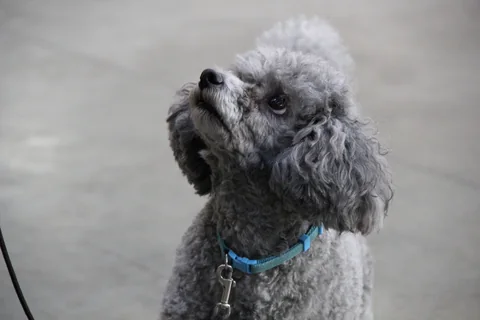
A responsive, agile dog in a small frame. This profile uses the FCI Miniature size category; British and American size boundaries differ.
Portrait · Heike Andres · CC BY-SA 3.0 de · Image cropped