 fellfolio
American flushing spaniel
American Cocker Spaniel
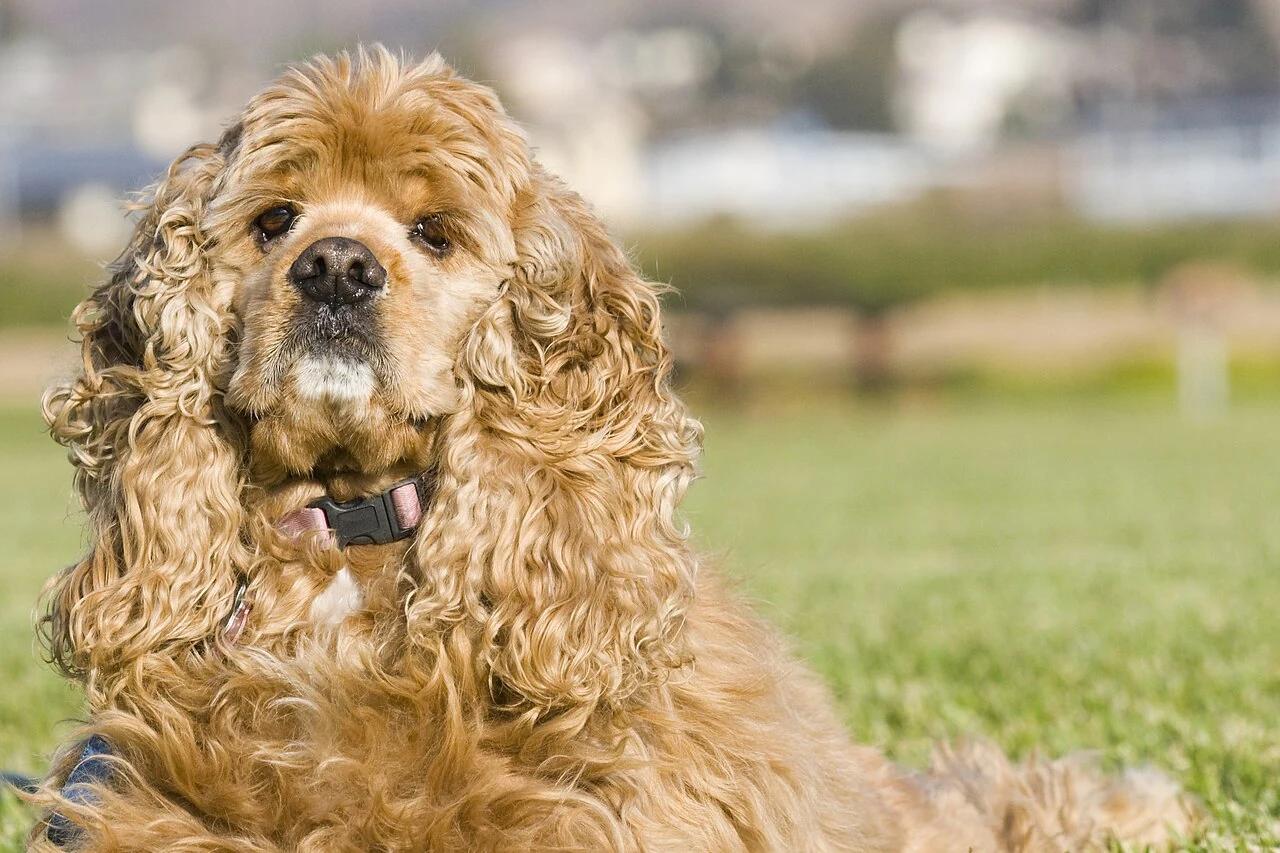
The American Cocker Spaniel combines a gentle expression and long, silky hair with a sporting dog’s curiosity. Many enjoy close company, unhurried sniffing and games with their people. Its manageable size suits a range of homes. Plenty of time should still be allowed for coat care, ears and an interesting daily routine.
At a glance
- Size
- Small
- Lifespan
- 10 to 14 years
- Activity
- Moderate
- Grooming
- Daily
- Training
- Often cooperative
- Owner experience
- First dog with support
A cheerful spaniel who enjoys joining in
The international breed organisation FCI describes the American Cocker as an even-tempered, cheerful dog. Many enjoy working with their people and respond well to praise, play and food rewards. A clear cue and a chance to succeed help the dog learn. If an exercise is proving difficult, reducing distractions or making the task easier is a useful next step.
A friendly Cocker may still greet visitors too enthusiastically or ignore a call when a scent is especially interesting. Calm greetings, recall and waiting at doors can be taught gradually. Children should learn to leave the dog undisturbed when eating or sleeping. An adult should supervise their interactions and notice whether the dog remains comfortable.
Its background as a flushing spaniel still matters in everyday life. Flushing means searching cover by scent and driving game out of hiding. Bird scent, rustling bushes and small animals running away can therefore attract considerable interest. When introducing a cat, both animals’ previous experiences and their responses to each other should guide the process.
Everyday life
Walks together, with time to sniff, suit this spaniel well. A familiar recall cue can be practised and rewarded along the way. In areas with wildlife, a safely handled long line, a longer lead attached to a harness, can limit the dog’s range while recall is still developing.
Many Cockers enjoy retrieving a toy. A soft toy of suitable size can be thrown or placed a short distance away to begin with. Returning and willingly giving it up should be rewarded as well as running after it. Indoor searching games offer another way to use the dog’s nose. Any food used should come out of the daily allowance.
A flat can be a suitable home when daily walks, companionship and a quiet place to sleep are provided. Care should be arranged for longer absences. Learning to be alone can begin with brief, comfortable separations. Persistent barking, pacing or scratching at doors suggests that the training needs adjusting and professional support may help.
Staying home alone
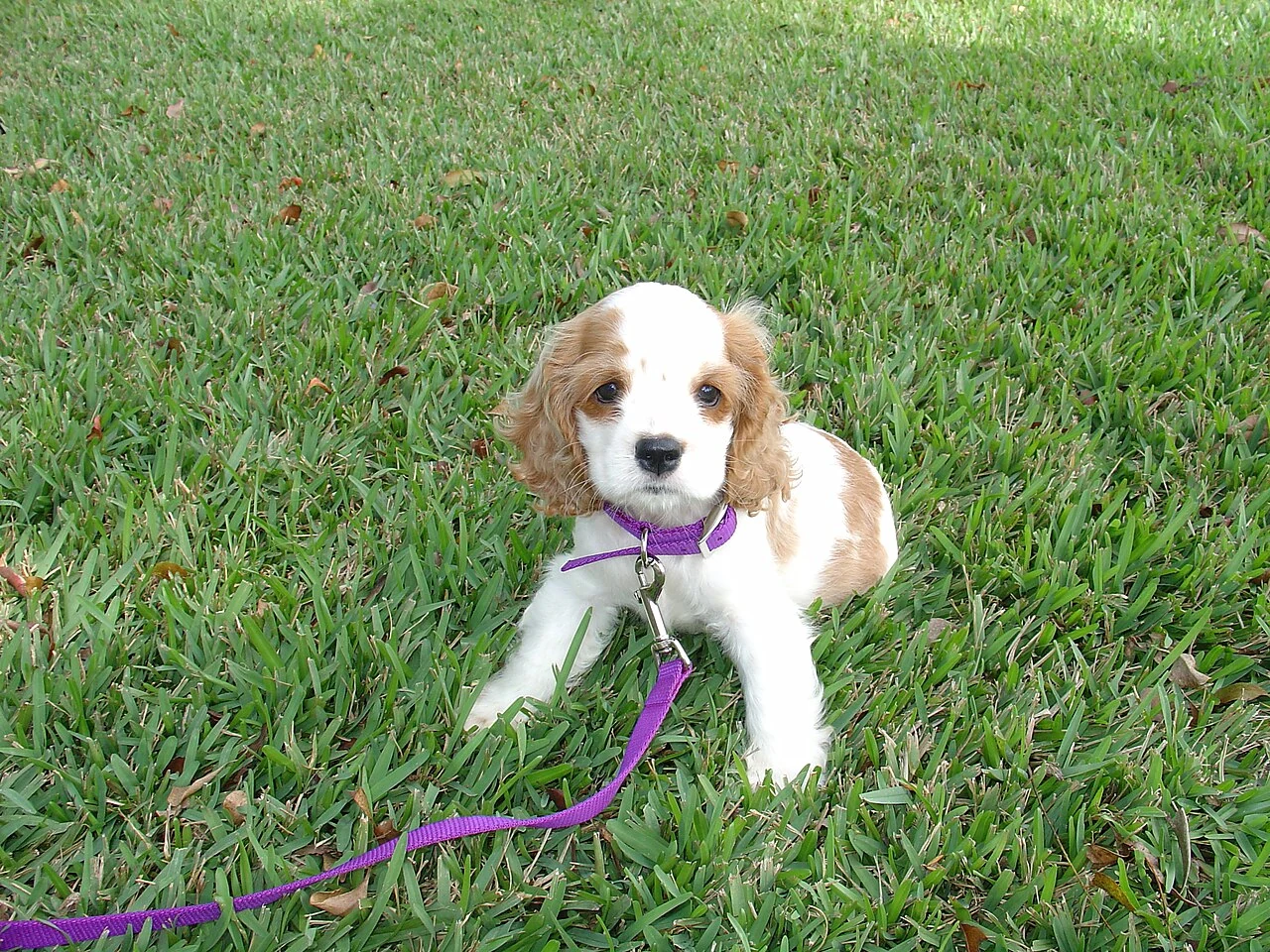
Dogs learn to stay home alone in small steps. The RSPCA advises no more than four hours at a time. Puppies and dogs that become unsettled when left alone need shorter absences and gradual practice. Arrange someone to care for your dog when you will be away longer.
Everyday dog training: recall, a loose lead and clear communication ↗

Day-to-day care
The longer hair on the ears, chest, belly and legs is called feathering. It should be combed through to the skin regularly because tangles can form underneath. A smooth-looking surface tells you little about the deeper layers. Behind the ears and in the armpits, gently feeling for knots with your fingers is particularly useful. Tight mats should be removed by someone experienced rather than pulled or cut with scissors close to the skin.
A practical haircut can make maintenance easier. A groomer experienced with spaniels can demonstrate suitable tools and coat length. After bathing, shampoo should be rinsed out thoroughly and the coat and ears dried carefully. The thin edges of the ears need a gentle touch when combing. Short, rewarded handling sessions can help a puppy become comfortable with checks of its feet, coat and ears.
The hanging ears should be checked regularly for redness, smell and discharge. Cleaning is best guided by veterinary advice and suitable products. Scratching, head shaking or pain should be investigated promptly. Daily toothbrushing with dog toothpaste is another useful part of care. After walks, feet and the long leg hair should be checked for plant material caught in the coat.
Size and build
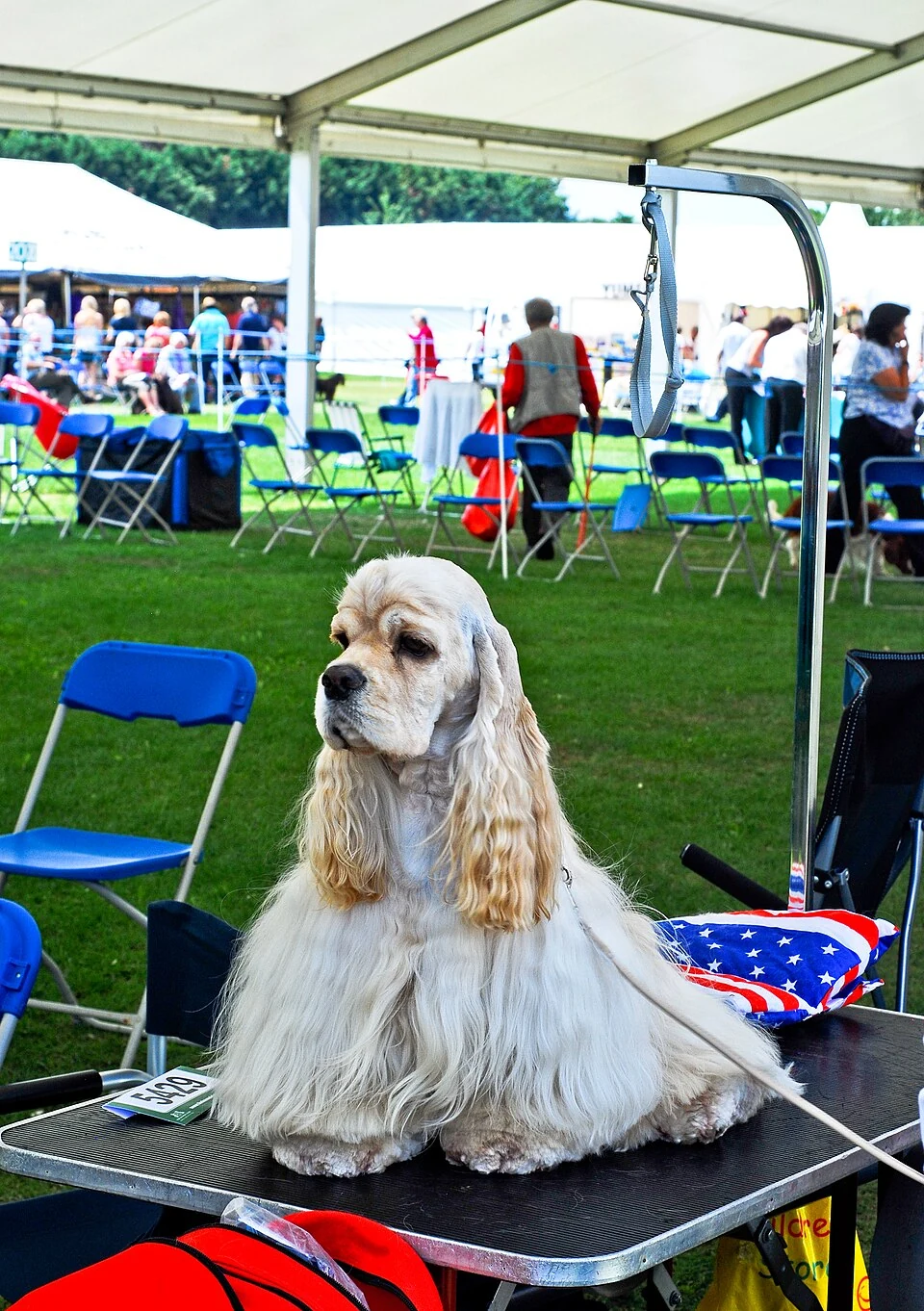
American and English Cocker Spaniels share spaniel ancestry but are separate breeds today. A more compact dog with a shorter muzzle and more feathering developed in the United States. The American Kennel Club separated the breeds in 1946. The American standard explicitly describes a companion role as well as work as a flushing dog.
The body is compact, the expression gentle and the long ears hang beside the head. The coat should be silky and flat or slightly wavy. Black, other solid colours and parti-coloured dogs are described in the standard. Ideal height is 38.1 cm for males and 35.56 cm for females, with a tolerance of 1.27 cm above or below each. These are sex-specific ideals with a tolerance, rather than a general height range. The FCI standard does not set a weight.
From puppy to senior: caring for your dog through every life stage ↗
Health
When choosing a puppy, documented hip assessments and current eye examinations for both parents should be available. The American Spaniel Club recommends these checks for breeding dogs. Hip dysplasia is abnormal development of the hip joint that can cause pain and arthritis. Limping, stiffness or difficulty getting up should be investigated.
Regular eye examinations matter. A cataract is clouding of the eye’s lens that can impair vision. PRA stands for progressive retinal atrophy and describes several inherited diseases affecting the retina, the light-sensitive layer inside the eye. A PRA-prcd DNA test checks for one particular form. A clear result therefore does not replace eye examinations or a review of other conditions in the family. Redness, squinting or a sudden deterioration in vision should receive prompt veterinary attention.
Ear infections can be painful and have several causes, including allergies, yeasts or bacteria. Recurrent problems should be discussed with the vet so the underlying cause can be treated. Body weight also deserves attention, particularly when food rewards are used frequently. The American Kennel Club gives a lifespan of 10 to 14 years. This helps with planning but cannot predict how long an individual dog will live.
Could this breed fit your life?
Could work well if …
- You want a manageable-sized dog to walk, play and train with every day.
- You can make regular time for thorough grooming and professional help when needed.
- You want the dog closely involved in your routine and have care arranged for longer absences.
What to consider
- Long hair can mat right down to the skin and needs more maintenance than its soft appearance might suggest.
- Scents and small animals may trigger hunting behaviour. Recall training and safe management should account for this.
- Parents’ hip results and current eye examinations should be available before choosing a puppy.
Similar needs, different dogs.
Selected by shared size, activity, grooming and training characteristics.

Companion dog
Bichon Frise
The Bichon Frise is a small, playful companion that likes to be near its people. Its white curly coat sheds little, but mats without daily care.

Companion dog
Havanese
Small, agile and happiest when included, the Havanese brings plenty of play into family life. Its long coat is lovely, but it needs attention every day.

Companion dog
Maltese
The Maltese is a tiny companion with plenty of curiosity. It wants to stay close to its people, explore on its own feet and have its long white coat brushed and combed every day.
Sources and photograph credit
- Teaching your dog to be left alone
Used in this profile for: Staying home alone
- Cocker Spaniel
Used in this profile for: Temperament, Everyday life, Day-to-day care, Lifespan, Could this breed fit your life?
- Guidelines for Breeding
Used in this profile for: Health
- American Cocker Spaniel, FCI Standard No. 167
Used in this profile for: Size / Weight, Temperament, Day-to-day care, Size and build, Could this breed fit your life?
- Cocker Spaniel Health Statement
Used in this profile for: Health
- History of the Cocker Spaniel and the ASC
Used in this profile for: Size and build
- Canine hip dysplasia (CHD)
Used in this profile for: Health
- Dental disease in dogs
Used in this profile for: Day-to-day care
- Ear problems in pets
Used in this profile for: Day-to-day care, Health
- Eye problems in dogs
Used in this profile for: Health
- Grooming and bathing pets
Used in this profile for: Day-to-day care
- Teaching your dog to be left alone
Used in this profile for: Everyday life, Could this breed fit your life?
- Separation-related behaviour
Used in this profile for: Everyday life
- Training your dog
Used in this profile for: Everyday life
- Progressive Retinal Atrophy, Progressive Rod-Cone Degeneration (PRA-prcd)
Used in this profile for: Health
Photo credits
Portrait · American Cocker Spaniel buff portrait.jpg · "Mike" Michael L. Baird · CC BY 2.0 · Edited

In action · American Cocker Spaniel agility.jpg · Ron Armstrong · CC BY 2.0 · Edited

Puppy · AMERICAN COCKER SPANIEL PUPPY 7 WEEKS.jpg · Funkymint · CC BY-SA 3.0 · Edited

Coat and features · An American Cocker Spaniel.jpg · Matt Batchelor · CC BY 2.0 · Edited
