 fellfolio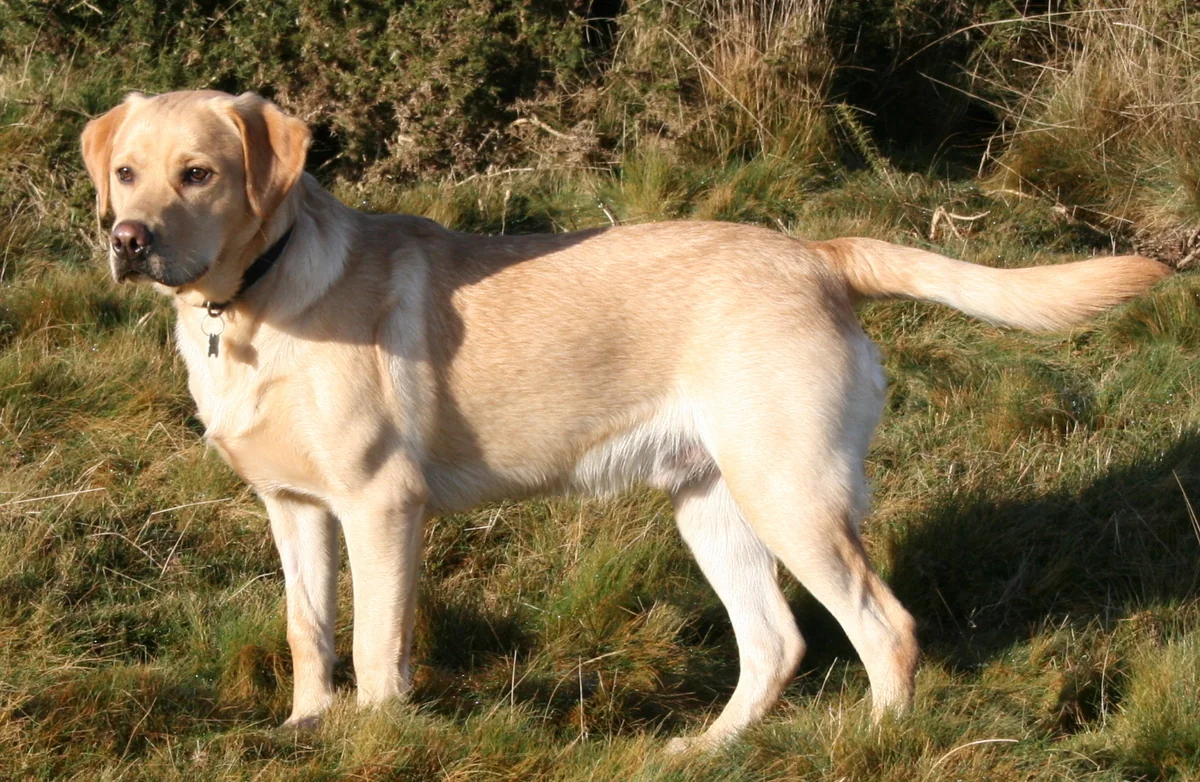
Guarding dog
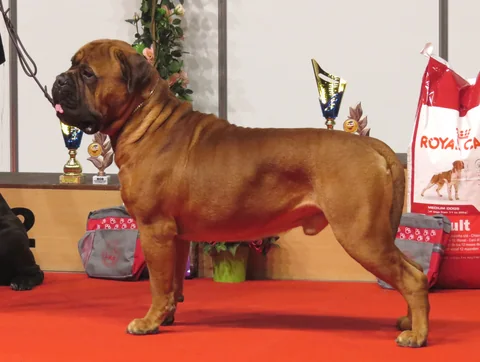
Bullmastiff
A large, powerful guardian with close family bonds and a need for safe handling.
Retriever
A strong, willing retriever that is often keen to work with people. A Labrador still needs an active life despite its easy-going family reputation.
Retrieving work helped shape the Labrador’s readiness to cooperate. That can help in everyday life, but it does not replace training. Working lines may have considerable stamina. Meet the individual dog and ask about its parents’ lives rather than relying on the breed’s reputation.
Make exercise and mental activity part of the day. Practise walking on a loose lead early, before excitement at the front door becomes a strength contest. A quiet resting place matters in a busy household. Supervise meetings with small children and other animals. A garden does not replace walks or training together.
Being alone needs gradual practice. The RSPCA advises no more than four hours at a time; puppies and some adults need much shorter intervals. Arrange company during longer absences.
The short coat usually needs a weekly brush, but it still sheds. Check the ears after swimming. Introduce tooth brushing and nail care in small steps. Keep an eye on changing body condition rather than assuming an enthusiastic appetite reflects the right amount of food.
These figures are a guide, not breeding or feeding targets. Working and show lines can differ in build. An adolescent may develop strength and size before reliable self-control. Allow for that during training and encounters.
PDSA identifies hip and elbow dysplasia, progressive retinal atrophy and a tendency to gain excess weight as concerns. Joint and eye screening and specific DNA tests are available for breeding dogs. Relevant results depend on the line and current guidance. These conditions are neither inevitable nor completely excluded by screening.
A 2024 British study estimates a median of 13.1 years for this breed (95% confidence interval 13.0–13.1; 43428 dogs). The interval describes uncertainty in the estimate, not the range of individual lifespans. Region, sampling and living conditions limit generalisation.
Breed traits describe tendencies. Breeding line, socialisation, care and experience shape the individual. Children and animals always need responsible supervision.
Selected by shared size, activity, grooming and training characteristics.
Guarding dog
A large, powerful guardian with close family bonds and a need for safe handling.
Retriever
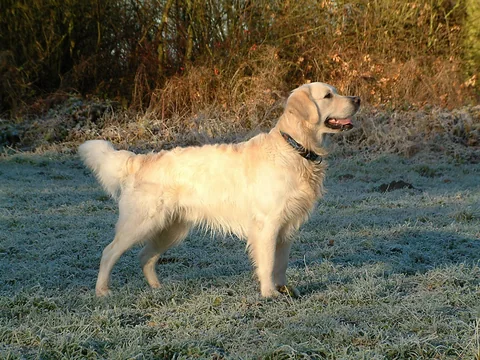
A substantial retriever that often enjoys working with people. Its friendly reputation can make it easy to underestimate the time a young dog needs.
Working dog
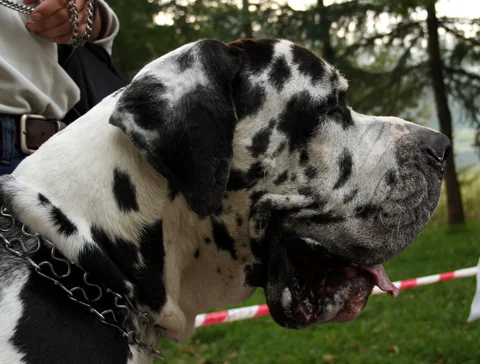
Exceptionally tall and usually short-coated, with substantial space and handling needs. Even a gentle dog can knock people over by accident.
Portrait · IDS.photos from Tiverton, UK · CC BY-SA 2.0 · Image cropped
.jpg)