 fellfolio
Compare breeds
Golden Retriever or Labrador: Which Fits Your Life?
Both retrievers were bred to work with people and often enjoy bringing things back. For a future owner, the more useful differences are coat care, the habits of the particular breeding line and daily life with a strong young dog. This comparison sets out what you would need to do and which health records to check before choosing a puppy.
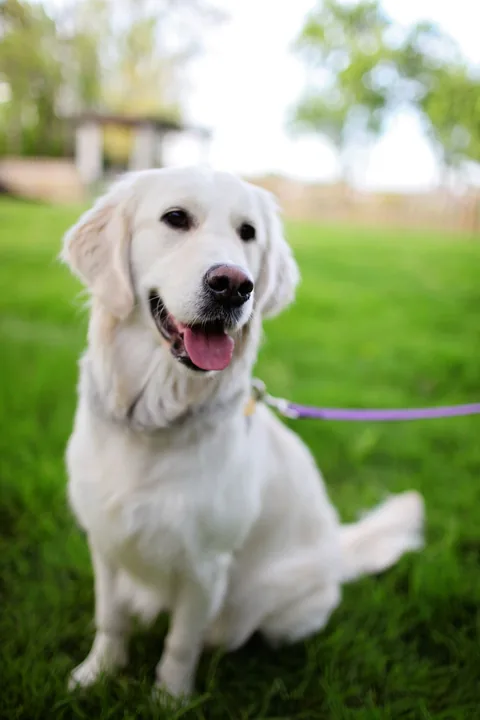

At a glance
| Golden Retriever | Labrador Retriever | |
|---|---|---|
| Size | Large | Large |
| Weight | 25 to 34 kg | 25 to 35 kg |
| Lifespan | over 10 years | over 10 years |
| Grooming | Several times weekly | Low |
These figures come from the linked breed profiles. They are broad guides and do not describe an individual animal.
Compare breeds
The day-to-day choice
A Golden may suit you if you want an active companion and are willing to comb a longer coat regularly. A Labrador brings a similarly active retriever life with less brushing. Both shed, both need training and both can be strong and exuberant when young. Before choosing, give the parents' daily routine and health records, and the individual dog's temperament, more weight than a blanket claim about either breed.
Exercise and training: Both need your time
The Royal Kennel Club places both breeds in its category of more than two hours of exercise a day. For a healthy adult, that means several outings with time to sniff, search and retrieve. A garden does not replace those shared walks. Labradors may enjoy water as much as Goldens do; breed alone cannot tell you whether an individual will love swimming or chasing a toy. Working lines, show lines and individual dogs can differ more in pace than these two breed labels suggest. Ask what the parents do each day and whether you can keep up that routine. Puppies, older dogs and dogs with joint disease need exercise tailored to them.
Sources: Golden Retriever · breed profile · Royal Kennel Club, Labrador Retriever · breed profile · Royal Kennel Club, Golden Retriever · health and care · PDSA · veterinary charity, Labrador Retriever · health and care · PDSA · veterinary charity
Family life: Friendly does not mean automatically calm
Many dogs of either breed seek company and enjoy working for a reward. A young Labrador may greet visitors with its whole body, while a young Golden can just as easily knock over a small child in play. Teach either dog to wait at the door, walk on a loose lead and give up objects calmly. Supervise play with children and provide a resting place where the dog is left alone while sleeping or eating. If you are regularly away for long stretches, arrange care and teach time alone gradually. When you meet a litter, watch the parents as well as the puppies, including how they settle after excitement.
Sources: Golden Retriever · health and care · PDSA · veterinary charity, Labrador Retriever · health and care · PDSA · veterinary charity, Golden Retriever · breed profile · Royal Kennel Club, Labrador Retriever · breed profile · Royal Kennel Club
Coat care: The difference you will notice
Mud and tangles can hide in a Golden Retriever's longer coat, especially behind the ears, on the legs and around the tail. PDSA advises thorough brushing or combing at least three times a week, and often daily during shedding seasons. A Labrador's short coat usually needs one thorough brush a week, although its dense undercoat still sheds, especially when the seasons change. If you want to spend less time with a comb, the Labrador offers a practical advantage. Neither breed will keep your home free of dog hair. After wet or muddy outings, check the coat and skin of either dog and let damp areas dry properly.
Sources: Golden Retriever · breed profile · Royal Kennel Club, Labrador Retriever · breed profile · Royal Kennel Club, Golden Retriever · health and care · PDSA · veterinary charity, Labrador Retriever · health and care · PDSA · veterinary charity
Health: Ask for records, not reassurance
For both breeds, hip and elbow scores and eye examinations are important breeding records. Hip and elbow dysplasia affect joint development and may later cause pain; progressive retinal atrophy damages the retina. For Goldens, relevant DNA tests also include particular forms of retinal atrophy and ichthyosis, which can cause scaly skin. For Labradors, the Royal Kennel Club lists tests including exercise induced collapse, or EIC, alongside other inherited conditions. Ask to see the dated results for both parents and have the breeder explain them. Normal results reduce some risks but cannot guarantee a healthy puppy. Pay particular attention to a Labrador's body condition and count training treats in its daily food, as excess weight is a documented concern in the breed.
Sources: Golden Retriever · breed profile · Royal Kennel Club, Labrador Retriever · breed profile · Royal Kennel Club, Golden Retriever · health and care · PDSA · veterinary charity, Labrador Retriever · health and care · PDSA · veterinary charity
Read the full breed profiles
Each profile explains exercise, care, health and fit with sources for each section.