 fellfolio
Guarding dog
Bullmastiff
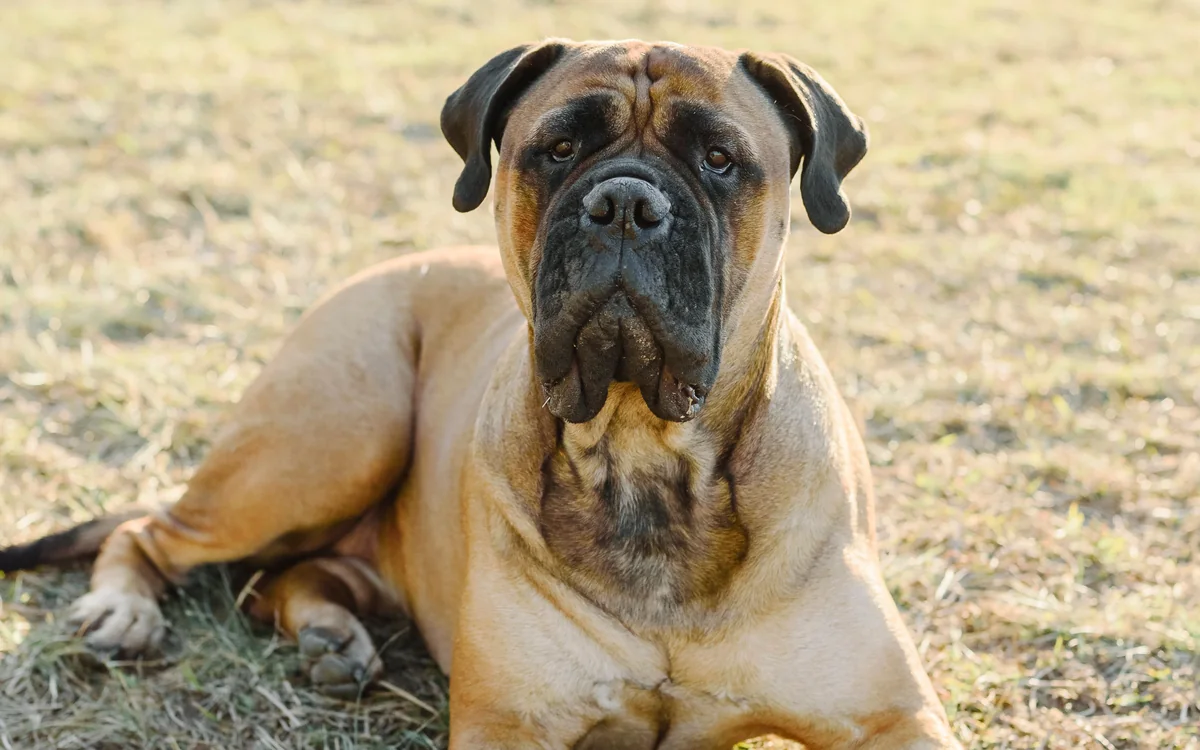
The Bullmastiff is a large guard dog that often bonds closely with family. It needs several walks each day and early lead and visitor training so you can handle its strength safely.
At a glance
- Size
- Large
- Height at shoulder
- 61 to 69 cm
- Weight
- 41 to 59 kg
- Lifespan
- under 10 years
- Activity
- High
- Grooming
- Low
- Training
- Demanding activities
- Owner experience
- Experience recommended
The history behind the watchful gaze
In nineteenth-century England, Bullmastiffs accompanied gamekeepers on night patrols. Their job was to find and hold intruders until help arrived. A family Bullmastiff does not need a guarding task. It may still watch unfamiliar people closely, making calm greetings particularly important with a dog of this size.
Many Bullmastiffs enjoy being close to their family. When visitors arrive, a calm routine helps: have the dog wait at a distance while you welcome people in. Once everyone has settled, the dog can greet the guests. Gentle early introductions to people and everyday situations matter more than forceful training.
Everyday life
The UK veterinary charity PDSA suggests around two hours of exercise a day for an adult Bullmastiff, spread across several walks. Walking together, sniffing and short training sessions suit this heavy dog better than long runs beside a bicycle. Puppies and young dogs should not be pushed into hard exercise before they mature. On warm days, choose shorter walks and shade. If your Bullmastiff's breathing becomes unusually noisy, end the walk and contact your vet. If the dog is visibly struggling to breathe, call your vet or an emergency vet immediately.
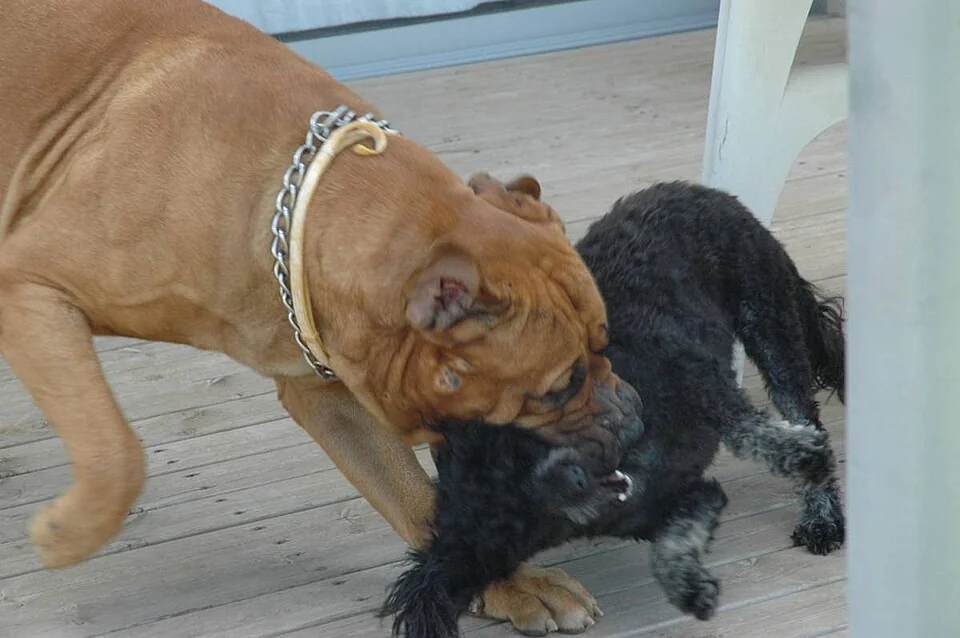
Loose-lead walking is worth teaching early. Once a Bullmastiff pulls, you cannot rely on strength alone to hold it. Supervise time with children: even an affectionate, boisterous greeting can knock them over. Do not leave small pets alone with the dog; PDSA warns about the breed's strong prey drive.
Staying home alone
Dogs learn to stay home alone in small steps. The RSPCA advises no more than four hours at a time. Puppies and dogs that become unsettled when left alone need shorter absences and gradual practice. Arrange someone to care for your dog when you will be away longer.
Everyday dog training: recall, a loose lead and clear communication ↗
Day-to-day care
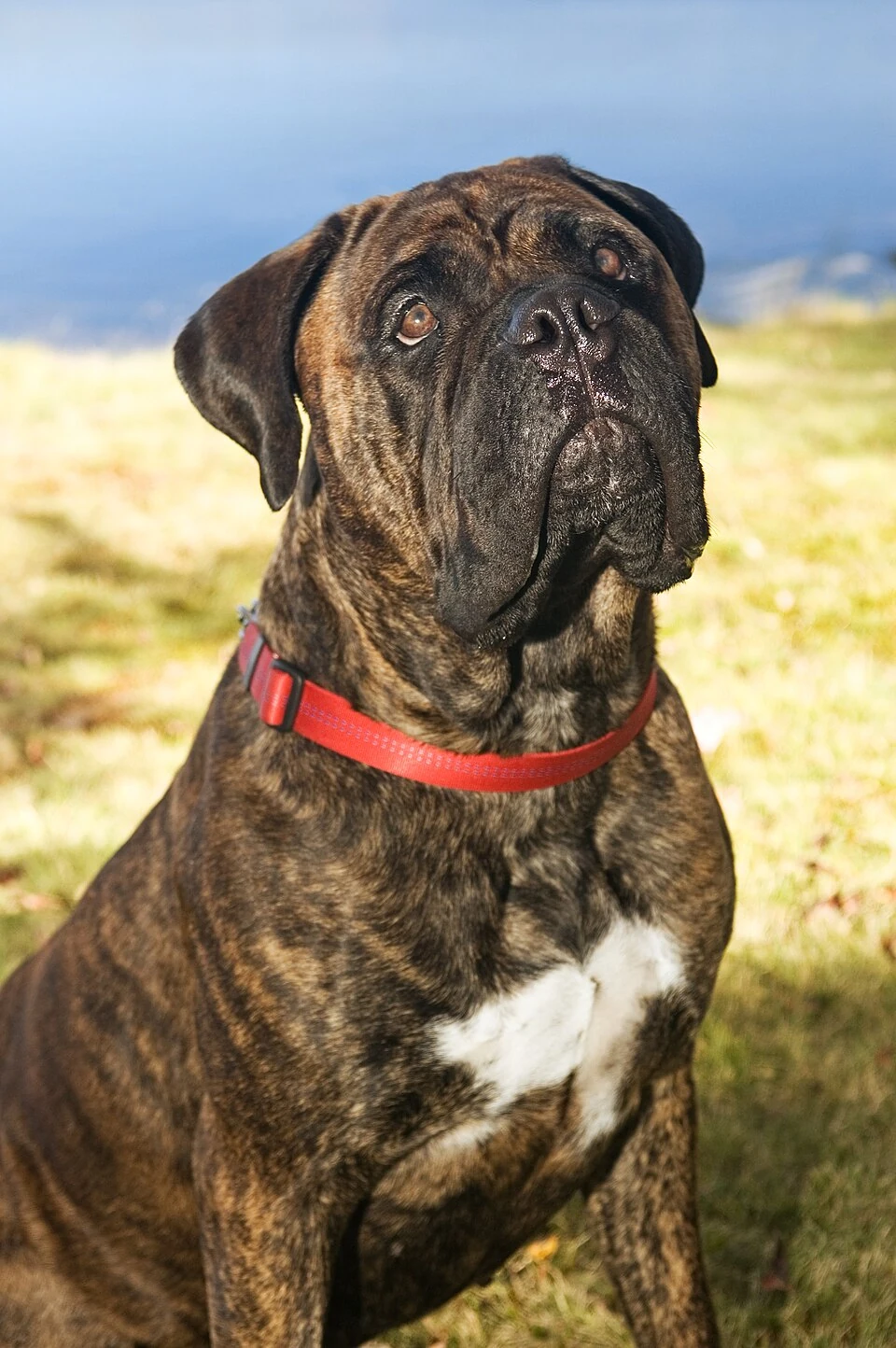
The short, close coat usually needs only a weekly brush. Facial folds need more attention. Moisture and dirt trapped there can irritate or infect the skin. Gently clean them as needed and dry them thoroughly.
Bullmastiffs often drool, especially around food and water. Keep a cloth handy. Redness, a smell or sore skin inside a fold calls for a veterinary check.
Size and build
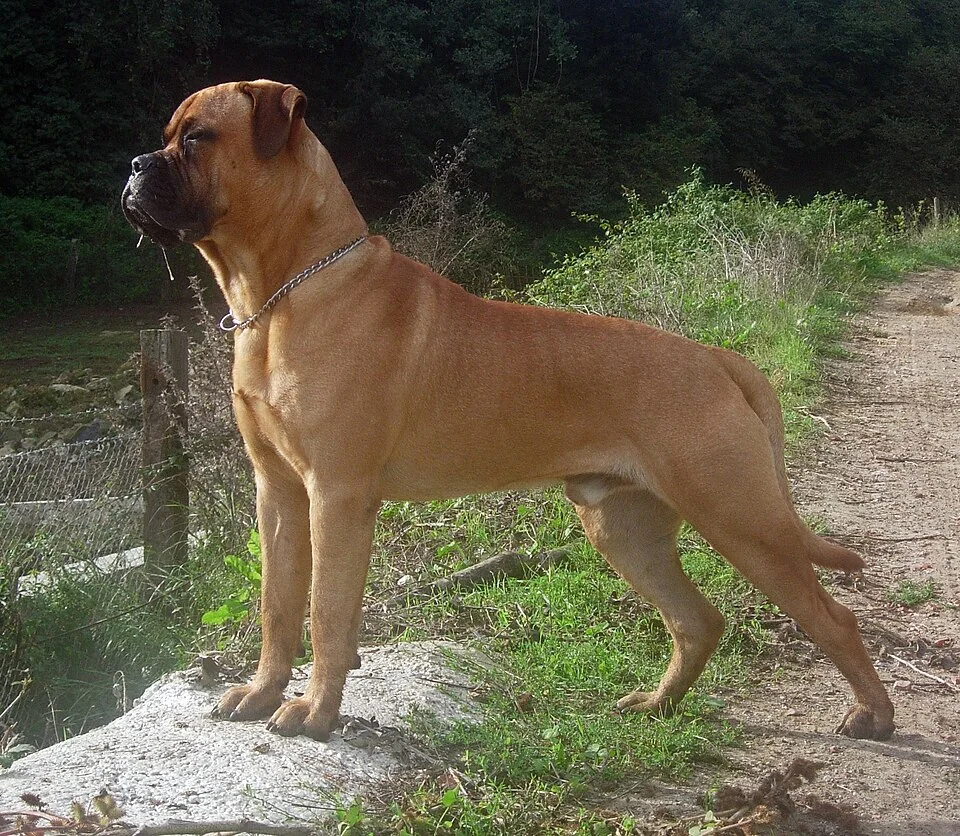
The breed standard gives females a shoulder height of about 61 to 66 cm and a weight of 41 to 50 kg; males measure 64 to 69 cm and weigh 50 to 59 kg. The chest is broad and deep, with powerful shoulders and hind legs. Despite its bulk, the dog should move freely and soundly rather than lumber.
The back is short and straight, and the coat is short and firm. A broad, square head, black mask and short but not completely flat muzzle are characteristic. Coats may be fawn, red or brindle. For such a heavy dog, easy movement and quiet breathing matter more than an exceptionally massive head.
From puppy to senior: caring for your dog through every life stage ↗
Health
Before choosing a puppy, ask to see the parents' health records. The Royal Kennel Club recommends hip, elbow and eye screening for Bullmastiffs. Poorly developed hip or elbow joints can cause pain and arthritis. Ask for the actual results for both parents and have them explained to you.
The short muzzle can make breathing and cooling harder. PDSA notes that noisy breathing, tiring quickly and struggling in warm weather can be signs of obstructed airways, not harmless breed quirks. A dog with these symptoms needs a veterinary assessment.
Bullmastiffs are also at risk of gastric dilatation-volvulus, or GDV, when the stomach swells and twists. If a dog repeatedly retches without bringing anything up, becomes suddenly very restless or develops a swollen abdomen, call an emergency vet immediately and go there. Do not wait for visible swelling: the abdomen can look normal despite GDV.
Could this breed fit your life?
Could work well if …
- You can safely handle a very powerful dog and practise calm greetings with visitors.
- You have time for several daily walks and room for the dog to move comfortably indoors.
May be less suitable if …
- Young children or small pets would often be left unsupervised with the dog.
- You want a running companion for long, fast distances.
Similar needs, different dogs.
Selected by shared size, activity, grooming and training characteristics.
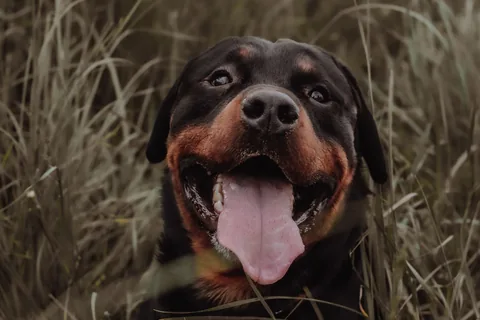
Working dog
Rottweiler
Rottweilers often bond closely with family and are very strong. Early practice with visitors and other dogs should allow enough space for calm encounters. Daily walks and short training sessions are part of their routine.
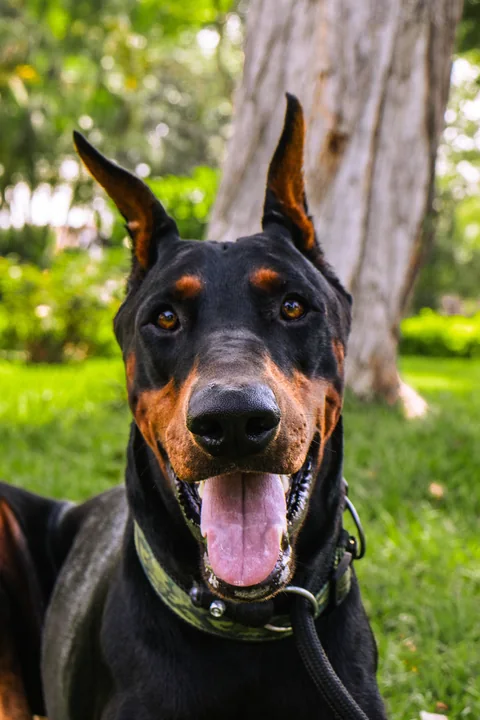
Working and guarding dog
Dobermann
The Dobermann is athletic and alert, and needs daily exercise and shared tasks. Practise walking on lead, recall and calm introductions early so you can handle its strength safely.
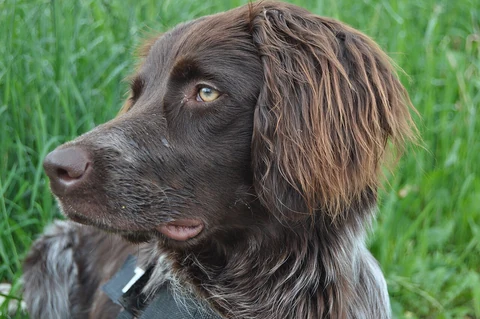
Versatile pointing gundog
German Longhaired Pointer
The German Longhaired Pointer is a large, long-coated pointing dog. Breeding is focused on its ability to do practical hunting work, combining field searches with tasks in woodland and water. A prospective owner should be able to provide suitable training and hunting opportunities.
Sources and photograph credit
- Teaching your dog to be left alone
Used in this profile for: Staying home alone
- Bullmastiff · breed profile and health
Used in this profile for: Temperament, Everyday life, Day-to-day care, Health, Could this breed fit your life?
- Bullmastiff · breed standard
Used in this profile for: Size and build
- First aid for pets struggling to breathe
Used in this profile for: Everyday life
- GDV (Gastric Dilatation Volvulus) in dogs
Used in this profile for: Health
- Bullmastiff · breed guide
Used in this profile for: Size / Weight, Temperament, Everyday life, Day-to-day care, Size and build, Health, Lifespan, Could this breed fit your life?
Photo credits
Portrait · Alina Skazka · Pexels License
Head and coat · Brindle bullmastiff female · BootsSiR · CC BY-SA 3.0 · Edited

Side view · File:Bullmastiff edited.JPG · Fausto Moreno · CC BY-SA 3.0 · Edited

Playing · Bullmastiff playing with poodle · Davidmiron · CC BY-SA 3.0 · Edited
