 fellfolio
French water dog
Barbet
The Barbet is a French water dog with a dense curly coat, a distinctive beard and an appetite for shared activities. Many seek close contact with their people and enjoy walks, searching games and trips to the water. Its sporting background and substantial grooming needs should both appeal to anyone considering the breed.
At a glance
- Size
- Large
- Height at shoulder
- 53 to 65 cm
- Lifespan
- 12 to 14 years
- Activity
- High
- Grooming
- Specialist coat care
- Training
- Often cooperative
- Owner experience
- First dog with support
A water-loving dog who enjoys close company
The international breed organisation FCI describes an even-tempered, sociable dog closely attached to its people. Many Barbets work willingly with a friendly training approach. Calm greetings, reliable waiting and settling after an outing are valuable skills for a lively adolescent, alongside retrieving a toy.
The breed worked on waterfowl hunts, searching waterside vegetation, driving birds out of hiding and bringing back those shot by the hunter. That background helps explain why scent, carrying objects and water attract many Barbets. The strength of hunting behaviour should be assessed in the individual dog. Suitable management matters around wildlife and free-living water birds.
Sociability can make introductions easier, but they still need supervision. Children should respect sleeping and feeding areas, and an adult should oversee shared games. Contact with other pets should develop gradually too. A curious dog and a cautious cat need different opportunities to keep a comfortable distance.
Everyday life
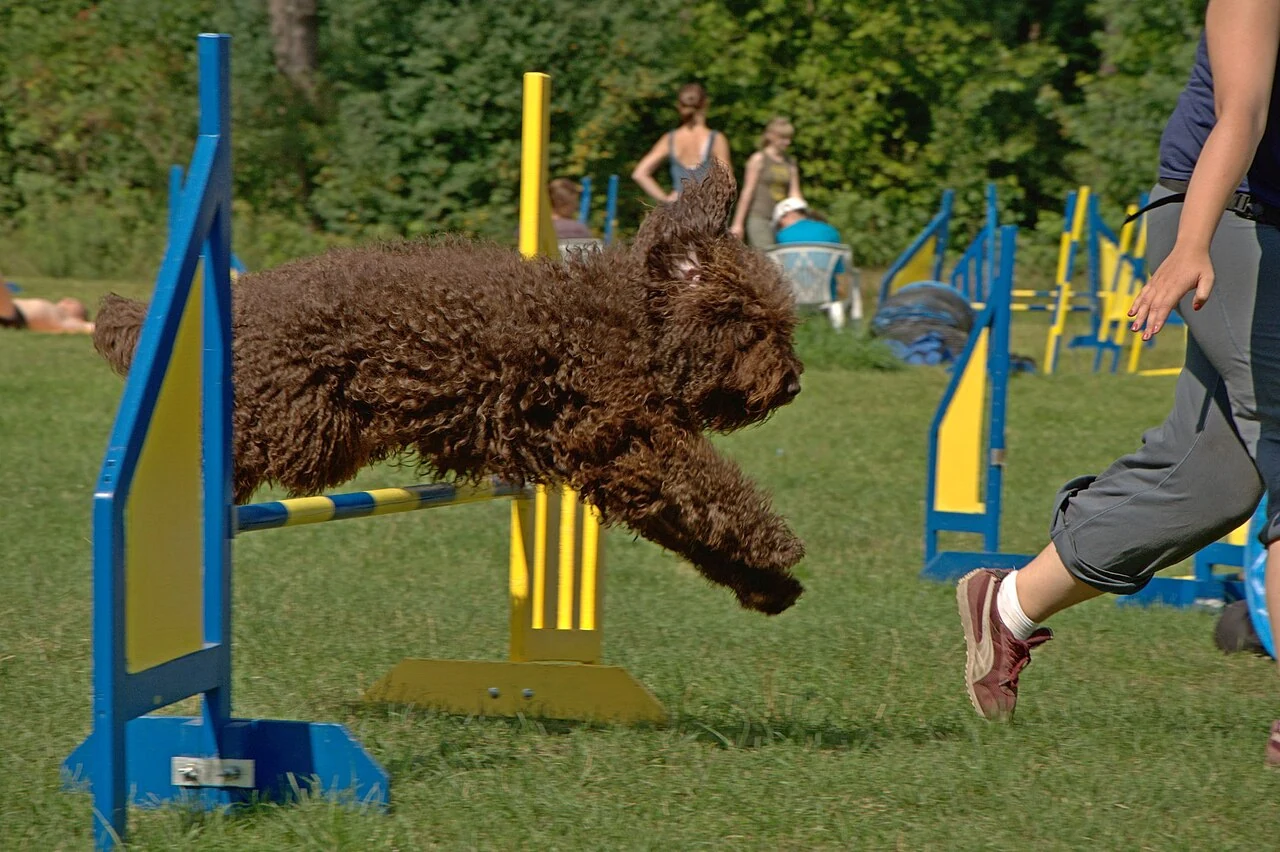
Everyday walks should offer both movement and plenty of sniffing. A fenced area can provide room for free play. For a searching game, a familiar toy can be placed somewhere easily accessible while the dog waits. It can then find the toy and bring it back. New hiding places can make the task more interesting once the dog understands the game.
Swimming can be enjoyable when the water is suitable and the dog can safely get in and out. A Barbet should be able to approach water voluntarily. Recall and waiting at the bank should be practised so it does not jump in whenever the opportunity arises. Checking and drying the coat and ears belongs in the routine afterwards.
Many Barbets enjoy company and rest near their people after shared activity. Learning to cope without a carer should be built up gradually. Restlessness or persistent barking suggests that the separation should become shorter again. Longer working days require reliable care arrangements. A flat can work when walks, resting space and daily grooming are well organised.
Staying home alone
Dogs learn to stay home alone in small steps. The RSPCA advises no more than four hours at a time. Puppies and dogs that become unsettled when left alone need shorter absences and gradual practice. Arrange someone to care for your dog when you will be away longer.
Everyday dog training: recall, a loose lead and clear communication ↗
Day-to-day care
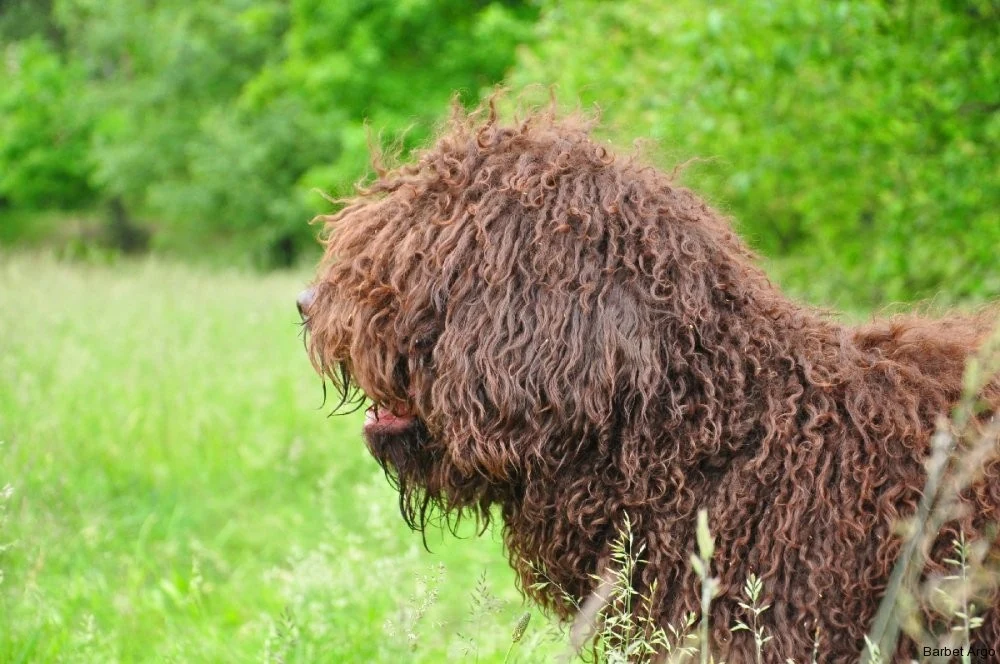
The curly coat retains loose hair and can mat close to the skin. Brushing only the outer surface is therefore often insufficient. The Barbet Club of America recommends combing carefully through to the skin. Armpits, flanks, behind the ears and the beard deserve particular attention. An experienced groomer can demonstrate how to lift small sections and work gently through the hair underneath.
The transition from puppy to adult coat is particularly prone to tangles. Grooming should be adjusted carefully to the individual dog during this period. A shorter pet trim can make maintenance easier. Brief, pleasant grooming sessions from an early age help the dog get used to handling around its legs and face. Tight mats or irritated skin need experienced attention.
The beard may become wet or dirty after eating and drinking and should be cleaned as needed. Following a bath, dog shampoo should be rinsed out thoroughly and the deeper layers dried well. Ears should be checked for smell, redness and discharge. Scratching or head shaking warrants veterinary examination. Regular nail checks and daily toothbrushing complete the care routine.
Size and build
The Barbet belongs to France’s old water-dog breeds. According to the FCI standard, written descriptions date back to the 16th century. Its name comes from the French word “barbe”, meaning beard. Work in water and dense vegetation helped shape both its appearance and interests.
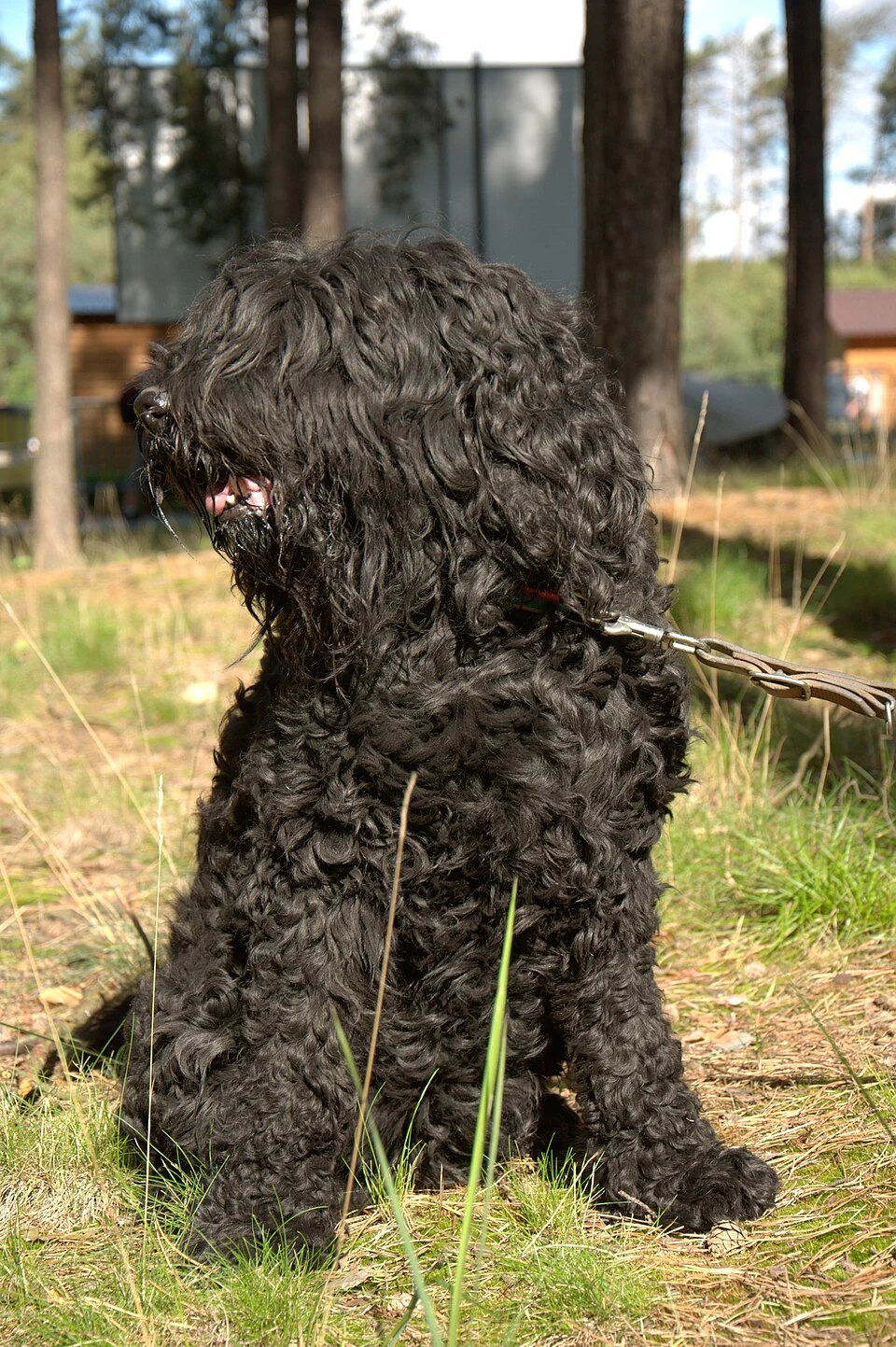
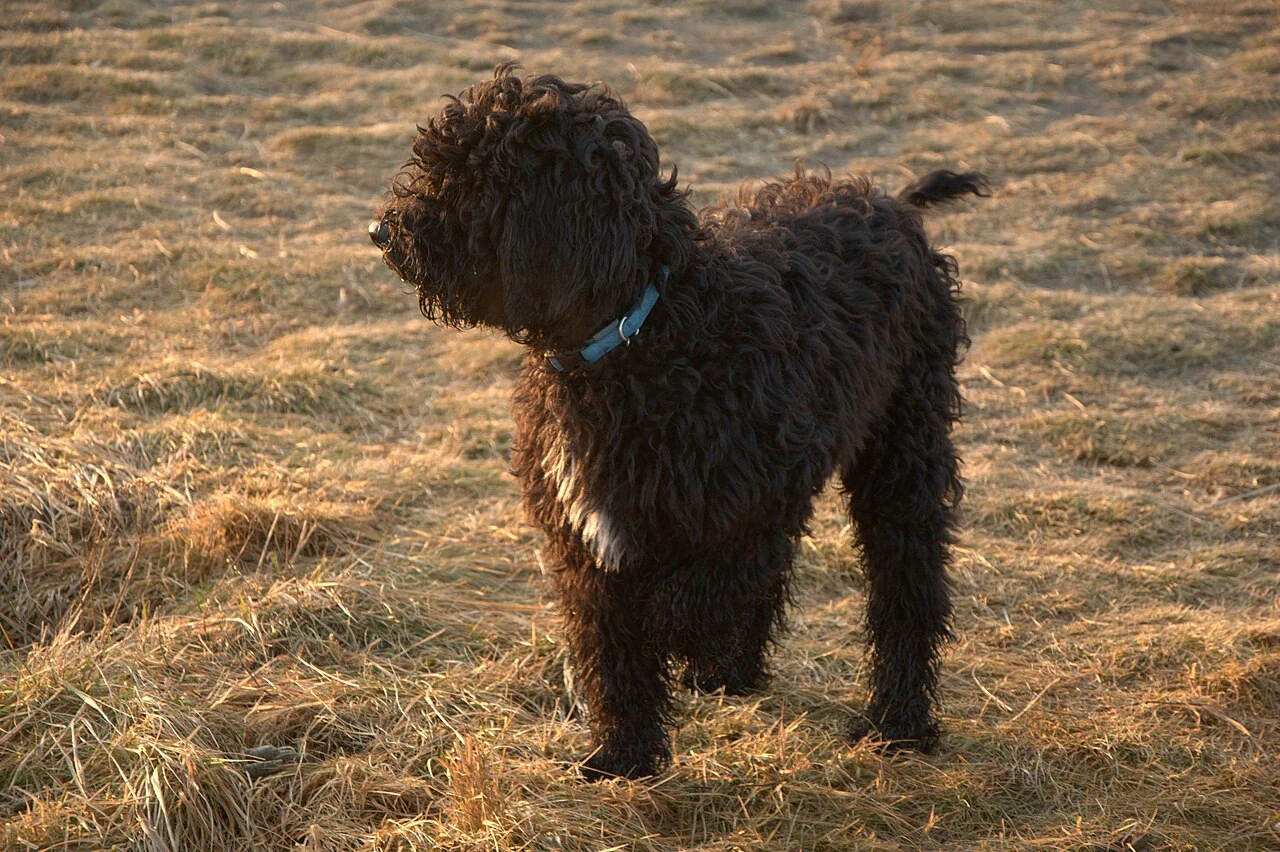
Beneath the long, woolly curls is a strongly built dog with a body slightly longer than its height. The tail ends in a gentle hook. The standard describes black, grey, brown, fawn and white dogs, among other colours. Males should stand 58 to 65 cm and females 53 to 61 cm, with an additional tolerance of 1 cm. The FCI standard does not specify a fixed weight.
From puppy to senior: caring for your dog through every life stage ↗
Health
The American breed club recommends documented hip and elbow assessments, regular specialist eye examinations and a PRA-prcd DNA test for breeding dogs. Results for both parents should be available when choosing a puppy. Hip and elbow dysplasia are abnormal joint development that can cause pain and arthritis. Limping or difficulty getting up should be investigated.
PRA stands for progressive retinal atrophy, a group of inherited diseases affecting the retina. The retina is the eye’s light-sensitive layer. The prcd form can initially affect vision in low light and later in daylight too. The DNA test checks this particular variant. Regular eye examinations remain important for detecting other diseases.
A well-maintained coat also makes it easier to observe the skin. Repeated scratching, red areas or unusual odour should be discussed with the vet. During growth and later training, food and physical demands should suit the dog. The American Kennel Club gives a lifespan of 12 to 14 years. Family health records and the individual dog’s health are also useful for personal planning.
Could this breed fit your life?
Could work well if …
- You want an active companion for outings, searching games and friendly training.
- You enjoy thorough grooming and can arrange experienced help.
- You can offer plenty of shared time and reliable care during longer absences.
What to consider
- Curls can mat down to the skin, particularly during the change from puppy coat.
- Water and bird scent may be highly attractive. Safe management and recall should be taught early.
- Parents’ joint assessments, eye examinations and relevant DNA results should be available when choosing a puppy.
Similar needs, different dogs.
Selected by shared size, activity, grooming and training characteristics.
Flemish cattle and farm dog
Bouvier des Flandres
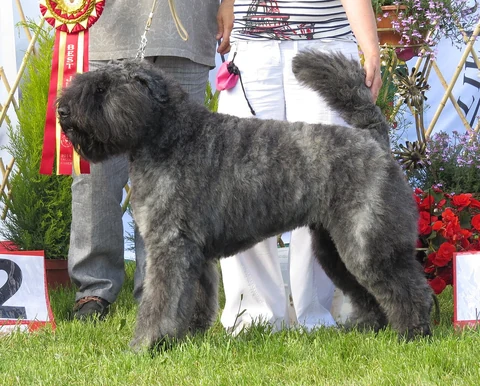
The Bouvier des Flandres is a powerful dog with a rough coat, a substantial beard and a long history of helping on Flemish farms. Many are closely attached to their families and watch their surroundings attentively. Shared exercise, useful activities and thorough grooming belong in its daily routine. Its strength should be considered from the outset when training and arranging the home.
Retriever
Golden Retriever
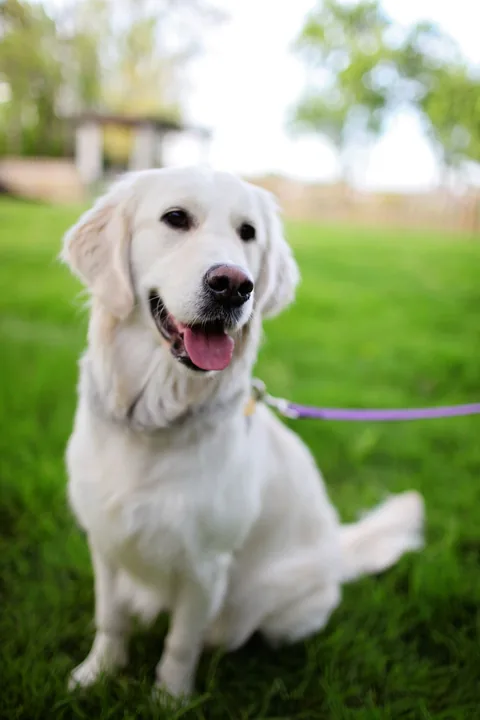
Bred to retrieve shot game, Golden Retrievers often like searching and carrying things back. They need long walks, regular coat care and people who can safely handle a strong young dog.
Retriever
Labrador Retriever
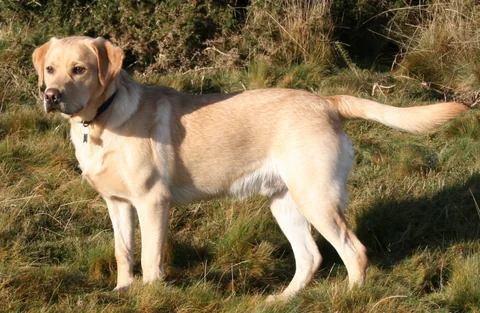
Labrador Retrievers like retrieving, often love water and enjoy being near people. They need plenty of exercise and people who can handle them safely on lead and practise calm greetings.
Sources and photograph credit
- Teaching your dog to be left alone
Used in this profile for: Staying home alone
- Barbet
Used in this profile for: Temperament, Everyday life, Day-to-day care, Lifespan, Could this breed fit your life?
- Barbet, FCI Standard No. 105
Used in this profile for: Size / Weight, Temperament, Size and build, Could this breed fit your life?
- Grooming
Used in this profile for: Day-to-day care, Could this breed fit your life?
- BCA Health Statement
Used in this profile for: Health
- Canine hip dysplasia (CHD)
Used in this profile for: Health
- Dental disease in dogs
Used in this profile for: Day-to-day care
- Ear problems in pets
Used in this profile for: Day-to-day care
- Eye problems in dogs
Used in this profile for: Health
- Grooming and bathing pets
Used in this profile for: Day-to-day care
- Teaching your dog to be left alone
Used in this profile for: Everyday life
- Separation-related behaviour
Used in this profile for: Everyday life
- Training your dog
Used in this profile for: Everyday life
- Progressive Retinal Atrophy, Progressive Rod-Cone Degeneration (PRA-prcd)
Used in this profile for: Health
Photo credits
Portrait · Ottavia.jpg · Bwierc · CC BY-SA 3.0 · Edited

Coat and features · Barbet argo02.jpg · Bwierc · CC BY-SA 3.0 · Edited

Puppy · Georgia on my Mind de la Serve de la Chapelle d'Alexandre.jpg · Bwierc · CC BY-SA 3.0 · Edited

In action · Obóz agility (9 of 261).jpg · Bwierc · CC BY-SA 3.0 · Edited
.jpg)