 fellfolio
Small Japanese companion with a silky coat
Japanese Chin
The Japanese Chin is a small companion with a silky coat, a broad face and a feathered tail carried over its back. It combines lively games with a close attachment to its people. A suitable home offers gentle handling, regular grooming and careful attention to the health implications of its short nose.
At a glance
- Size
- Small
- Lifespan
- 10 to 12 years
- Activity
- Moderate
- Grooming
- Several times weekly
- Training
- Patience & clear guidance
- Owner experience
- First dog with support
An observant companion developed in Japan
The Japanese Chin’s earliest origins remain uncertain. Historical accounts describe dogs reaching the Japanese court from Korea. It has a long, established history as a companion in wealthy and aristocratic Japanese households, and became better known in the West during the nineteenth century. Its development centred on company indoors rather than hunting or demanding physical work.
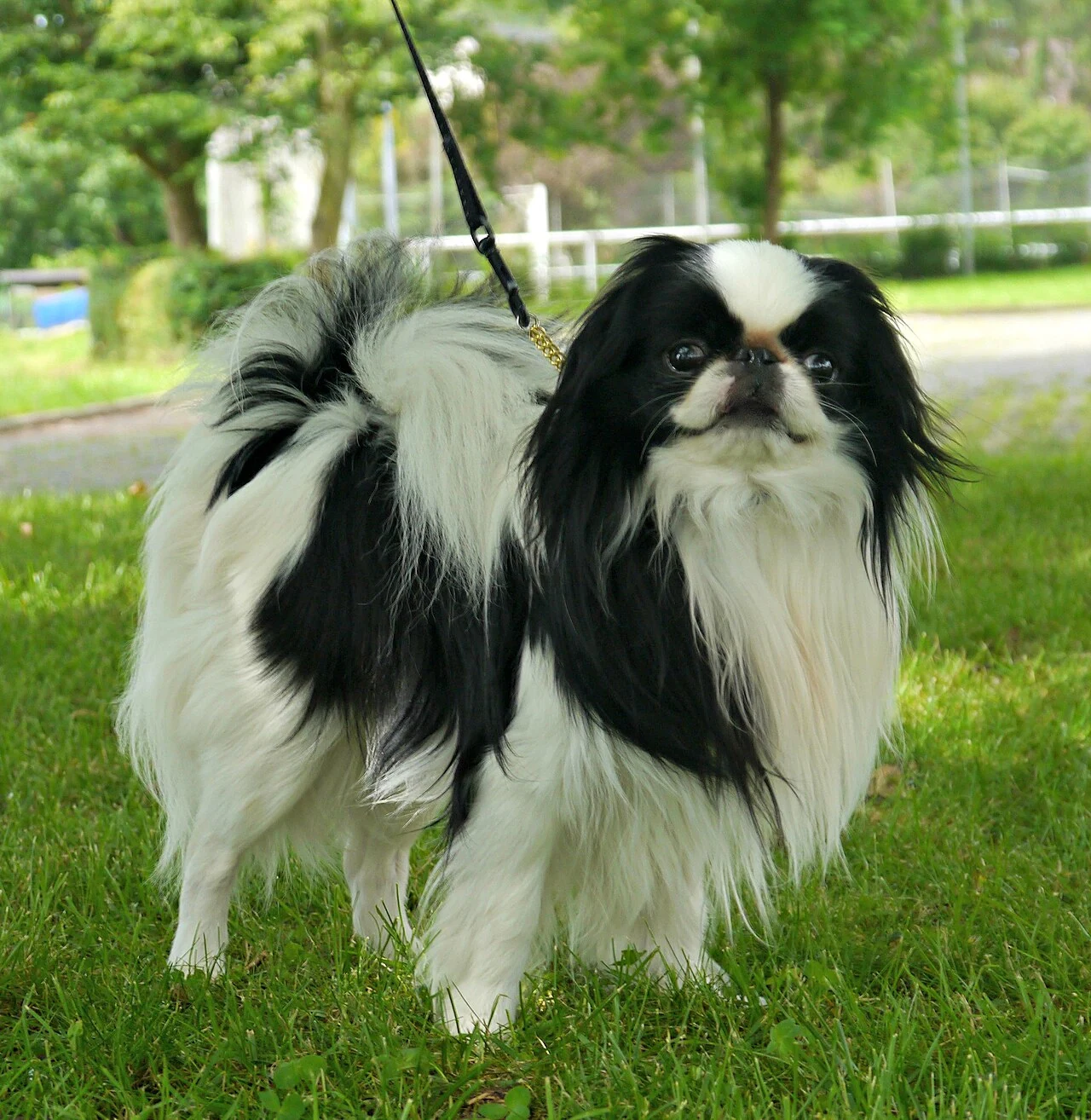
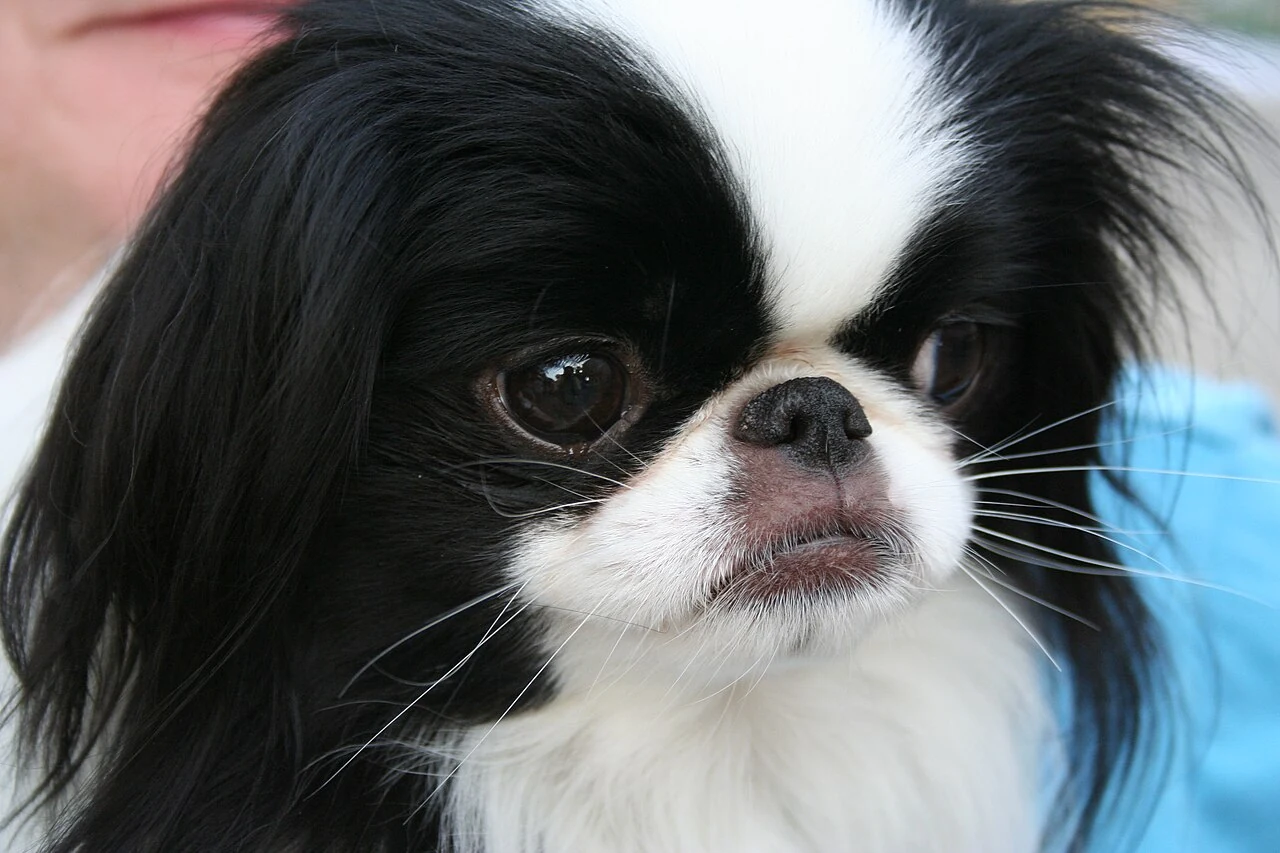
The international canine organisation FCI describes a shoulder height of approximately 25 centimetres for males, with females slightly smaller. The body looks almost square. Its silky coat is white with black or red markings, with longer hair on the ears, legs and tail. Large eyes and a short, broad face are characteristic. The nostrils should nevertheless be well open.
With familiar people, a Chin can be playful and inventive. Simple tricks, a toy and friendly attention make learning enjoyable. Loud pressure can unsettle a sensitive dog. New people should give it time to become comfortable. Children need guidance so that they do not restrain it or carry it around like a soft toy. An adult should supervise games together.
Everyday life
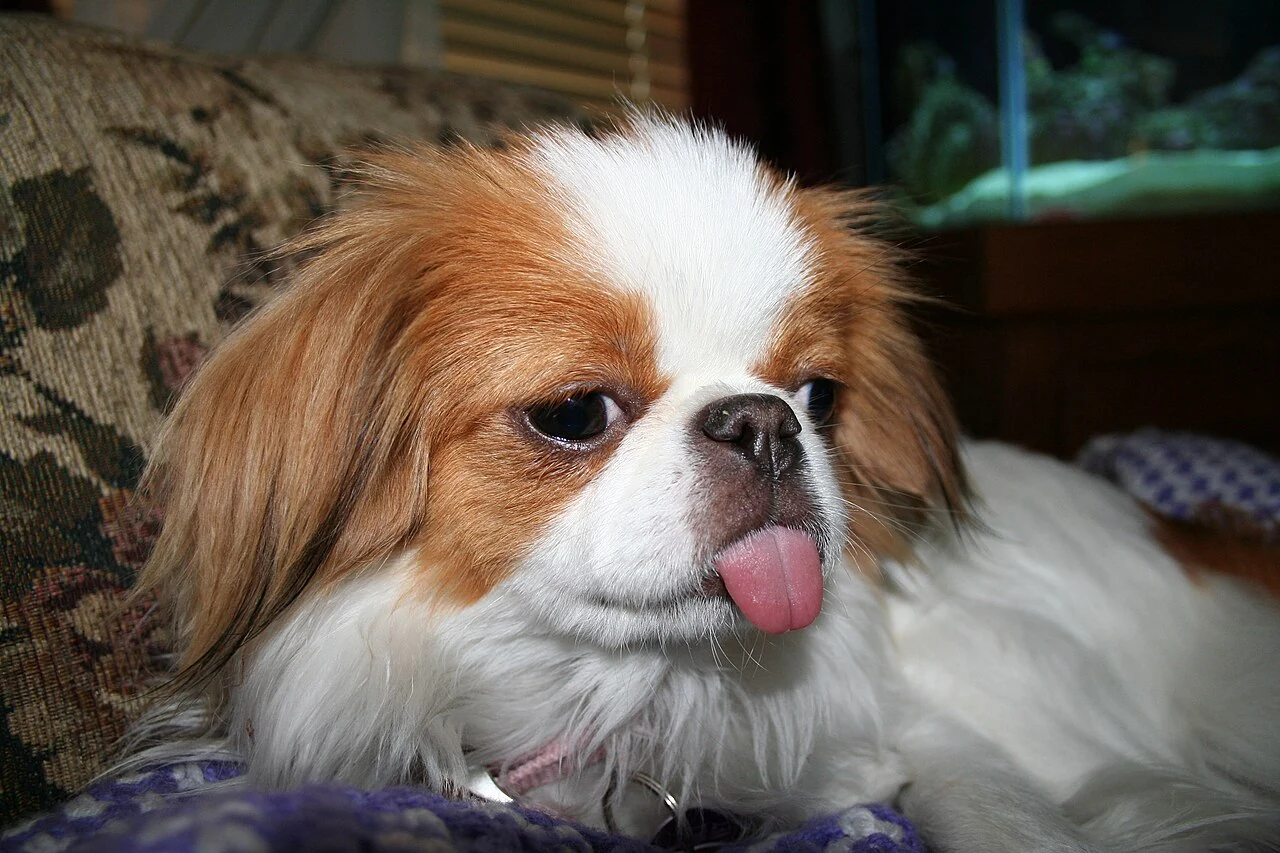
A Chin can often live well in a flat when walks, games and company have a reliable place in the day. Gentle outings offer opportunities to explore smells. Indoors, searches and little training tasks add variety. Bringing a toy or briefly settling on a mat can be taught with appropriate rewards.
Its size should not mean being picked up at every encounter. A well fitted harness and calm introductions let it gain experience of its own. Larger dogs should not be allowed to bowl it over. Cooler times of day and breaks are particularly important in warm weather, because the short nose can make breathing and cooling down harder.
Many Chins enjoy staying close to their people. Care should be arranged for longer absences, with brief separations introduced gradually. Repeated whining or restless pacing suggests that the approach needs adjusting. A Fellfolio care handover can explain the individual dog’s food, walks and health considerations to someone looking after it.
Staying home alone
Dogs learn to stay home alone in small steps. The RSPCA advises no more than four hours at a time. Puppies and dogs that become unsettled when left alone need shorter absences and gradual practice. Arrange someone to care for your dog when you will be away longer.
Everyday dog training: recall, a loose lead and clear communication ↗
Day-to-day care
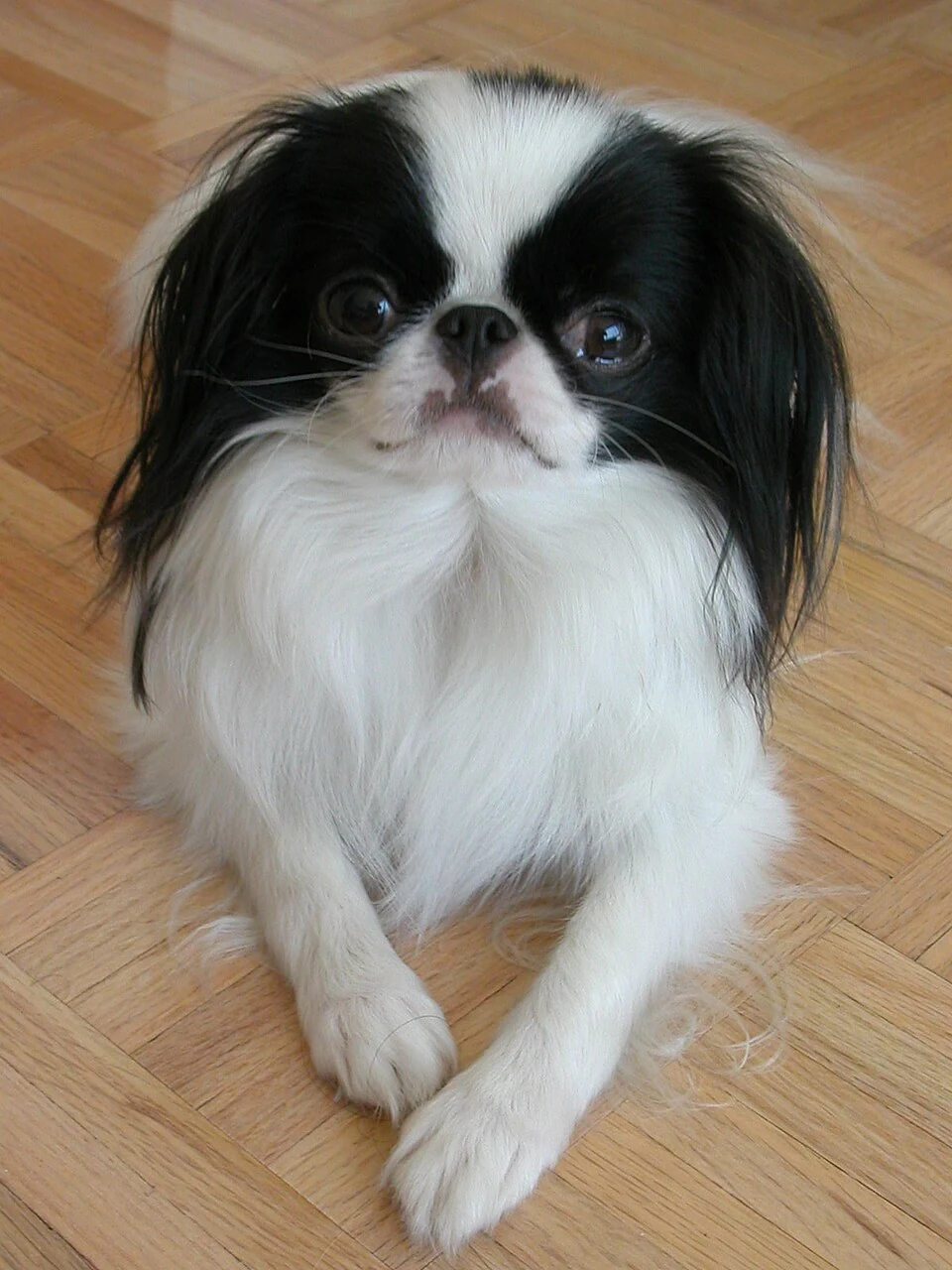
The silky coat should be brushed carefully several times a week and checked for knots. Longer hair behind the ears and on the legs needs particular attention. Plants or dirt can become caught during a walk. A quick check helps prevent these from developing into established tangles.
Eyes and facial skin should be checked regularly too. Persistent watering, redness or frequent rubbing at an eye should be investigated. A suddenly closed eye can be painful and needs prompt attention. Nail care and toothbrushing belong in the routine as well. Teeth can be crowded in a short jaw. Your veterinary team can demonstrate practical dental care for your dog.
Size and build
A puppy benefits from a gentle introduction to everyday life. Little outings, safe encounters and plenty of sleep help it process new experiences. Comfortable grooming practice can begin early. Long endurance exercise and repeated high jumps should not be part of a growing puppy’s routine.
An adult Chin should maintain a suitable weight while continuing to play and learn. Later in life, softer resting places and shorter routes may help. Sight, teeth and comfortable movement deserve particular attention. A sudden loss of interest in play or exhaustion after just a few steps needs investigation. The American Kennel Club gives a life expectancy of ten to twelve years.
From puppy to senior: caring for your dog through every life stage ↗
Health
A Japanese Chin’s short face can cause serious breathing problems. Brachycephalic obstructive airway syndrome, usually called BOAS, describes restrictions in the upper airways of short headed dogs. An affected dog may breathe noisily, tire quickly or cope poorly with warmth. An examination should establish whether an audible noise reflects an obstruction to breathing. Breathing distress and collapse are emergencies.
Since August 2026, Britain’s Royal Kennel Club has included the Chin in its standardised breathing function assessment. The American breed club also recommends eye examinations, assessment of the kneecaps and heart, and a DNA test for GM2 gangliosidosis. This is a rare inherited disease that seriously damages the nervous system. Testing helps breeders avoid matings that could produce affected puppies.
Before choosing a puppy, you should ask for an explanation of its parents’ results. A luxating patella is a kneecap that moves out of its normal groove, sometimes causing skipping or lameness. The eyes should be examined by a veterinary eye specialist. Fellfolio can keep the different findings and later checkups together, making important information easier to share with a new practice or someone caring for the dog.
Could this breed fit your life?
Could work well if …
- You want a small, attentive companion and can spend time together every day.
- You can introduce grooming and unfamiliar situations gently.
- You plan careful assessment of breathing, eyes, knees and heart.
What to consider
- The short nose can be associated with substantial breathing problems.
- Its small size calls for care during games with children and larger dogs.
- Reliable care arrangements matter on longer working days because it enjoys human company.
Similar needs, different dogs.
Selected by shared size, activity, grooming and training characteristics.
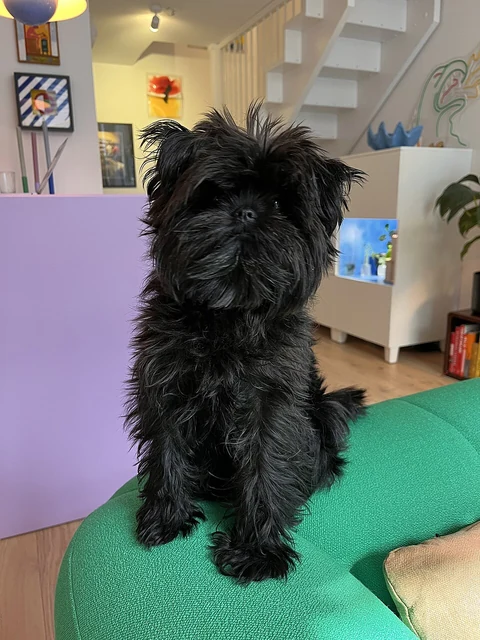
Rough-coated German companion dog
Affenpinscher
The Affenpinscher’s shaggy face, beard and bushy eyebrows are immediately recognisable. Behind them is a small, lively dog that enjoys outings with its people and can have ideas of its own. Flat living can suit it when walks, play and company are provided. Its rough coat needs regular attention, and its small body should be considered around children and larger dogs.
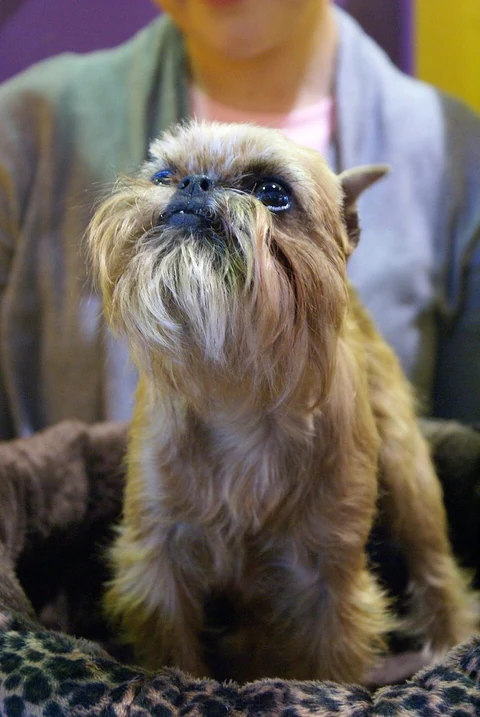
Small Belgian companion with a red rough coat and close family attachment
Brussels Griffon
The Brussels Griffon is small, alert and happiest close to family life. A red rough coat and distinctive beard give this Belgian companion its characteristic appearance. It needs companionship, kind training and regular grooming. Breathing deserves particular attention because its short muzzle can cause health problems.
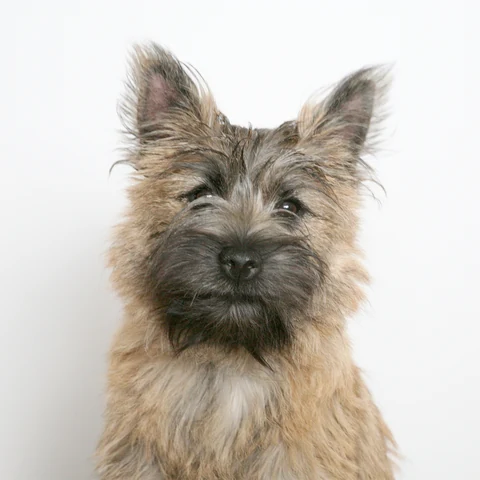
Terrier
Cairn Terrier
The Cairn Terrier once searched Scottish stone piles for small animals. Today it brings the same energy to sniffing, digging and exploring. A practised recall and secure places to run help manage its interest in chasing.
Sources and photograph credit
- Teaching your dog to be left alone
Used in this profile for: Staying home alone
- Pekingese, Shih Tzu and Staffordshire Bull Terrier among twelve dog breeds at risk of serious breathing condition
Used in this profile for: Health
- Japanese Chin
Used in this profile for: Temperament, Everyday life, Day-to-day care, Size and build, Lifespan, Could this breed fit your life?
- JCCA Health Testing Recommendations
Used in this profile for: Health
- Japanese Chin, FCI Standard No.206
Used in this profile for: Size / Weight, Temperament, Day-to-day care
- Japanese Chin
Used in this profile for: Everyday life, Day-to-day care, Health, Could this breed fit your life?
- Brachycephalic Obstructive Airway Syndrome
Used in this profile for: Everyday life, Health, Could this breed fit your life?
- Luxating patella in dogs
Used in this profile for: Health
- Exercising your puppy
Used in this profile for: Size and build
- Training Your Dog to Be Left Alone
Used in this profile for: Everyday life
- Children and Dogs
Used in this profile for: Temperament
- Dog dental care
Used in this profile for: Day-to-day care
- Training your dog
Used in this profile for: Everyday life
Photo credits
Portrait · Chin posing.jpg · Joliot · CC BY-SA 3.0 · Edited

Side view · Japanese Chin Dog 001.jpg · Alex Archambault · CC BY 2.0 · Edited

Coat and features · Japanese Chin portrait.jpg · LostinTexas (Alex Archambault) · CC BY 2.0 · Edited

Everyday life · AttentiveChin.JPG · Nattieliz · CC BY-SA 3.0 · Edited
