 fellfolio
Rough-coated German companion dog
Affenpinscher
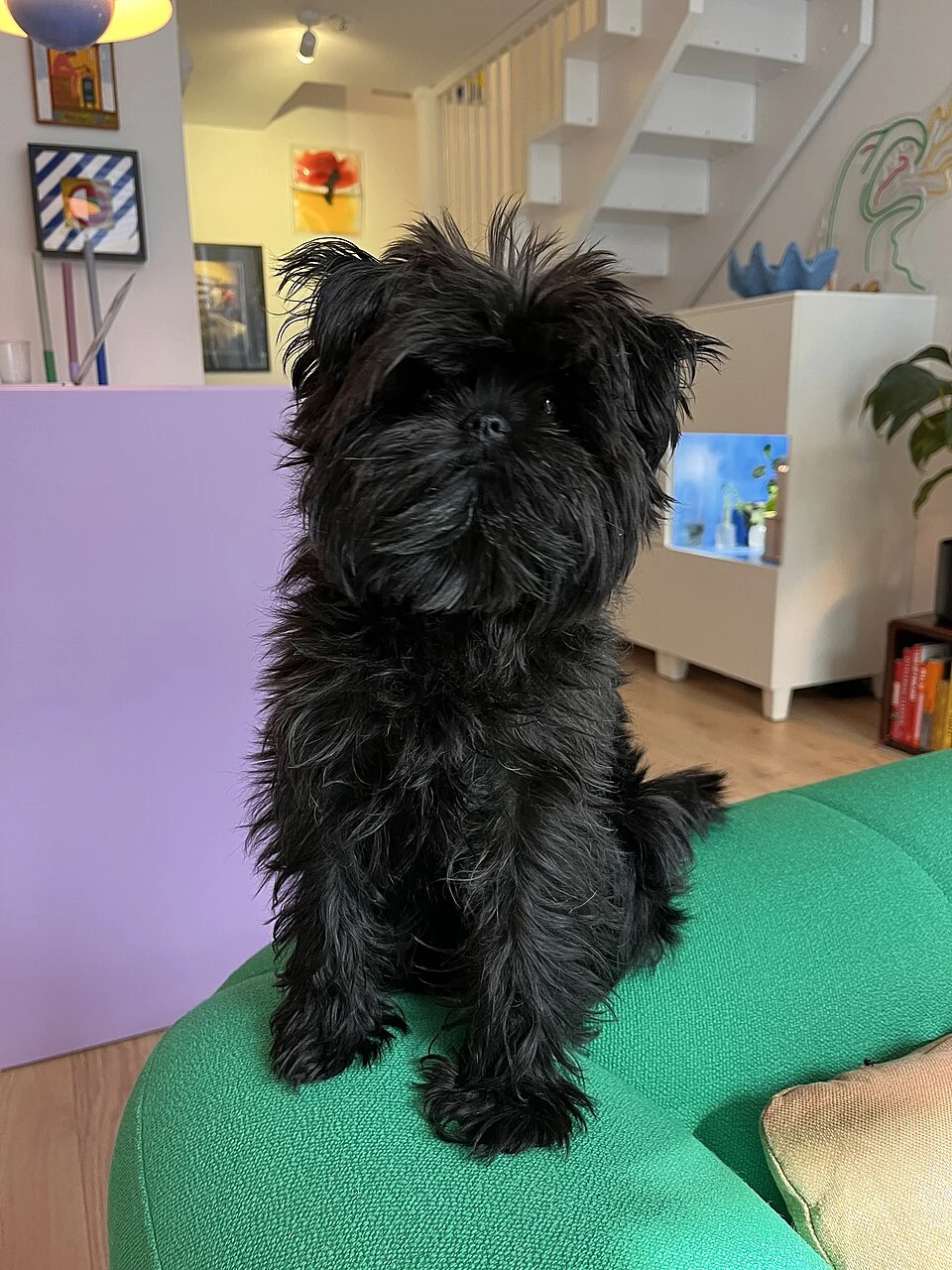
The Affenpinscher’s shaggy face, beard and bushy eyebrows are immediately recognisable. Behind them is a small, lively dog that enjoys outings with its people and can have ideas of its own. Flat living can suit it when walks, play and company are provided. Its rough coat needs regular attention, and its small body should be considered around children and larger dogs.
At a glance
- Size
- Small
- Height at shoulder
- 25 to 30 cm
- Weight
- 4 to 6 kg
- Lifespan
- 12 to 15 years
- Activity
- Moderate
- Grooming
- Several times weekly
- Training
- Patience & clear guidance
- Owner experience
- First dog with support
Small, observant and full of ideas
The international breed standard describes the Affenpinscher as alert, persistent and deeply attached to its people. Many approach their surroundings with curiosity and confidence. This makes shared outings enjoyable, but a small dog can still become very excited in a busy situation. Calm support and everyday cues taught early are useful.
Short, varied exercises often work better than repeating the same task many times. Following a hand cue to a chosen spot or willingly giving up a toy are practical beginnings. Rewards should make it clear which behaviour is worthwhile. When attention fades, a break can be more useful than extending the exercise.
Children should learn gentle handling and should not lift or crowd the dog. Adults should supervise their time together. With larger dogs, the pace and style of play should suit its small body. Cats may be able to live with an Affen after careful introductions, but the individual animals’ responses remain decisive. Small rodents need protected accommodation without free access for the dog.
Everyday life
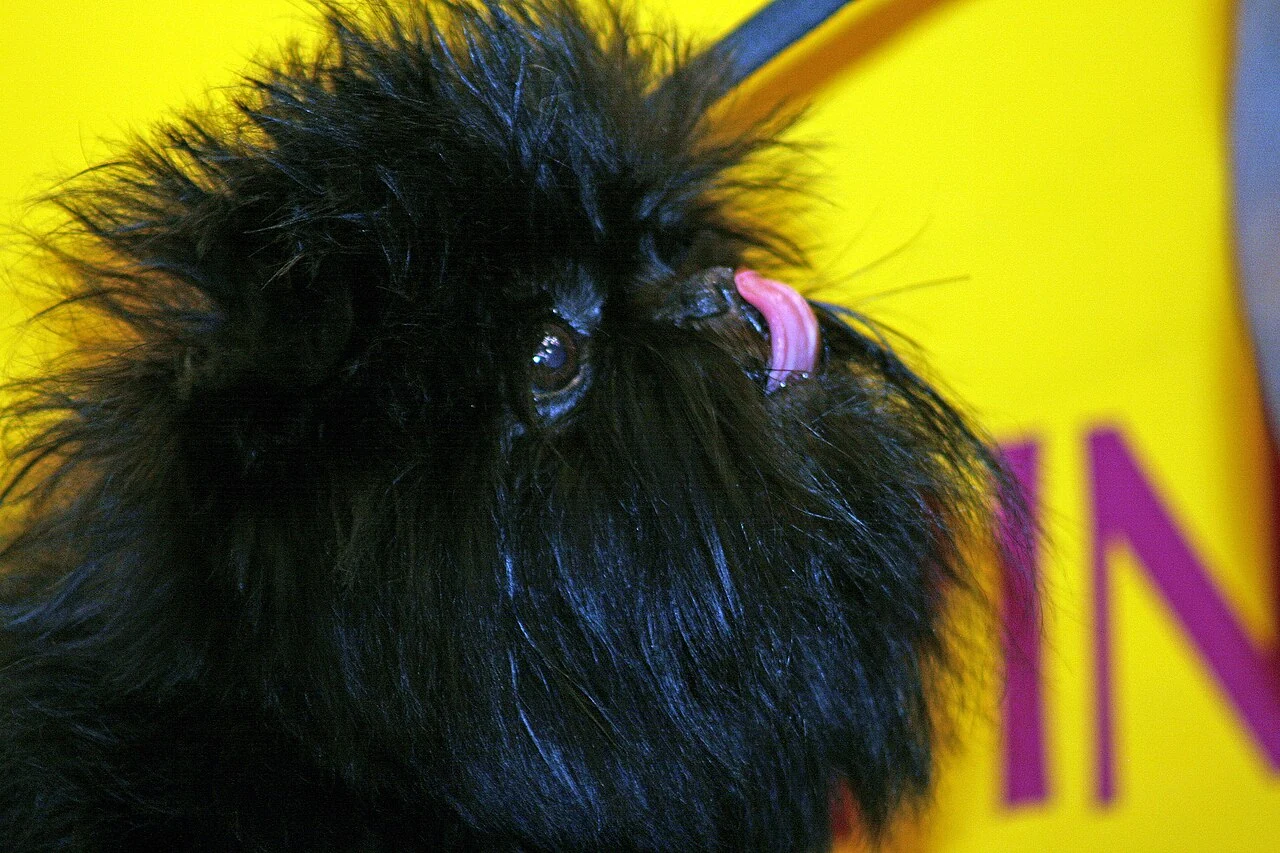
The Affenpinscher is an active companion that should also have chances to sniff, explore and walk outdoors. Its small size makes it easy to transport, but does not replace walks. Waiting at a road, recall or passing other dogs can be practised in brief sessions. Around busy traffic or lively dogs, enough space should initially be kept for it to watch and turn its attention back to you.
At home, a toy beneath a loosely placed cloth can become a search game. Part of the toy should remain visible at first to make the task easy. The game should be supervised so the dog does not chew or swallow the cloth. Small tricks, such as touching your hand with its nose, can also provide mental activity.
A quiet bed and reliable company belong in a suitable home. Learning to be alone should progress gradually. Longer absences require care arrangements while the dog cannot yet stay alone comfortably. On hot days, activities should take place during cooler hours. Its short muzzle can make cooling through panting more difficult. Breathing difficulty or clear overheating needs immediate veterinary help.
Staying home alone
Dogs learn to stay home alone in small steps. The RSPCA advises no more than four hours at a time. Puppies and dogs that become unsettled when left alone need shorter absences and gradual practice. Arrange someone to care for your dog when you will be away longer.
Everyday dog training: recall, a loose lead and clear communication ↗
Day-to-day care
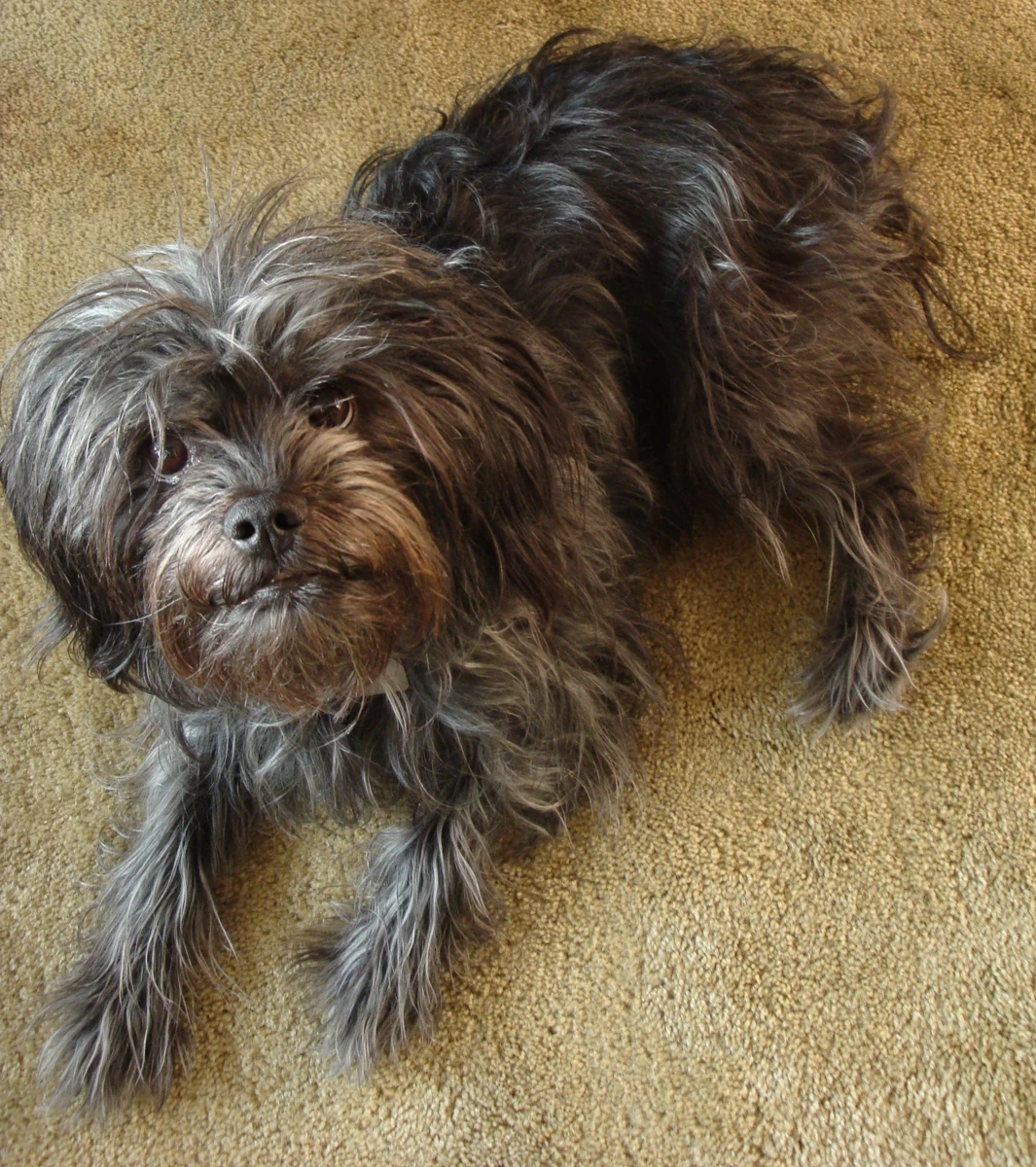
Rough hair stands out around the head to form eyebrows, a beard and a fringe around the face. Tangles can still hide in the body coat. Regular brushing followed by gentle combing is useful. The American Kennel Club recommends doing this twice a week. Behind the ears, beneath the legs and in the beard deserve closer attention.
Hand stripping means carefully removing mature, loose hairs from the rough coat. A groomer experienced with the breed can explain which care suits the individual coat and how to keep it comfortable. A beginner should not simply pull firmly on the hair. Mats and hair close to the eyes or ears are best handled by someone skilled. The dog should be able to see clearly.
Feet, nails and ears should be checked regularly. Redness, an unpleasant smell, head shaking or pain should be investigated by a vet. Daily brushing with dog toothpaste matters for this small dog too. Handling can be introduced in brief steps, such as touching a paw and rewarding the dog before holding it for longer.
Size and build
The Affenpinscher comes from Germany. The standard of the international canine organisation FCI describes rough-coated house and companion dogs from southern Germany and first studbook entries in 1879. Its distinctive face gave the breed its name. The bushy eyebrows, beard and standing facial hairs give its expression a resemblance to an ape.
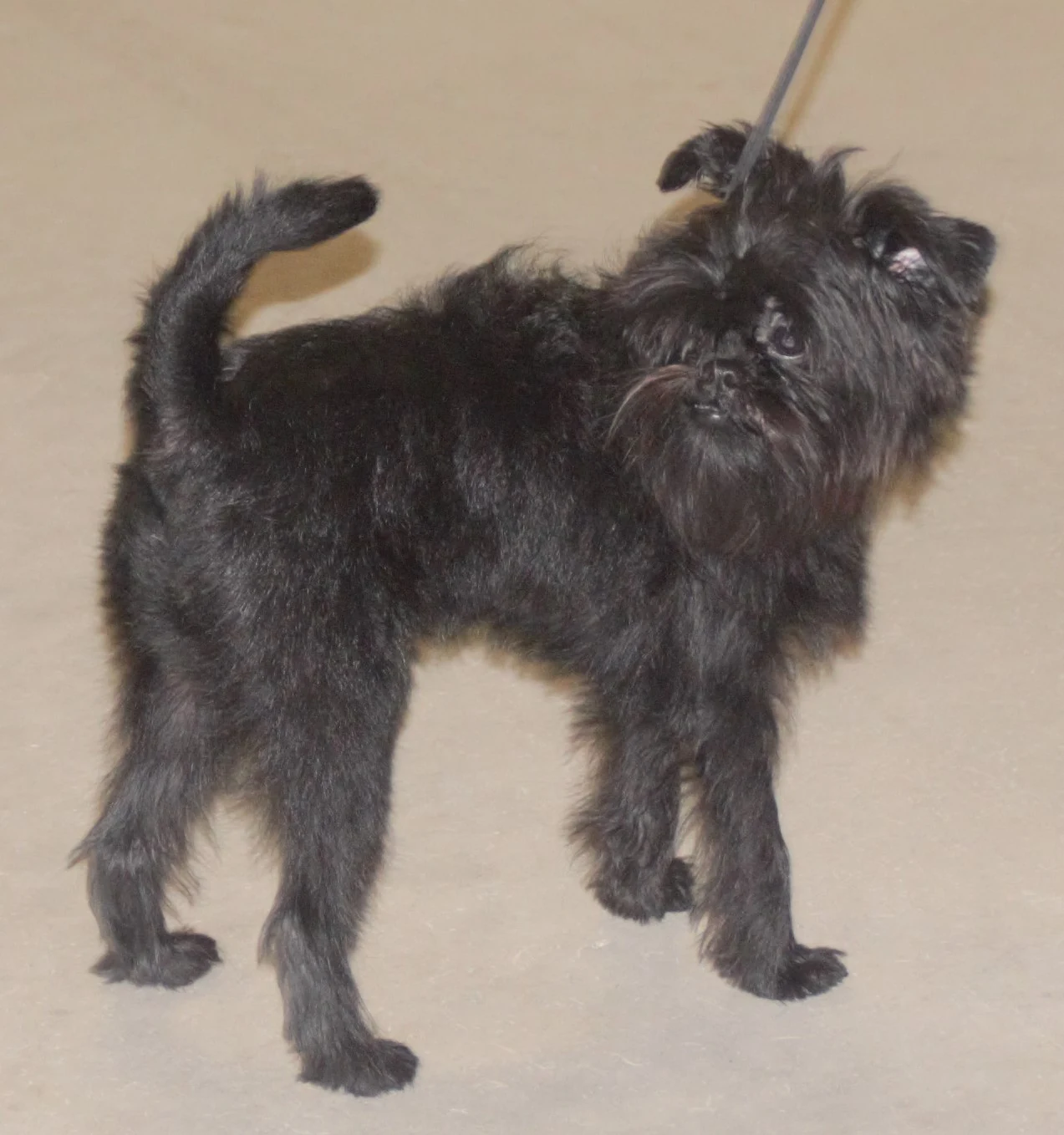
The body is compact and nearly square, with a short muzzle. The standard gives both sexes a shoulder height of 25 to 30 cm and an approximate weight of 4 to 6 kg. The coat is dense and harsh. The FCI standard describes black with a black undercoat. The undercoat is the softer layer beneath the harsh outer hair.
From puppy to senior: caring for your dog through every life stage ↗
Health
The actual examination reports for both parents should be shown before choosing a puppy. The Affenpinscher Club of America specifies eye and knee examinations. For CHIC, an American programme that records health examinations, it expanded its recommendations to include hip assessments and basic heart screening from 1 June 2024. Older certificates should therefore be checked to see which examinations they include. Registration in a health programme does not replace the individual results.
Patellar luxation means that the kneecap slips out of the groove guiding it. A dog may briefly skip on three legs and then walk normally again. Repeated episodes should be investigated even when they stop quickly. Hip dysplasia means that the hip joint develops incorrectly, potentially causing pain and arthritis. A small breed can still have these problems.
Changes in the eyes, breathing or stamina should also be investigated. A red or squinting eye needs prompt veterinary attention. A suitable weight reduces strain on the body, and food rewards should be included in the daily allowance. The American Kennel Club gives a lifespan of 12 to 15 years. This is a planning guide rather than a promised age.
Could this breed fit your life?
Could work well if …
- You want a small, lively companion and enjoy brief training sessions together.
- You can plan for walks, company and regular grooming.
- You enjoy guiding a dog with ideas of its own patiently and through rewards.
What to consider
- Small dogs can be injured by rough play or careless lifting.
- The shaggy coat needs regular brushing and knowledgeable maintenance.
- Actual eye, knee, hip and heart results should be checked rather than relying on a general description of good health.
Similar needs, different dogs.
Selected by shared size, activity, grooming and training characteristics.
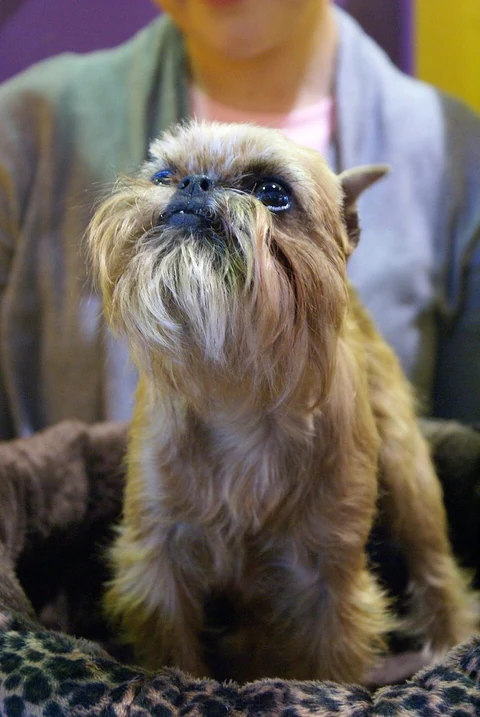
Small Belgian companion with a red rough coat and close family attachment
Brussels Griffon
The Brussels Griffon is small, alert and happiest close to family life. A red rough coat and distinctive beard give this Belgian companion its characteristic appearance. It needs companionship, kind training and regular grooming. Breathing deserves particular attention because its short muzzle can cause health problems.
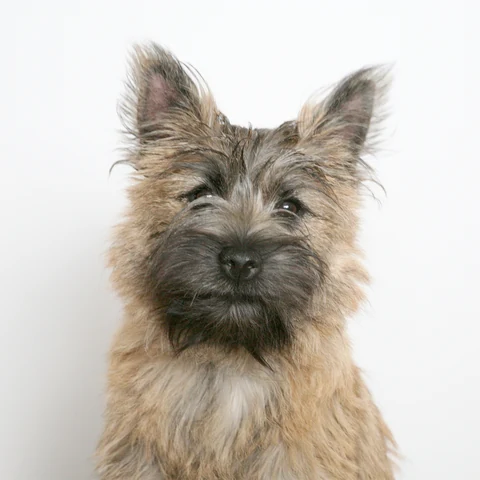
Terrier
Cairn Terrier
The Cairn Terrier once searched Scottish stone piles for small animals. Today it brings the same energy to sniffing, digging and exploring. A practised recall and secure places to run help manage its interest in chasing.
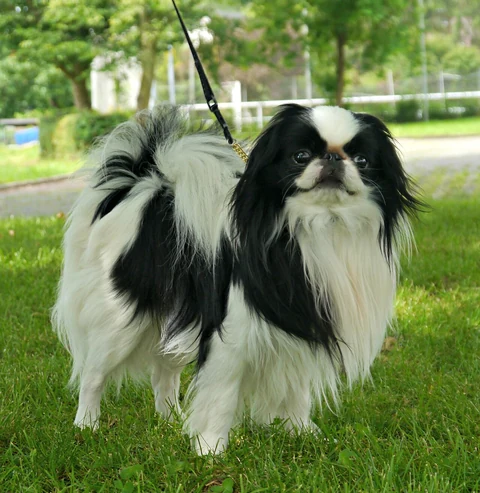
Small Japanese companion with a silky coat
Japanese Chin
The Japanese Chin is a small companion with a silky coat, a broad face and a feathered tail carried over its back. It combines lively games with a close attachment to its people. A suitable home offers gentle handling, regular grooming and careful attention to the health implications of its short nose.
Sources and photograph credit
- Teaching your dog to be left alone
Used in this profile for: Staying home alone
- Affenpinscher
Used in this profile for: Temperament, Everyday life, Day-to-day care, Health, Lifespan, Could this breed fit your life?
- Affenpinscher, FCI Standard No.186
Used in this profile for: Size / Weight, Temperament, Day-to-day care, Size and build, Could this breed fit your life?
- Grooming your Affen
Used in this profile for: Day-to-day care
- Health of the Affenpinscher, revised CHIC requirements June2024
Used in this profile for: Health
- Canine hip dysplasia (CHD)
Used in this profile for: Health
- Patellar luxation
Used in this profile for: Health
- Dental disease in dogs
Used in this profile for: Day-to-day care
- Ear problems in pets
Used in this profile for: Day-to-day care
- Eye problems in dogs
Used in this profile for: Health
- Grooming and bathing pets
Used in this profile for: Day-to-day care
- Teaching your dog to be left alone
Used in this profile for: Everyday life
- Separation-related behaviour
Used in this profile for: Everyday life
- Training your dog
Used in this profile for: Everyday life
Photo credits
Portrait · Affenpinscher breed.jpg · Futurebreak · CC0

Side view · Affenmonkeyterrier2.jpg · Canarian · CC BY-SA 4.0 · Edited

Coat and features · An Affenpinscher.jpg · Lori Branham · CC BY 2.0 · Edited

Everyday life · Affenpinscher Molly.jpg · Dean Jarvey · CC BY 2.0 · Edited
