 fellfolio
Small Belgian companion with a red rough coat and close family attachment
Brussels Griffon
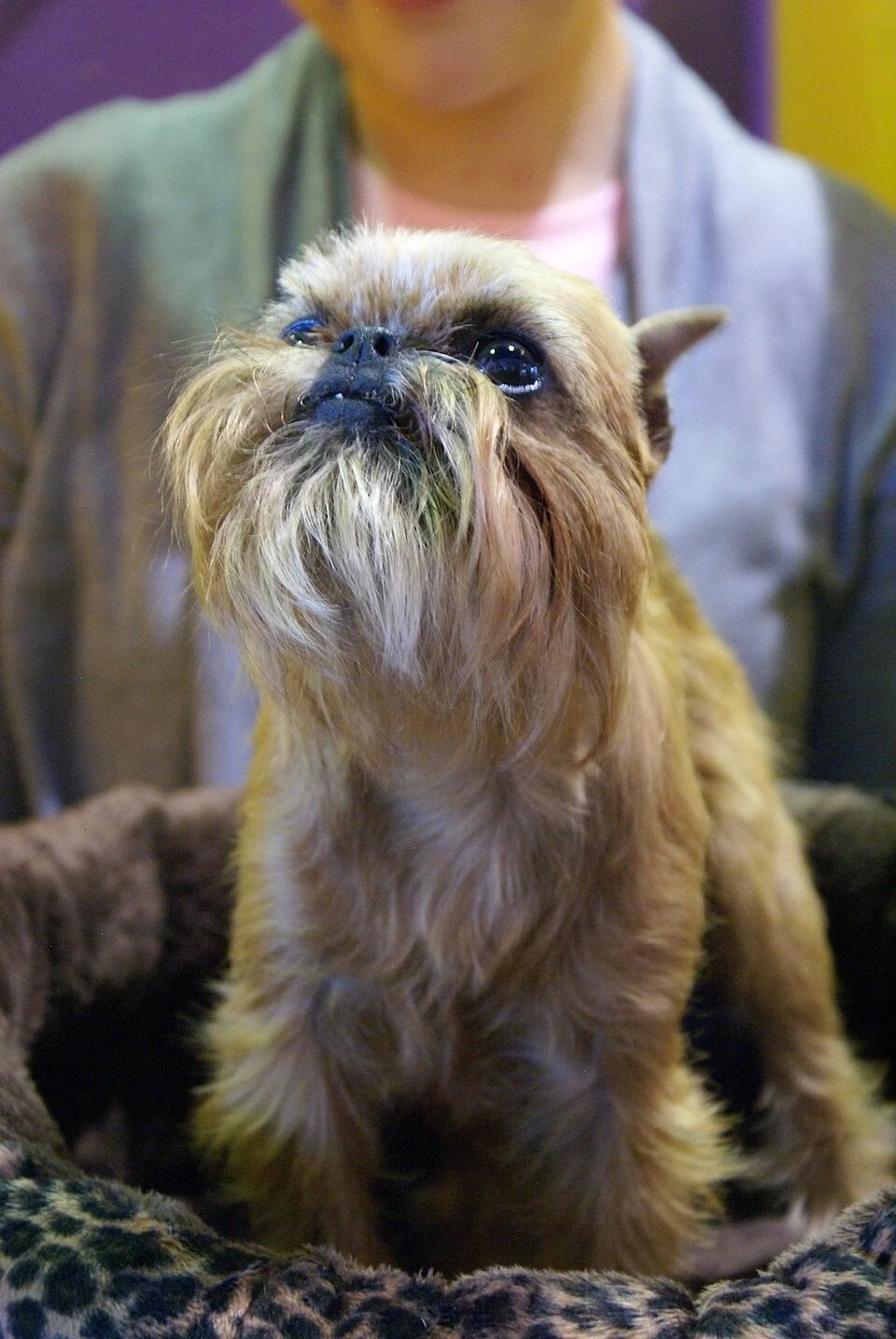
The Brussels Griffon is small, alert and happiest close to family life. A red rough coat and distinctive beard give this Belgian companion its characteristic appearance. It needs companionship, kind training and regular grooming. Breathing deserves particular attention because its short muzzle can cause health problems.
At a glance
- Size
- Small
- Weight
- 3.5 to 6 kg
- Lifespan
- 12 to 15 years
- Activity
- Moderate
- Grooming
- Several times weekly
- Training
- Patience & clear guidance
- Owner experience
- First dog with support
From Belgian stable dog to family companion
Small rough coated stable dogs once caught rats and guarded carriages in Belgium. Pugs and small spaniels were among the dogs crossed into this population during the nineteenth century, contributing to the short muzzle seen today. The interest of Belgium’s Queen Marie Henriette helped bring these companions wider attention towards the end of that century.
Breed names need a little explanation here. The international canine organisation FCI recognises three related Belgian breeds. The Griffon Bruxellois has a red rough coat. The Griffon Belge is also rough coated, but black or black with tan markings. The Petit Brabançon has a short smooth coat. In the United States and Britain, these coat varieties are grouped under Brussels Griffon or Griffon Bruxellois. This profile focuses on the red rough coated Griffon Bruxellois.
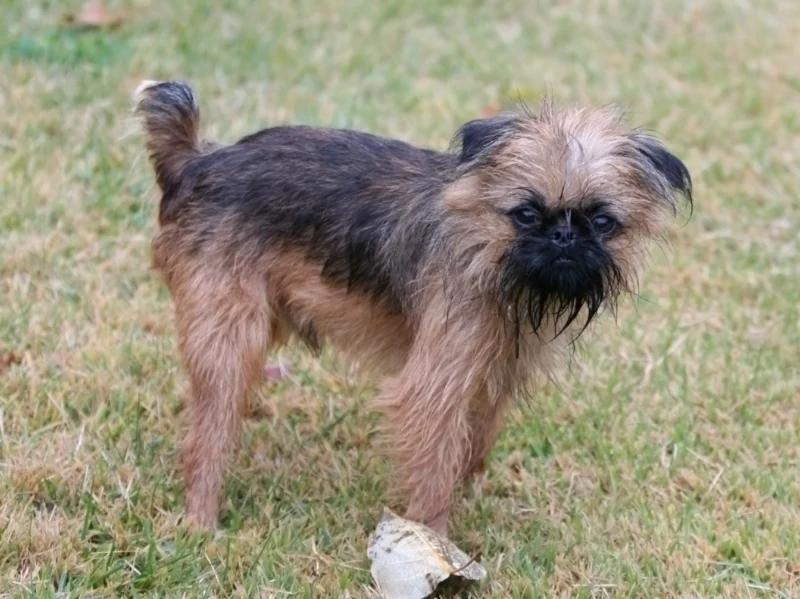
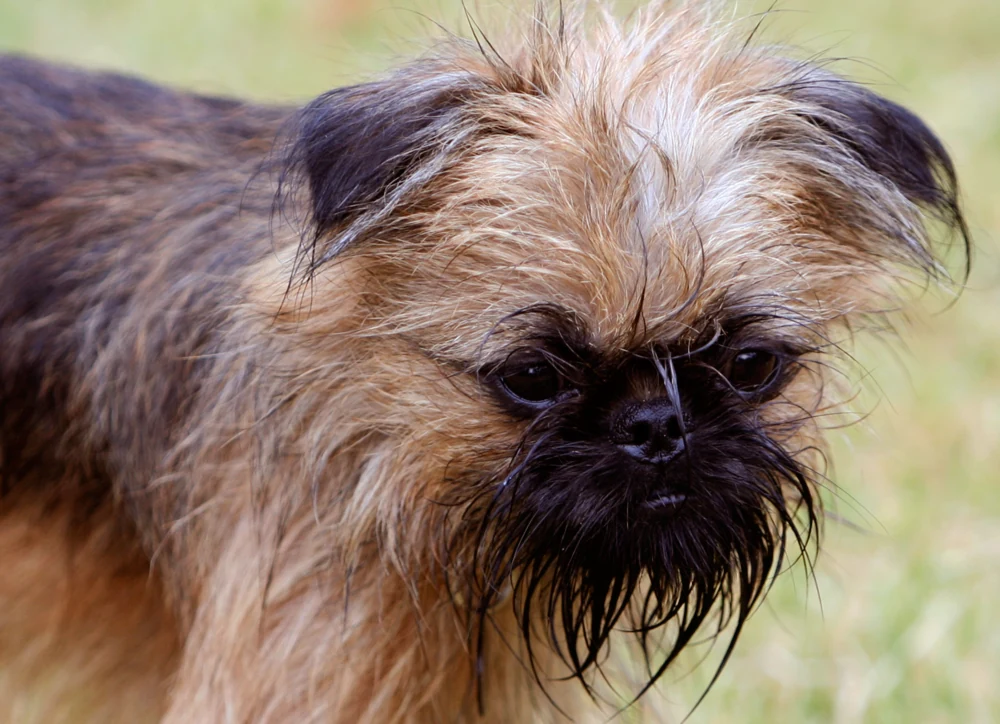
The compact body is approximately as long as it is tall. The FCI standard gives a weight of 3.5 to 6 kilograms. The beard and eyebrows emphasise the alert face. Eyes should not protrude and nostrils should be wide open. An especially flat muzzle should not be a beauty goal when choosing a dog. Comfortable breathing and movement matter more.
Many Griffons seek close contact with familiar people and enjoy following them around the home. Some are quick to announce visitors. Young children can easily handle this small dog too roughly, so an adult should guide interactions and play. With other dogs, calm, suitable companions can help. Size differences should be considered when deciding whether play is comfortable for both dogs.
Everyday life
A Brussels Griffon can live well in an apartment when exercise, activities and family companionship are part of daily life. Several suitable walks provide opportunities to explore and sniff. Brief learning games can add interest between outings. Finding a light toy or learning to settle on a mat can engage the dog without long running distances.
Its close family attachment makes care during absences important. Learning to be left alone should start with short, relaxed separations. Reliable companionship should be arranged for longer working days. A dog that becomes vocal or paces anxiously needs help with learning, rather than harsher treatment.
In warm weather, exercise should move to cooler parts of the day and become gentler. The short muzzle can make cooling through panting harder. Loud, laboured breathing or rapid exhaustion should be investigated by a vet. Acute breathing difficulty needs immediate veterinary help.
Staying home alone
Dogs learn to stay home alone in small steps. The RSPCA advises no more than four hours at a time. Puppies and dogs that become unsettled when left alone need shorter absences and gradual practice. Arrange someone to care for your dog when you will be away longer.
Everyday dog training: recall, a loose lead and clear communication ↗
Day-to-day care
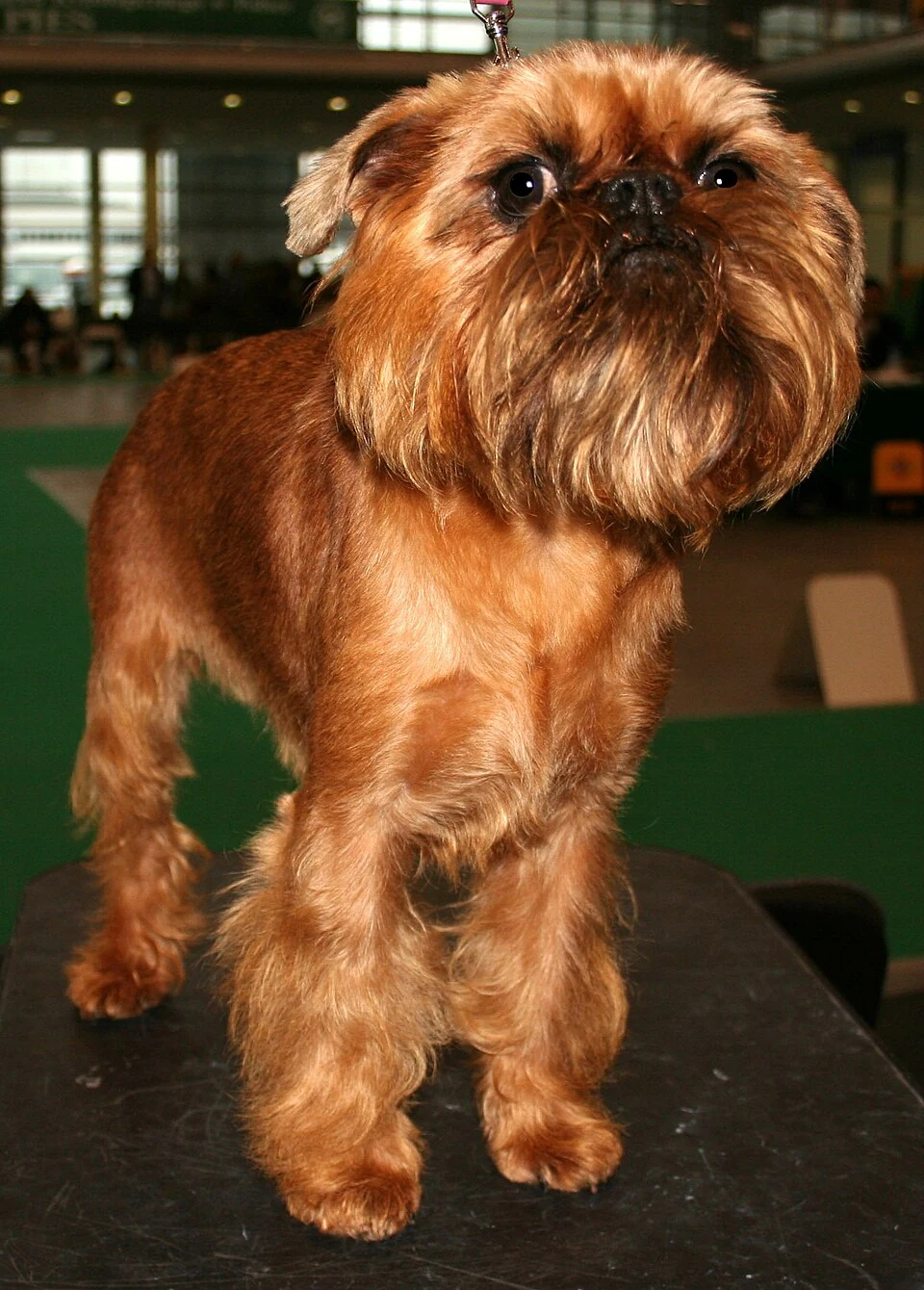
The rough coat should be brushed and gently combed several times a week. Food and water can collect in the beard. A damp cloth can remove these residues, after which the beard should be able to dry so the skin beneath does not stay wet.
Hand stripping is often used to preserve the harsh coat texture. It removes old hairs that are ready to come out. Anyone unfamiliar with this method should have an experienced groomer demonstrate it. Clipping is also common for family pets, although it can change the texture and colour. Grooming should suit the dog’s actual coat and skin.
Dental care deserves particular attention in this small dog. Teeth can be crowded in the short jaw. Toothbrushing with dog toothpaste and regular veterinary checks help identify problems early. Eyes should be checked for redness, watering or squinting. Signs of pain should be investigated rather than repeatedly treated with home remedies.
Size and build
A young Griffon should be able to explore at a calm pace. Controlled introductions to friendly dogs are more suitable for its small size than rough play with much heavier animals. Small rewards and brief lessons can help it learn. Regular trips outdoors support toilet training, especially after waking and eating.
An adult’s exercise and activities should suit its fitness and breathing. Short walks and simple search games can remain interesting in later years. Increased tiredness, changes in getting up or worsening breathing noises should be investigated. The American Kennel Club lists a life expectancy of twelve to fifteen years.
From puppy to senior: caring for your dog through every life stage ↗
Health
The short head shape can narrow the airways. The resulting breathing problems are known as brachycephalic obstructive airway syndrome, or BOAS. Narrow nostrils or too much soft tissue within the short head can restrict airflow. Snoring and noisy breathing should therefore not simply be treated as an amusing characteristic.
Britain’s Royal Kennel Club now recommends a standardised assessment of breathing function for this breed. When choosing a dog, you should ask for those findings and also watch it during normal activity. Your own veterinary practice can assess whether breathing noises or poor exercise tolerance need investigation.
The American breed club also recommends eye, hip and kneecap examinations. Patellar luxation means that the kneecap slips out of its normal position. The dog may briefly lift a hind leg or repeatedly skip, which should be investigated. Fellfolio can keep examination findings alongside brief observations of movement or breathing, helping your veterinary practice follow the previous course at later appointments.
Could this breed fit your life?
Could work well if …
- You want a small dog closely involved in family life.
- You can plan for regular coat care, brief learning games and company during longer absences.
- You give comfortable breathing and clear health findings particular attention when choosing a dog.
What to consider
- The short muzzle can interfere with breathing and cooling in warm weather.
- The small body should be protected from rough play with children or much heavier dogs.
- The rough coat needs regular care and often skilled hand stripping.
Similar needs, different dogs.
Selected by shared size, activity, grooming and training characteristics.
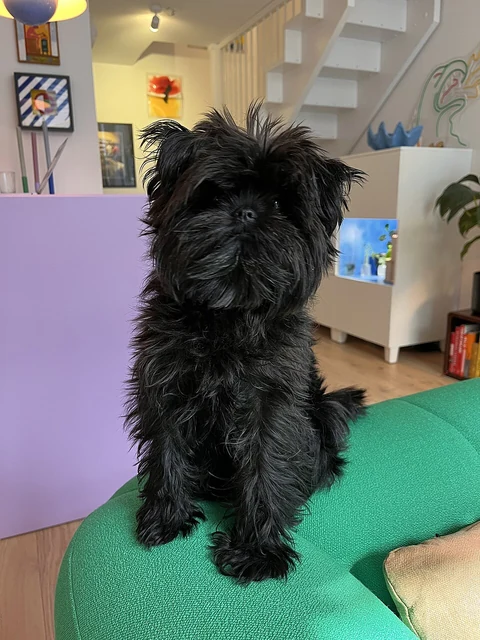
Rough-coated German companion dog
Affenpinscher
The Affenpinscher’s shaggy face, beard and bushy eyebrows are immediately recognisable. Behind them is a small, lively dog that enjoys outings with its people and can have ideas of its own. Flat living can suit it when walks, play and company are provided. Its rough coat needs regular attention, and its small body should be considered around children and larger dogs.
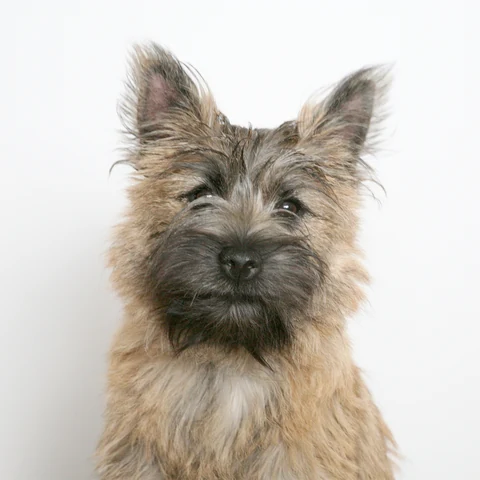
Terrier
Cairn Terrier
The Cairn Terrier once searched Scottish stone piles for small animals. Today it brings the same energy to sniffing, digging and exploring. A practised recall and secure places to run help manage its interest in chasing.
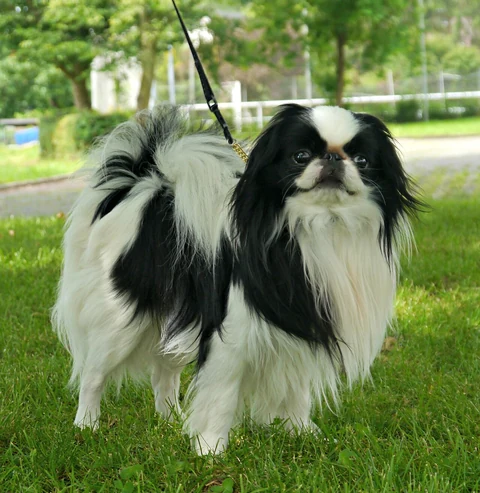
Small Japanese companion with a silky coat
Japanese Chin
The Japanese Chin is a small companion with a silky coat, a broad face and a feathered tail carried over its back. It combines lively games with a close attachment to its people. A suitable home offers gentle handling, regular grooming and careful attention to the health implications of its short nose.
Sources and photograph credit
- Teaching your dog to be left alone
Used in this profile for: Staying home alone
- Position Statements and Humane Dog Training
Used in this profile for: Everyday life
- Brussels Griffon
Used in this profile for: Temperament, Everyday life, Size and build, Lifespan, Could this breed fit your life?
- brussels parent club health statement
Used in this profile for: Health
- The Brussels Griffon: Is this the breed for you?
Used in this profile for: Temperament, Everyday life, Day-to-day care, Size and build, Could this breed fit your life?
- Griffon Bruxellois FCI80, Griffon Belge FCI81, Petit Brabançon FCI82
Used in this profile for: Size / Weight, Temperament, Day-to-day care
- Griffon Bruxellois
Used in this profile for: Day-to-day care, Health, Could this breed fit your life?
- BOAS breathing problems in flat faced dogs
Used in this profile for: Everyday life, Health
- Exercising Your Puppy
Used in this profile for: Size and build
- Training Your Dog to Be Left Alone
Used in this profile for: Everyday life
- Children and Dogs
Used in this profile for: Temperament
- Caring for Your Dog’s Teeth
Used in this profile for: Day-to-day care
Photo credits
Portrait · 2014 Westminster Kennel Club Dog Show (12452112864).jpg · Pets Adviser from Brooklyn, USA · CC BY 2.0 · Edited
.jpg)
Side view · Brussels griffon Stewie galawebdesign.jpg · Galawebdesign · CC BY-SA 3.0 · Edited

Coat and features · Griffon Bruxellois GalawebDesign.jpg · Galawebdesign · CC BY-SA 3.0 · Edited

Everyday life · Gryfonik brukselski 980.jpg · Pleple2000 · CC BY-SA 3.0 · Edited
