 fellfolio
German scent hound developed for following game trails
German Hound
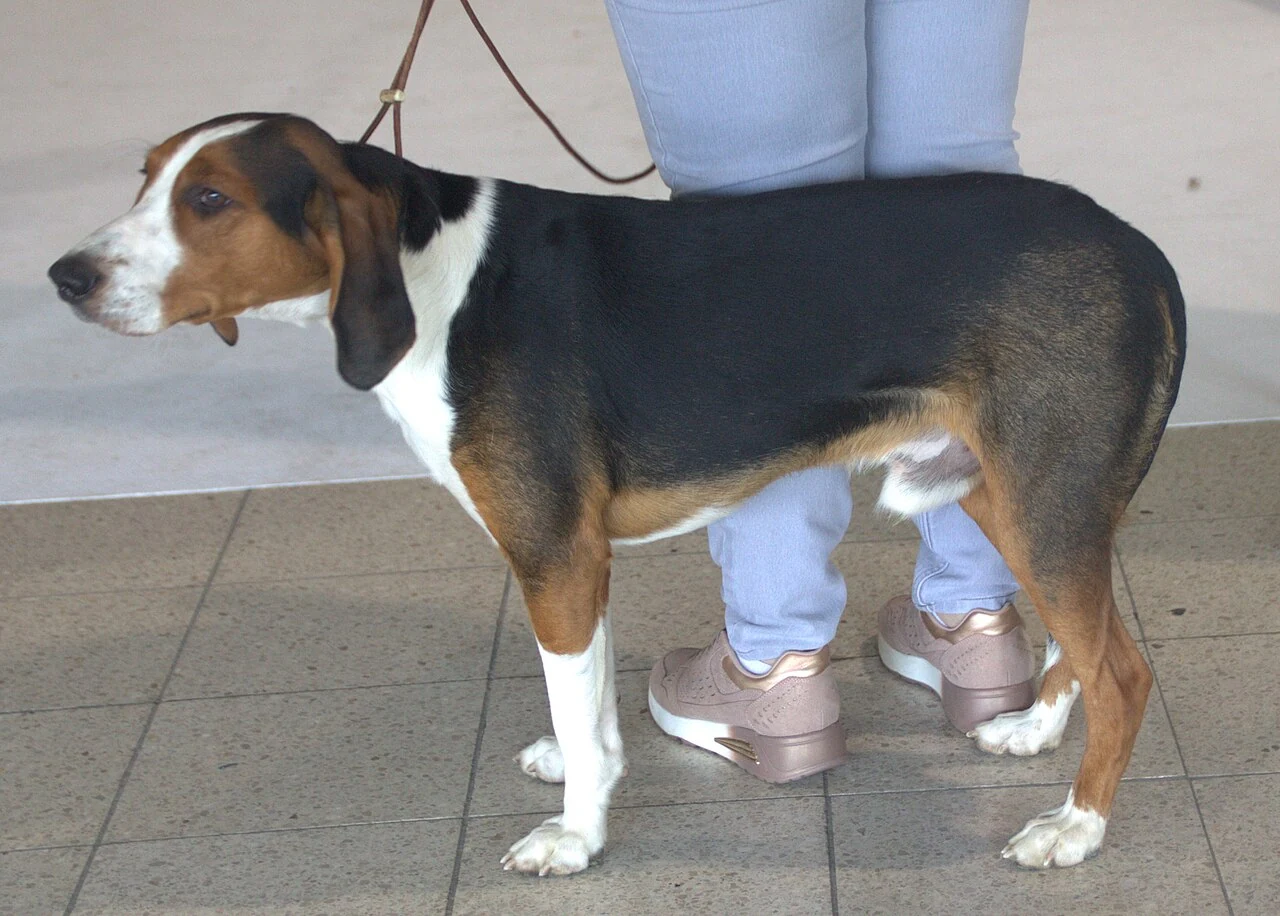
The German Hound is a lean hunting dog with long hanging ears and a tricolour coat. It was developed to follow game trails with persistence. Prospective owners should make its working role part of their plans and speak with the responsible breed club early in the process.
At a glance
- Size
- Medium
- Height at shoulder
- 40 to 53 cm
- Lifespan
- Not sufficiently documentedWhy is there no reliable range?
- Activity
- High
- Grooming
- Weekly
- Training
- Patience & clear guidance
- Owner experience
- Experience recommended
A scent hound rooted in Westphalian hunting
German Hounds belong to the scent hound group. They search for game and follow its scent trail, often over considerable distances, working independently as they go. While following the trail, they give voice by barking repeatedly. This helps a hunter follow the search from a distance. It also explains why a smell outdoors may be much more interesting than the ball you are holding.
The German Hound developed from Westphalian types, including the tricolour Sauerland Holzbracke and local Steinbracken. The unified type has been known as Deutsche Bracke since 1900. It is a separate breed from the much lower built Westphalian Dachsbracke. The international canine organisation FCI gives a shoulder height of 40 to 53 centimetres for the German Hound.
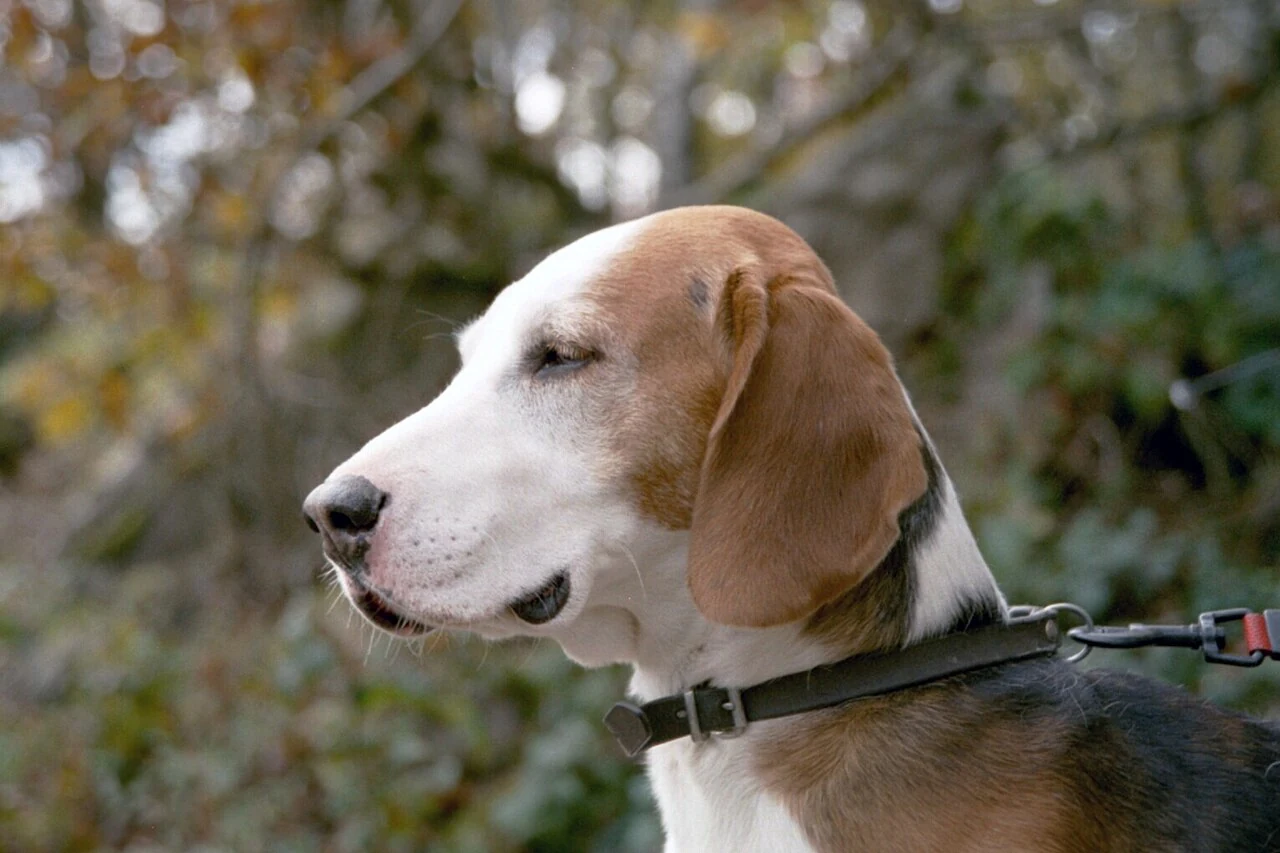
Its body looks light and leggy but remains strong enough for work across country. The dense, firm coat is red to yellow with a black area over the back and white markings. These often include a stripe on the face, the chest, legs and tail tip. Slightly longer hair gives the tail its characteristically substantial appearance.
At home, the dog needs a quiet resting place and dependable contact with its people. Children should learn to leave it undisturbed while sleeping or eating, with an adult guiding games together. Rabbits and other small prey animals should be kept physically separate, because hunting behaviour can be triggered even in familiar surroundings.
Everyday life
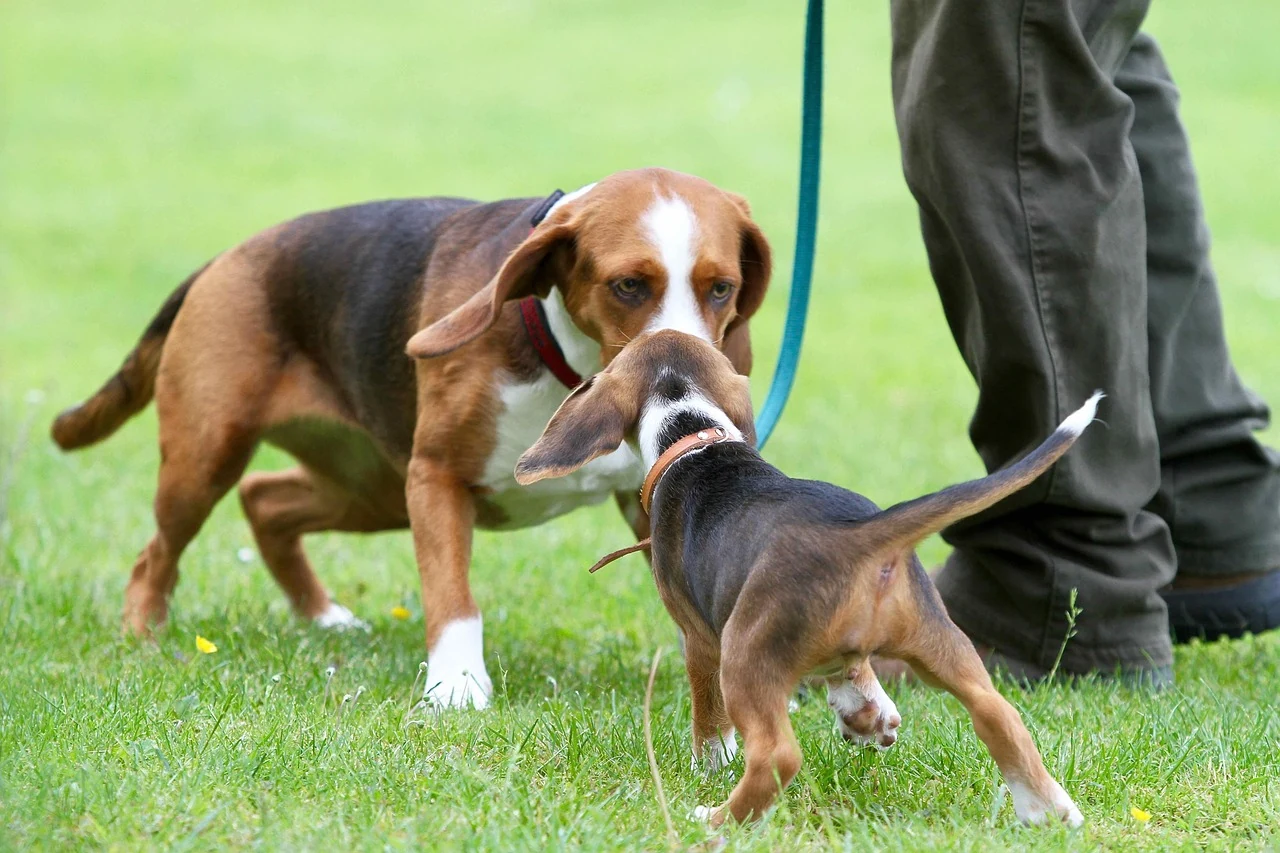
The Deutscher Bracken Club identifies daily exercise and regular hunting work as central needs of the breed. It places its puppies only with hunters. Choosing a German Hound should therefore start with what work you can realistically provide. Training, access to appropriate hunting grounds and experienced support matter more than a particularly large garden.
Outside working days, it still needs exercise and opportunities to explore smells. A suitable lead and well fitted harness help when game trails cross your route. Returning when called should first be practised and rewarded without strong distractions. In areas rich in wildlife, the dog should remain secured while an unwanted chase cannot reliably be prevented.
Sleep and recovery belong in the routine too. A familiar bed and calm household habits can help the dog settle after an outing. Time alone should be introduced gradually, with care arranged for long absences. Persistent barking or restless pacing calls for help to understand the cause, rather than ever longer walks intended to exhaust the dog.
Staying home alone
Dogs learn to stay home alone in small steps. The RSPCA advises no more than four hours at a time. Puppies and dogs that become unsettled when left alone need shorter absences and gradual practice. Arrange someone to care for your dog when you will be away longer.
Everyday dog training: recall, a loose lead and clear communication ↗
Day-to-day care
The firm, short coat needs little elaborate grooming. Regular brushing still helps remove loose hair and inspect the skin. After exploring long grass or dense vegetation, you should check paws, spaces between the toes and ears. Plant material may become trapped, and this check helps reveal small injuries earlier.
Redness, an unpleasant ear smell or frequent head shaking needs veterinary attention. An inflamed ear can hurt even if the dog otherwise seems lively. Nails should remain short enough not to interfere with movement. Regular toothbrushing with dog toothpaste is useful. Gentle introductions make care easier than restraining a dog that has not yet become comfortable with the touch involved.
Size and build
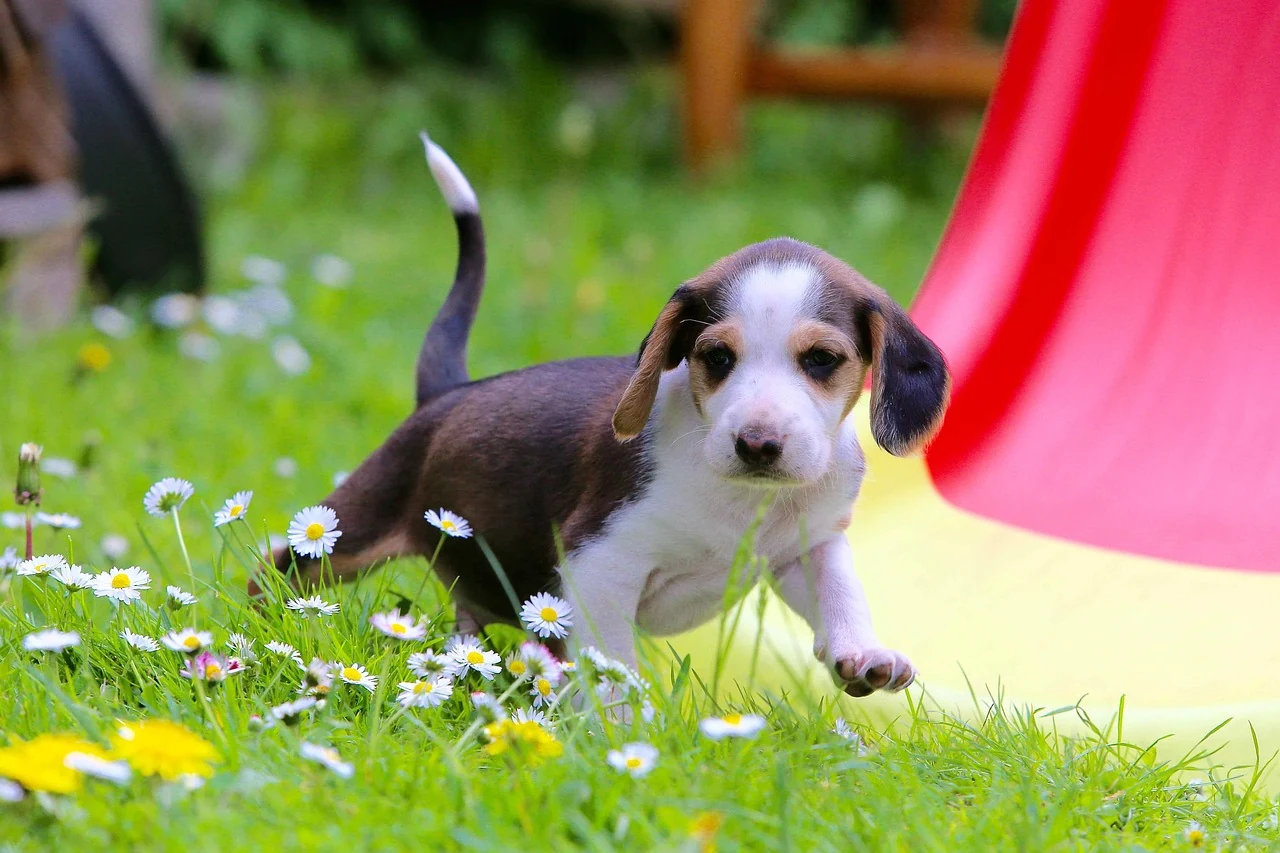
A German Hound puppy should discover the world in manageable stages. Short outings, calm introductions and playful exercises offer chances to build confidence. Working training should match its stage of development and be guided by experienced people. Long marches and frequent high jumps place unnecessary demands on a growing body.
An adult’s stamina and tasks should be built around its actual work. Interest in smells may remain strong in later life even when long distances or difficult ground become tiring. Shorter walks with time to sniff and simple search tasks may then suit it well. Changes in movement or a sudden loss of stamina should be investigated. Fellfolio can keep weight records and observations alongside veterinary findings.
From puppy to senior: caring for your dog through every life stage ↗
Health
Before choosing a puppy, you should ask about the parents’ breeding approval, examinations and illnesses in their relatives. The breeding rules linked by the Deutscher Bracken Club describe health requirements and provision for requesting hip screening. The club should explain which current records are available for the particular pairing.
Hip dysplasia means that the hip joint is not sufficiently stable and may develop painful changes. Repeated limping, difficulty rising or new reluctance to jump should be investigated. These signs have several possible causes. A working assessment serves a different purpose from a veterinary assessment of the joints.
Skin and ears should also be checked regularly. Frequent scratching, red skin or repeated head shaking can indicate discomfort. For a dog working regularly across country, recording changes soon after an outing is useful. At an examination, you can then explain more clearly whether something appeared suddenly or developed over time.
Lifespan
The official breed information reviewed does not provide a reliably supported life expectancy range for the German Hound.
Could this breed fit your life?
Could work well if …
- You can provide regular hunting work and training with experienced guidance.
- You want a persistent dog that works scent trails independently.
- You can organise exercise, recovery, grooming and care reliably.
What to consider
- The responsible Deutscher Bracken Club places its puppies only with hunters.
- Giving voice on the trail is part of its working role and matters when choosing the living environment.
- A secure lead is particularly important in areas rich in wildlife.
Similar needs, different dogs.
Selected by shared size, activity, grooming and training characteristics.
Swiss cattle and watchdog
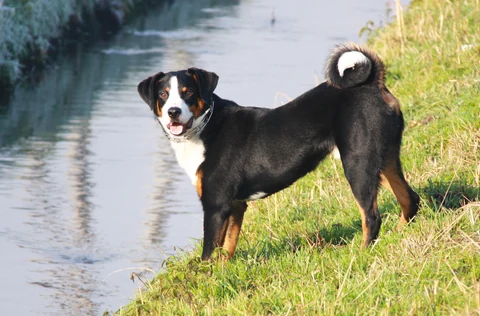
Appenzeller Mountain Dog
The Appenzeller Mountain Dog is easy to recognise by its tricolour coat and tightly curled tail. Behind that cheerful appearance is an attentive Swiss working dog. It enjoys activity, learns quickly and notices changes around it. This breed suits people who want to spend time outdoors with their dog every day and can help it cope calmly with visitors and events at home.
Austrian farm and companion dog
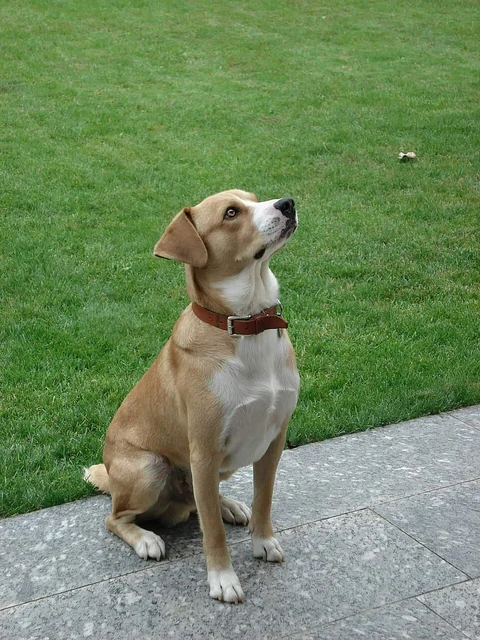
Austrian Pinscher
The Austrian Pinscher is a lively farm dog that enjoys accompanying familiar people and notices visitors attentively. Its short to medium-length coat is relatively straightforward to maintain. Exercise, shared activities and calm guidance of its guarding behaviour require more time. Meeting adult dogs helps show whether its watchfulness and temperament could suit your daily life.
Hound
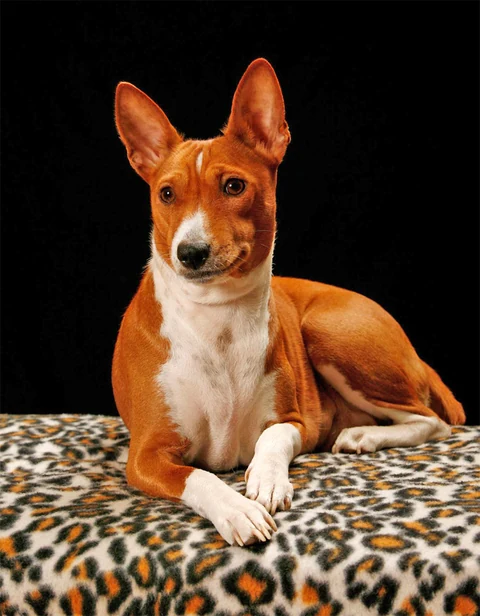
Basenji
The Basenji rarely barks but can make yodelling sounds. Outside, it may follow a scent or moving animal at speed, so off-lead running calls for secure fencing.
Sources and photograph credit
- Teaching your dog to be left alone
Used in this profile for: Staying home alone
- Canine Hip Dysplasia
Used in this profile for: Health
- Position Statements and Humane Dog Training
Used in this profile for: Everyday life
- Zuchtordnung
Used in this profile for: Health
- Deutscher Bracken Club e.V.
Used in this profile for: Temperament, Everyday life, Size and build, Could this breed fit your life?
- German Hound, FCI Standard No.299
Used in this profile for: Size / Weight, Temperament, Day-to-day care, Lifespan
- Deutsche Bracke
Used in this profile for: Temperament, Lifespan
- Ear problems in pets
Used in this profile for: Day-to-day care, Health
- Exercising Your Puppy
Used in this profile for: Size and build
- Training Your Dog to Be Left Alone
Used in this profile for: Everyday life, Size and build
- Children and Dogs
Used in this profile for: Temperament
- Caring for Your Dog’s Teeth
Used in this profile for: Day-to-day care
- Train Your Dog to Come When Called
Used in this profile for: Everyday life
Photo credits
Side view · Saksanajo1.jpg · Canarian · CC BY 4.0 · Edited

Coat and features · DeutscheBracke.jpg · Rumo · CC BY-SA 2.0 · Edited

Portrait · Puppy, Deutsche bracken, Dog image. Free for use. · klausschmadalla · CC0 1.0
Everyday life · Puppy, Deutsche bracken, Dog image. Free for use. · klausschmadalla · CC0 1.0