 fellfolio
Sicilian rabbit hound
Cirneco dell’Etna
The Cirneco dell’Etna is a slender Sicilian hunting dog with large upright ears and a fine, short coat. Used to hunt rabbits on uneven ground, it brings keen senses and a strong interest in scent to daily life. Close companionship and thoughtful training are as much a part of its care as exercise.
At a glance
- Size
- Medium
- Height at shoulder
- 44 to 50 cm
- Weight
- 8 to 13 kg
- Lifespan
- over 10 years
- Activity
- High
- Grooming
- Weekly
- Training
- Patience & clear guidance
- Owner experience
- Experience recommended
A small hunting dog with keen senses
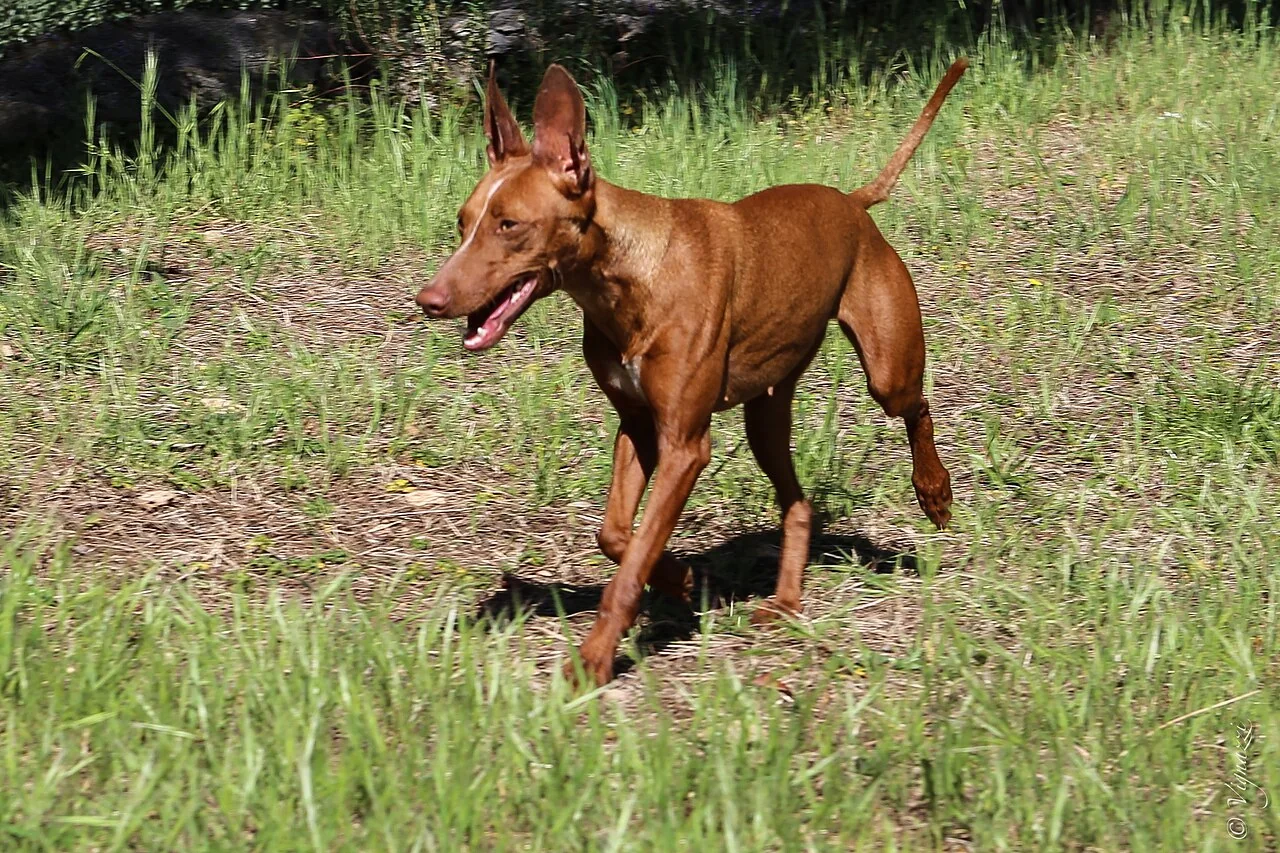
A Cirneco explores with nose, ears and eyes. This combination helped it hunt among rocks and thick vegetation, where a rabbit may be heard or smelled before it is seen. On a walk, that attention can appear as prolonged sniffing or suddenly pricked ears. You should give the dog time to investigate while keeping an eye on what has caught its interest.
The breed standard describes an affectionate, alert dog with a strong will. Its curiosity offers a useful starting point for training. An easy first step followed by a reward gives it a reason to take part. Repeating the same task over and over can lose its attention. Short sessions with a clear aim make progress easier to notice.
Everyday life
Walks together, small scent games and exercise in fenced spaces are useful parts of the routine. For a food search, you can hide individual pieces of the dog’s usual food where its nose can find them. The first task should be easy. Once the dog understands the game, you can gradually change the hiding places. Food used this way should count towards the daily allowance.
Outdoors, a lead should prevent an interesting wildlife trail from becoming a chase. Recall means returning on an agreed cue and is best practised first in quiet surroundings. The reward should follow as soon as the dog reaches you. A long training line can help when you begin practising at greater distances. Reliable restraint remains necessary around wildlife and beside roads.
Coursing is a possible sport for suitable, healthy dogs. They follow an artificial lure along a prepared course. An experienced club can explain the introduction and the requirements a dog should meet. Discussing its age and health with the vet beforehand helps you plan a suitable start.
Staying home alone
Dogs learn to stay home alone in small steps. The RSPCA advises no more than four hours at a time. Puppies and dogs that become unsettled when left alone need shorter absences and gradual practice. Arrange someone to care for your dog when you will be away longer.
Everyday dog training: recall, a loose lead and clear communication ↗
Day-to-day care
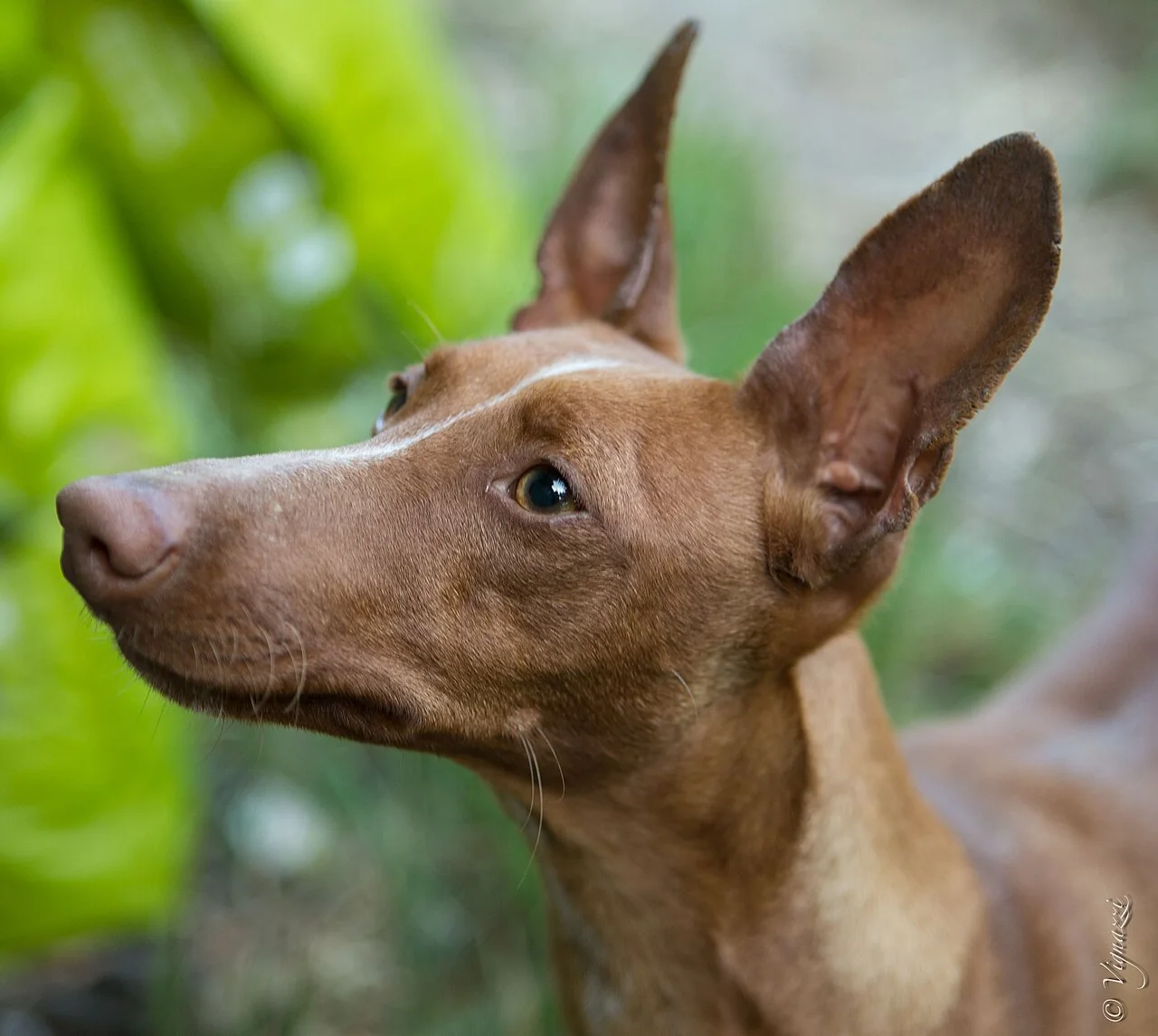
The fine, short coat can be cared for with a suitable soft brush. Short-coated dogs shed too. Brushing also gives you a chance to check for skin changes, ticks and small injuries. After walking on stony ground, you should look at the feet, especially if the dog begins stepping more cautiously.
The large ears should be checked regularly too. Unpleasant smells, discharge, repeated scratching or head shaking should be discussed with the vet. Tooth care can be introduced gradually using a dog toothbrush and dog toothpaste. Gentle handling with small rewards helps the dog understand these everyday routines.
Size and build
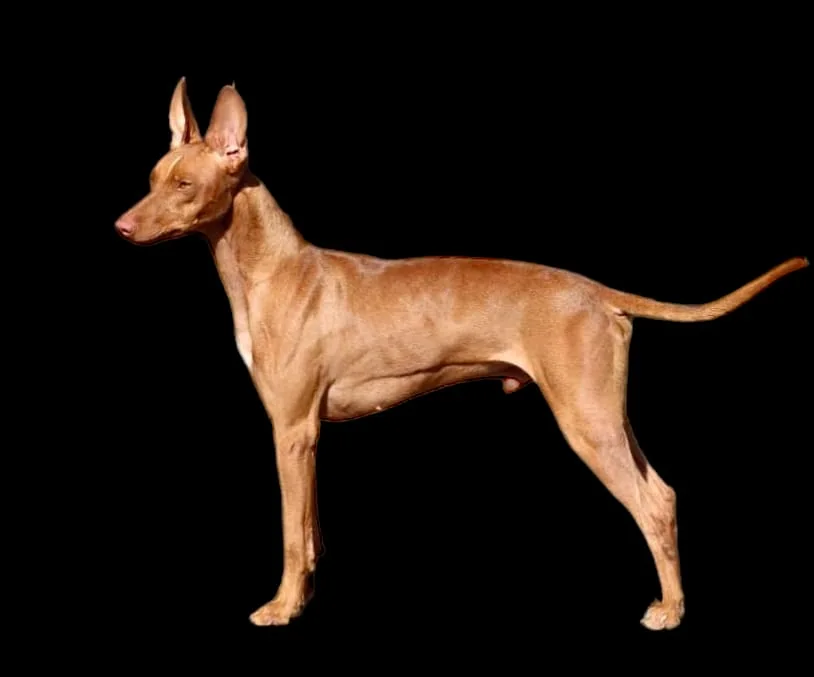
The name refers to Mount Etna, Sicily’s volcano, although the breed is found beyond its slopes. Rabbit hunting shapes its description in the international standard. Adult males are listed at 46 to 50 centimetres in height and 10 to 13 kilograms in weight. Females are described at 44 to 48 centimetres and 8 to 11 kilograms.
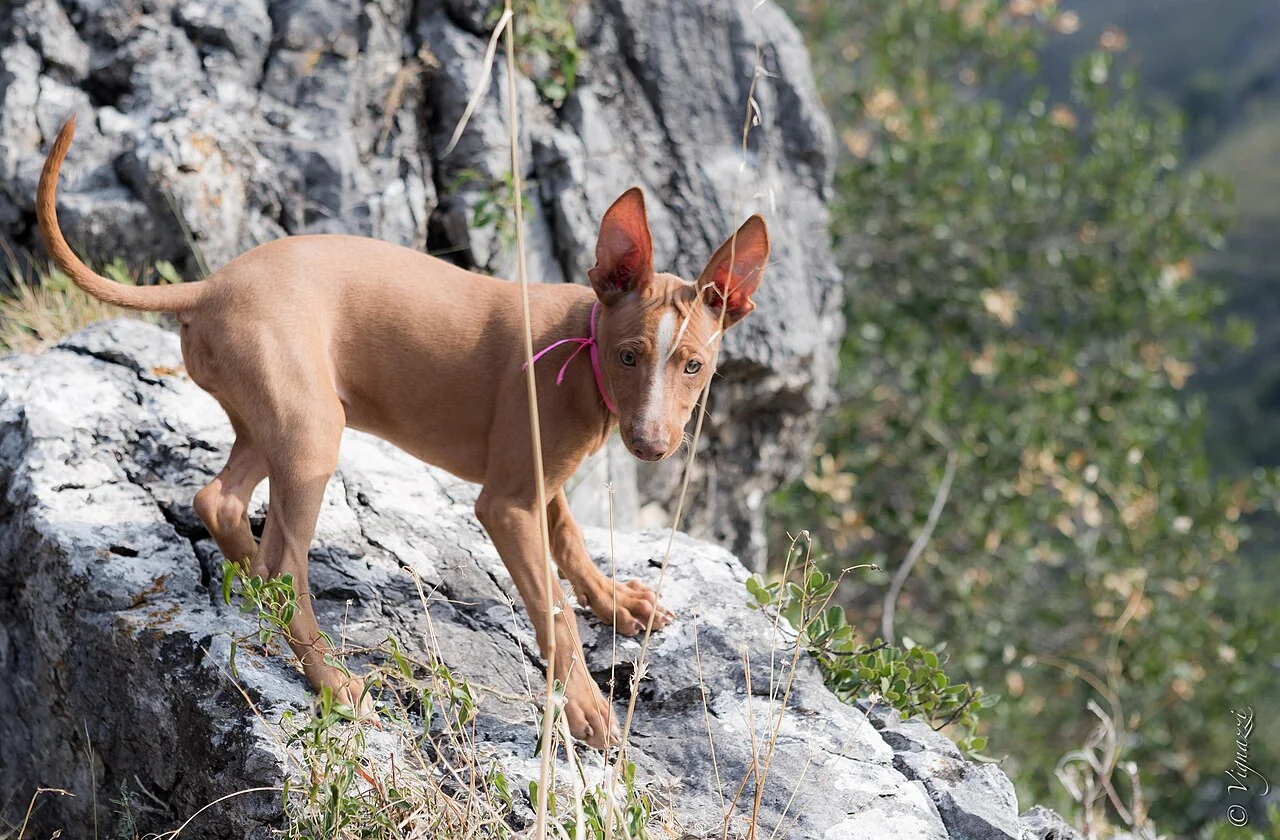
Young dogs should meet everyday sights and sounds in manageable steps. A short outing with quiet observation may be more useful than many encounters at once. Wearing a harness, travelling in a car and being groomed can also become familiar through pleasant experiences. Rest and being left alone for very short periods should be introduced too. The time apart should grow according to how comfortably the dog copes.
From puppy to senior: caring for your dog through every life stage ↗
Health
When buying a puppy, you should ask about veterinary examinations of both parents and illnesses in their relatives. Any available findings should be shown and explained to you. The conversation with the breeder should also cover how the puppies have been raised, introduced to new experiences and cared for. An adult dog’s medical records and previously observed symptoms are particularly useful.
Ongoing care should include individually planned vaccinations, parasite protection, dental checks and weight monitoring. Limping, marked changes in eating or drinking and unusual lack of interest should be assessed by a vet. Dated notes help you describe a change clearly at an appointment rather than relying entirely on memory.
Could this breed fit your life?
Could work well if …
- A Cirneco suits people who enjoy exploring with a dog and training patiently. Safe places for exercise should be part of everyday life.
- Introductions to other household pets should take the dog’s previous experiences into account. Rabbits and other small animals should remain reliably separated from it.
- Families should aim for calm interaction. Children should leave the dog undisturbed while it sleeps or eats, and adults should supervise activities together.
What to consider
- Its slender appearance should not lead you to underestimate its exercise needs or hunting interest.
- Off-lead exercise should be limited to suitable, securely fenced areas if the dog cannot be reliably stopped around wildlife.
Similar needs, different dogs.
Selected by shared size, activity, grooming and training characteristics.
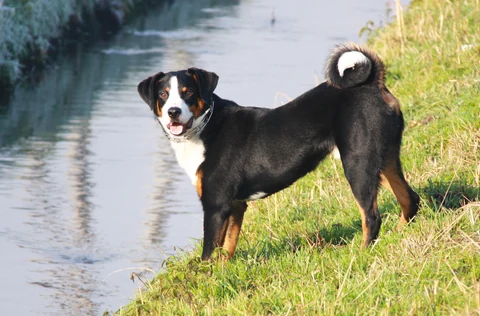
Swiss cattle and watchdog
Appenzeller Mountain Dog
The Appenzeller Mountain Dog is easy to recognise by its tricolour coat and tightly curled tail. Behind that cheerful appearance is an attentive Swiss working dog. It enjoys activity, learns quickly and notices changes around it. This breed suits people who want to spend time outdoors with their dog every day and can help it cope calmly with visitors and events at home.
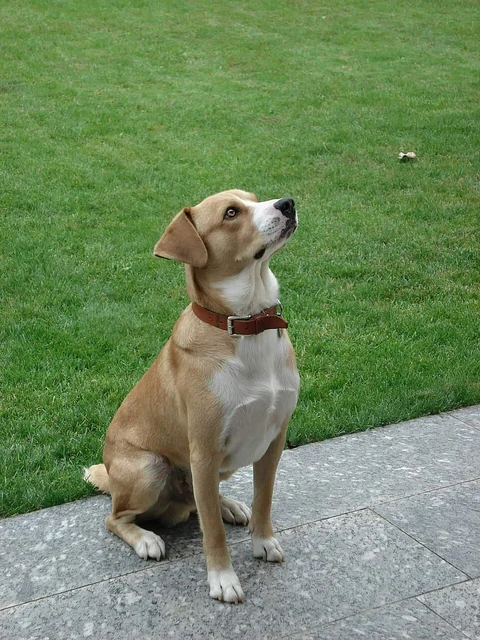
Austrian farm and companion dog
Austrian Pinscher
The Austrian Pinscher is a lively farm dog that enjoys accompanying familiar people and notices visitors attentively. Its short to medium-length coat is relatively straightforward to maintain. Exercise, shared activities and calm guidance of its guarding behaviour require more time. Meeting adult dogs helps show whether its watchfulness and temperament could suit your daily life.
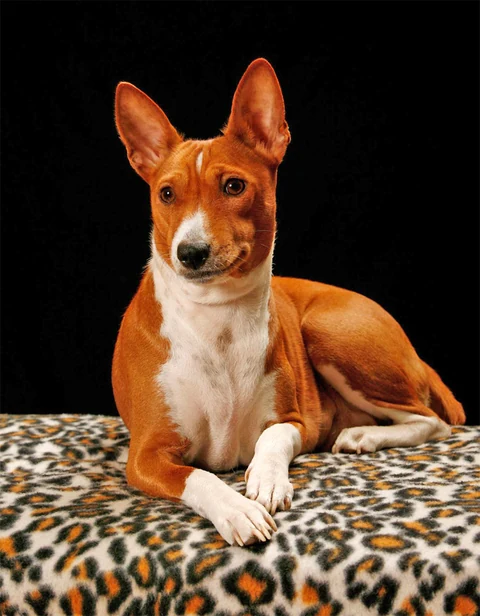
Hound
Basenji
The Basenji rarely barks but can make yodelling sounds. Outside, it may follow a scent or moving animal at speed, so off-lead running calls for secure fencing.
Sources and photograph credit
- Teaching your dog to be left alone
Used in this profile for: Staying home alone
- Cirneco dell’Etna breed standard
Used in this profile for: Size / Weight, Temperament, Everyday life, Day-to-day care, Size and build, Could this breed fit your life?
- Cirneco dell’Etna
Used in this profile for: Temperament, Everyday life, Day-to-day care, Size and build, Health, Lifespan, Could this breed fit your life?
- Sport and working standard
Used in this profile for: Temperament, Everyday life
- Healthcare for your dog
Used in this profile for: Day-to-day care, Health
- Dental disease in dogs
Used in this profile for: Day-to-day care
- Eye problems in dogs
Used in this profile for: Health
- How to give your pet a health check at home
Used in this profile for: Day-to-day care
- Caring for your puppy
Used in this profile for: Size and build
- Train your dog to come when called
Used in this profile for: Everyday life, Size and build, Could this breed fit your life?
Photo credits
Side view · CIRNECO DELL'ETNA GIOTTO DEI VIGNAZZI 32847824.jpg · Vignazzi · CC BY-SA 4.0 · Edited

Coat and features · CIRNECO DELL'ETNA, PARTICOLARE TESTA FEMMINILE.jpg · Vignazzi · CC BY-SA 4.0 · Edited

In action · CIRNECO DELL'ETNA, FEMMINA 3 ANNI.jpg · Vignazzi · CC BY-SA 4.0 · Edited

Puppy · CIRNECO DELL'ETNA., CUCCIOLA DI 2 MESI.jpg · Vignazzi · CC BY-SA 4.0 · Edited
