fellfolio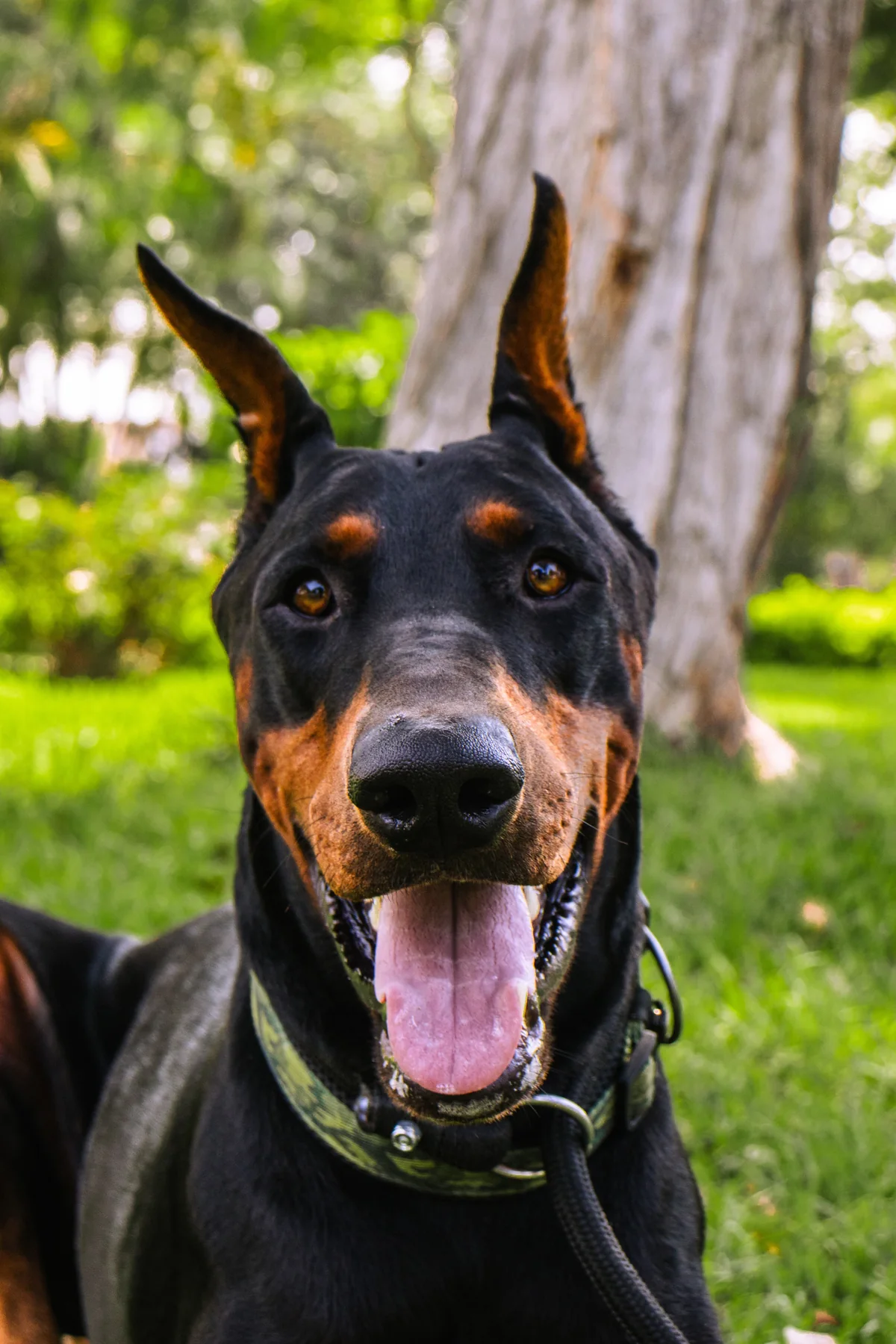
Hunt, point and retrieve dog
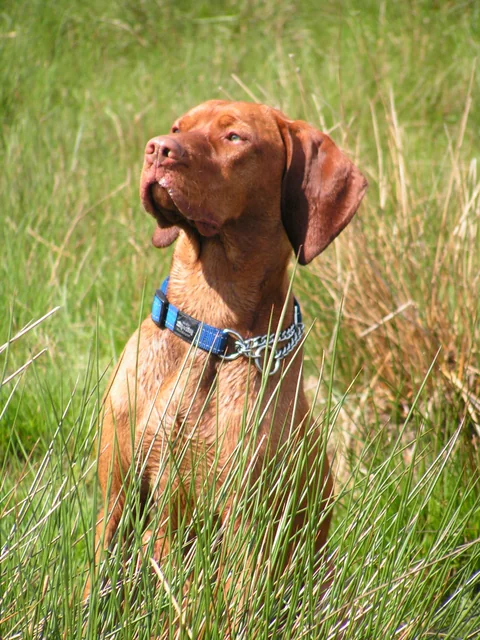
Hungarian Vizsla
A very active, people-focused pointing dog that needs movement and company.
Working and guarding dog
Athletic, alert and closely bonded to its family. A Dobermann needs plenty of exercise and regular training, while its short coat requires little grooming.
Friedrich Louis Dobermann developed the breed in the 1870s for guarding and working roles. That background is still reflected in its watchfulness: unfamiliar people and situations often quickly attract a Dobermann’s attention.
Dobermanns form close bonds with their owners and enjoy learning. Training can be rewarding, but handling their protective instincts takes experience. Early socialisation introduces them to different people, dogs and everyday situations. Reward-based training and clear, consistent rules support that learning.
Exercise is a substantial daily commitment with a Dobermann. PDSA recommends at least two hours a day for healthy adults, spread across several outings. This includes walks and off-lead running in a securely enclosed area. The intensity needs to suit the dog’s age and health.
Play and training make use of the breed’s eagerness to learn, providing mental activity alongside those walks. Access to a garden alone does not provide that engagement.
Being alone needs gradual practice. The RSPCA advises no more than four hours at a time; puppies and some adults need much shorter intervals. Arrange company during longer absences.
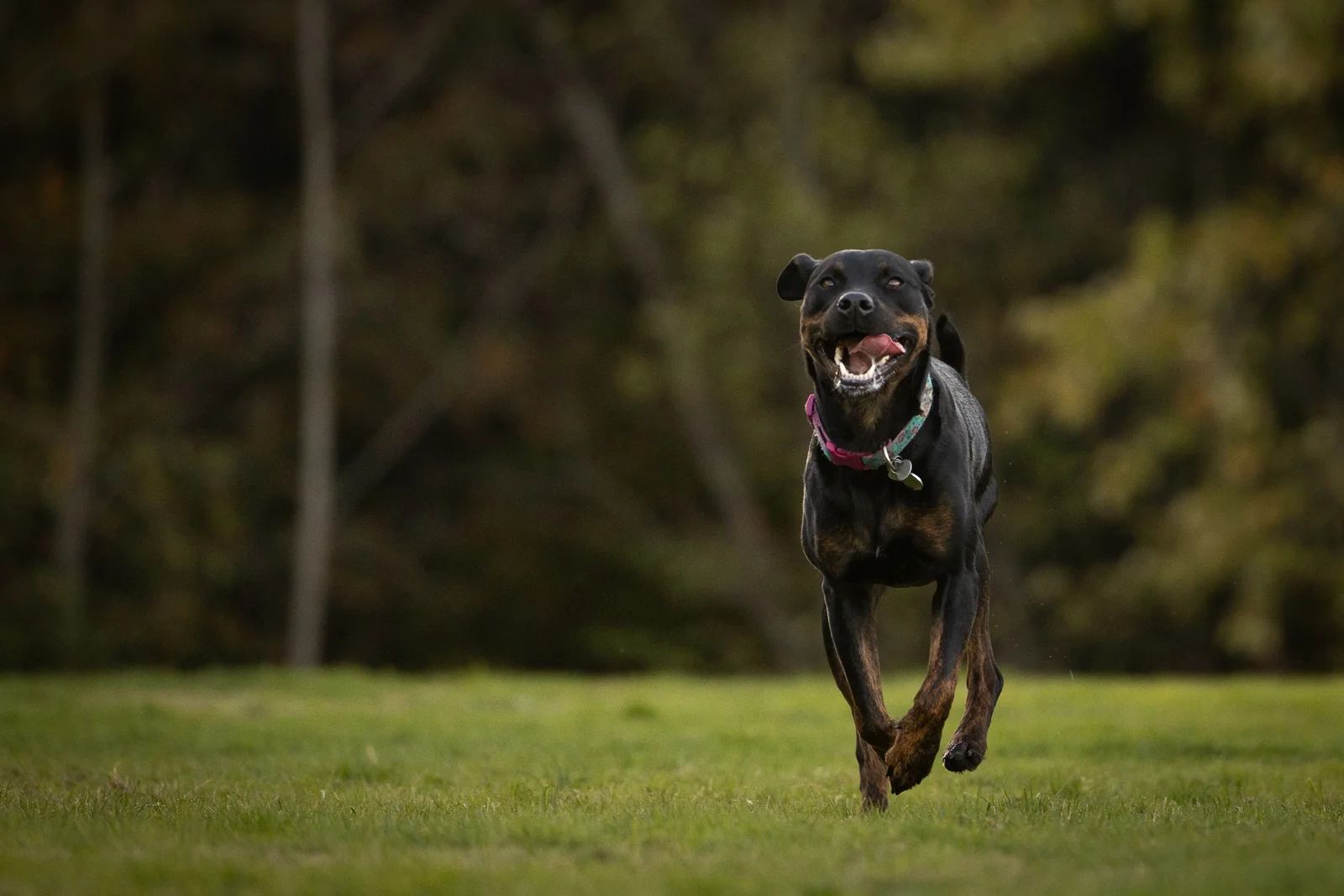
Grooming is straightforward: a weekly brush is usually enough. Dobermanns shed more in spring and autumn, when more frequent brushing helps remove loose hair. Despite the breed’s sturdy appearance, its short coat offers little protection from cold weather.
The Dobermann has a muscular, almost square build and a deep chest. Its short coat is black or brown, with rust-coloured markings on the head, chest and legs.
The FCI standard gives females a shoulder height of 63–68 cm and a weight of about 32–35 kg; males measure 68–72 cm and weigh about 40–45 kg. The standard specifies natural ears and tail.
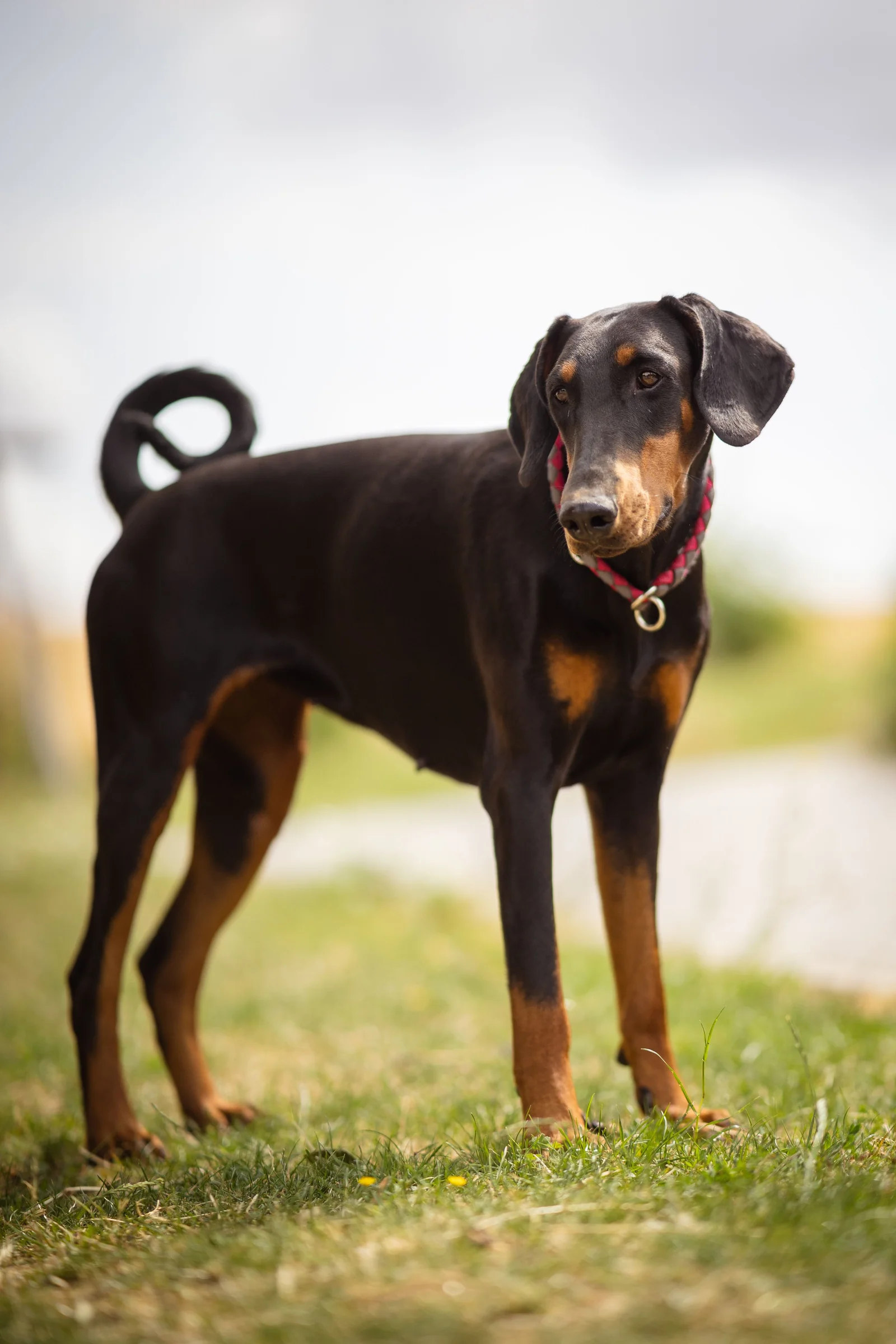
Health conditions affecting Dobermanns include dilated cardiomyopathy (DCM), which affects the heart muscle, and von Willebrand disease, a blood-clotting disorder. The parents’ health screening records are therefore important when buying a puppy.
The breed is also susceptible to gastric torsion, or GDV. Suspected GDV requires immediate veterinary care.
Breed traits describe tendencies. Breeding line, socialisation, care and experience shape the individual. Children and animals always need responsible supervision.
Selected by shared size, activity, grooming and training characteristics.
Hunt, point and retrieve dog
A very active, people-focused pointing dog that needs movement and company.
Hunt, point and retrieve dog
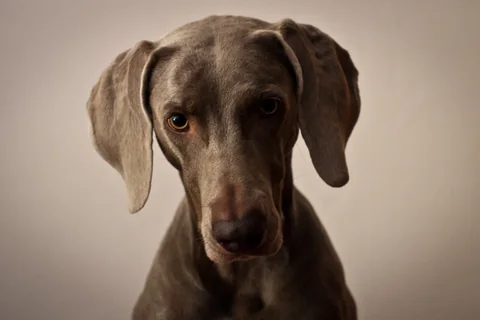
An enduring pointing dog that needs exercise, mental work and close family involvement.
Working dog
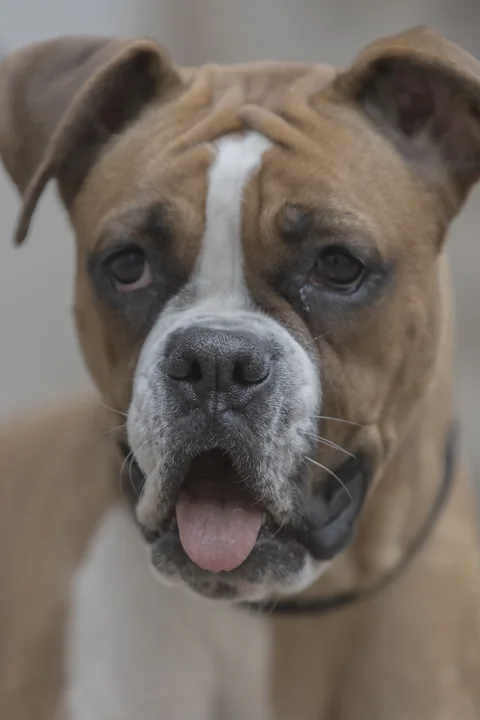
A playful, strong dog that matures slowly. Exercise, patient training and room for its energy all need planning.