 fellfolio
Working dog
Rottweiler
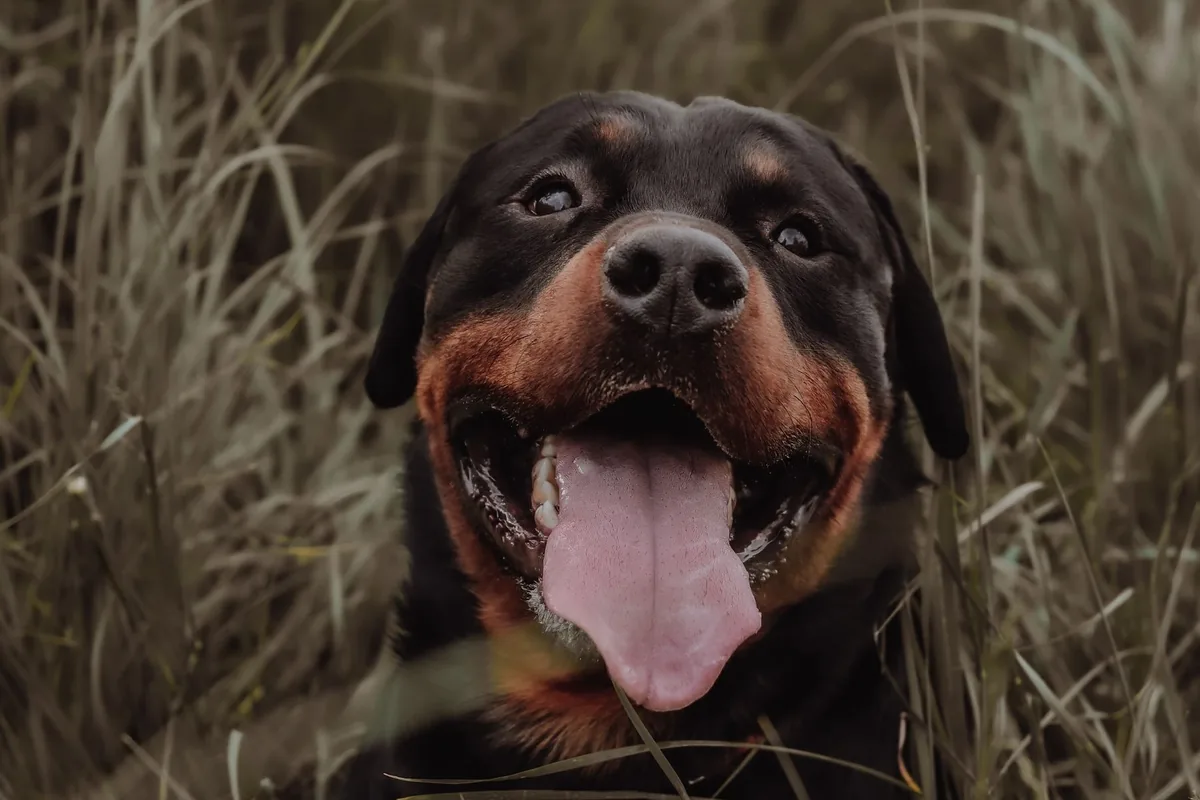
Rottweilers often bond closely with family and are very strong. Early practice with visitors and other dogs should allow enough space for calm encounters. Daily walks and short training sessions are part of their routine.
At a glance
- Size
- Large
- Height at shoulder
- 54 to 69 cm
- Weight
- 35 to 60 kg
- Lifespan
- over 10 years
- Activity
- High
- Grooming
- Low
- Training
- Demanding activities
- Owner experience
- Experience recommended
Calm behaviour takes practice
Rottweilers once worked driving cattle and guarding property. Many form close bonds with their families and watch unfamiliar people carefully. With a dog this strong, it helps to practise visits before guests arrive. First, ask someone familiar to ring the bell. Guide your dog to its place first, then reward a brief moment of calm waiting. It can greet the visitor once things have settled.
If it barks or blocks the doorway, scolding does not show it what to do instead. Repeat the practice in small steps and give it more distance from the visitor at first. If it seems frightened or threatens people, ask a qualified dog trainer for help.
Everyday life
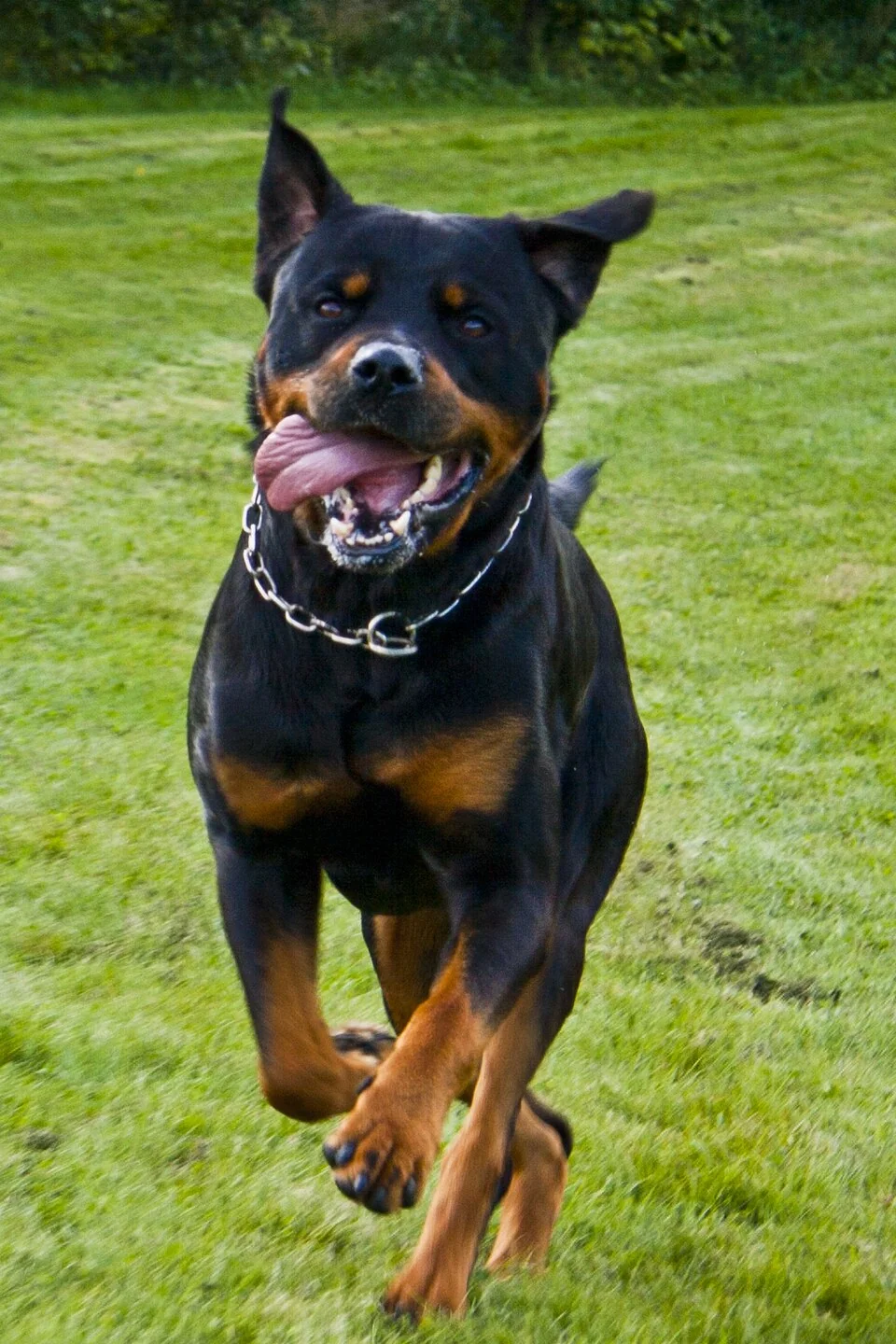
The UK veterinary charity PDSA advises at least two hours of daily exercise for adult Rottweilers. Spread that across walks, play and short practice sessions. A trail of food in the grass or a hidden toy gives the dog something to search for, without turning every outing into a long run. On narrow paths, a dog this strong is easier to guide if it has learnt to walk on a loose lead and stop with you.
An adult should supervise time with children, even when the dog and child know each other well. Children need to leave it alone while it eats or sleeps. For a first meeting with another dog, try walking both dogs in the same direction with some distance between them. Introduce other pets gradually, give them places to retreat to and do not leave small animals alone with the Rottweiler.
Staying home alone
Dogs learn to stay home alone in small steps. The RSPCA advises no more than four hours at a time. Puppies and dogs that become unsettled when left alone need shorter absences and gradual practice. Arrange someone to care for your dog when you will be away longer.
Everyday dog training: recall, a loose lead and clear communication ↗
Day-to-day care
A soft brush once a week is usually enough for the short coat, though more loose hair may come away in spring and autumn. While brushing, check the skin and paws for a tick, thorn or small wound picked up outside. Check the nails regularly and introduce tooth brushing calmly.
Practise gentle handling of the paws, ears and mouth while the dog is young. It makes everyday care and veterinary examinations easier to manage with such a large dog.
Size and build
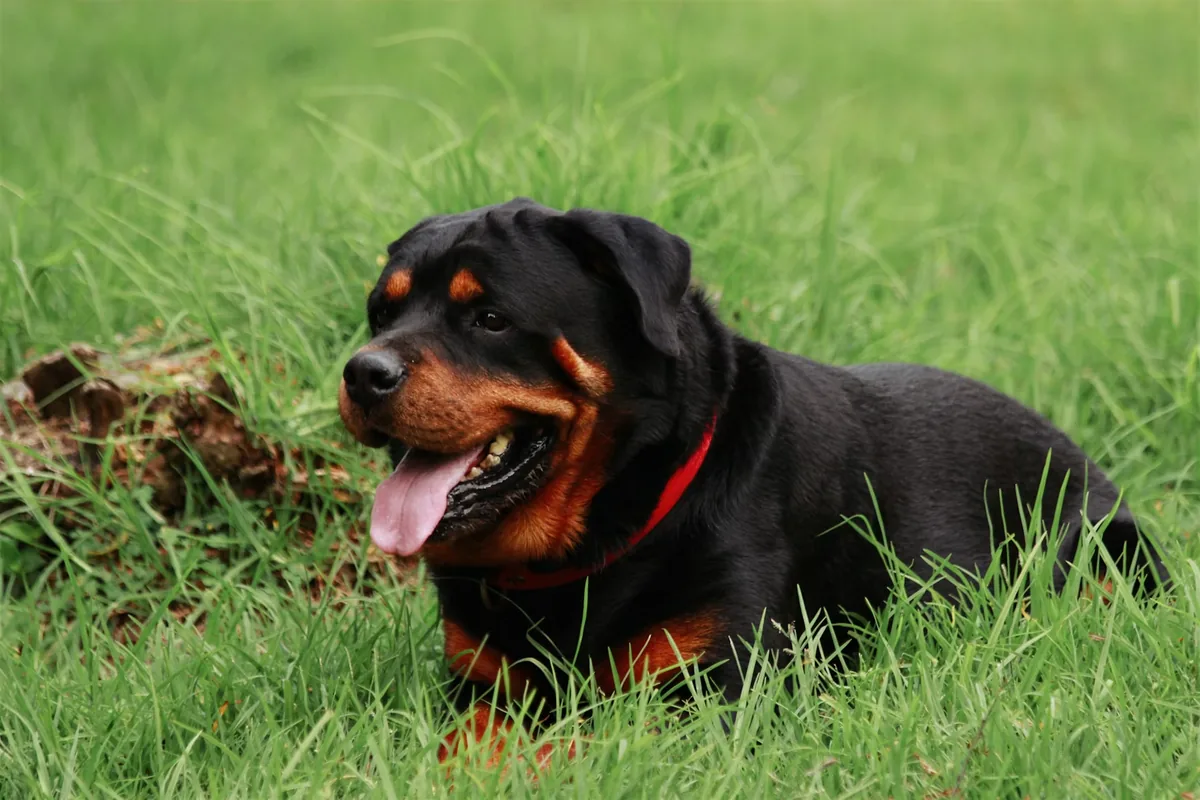
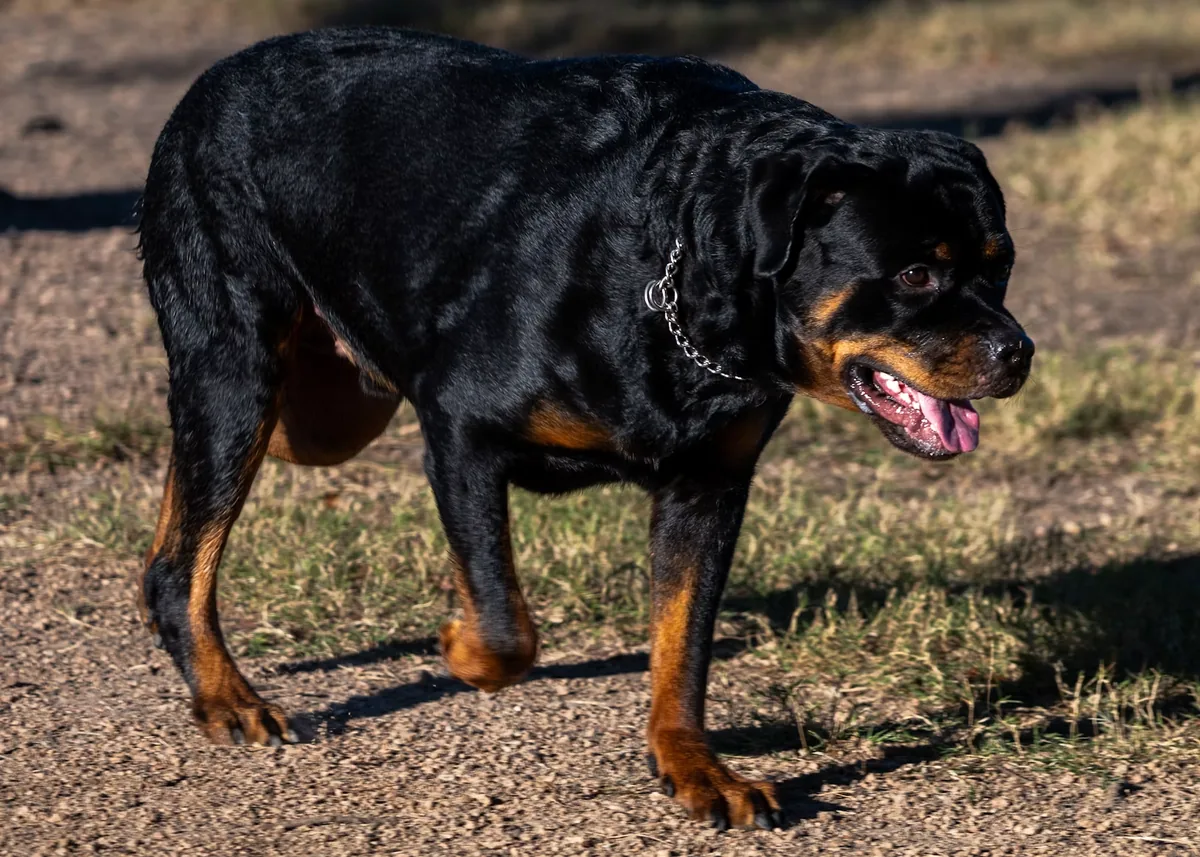
Rottweilers are large, powerfully built dogs. PDSA lists 54 to 69 cm at the shoulder and 35 to 60 kg, with males usually toward the upper end of those ranges. The head is broad, the chest deep, and the back and legs well muscled. Despite its size, the dog should move steadily and without visible effort. The short black coat carries rust-coloured markings on the face, chest and legs. An adult Rottweiler can pull with considerable force, so it helps to practise walking on a loose lead while the dog is young.
From puppy to senior: caring for your dog through every life stage ↗
Health
Heart and joint health deserve particular attention in Rottweilers. Subaortic stenosis, a narrowing where blood leaves the heart, may cause a heart murmur or fainting. Hip and elbow dysplasia can cause pain and later arthritis. PDSA also lists inherited eye conditions and juvenile laryngeal paralysis and polyneuropathy (JLPP), a nerve disorder that can affect the voice box and hind legs. A DNA test is available for JLPP.
If you are looking for a puppy from a breeder, ask to see the parents’ heart, hip, elbow and eye results as well as their JLPP results. If your Rottweiler faints or suddenly struggles to breathe, call your vet or an emergency vet immediately. Arrange a veterinary check for repeated lameness or new breathing sounds without breathing distress.
Could this breed fit your life?
Could work well if …
- You have experience with large dogs and time for daily walks and training.
- You want to practise calm routines for visitors and meetings with other dogs.
May be less suitable if …
- You need a dog to manage visitors and unfamiliar dogs without your guidance.
- You cannot safely handle a strong dog on the lead.
More breeds to compare
Explore their build, activity and care needs in these profiles.
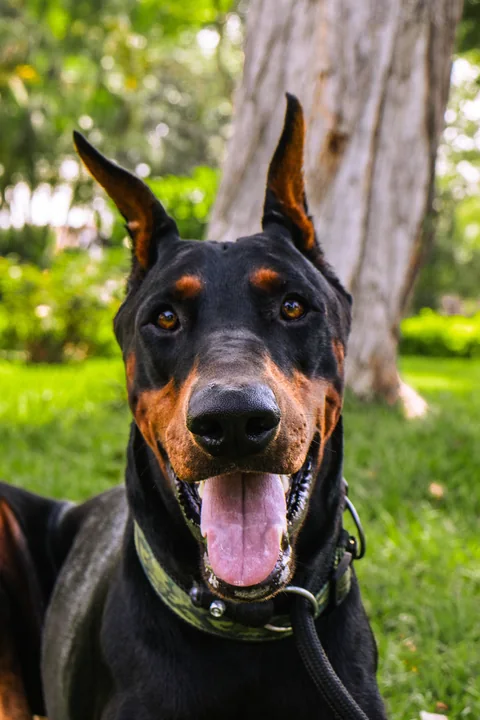
Working and guarding dog
Dobermann
The Dobermann is athletic and alert, and needs daily exercise and shared tasks. Practise walking on lead, recall and calm introductions early so you can handle its strength safely.
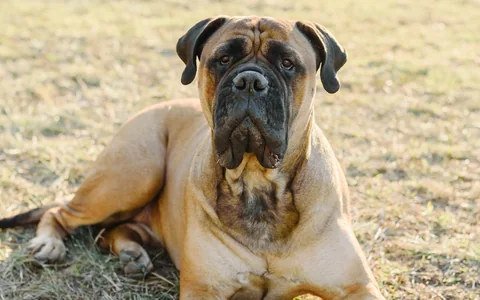
Guarding dog
Bullmastiff
The Bullmastiff is a large guard dog that often bonds closely with family. It needs several walks each day and early lead and visitor training so you can handle its strength safely.
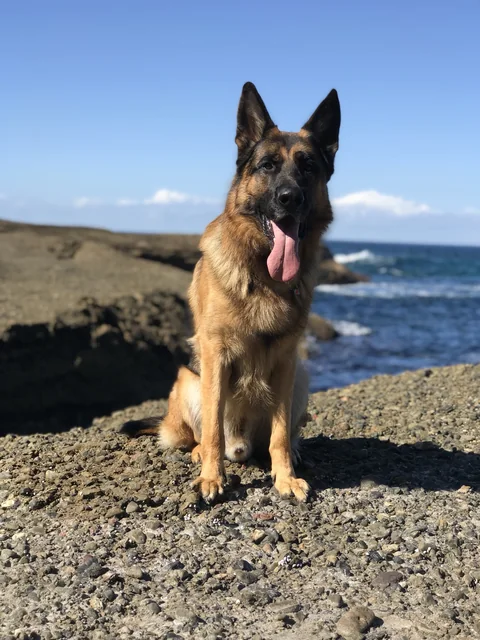
Herding dog
German Shepherd
The German Shepherd is a strong working dog with plenty of stamina, a keen nose and an alert expression. It enjoys learning with its people, but daily life also calls for rest and a dependable way of handling visitors and other animals.
Sources and photograph credit
- Teaching your dog to be left alone
Used in this profile for: Staying home alone
- What to Do in a Dog or Cat Emergency
Used in this profile for: Health
- Rottweiler · breed guide
Used in this profile for: Size / Weight, Temperament, Everyday life, Day-to-day care, Size and build, Health, Lifespan, Could this breed fit your life?
Photo credits
Portrait · Екатерина Мясоед · Pexels License
Side view · Toby Dagenhart · Unsplash License
In action · Akilles Running · Mikael Bergman · CC BY 2.0 · Edited

Puppy · Natalia Restrepo · Unsplash License