 fellfolio
Herding dog
Cardigan Welsh Corgi
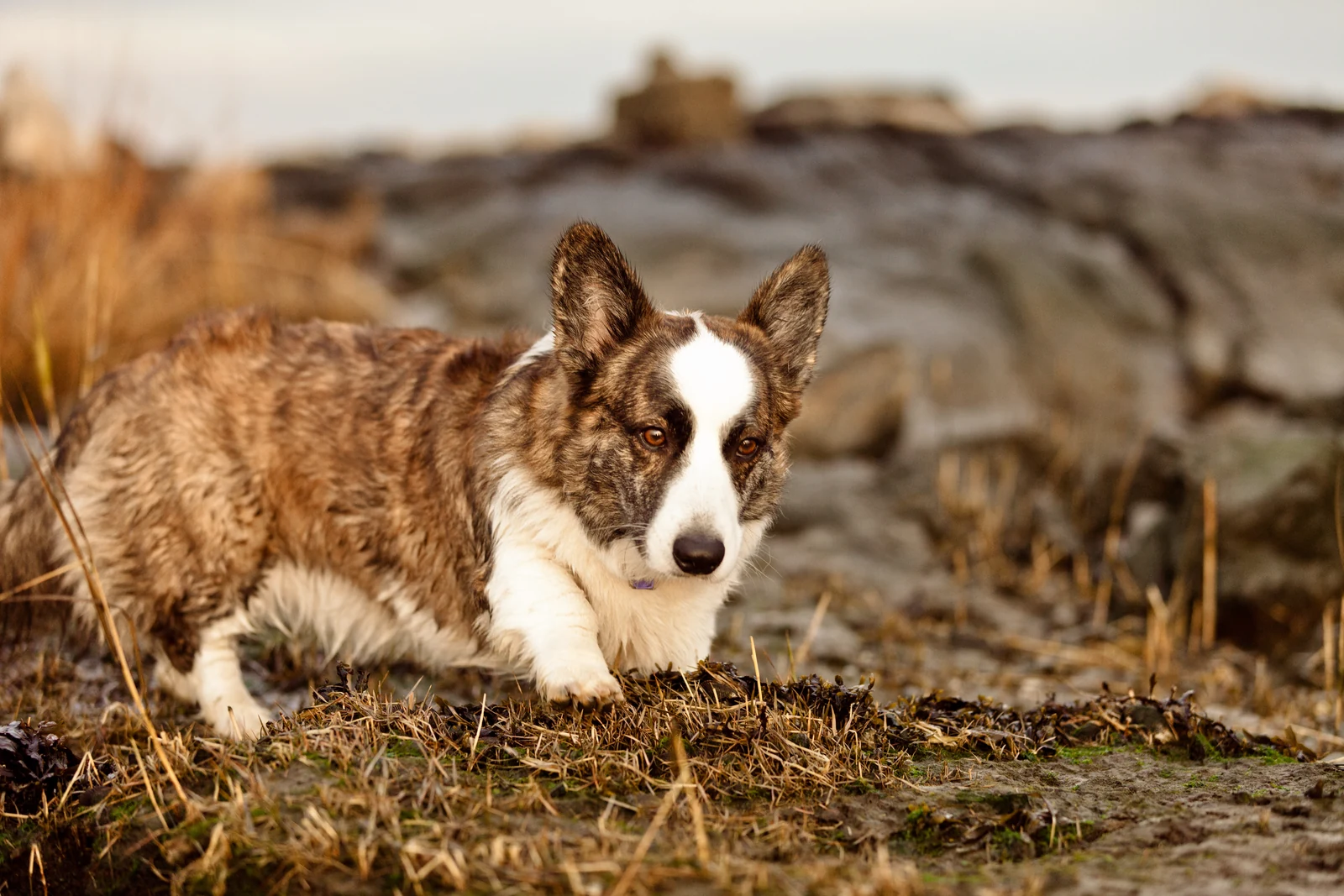
The Cardigan Welsh Corgi is a short-legged herding dog with a long body, large ears and a naturally long tail. Its compact size can obscure a history of working with livestock. Shared walks and small training tasks belong in everyday life alongside a comfortable place to rest.
At a glance
- Size
- Small
- Height at shoulder
- 30 cm
- Lifespan
- over 12 years
- Activity
- Moderate
- Grooming
- Several times weekly
- Training
- Often cooperative
- Owner experience
- First dog with support
An attentive working dog on short legs
A Cardigan may keep a close eye on people passing and things moving around it during a walk. Its ancestors helped drive livestock, work that called for agility and independent decisions. In a modern home, practising responses to passing bicycles, running people and visitors helps make everyday situations more manageable.
Watching calmly from a comfortable distance can be rewarded. Adults should supervise interactions with young children and notice when running or play becomes too much for the dog. Being described as a friendly family companion does not mean every Cardigan is comfortable in every situation. An undisturbed resting place is useful in a busy home. Choosing a second dog also calls for careful introductions, rather than relying on breed alone.
Everyday life
The Royal Kennel Club lists up to an hour of daily exercise as a broad guide for this breed. Short legs do not make a Cardigan a dog that only wants a quick toilet trip outside. Walks, sniffing and brief training exercises can make a varied day for a healthy adult. The duration and pace should suit the individual.
A simple training sequence might involve waiting at a marker, changing direction and returning when called. It combines movement and teamwork without needing high jumps. Games should take place on a surface with good grip, at a pace the dog can comfortably manage. Shorter steps, falling behind or reluctance to get up warrant investigation. Increasing the training is not automatically the answer.
Staying home alone
Dogs learn to stay home alone in small steps. The RSPCA advises no more than four hours at a time. Puppies and dogs that become unsettled when left alone need shorter absences and gradual practice. Arrange someone to care for your dog when you will be away longer.
Everyday dog training: recall, a loose lead and clear communication ↗
Day-to-day care
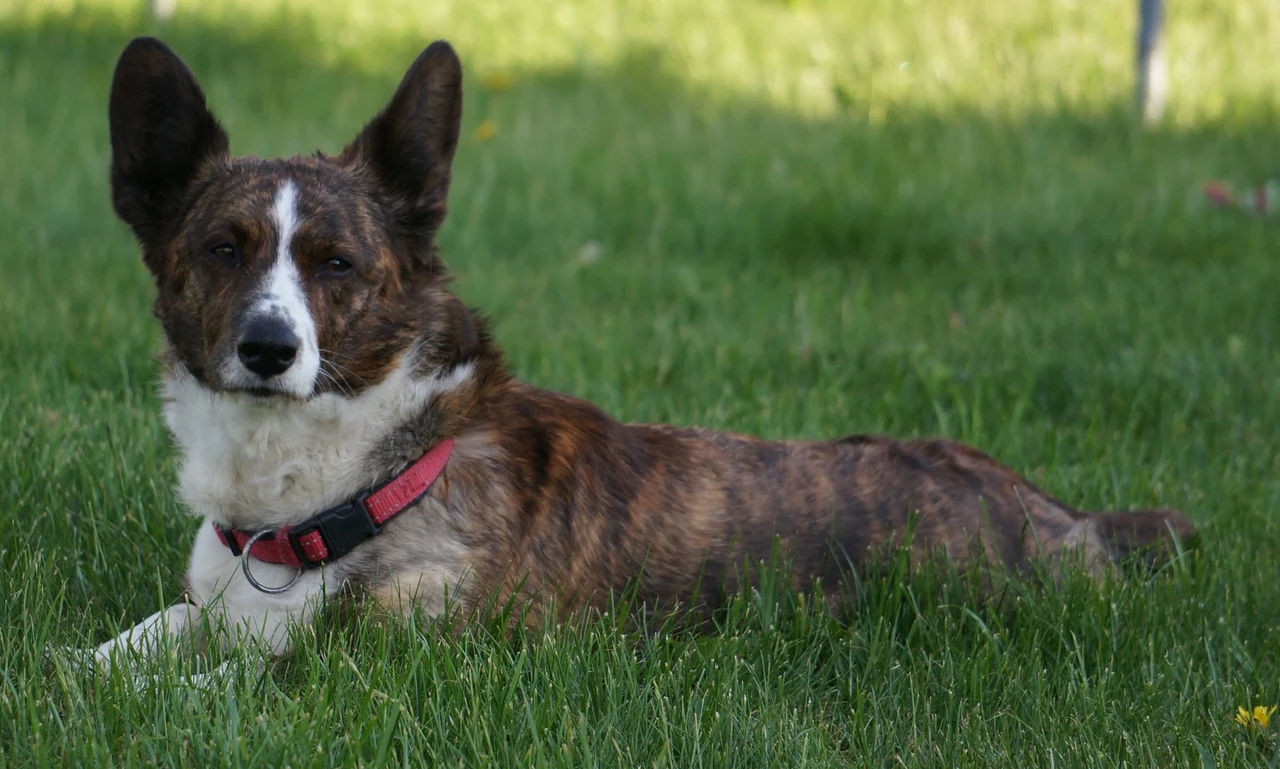
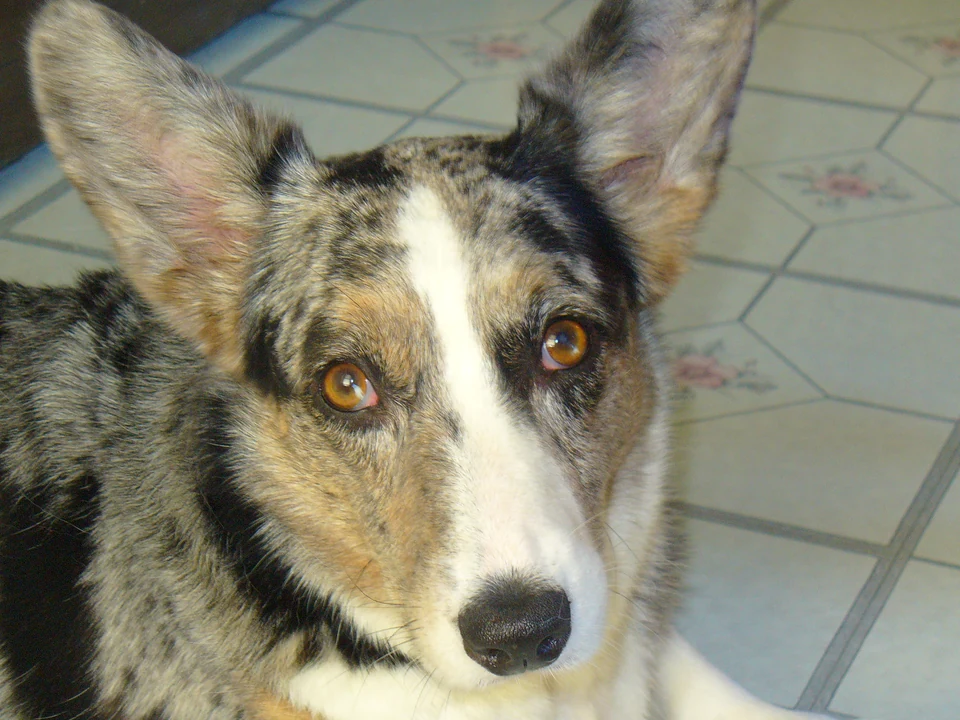
A Cardigan has a short to medium-length coat with a dense undercoat, the softer layer beneath the outer hairs. It sheds and needs brushing several times a week. Seasonal coat changes can release a great deal of loose hair. Regular grooming helps remove that hair before it spreads through the house.
After walks, check the belly and paws for dirt or trapped plant material. Checking nail length and brushing teeth with dog toothpaste are part of care too. A Cardigan does not need to be lifted onto a table for brushing, so brief practice sessions can take place comfortably on the floor. Rewarding the dog for standing calmly also helps prepare it for veterinary examinations.
Size and build
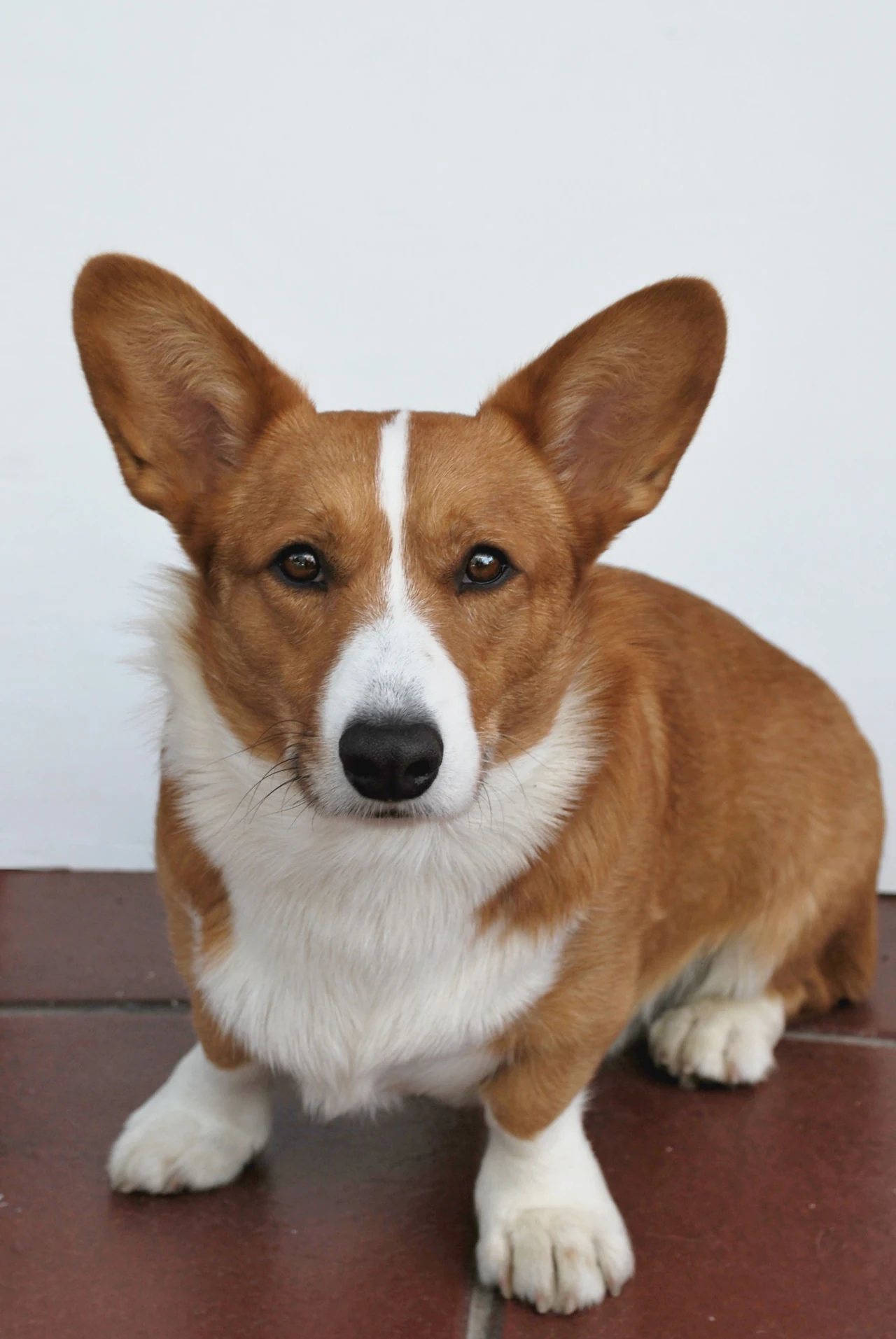
The Cardigan and Pembroke are two distinct Welsh Corgi breeds. The Royal Kennel Club has registered them separately since 1934. A long tail, larger and more rounded ears, and a sturdy, elongated body are characteristic of the Cardigan.
The international standard of the Fédération Cynologique Internationale, or FCI, the federation of national kennel clubs, gives an ideal height of 30 cm. This is measured to the highest point of the shoulders while the dog stands. The standard does not set a fixed numerical weight. Weight should be in proportion to the dog’s build. The short legs should still provide enough ground clearance for free movement. When choosing a dog, comfortable movement deserves more attention than an exaggerated outline.
From puppy to senior: caring for your dog through every life stage ↗
Health
The Cardigan Welsh Corgi Club of America identifies hip dysplasia, a developmental problem of the hip joint, and progressive retinal atrophy as important screening topics. Progressive retinal atrophy, or PRA, is deterioration of the retina, the light-sensitive layer inside the eye. It can lead to blindness. A DNA test is available for PRA-rcd3, the form known in Cardigans. The Royal Kennel Club also lists eye and hip assessments. Suitable results for the parents should be available before buying a puppy.
Degenerative myelopathy, or DM, is another condition discussed for the breed. It damages nerves in the spinal cord and can cause increasing weakness and unsteady movement. A genetic test identifies an associated risk. It cannot say for certain whether an individual dog will develop the disease. Weakness in the hind legs or changes in walking should therefore be investigated, rather than explained solely by a test result.
The Royal Kennel Club lists a lifespan of over twelve years as a general breed guide, not a guarantee for an individual. Regular weight checks and appropriate food portions matter for a small dog too.
Could this breed fit your life?
Could work well if …
- People who want a compact dog and still enjoy shared walks and training.
- A household ready to guide an attentive dog calmly and provide time to rest.
- Owners who take grooming, health records and the dog’s actual ease of movement seriously.
What to consider
- Short legs should not be mistaken for a low need for exercise and engagement.
- Even with a friendly Cardigan, an adult should supervise interactions with children.
- Very short legs or an especially heavy body should not be a selection goal.
Similar needs, different dogs.
Selected by shared size, activity, grooming and training characteristics.
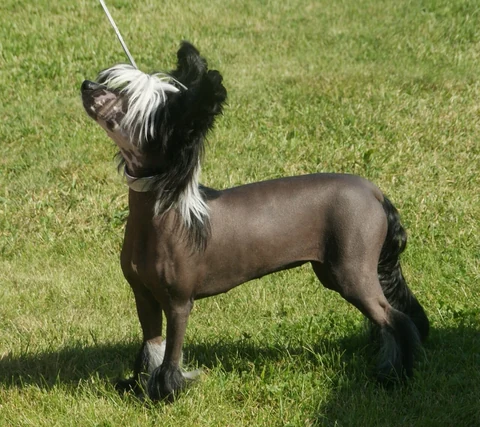
Small companion dog
Chinese Crested
The Chinese Crested comes with a largely hairless body or as a fully coated Powderpuff. Both varieties belong to the same small companion breed. Their care differs considerably: the Powderpuff needs attention to its long coat, while the hairless variety particularly needs skin care and thoughtful protection from sun and cold.
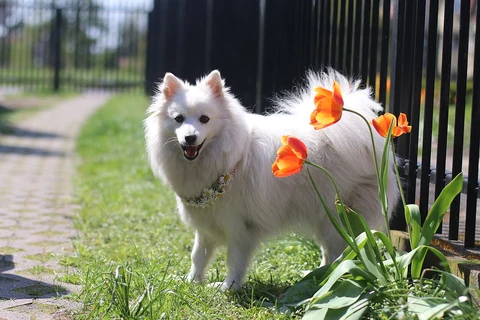
Spitz and companion dog
Japanese Spitz
A white stand-off coat, upright ears and a tail carried over the back give the Japanese Spitz its distinctive outline. This small companion dog needs regular walks, shared activities and coat care. Before choosing one, it is worth discussing barking, time alone and the dog’s previous experiences as well as admiring its appearance.
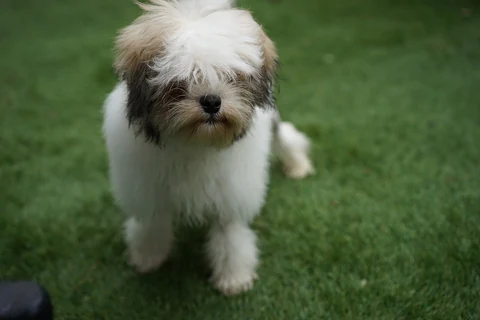
Small companion dog
Löwchen
A Löwchen can look quite different with a long coat or its distinctive lion clip. Both appearances belong to the same small companion breed. Alongside its cheerful looks, prospective owners should plan for regular coat care, shared activities and dependable company.
Sources and photograph credit
- Teaching your dog to be left alone
Used in this profile for: Staying home alone
- Humane Dog Training Position Statement
Used in this profile for: Temperament, Everyday life
- Cardigan Welsh Corgi Health Statement
Used in this profile for: Health
- DNA Test: PRA-rcd3
Used in this profile for: Health
- Welsh Corgi Cardigan
Used in this profile for: Temperament, Everyday life, Day-to-day care, Size and build, Health, Lifespan, Could this breed fit your life?
- FCI Standard No. 38: Welsh Corgi Cardigan
Used in this profile for: Size / Weight, Temperament, Day-to-day care, Size and build, Could this breed fit your life?
- Keeping Children Safe Around Dogs
Used in this profile for: Temperament, Could this breed fit your life?
- Dog Health and Welfare
Used in this profile for: Everyday life, Day-to-day care
- Looking After Your Dog’s Teeth
Used in this profile for: Day-to-day care
- Degenerative Myelopathy
Used in this profile for: Health
Photo credits
Portrait · File:Welsh Corgi Cardigan, Dog.jpg · FatFairfax · CC BY-SA 3.0 · Edited

Coat and features · File:Cardigan Welsh Corgi (Cadan).jpg · Absintalsem · CC BY-SA 4.0 · Edited
.jpg)
Everyday life · File:Welsh Corgi Cardigan named Flow 2020 7.jpg · GrzegorzWicher · CC BY-SA 4.0 · Edited

Coat and features · File:Cardigan Welsh Corgi Face.JPG · Wikimaster97commons · CC BY-SA 3.0 · Edited
