 fellfolio
Herding dog
Bergamasco Sheepdog
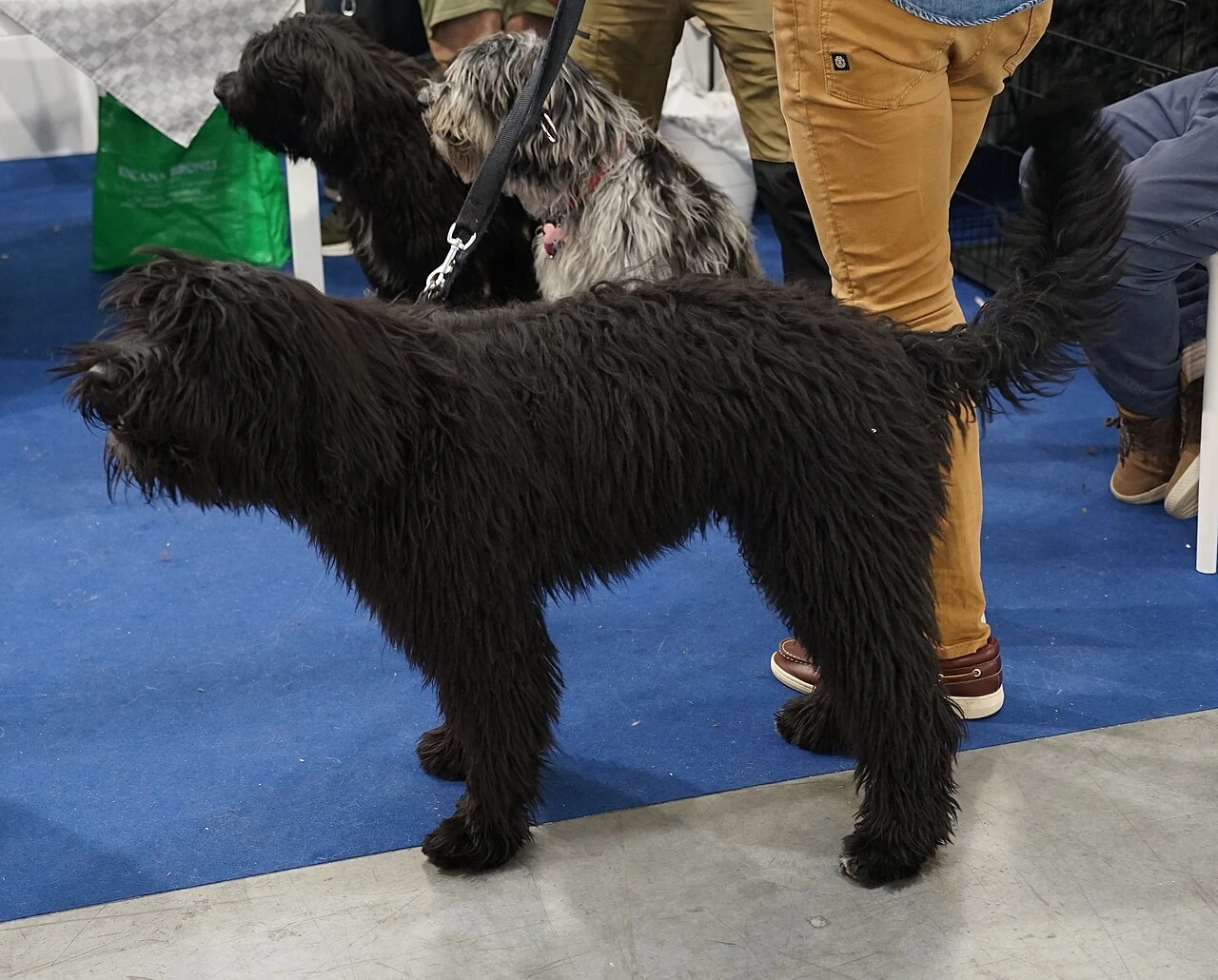
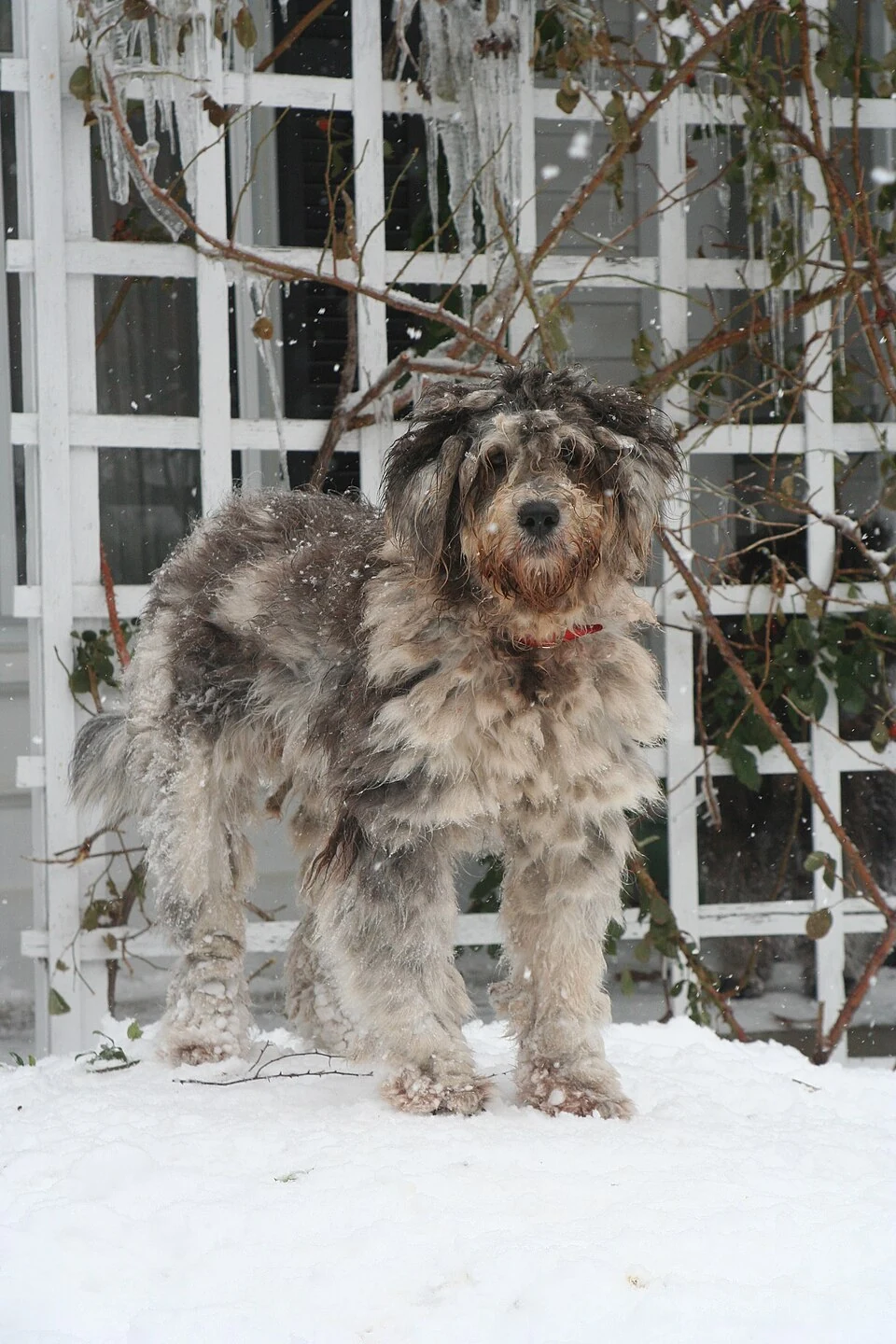
The Bergamasco Sheepdog comes from the Italian Alps. Its distinctive coat develops broad flocks, or flat strands of interwoven hair. Learning to care for them should be part of preparing for this breed. Shared outings and calm, understandable training also matter when living with an observant herding dog.
At a glance
- Size
- Large
- Weight
- 26 to 38 kg
- Lifespan
- over 12 years
- Activity
- Moderate
- Grooming
- Specialist coat care
- Training
- Patience & clear guidance
- Owner experience
- Experience recommended
A thoughtful observer with a herding background
Around Bergamo in the Italian Alps, these dogs accompanied livestock during seasonal journeys between mountain grazing and lower areas. Their work called for attention and independent responses. Today, Bergamascos also live as family companions. That background helps explain watchfulness and independence, but does not determine how an individual dog will respond to visitors, children or other animals.
A Bergamasco may stay close to familiar people while keeping its distance from someone new. You should arrange visitor arrivals so that the dog has room to observe calmly. A mat to one side of the doorway, someone accompanying the dog and an unhurried first greeting can help. Visitors should not immediately hug the dog or reach into its coat.
Living with a large, strong dog also involves practising small everyday skills: letting someone pass on a narrow path, waiting while a door opens and having a harness put on calmly. An adult should supervise children, and the dog needs a resting place where it will be left undisturbed. When introducing another pet, the experiences of both animals matter as much as the breed description.
Everyday life
Shared walks should offer opportunities to explore and sniff. A healthy adult Bergamasco may enjoy hiking, searching games or thoughtfully introduced exercises at a training club. A simple searching game can begin with a familiar object placed a short distance away. Your dog can learn to find it and exchange it with you for a reward. The length and difficulty should increase gradually.
A garden can be useful, but does not replace outings together or company. If you are away for much of the day, dependable care should be arranged before getting the dog. Being alone needs to be introduced in stages. Waiting quietly, resting after a walk and moving to another place can be taught just as kindly as a searching game.
The substantial coat makes returning from a wet outing more demanding. You should plan somewhere to clean and dry your dog, keep towels ready and allow time to inspect the coat. On hot days, a Bergamasco also needs shade, water and outings adapted to the conditions. Its coat cannot be relied on to prevent overheating. A handover to a dog sitter should describe the usual grooming routine and any particular skin areas that need checking.
Staying home alone
Dogs learn to stay home alone in small steps. The RSPCA advises no more than four hours at a time. Puppies and dogs that become unsettled when left alone need shorter absences and gradual practice. Arrange someone to care for your dog when you will be away longer.
Everyday dog training: recall, a loose lead and clear communication ↗
Day-to-day care
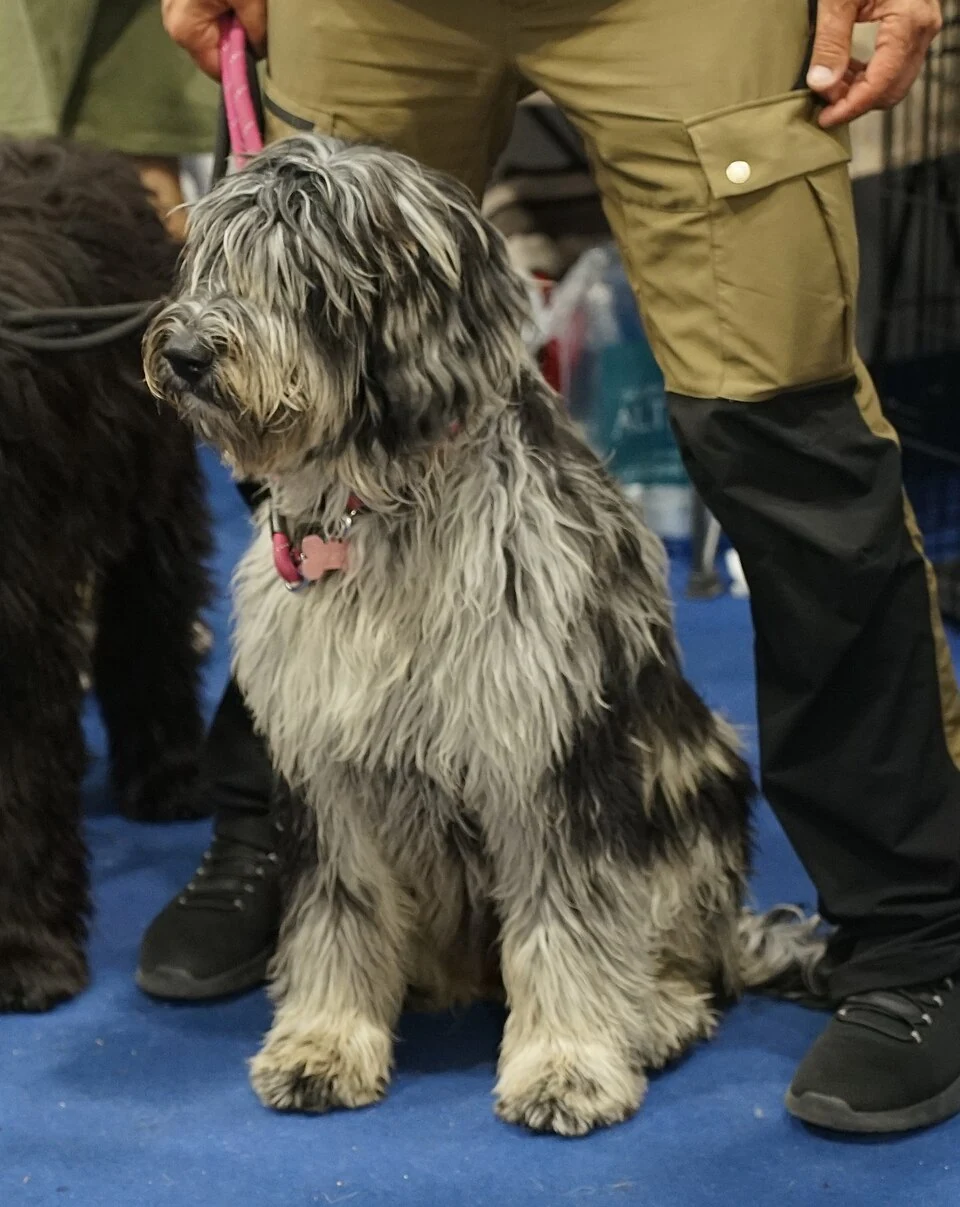
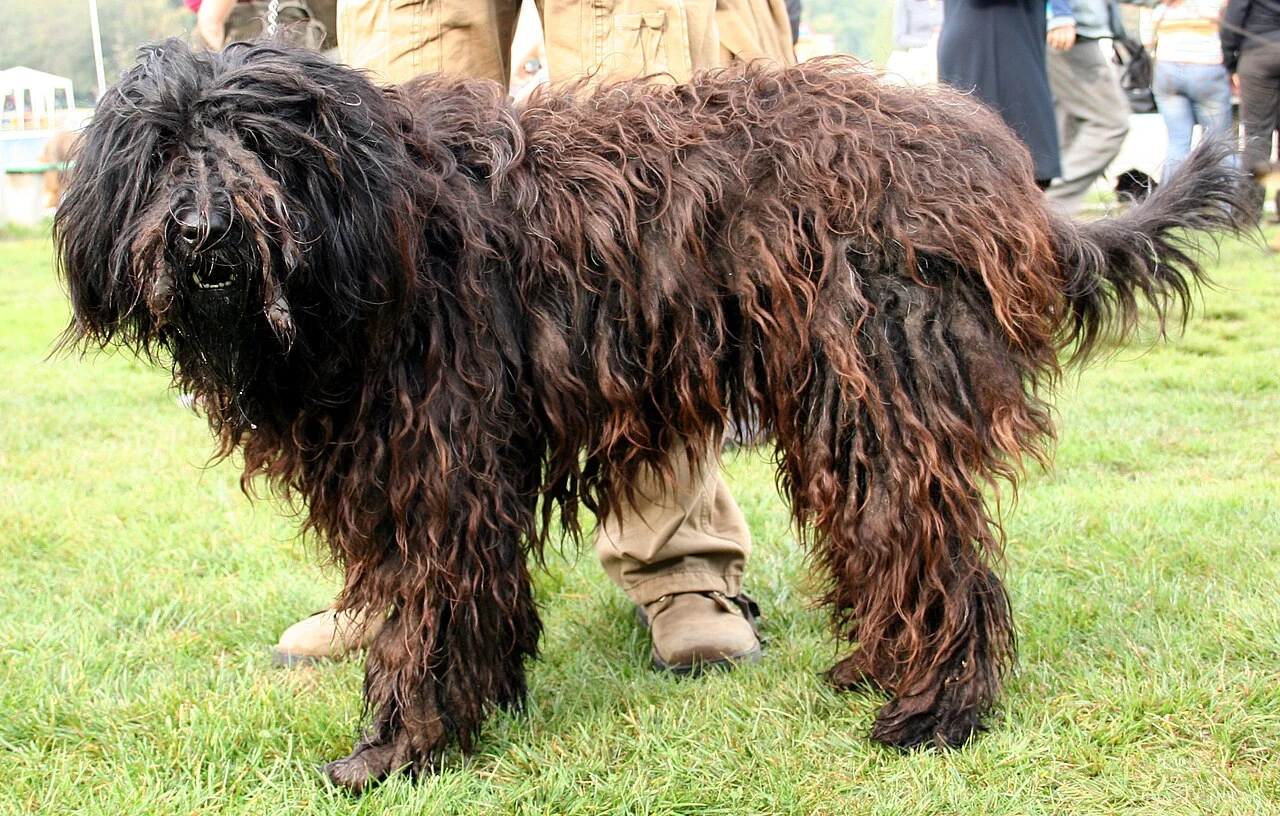
Bergamasco flocks are broad, flat strands made from interwoven hairs. They form as different hair types combine in the developing adult coat. This is a characteristic coat structure. It is not equivalent to a hard, neglected mat that pulls on the skin or holds dirt. Puppies initially have a softer coat, and the change to adult hair needs careful attention.
The National Bergamasco Sheepdog Alliance, an American breed club, advises appropriately separating developing flocks while continuing to brush the head and neck. An experienced breeder or groomer familiar with the breed should demonstrate how this is done on your own dog. The skin must remain accessible so that dampness, rubbing or inflammation can be noticed. You should not forcibly pull painful tangles apart.
After washing, flocks need to dry thoroughly inside as well as outside. Hair that feels dry on the surface may still be damp underneath. The coat’s length and weight should not restrict movement. When there is severe matting or a skin problem, necessary professional care should take priority over preserving a particular coat shape. A shorter maintenance trim may then need regular ongoing care. Clean hair around the mouth and rear, nail checks, toothbrushing and checking the ears are also part of looking after the dog.
Size and build
The FCI, the international organisation that publishes breed standards, gives an ideal height of 60 cm for males and 56 cm for females, with a tolerance of 2 cm in either direction. Its weight ranges are 32 to 38 kg for males and 26 to 32 kg for females. Height is measured at the withers, the highest point of the back just behind the neck. Gentle checks by hand and weight records help you monitor development beneath the dense coat.
For a young dog, introducing grooming patiently is worthwhile. You might reward having a paw touched or a small section of hair lifted before expecting a longer examination. This helps the dog learn what a coat check involves. If it becomes uncomfortable, the task should be made easier. Pulling the coat or restraining a dog through vigorous resistance usually makes the next session harder.
Exercise and learning should match the stage of development. A demanding long hike is very different from a short exploratory outing with breaks. An older Bergamasco may benefit from nonslip routes and resting places that are easier to reach. Reluctance to get up or suddenly avoiding familiar paths should prompt a veterinary assessment.
From puppy to senior: caring for your dog through every life stage ↗
Health
The American breed club recommends asking about hip screening, a recent examination by a veterinary eye specialist and a heart check for murmurs before buying a puppy. Records should identify the individual dog and the examination date. Health information about close relatives may also help when considering a breeding line. Normal results cannot guarantee lifelong health.
Hip dysplasia means that a hip joint develops abnormally. It can cause pain and contribute to later joint wear. Limping, shorter steps or difficulty getting up should be investigated by a vet. The amount of coat is not a dependable way to judge whether a dog has gained or lost weight. Regular weighing and assessing body condition help you keep track.
The skin and coat also need attention. Damp areas, an unpleasant smell, redness or frequent nibbling should not remain hidden beneath the flocks. In Fellfolio, you can record weight trends, veterinary findings and observations. For a skin appointment, it can be helpful to note where your dog has been licking, when it started and whether it followed a bath or wet outing.
Could this breed fit your life?
Could work well if …
- You would enjoy sharing outings with a strong dog and have time to teach it everyday skills clearly.
- You want to learn the coat care in practice and can get knowledgeable help as the adult coat develops.
- Wet walks, drying and grooming can be managed at home and by anyone who looks after your dog.
What to consider
- The striking flocked coat should never become a reason to put off skin checks or necessary care.
- Watchfulness at the front door may call for a calm greeting routine and space from visitors.
- Size, strength and coat volume need practical thought when arranging transport, grooming and temporary care.
Similar needs, different dogs.
Selected by shared size, activity, grooming and training characteristics.
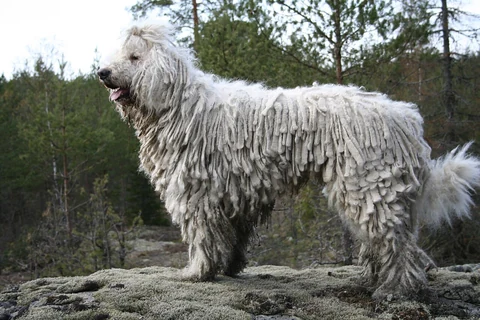
Hungarian livestock guardian with a distinctive corded coat and independent watchfulness
Komondor
Beneath the long white cords is a large, powerful dog developed to protect livestock. The Komondor watches its surroundings closely and may decide independently that something needs guarding. Owning one requires more than space and enthusiasm for an unusual coat.
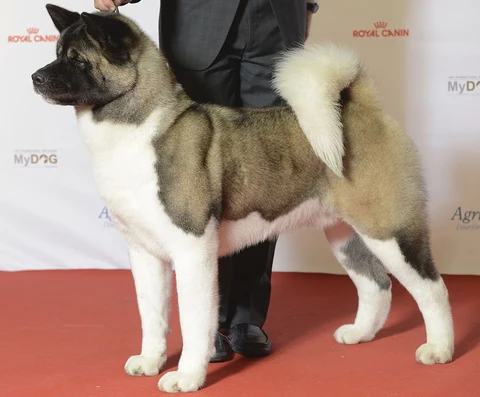
Large companion with Japanese roots
American Akita
The American Akita is a large, powerful dog with a broad head, upright ears and a dense coat. It can be deeply attached to its family while being less comfortable around unfamiliar dogs. Experienced handling and thoughtful arrangements for walks, visitors and temporary care are important.
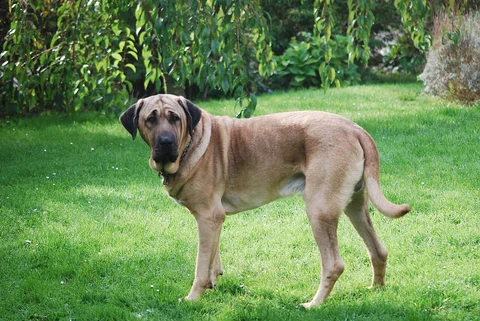
Companion and watchdog
Broholmer
A Broholmer makes an impression through sheer size. This Danish companion and watchdog often enjoys being involved in family life and needs people who can handle its strength safely. Shared walks, calm introductions to visitors and an easily accessible resting place help shape everyday life with this large dog.
Sources and photograph credit
- Teaching your dog to be left alone
Used in this profile for: Staying home alone
- Canine Hip Dysplasia
Used in this profile for: Health
- Position Statements and Humane Dog Training
Used in this profile for: Size and build
- Bergamasco Sheepdog Characteristics
Used in this profile for: Temperament, Everyday life, Could this breed fit your life?
- Bergamasco Sheepdog Grooming
Used in this profile for: Day-to-day care, Health, Could this breed fit your life?
- Bergamasco Sheepdog Health
Used in this profile for: Health
- Bergamasco: Breed Information
Used in this profile for: Lifespan
- FCI Standard 194: Bergamasco Shepherd Dog
Used in this profile for: Size / Weight, Temperament, Day-to-day care, Size and build
- Heatstroke in Dogs
Used in this profile for: Everyday life
- Exercising Your Puppy
Used in this profile for: Size and build
- Training Your Dog to Be Left Alone
Used in this profile for: Everyday life
- Understanding Your Dog’s Behaviour
Used in this profile for: Everyday life
- Children and Dogs
Used in this profile for: Temperament, Could this breed fit your life?
- Caring for Your Dog’s Teeth
Used in this profile for: Day-to-day care
Photo credits
Portrait · Bergamascomusta2.jpg · Canarian · CC BY 4.0 · Edited

Side view · Bergamasco l573.jpg · Pleple2000 · CC BY-SA 3.0 · Edited

Coat and features · Bergamascomerle.jpg · Canarian · CC BY 4.0 · Edited

Young dog · Bergamasco-sheepdog-merle-Paola-full.jpg · Towncommon · CC BY-SA 4.0 · Edited
