 fellfolio
Scent hounds
Bavarian Mountain Scent Hound
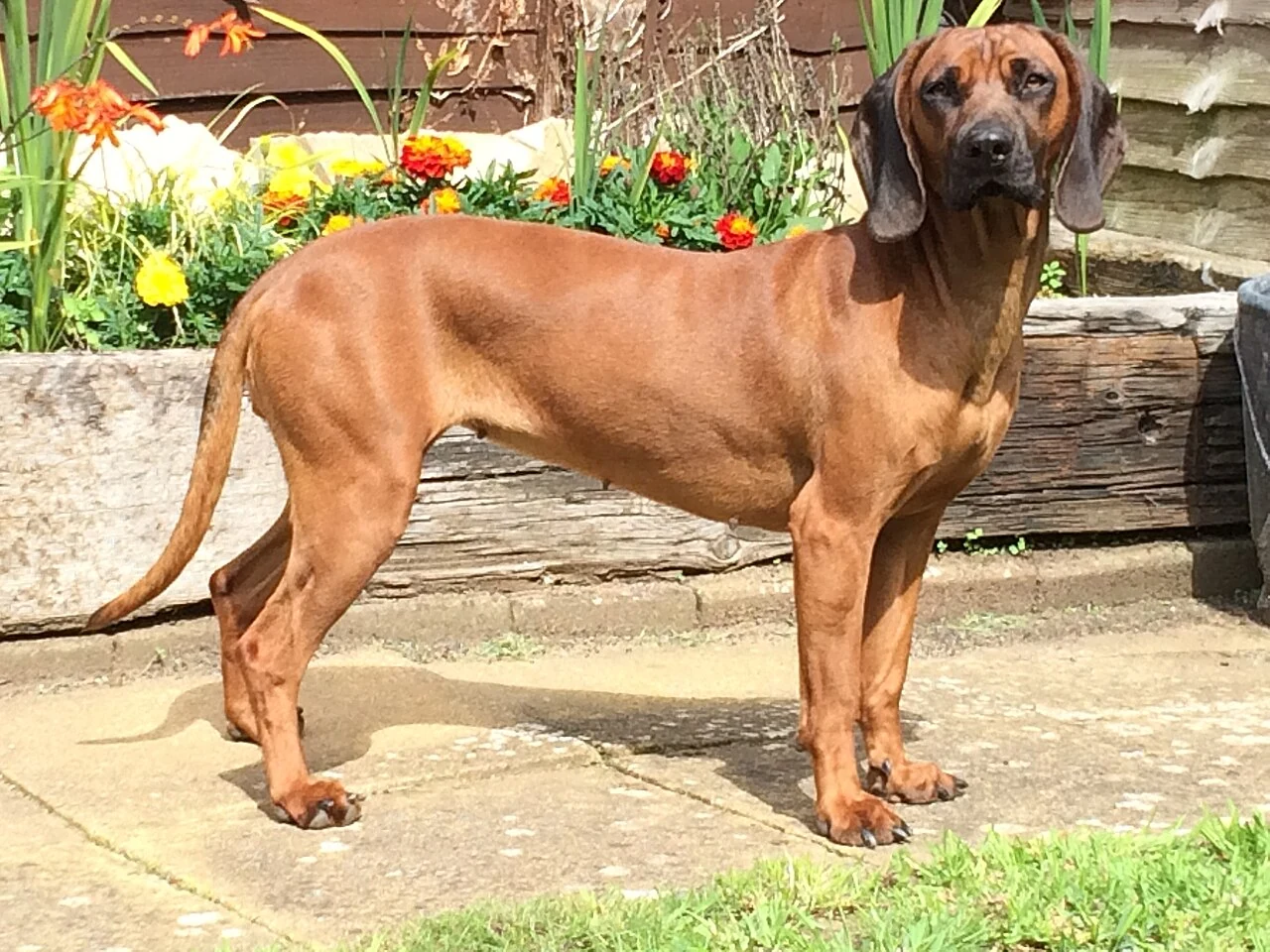
The Bavarian Mountain Scent Hound is a specialist hunting dog with a short, dense coat and dark ears. Its principal work is locating wounded game. It works with concentration and forms a close bond with its person. Prospective owners should discuss training and future work with experienced handlers or the breed club early on.
At a glance
- Size
- Medium
- Height at shoulder
- 44 to 52 cm
- Weight
- 17 to 30 kg
- Lifespan
- over 10 years
- Activity
- High
- Grooming
- Weekly
- Training
- Patience & clear guidance
- Owner experience
- Experience recommended
Focused scent work and a close working partnership
The German word Schweiß has a particular hunting meaning: the blood of game. A Schweißhund follows the scent and trail of a wounded animal. Nachsuche is the search for game that has not immediately been located after an injury or accident. The dog works alongside its handler and needs the persistence to follow difficult trails.
The international standard describes a calm, balanced dog with a close attachment to its person. It may be reserved with unfamiliar people, so introductions should allow it time to approach willingly. Its concentration at work also means that an interesting scent outdoors can hold its attention for a long time. Training should make use of those abilities while showing clearly what is being asked of it.
Everyday life
Care should start with the breed’s role as a specialist for finding wounded game. Long walks are part of daily life, while knowledgeable training and regular suitable work have a particular importance. The German breed club structures puppy placement around that future role, supporting new members with education and an experienced mentor.
A working dog should also be able to settle comfortably. An undisturbed sleeping area and gently introduced handling routines are useful parts of that balance. Short lessons in lead walking and coming back when called can begin in quiet surroundings. When a wildlife trail becomes absorbing, a lead should prevent the dog from setting off independently. A suitable, securely fenced area can provide space for free movement.
For an adult rescue dog, the plan should reflect its actual history. Ask whether it has worked as a hunting dog, why it was rehomed and which activities it has known. You should also discuss how it copes with longer quiet periods with the rehoming organisation and someone experienced in the breed. They help you assess the care and activities that this particular dog will need.
Staying home alone
Dogs learn to stay home alone in small steps. The RSPCA advises no more than four hours at a time. Puppies and dogs that become unsettled when left alone need shorter absences and gradual practice. Arrange someone to care for your dog when you will be away longer.
Everyday dog training: recall, a loose lead and clear communication ↗
Day-to-day care
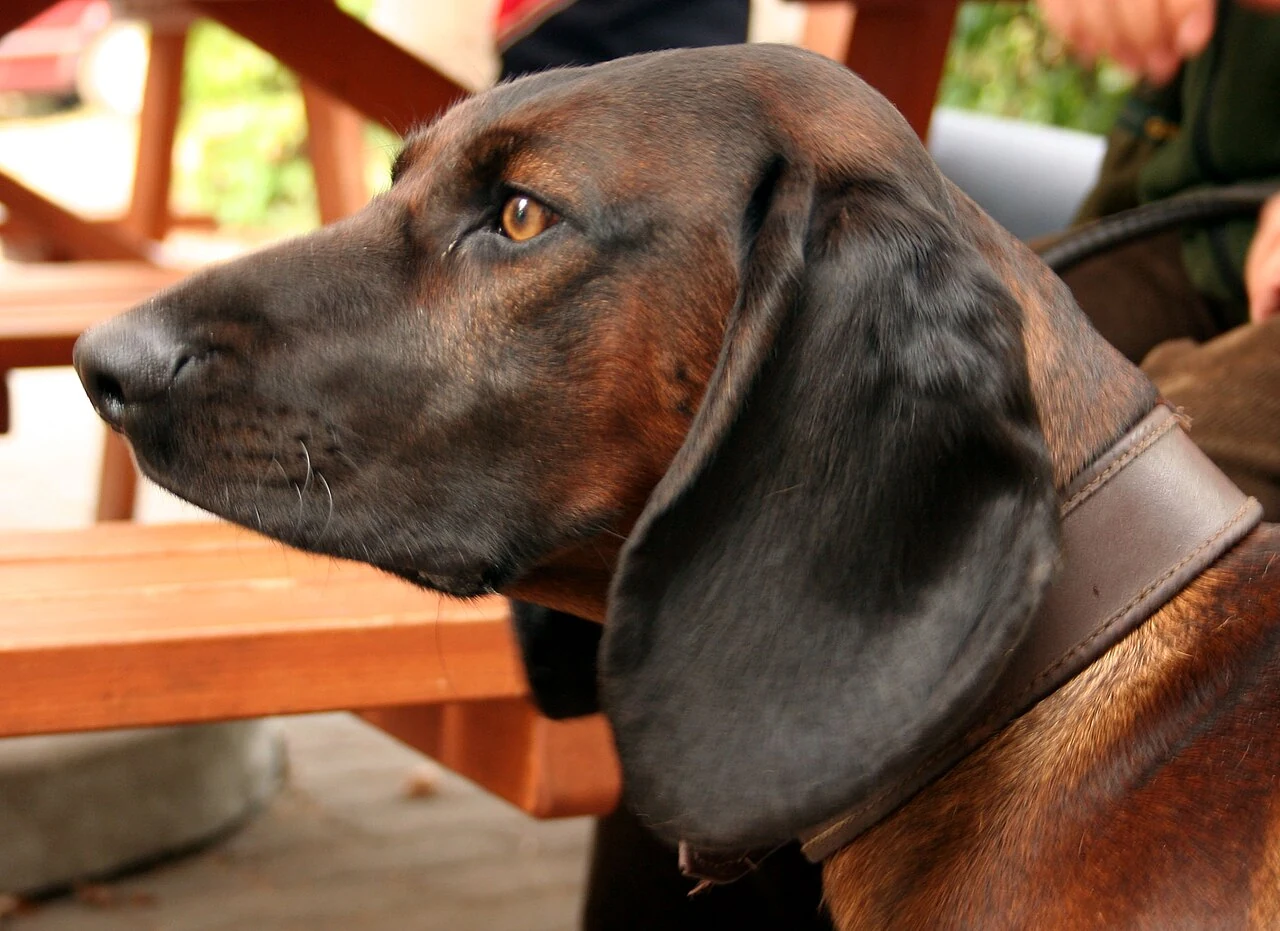
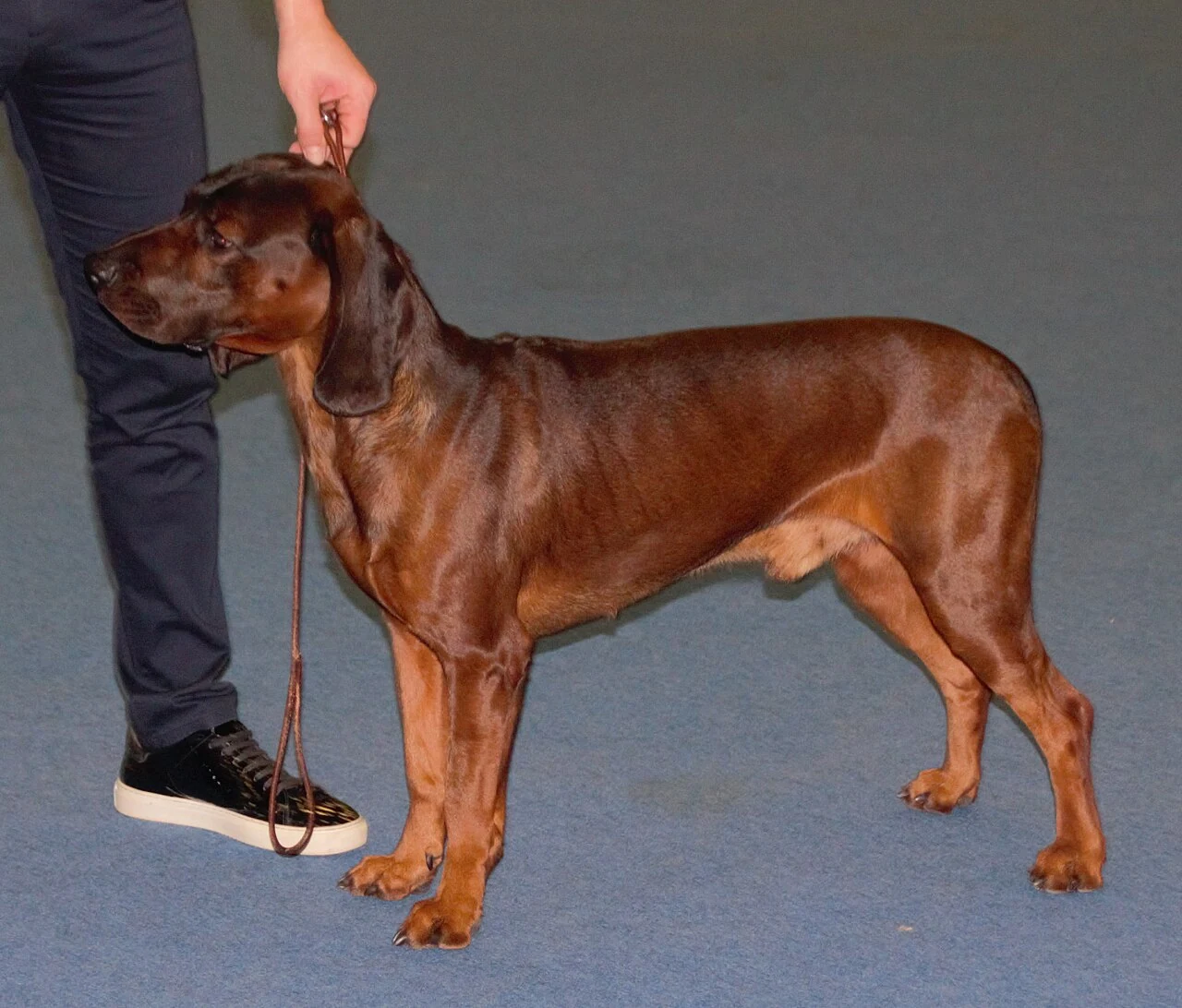
The short, dense coat should be brushed regularly, removing loose hair and allowing a check of skin and feet. After exercise over rough ground, you should look between the toes for small objects and inspect the legs for injuries. A coat that is easy to groom still needs that attention.
The hanging ears should be checked for odour, discharge and visible irritation. Repeated scratching or head shaking should be assessed by a vet. A dog toothbrush and dog toothpaste are suitable for dental care. Introducing touch around the feet, ears and mouth through brief rewarded sessions can make both grooming and examinations easier.
Size and build
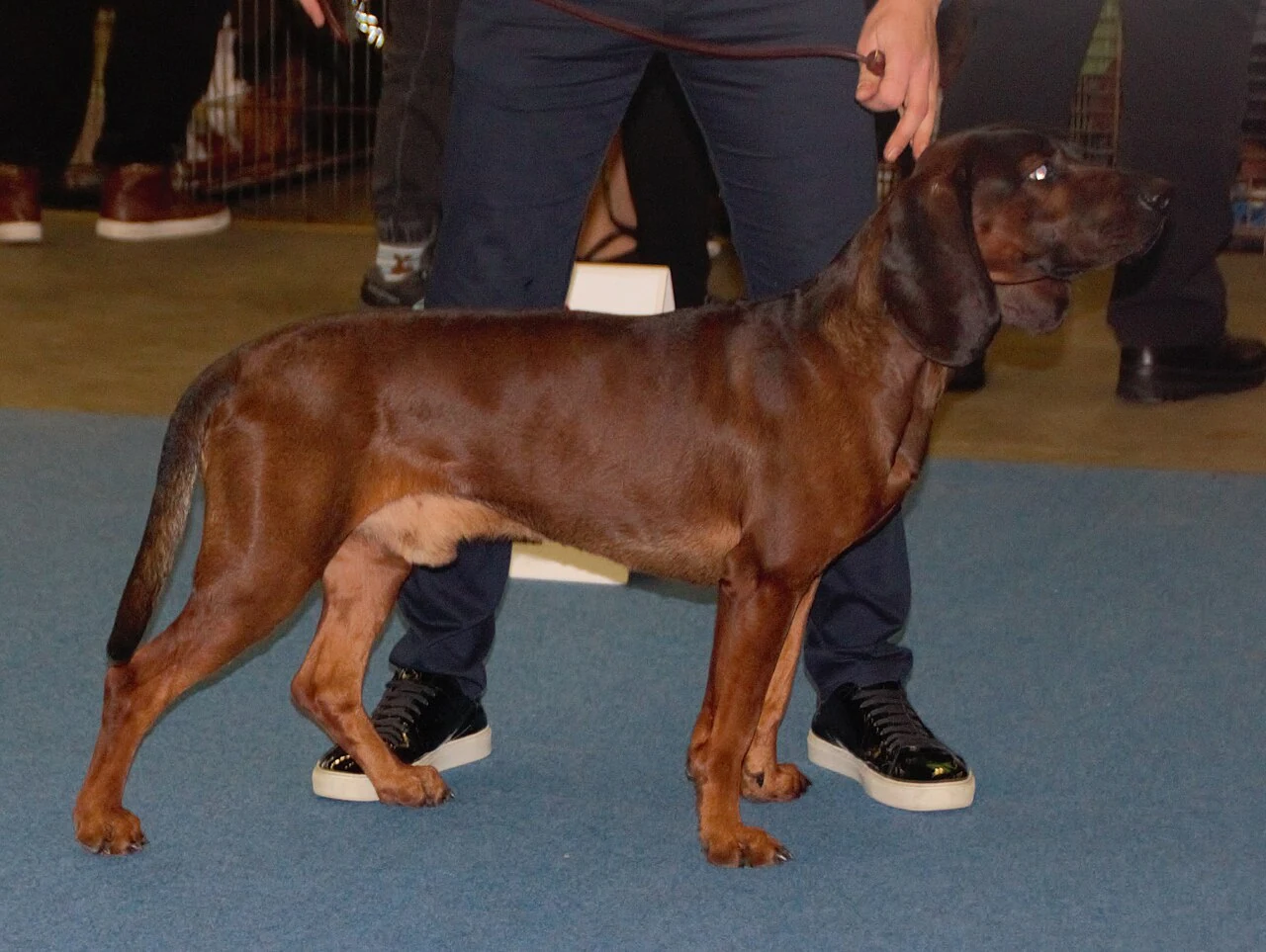
The breed developed in the late nineteenth century by combining Hanoverian Scent Hounds with lighter mountain hunting dogs. The aim was an agile dog for difficult terrain. The German breed club was founded in 1912. The international standard lists males at 47 to 52 centimetres and females at 44 to 48 centimetres.
The club places puppies with its members and offers education and mentoring to people training their first dog of this kind. Anyone interested should therefore discuss the expected preparation, training and future work with the club early. A puppy should also become familiar with ordinary life, including calm human contact, suitable encounters with dogs, car travel, gentle handling and sufficient rest.
From puppy to senior: caring for your dog through every life stage ↗
Health
When choosing a puppy, you should ask for both parents’ health findings. The Royal Kennel Club lists hip screening for this breed. This concerns hip dysplasia, a condition in which the hip joint develops incorrectly. Over time it can cause pain, stiffness and difficulty moving. The examination results should be shown and explained to you.
For ongoing care, the vet should know the dog’s activity level and previous findings. Vaccinations, parasite protection, teeth and weight can then be considered together. Limping, difficulty getting up or unusual exhaustion should be examined. A brief note about when a change began and which activity preceded it helps you describe the problem. Earlier veterinary findings should remain available alongside those observations.
Could this breed fit your life?
Could work well if …
- The Bavarian Mountain Scent Hound chiefly suits people who can commit to its specialist role, knowledgeable training and regular appropriate work.
- The breed club supports training through education and experienced mentors. Before buying a puppy, you should clarify the preparation and future work it expects for its dogs.
- Life with other pets should be planned around the dog’s previous experience. Small pets should be protected through reliable physical separation.
What to consider
- A calm manner should not lead you to underestimate the breed’s training and working requirements.
- For an adult adopted from a hunting home, health, history and suitable future activities deserve particularly careful discussion.
Similar needs, different dogs.
Selected by shared size, activity, grooming and training characteristics.
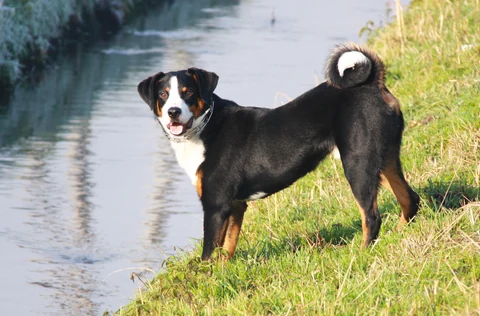
Swiss cattle and watchdog
Appenzeller Mountain Dog
The Appenzeller Mountain Dog is easy to recognise by its tricolour coat and tightly curled tail. Behind that cheerful appearance is an attentive Swiss working dog. It enjoys activity, learns quickly and notices changes around it. This breed suits people who want to spend time outdoors with their dog every day and can help it cope calmly with visitors and events at home.
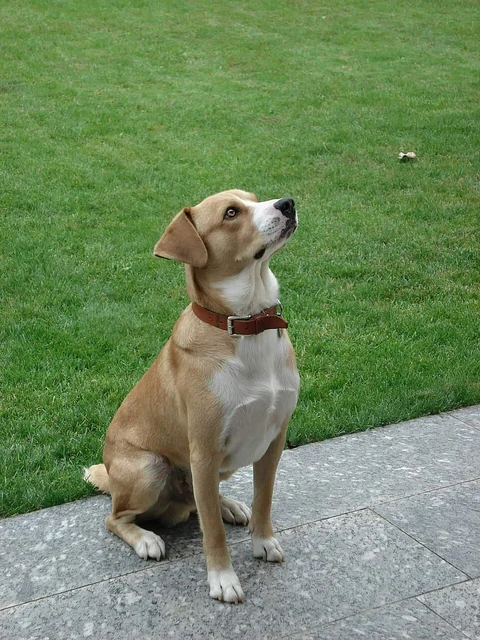
Austrian farm and companion dog
Austrian Pinscher
The Austrian Pinscher is a lively farm dog that enjoys accompanying familiar people and notices visitors attentively. Its short to medium-length coat is relatively straightforward to maintain. Exercise, shared activities and calm guidance of its guarding behaviour require more time. Meeting adult dogs helps show whether its watchfulness and temperament could suit your daily life.
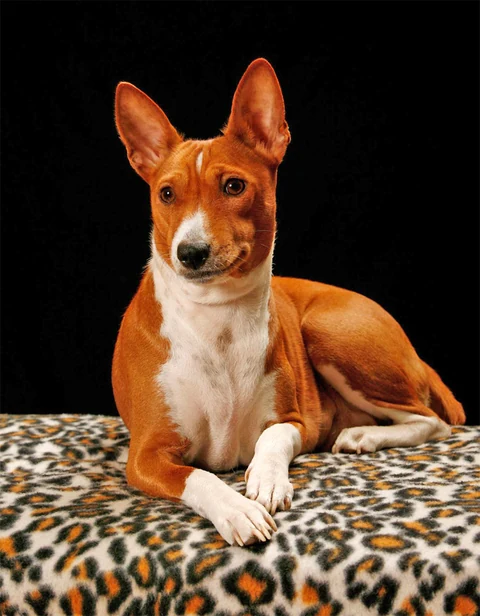
Hound
Basenji
The Basenji rarely barks but can make yodelling sounds. Outside, it may follow a scent or moving animal at speed, so off-lead running calls for secure fencing.
Sources and photograph credit
- Teaching your dog to be left alone
Used in this profile for: Staying home alone
- Welpen
Used in this profile for: Temperament, Everyday life, Size and build, Could this breed fit your life?
- Bayerischer Gebirgsschweißhund
Used in this profile for: Temperament, Everyday life, Size and build, Could this breed fit your life?
- Bayerischer Gebirgsschweißhund breed standard
Used in this profile for: Size / Weight, Temperament, Everyday life, Day-to-day care, Size and build, Could this breed fit your life?
- Bayerischer Gebirgsschweißhund
Used in this profile for: Temperament, Everyday life, Day-to-day care, Size and build, Health, Lifespan, Could this breed fit your life?
- Healthcare for your dog
Used in this profile for: Day-to-day care, Health
- Dental disease in dogs
Used in this profile for: Day-to-day care
- How to give your pet a health check at home
Used in this profile for: Day-to-day care, Health
- Hip dysplasia screening scheme
Used in this profile for: Health
- Caring for your puppy
Used in this profile for: Size and build
- Train your dog to come when called
Used in this profile for: Everyday life, Size and build, Could this breed fit your life?
Photo credits
Side view · Deer Red Bavarian Mountain Hound.jpg · Antham1616 · CC BY-SA 4.0 · Edited

Coat and features · Posokowiec bawarski głowa profil 09u.jpg · Pleple2000 · CC BY-SA 3.0 · Edited

Coat and features · Baijerinvvk1.jpg · Canarian · CC BY-SA 4.0 · Edited

Side view · Baijerinvvk3.jpg · Canarian · CC BY-SA 4.0 · Edited
