fellfolio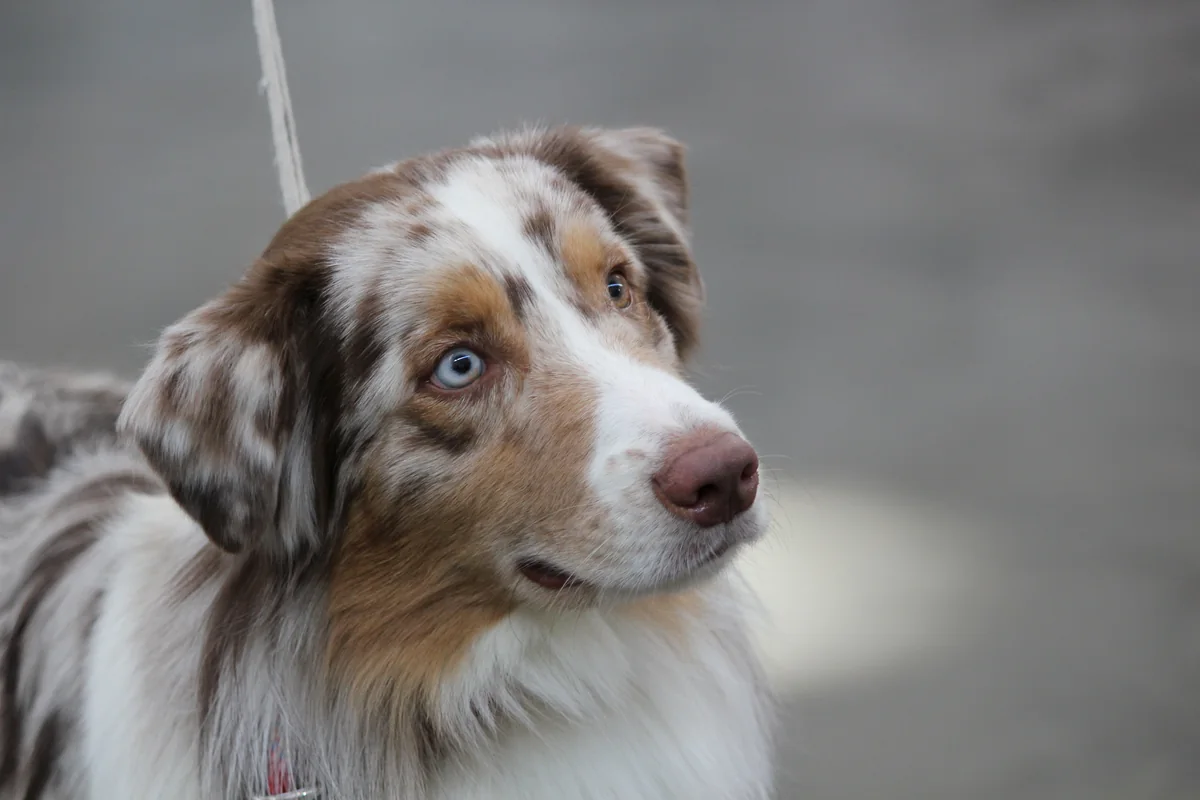
Herding dog
Border Collie
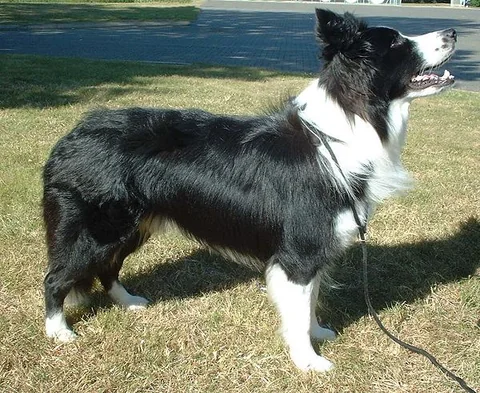
A specialised herding dog with quick responses and a strong working background. An active lifestyle alone does not necessarily provide the right home.
Herding dog
An alert herding dog that needs exercise and mental work. The name is misleading: the breed was developed in the United States.
Australian Shepherds often enjoy working with their person. Alertness and herding behaviour can be directed at bikes, running children or other animals. Settling deserves as much practice as activity.
PDSA places daily exercise needs high and describes the breed as suited to active, experienced homes. Combine walks with tasks, planned breaks and a safe retreat.
Being alone needs gradual practice. The RSPCA advises no more than four hours at a time; puppies and some adults need much shorter intervals. Arrange company during longer absences.
Brush the medium coat several times a week, especially the feathering. Expect more loose undercoat during seasonal shedding.
These figures describe adults. Coat pattern and eye colour do not predict health or suitability. Ask about the line and genetic screening.
PDSA lists hip and elbow dysplasia, eye conditions, vitamin B12 malabsorption and multi-drug sensitivity. Responsible genetic decisions matter in merle lines.
Breed traits describe tendencies. Breeding line, socialisation, care and experience shape the individual. Children and animals always need responsible supervision.
Selected by shared size, activity, grooming and training characteristics.
Herding dog
A specialised herding dog with quick responses and a strong working background. An active lifestyle alone does not necessarily provide the right home.
Herding dog
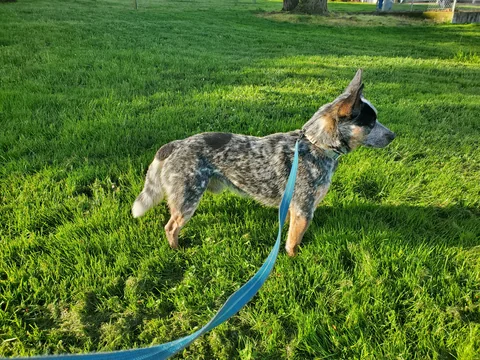
An enduring cattle dog that needs activity, clear tasks and experienced handling.
Flushing and retrieving dog
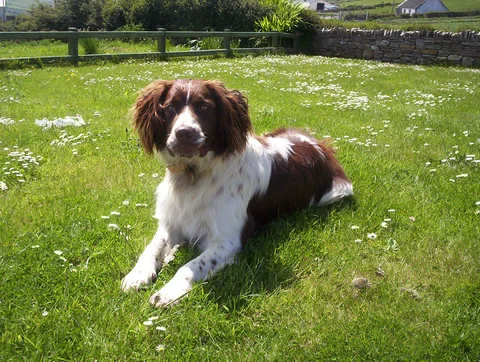
A cheerful flushing spaniel with plenty of energy and an interest in working alongside you.
Portrait · daveynin · CC BY 2.0 · Image cropped