 fellfolio
Shorthair cats
Havana Brown
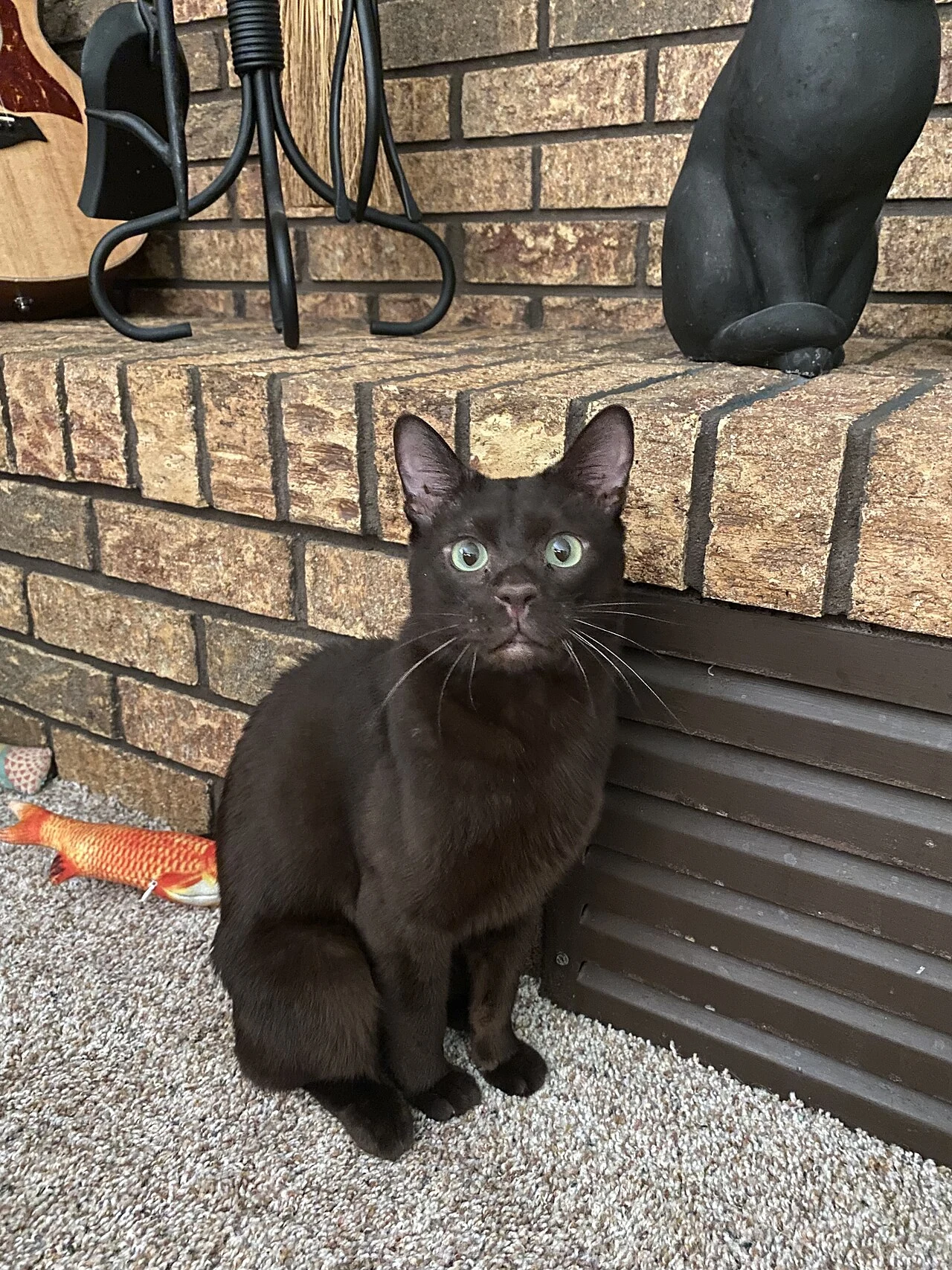
Chocolate-brown fur, green eyes and a distinctive muzzle mark out the Havana Brown. Many of these curious cats enjoy close contact with people. Shared games, small learning activities and a familiar resting place near you deserve a place in the plans for her home.
At a glance
- Size
- Medium
- Weight
- 2.7 to 4.5 kg
- Activity
- Moderate
- Care needs
- Low
- Owner experience
- First cat with preparation
A brown-coated cat interested in your daily life
A Havana Brown may reach a paw towards an interesting bag or wait beside you while you open a cupboard. Her curiosity often appears in these small everyday encounters. The Cat Fanciers’ Association, or CFA, describes the breed as intelligent, people-oriented and moderately active. Individuals vary: some are reserved and form a close attachment to one person, while others readily come to meet visitors.
The modern breed developed from British breeding work in the 1950s. Siamese and black domestic shorthairs were among the cats used to produce a solid brown coat. Some of these cats were taken to the United States. There, breeders retained a distinct type with a moderately long, muscular body and an unusual muzzle. The CFA began registering the breed in 1959 and accepted it for championship competition in 1964.
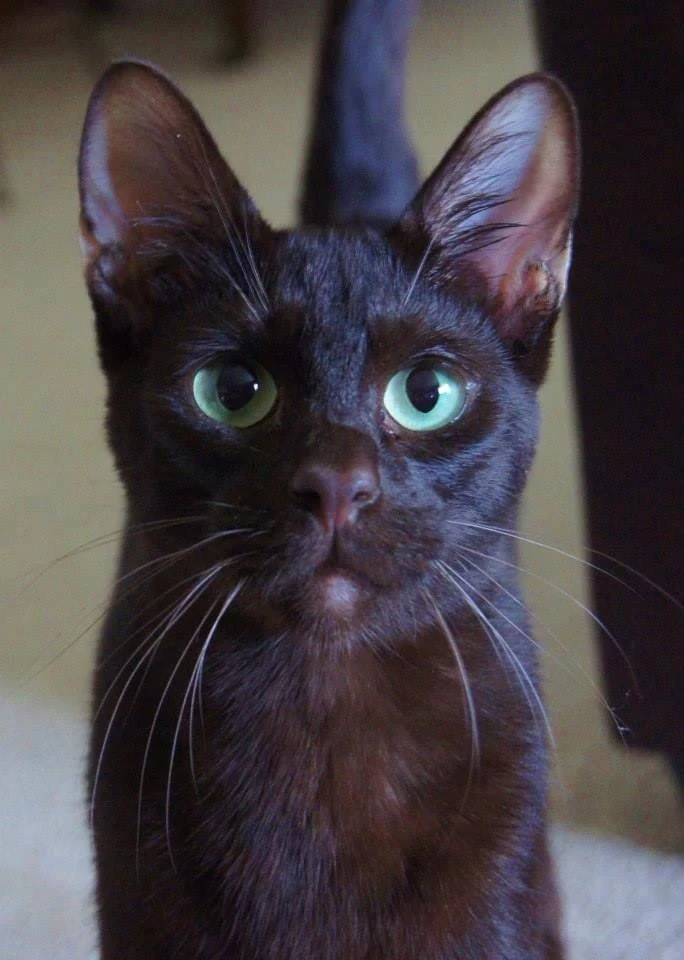
The name needs a little care. In Britain, “Havana” can refer to a brown Oriental Shorthair. This profile covers the separate Havana Brown of North American type. The CFA standard specifies a brown coat. The International Cat Association, known as TICA, calls the breed Havana and also accepts lilac, a pale pinkish grey. Green eyes and clearly defined whisker pads give the face its characteristic appearance.
Giving curiosity something to do
A cat that seeks human company needs time with you as part of everyday life. If your Havana repeatedly comes to your desk, a comfortable nearby resting place may help her settle while you work. Shared games should still have their own place in the day. Another cat cannot take over all human companionship, and a suitable feline partner depends on both animals and careful introductions.
Curious Havanas may enjoy small tasks they can work out for themselves. A simple food puzzle should be easy to access at first. A few pieces of the cat’s usual dry food, placed in plain sight, are enough to begin. You should only make the task a little harder once she understands it. The food should come from her normal daily allowance, so the activity does not quietly add a succession of extra snacks.
Short learning games can be enjoyable too. For example, you could reward your cat when she steps onto a mat of her own accord. A small reward and a consistent word can help her understand which action you mean. The practice should be brief and enjoyable for her. For more energetic games, she needs a toy she can stalk and catch. Strings and wand toys should be put out of reach after you have finished playing together.
For practical play, food searches and quiet retreats, read Indoor Cat Enrichment: Play, Food Puzzles and Safe Retreats ↗
Gentle care for the brown coat
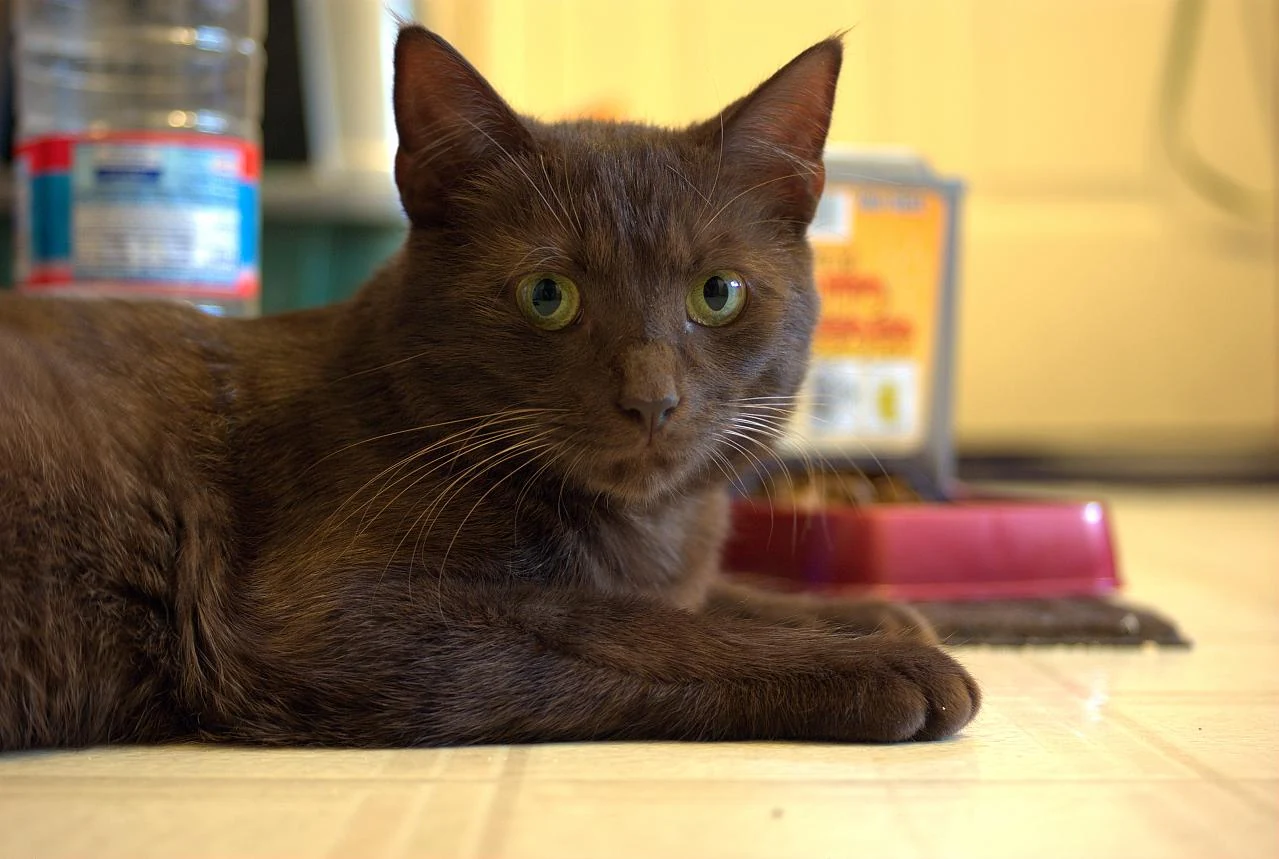
The smooth, short coat usually needs only a little help. A soft brush removes loose hair, and a short weekly session is often enough. Some Havanas enjoy it as extra attention, while others should initially have only a few gentle strokes. You should follow the cat’s response and gradually extend the sessions as she becomes comfortable with them.
Routine baths are normally unnecessary for a cat that cleans herself thoroughly. An unusually greasy patch, flakes or sudden intensive grooming should prompt a check of the cause. You should also notice the skin and whether your cat seems comfortable during grooming.
Teeth deserve attention alongside the glossy fur. Your veterinary practice can show you how to introduce dental care gradually. You should use only products intended for cats. If the gums are already painful, the cat should be examined first. A stable scratching surface helps with claw care and gives her somewhere to stretch comfortably after sleeping.
Kittens, adults and older cats
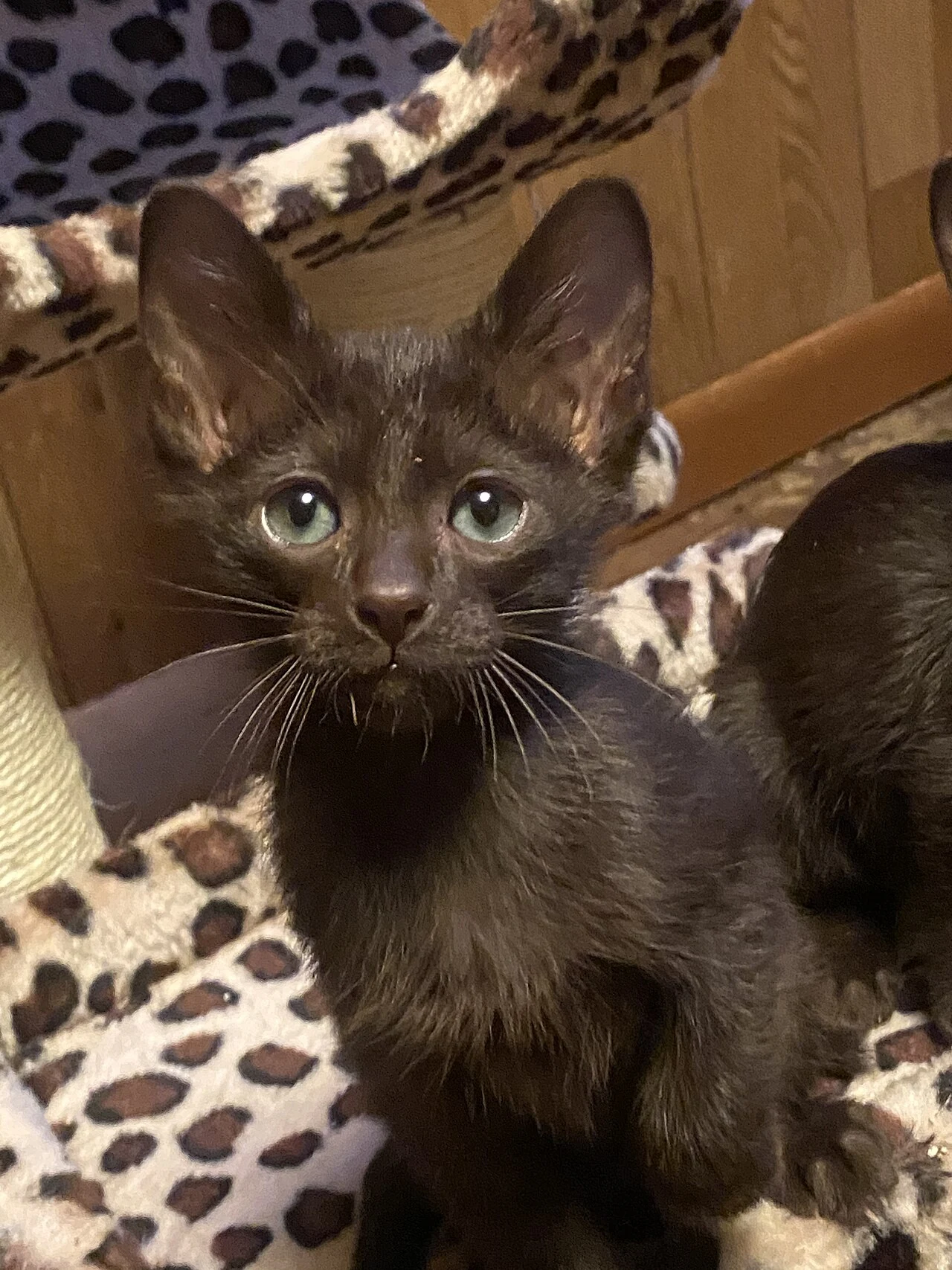
A Havana kitten should discover a new home a little at a time. A prepared room with a hiding place, litter tray, scratching surface and separate food and water stations offers a manageable start. Children should sit quietly on the floor and allow the kitten to approach them. Toys should be the play targets from the beginning, so vigorous games do not become biting at fingers as the kitten grows.
Young brown cats may still show faint stripes, often called ghost tabby markings. The breed standards allow these in young animals, and the markings can fade as the cat matures. TICA gives adult female Havanas a range of about 2.7 to 3.6 kilograms and males about 3.6 to 4.5 kilograms, converted and rounded from its figures in pounds. Your veterinary practice should assess the right weight for your own cat’s build and body condition.
Adult Havanas often remain playful. As a cat ages, you should adapt games to her mobility. A toy moved slowly along the floor can still be interesting when high jumps become uncomfortable. Easier access to a favourite resting place can help too. A cat that plays less or changes the way she eats should be examined rather than having every change attributed to age.
Health and genetic diversity
The Havana Brown is a rare breed, so maintaining genetic diversity matters in breeding. The CFA describes a controlled programme involving certain other domestic cat breeds, introduced in 2019 to widen the gene pool. This means the range of inherited characteristics present within the population. Before buying, you should ask about the parents, their ancestry and the health examinations actually carried out. The breeder should be able to explain which results are relevant to the line and why those checks were chosen.
Regular examinations and attention to changes are useful in your own cat’s daily care. Dental disease can remain unnoticed for a long time. If she drops food, turns her head to one side while chewing, drools or develops persistent bad breath, you should arrange an examination. A cat that continues eating can still have a painful mouth.
Vaccinations and parasite prevention should be planned with the veterinary practice to suit her circumstances. Appropriate food portions and opportunities to move matter for indoor cats too. Fellfolio lets you collect weight records, observations and examination reports in the pet profile. That makes it easier to follow changes over time and describe what you have noticed at the next appointment.
Is a Havana Brown right for you?
Could work well if …
- You would enjoy a curious cat that often seeks your company and shared activities.
- You like short learning games and can provide an interesting indoor environment.
- You can take time to assess the care and health records behind a rare breed.
Before you bring one home
- When a cat is offered under the name Havana, you should clarify which breed and registry are meant.
- Long periods alone should be addressed with a suitable care plan.
- Other animals should be introduced gradually, with separate feeding places, litter trays and resting areas.
Meet other cat breeds.
Selected by size, activity, care and play needs.
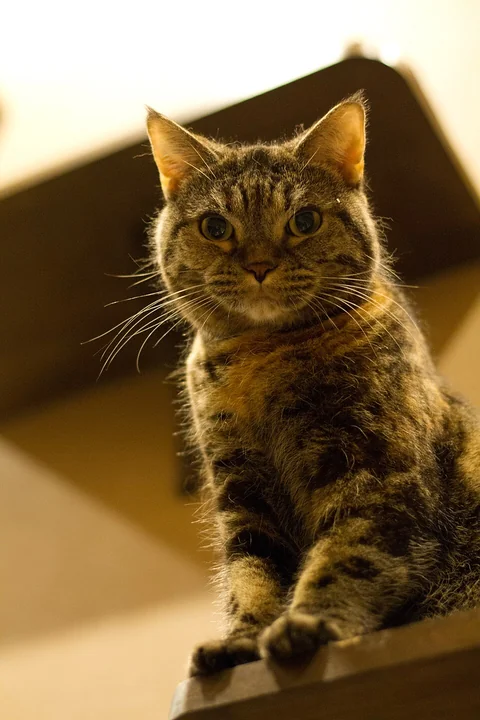
Shorthair cat · United States
American Shorthair
Sturdy, even-tempered and playful, the American Shorthair enjoys shared games while keeping a measure of independence.
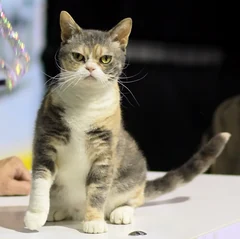
Wiry coated cat · United States
American Wirehair
The American Wirehair is a muscular cat with an unusually springy coat. Individual hairs are crimped, bent or hooked at the tips. The breed developed in the United States and is closely related to the American Shorthair. Many enjoy watching family life and can also become enthusiastic partners in a game.
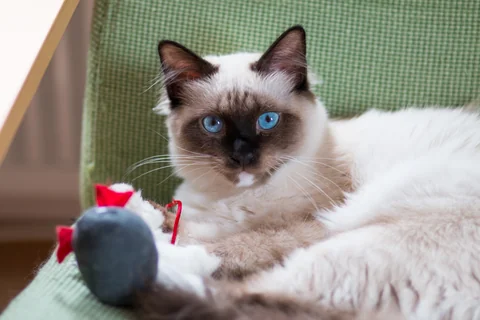
Semi-longhair · France
Birman
The Birman combines blue eyes, pale silky fur and white paws with a gentle, people-oriented nature. Many seek company and enjoy short play sessions.
Sources and photograph credit
- Grooming your cat
Used in this profile for: Day-to-day care
- Indoor cats
Used in this profile for: Everyday life, Health, Could this breed fit your life?
- Cats and play
Used in this profile for: Everyday life, Size and build
- Feline Dental Disease
Used in this profile for: Day-to-day care, Health
- Loving Care for Older Cats
Used in this profile for: Size and build
- Havana Brown breed profile and embedded standard
Used in this profile for: Temperament, Day-to-day care, Health, Could this breed fit your life?
- Havana Brown show standard, 2025
Used in this profile for: Temperament, Size and build
- Havana breed profile
Used in this profile for: Size / Weight, Temperament, Everyday life, Day-to-day care, Size and build, Could this breed fit your life?
- Havana breed standard, 1 May 2004
Used in this profile for: Temperament, Size and build
- Introducing your new cat to other cats in your home
Used in this profile for: Everyday life, Size and build, Could this breed fit your life?
- How to keep your cat healthy and happy
Used in this profile for: Health
Photo credits
Portrait · Havana brown Cat1.jpg · Havanabrowngirl · CC BY 4.0 · Edited

Kitten · Havana brown kitten.jpg · Havanabrowngirl · CC BY 4.0 · Edited

Everyday life · Havana Brown - c h o c o c a t.jpg · Dave Scelfo · CC BY-SA 2.0 · Edited

Coat and features · Havana Brown Cat 2.jpg · Havanabrowngirl · CC BY 4.0 · Edited
