 fellfolio
Sighthound
Whippet
A lightly built sighthound that can combine quick sprints with long rests. Prey drive still matters, even in a dog that seems relaxed at home.
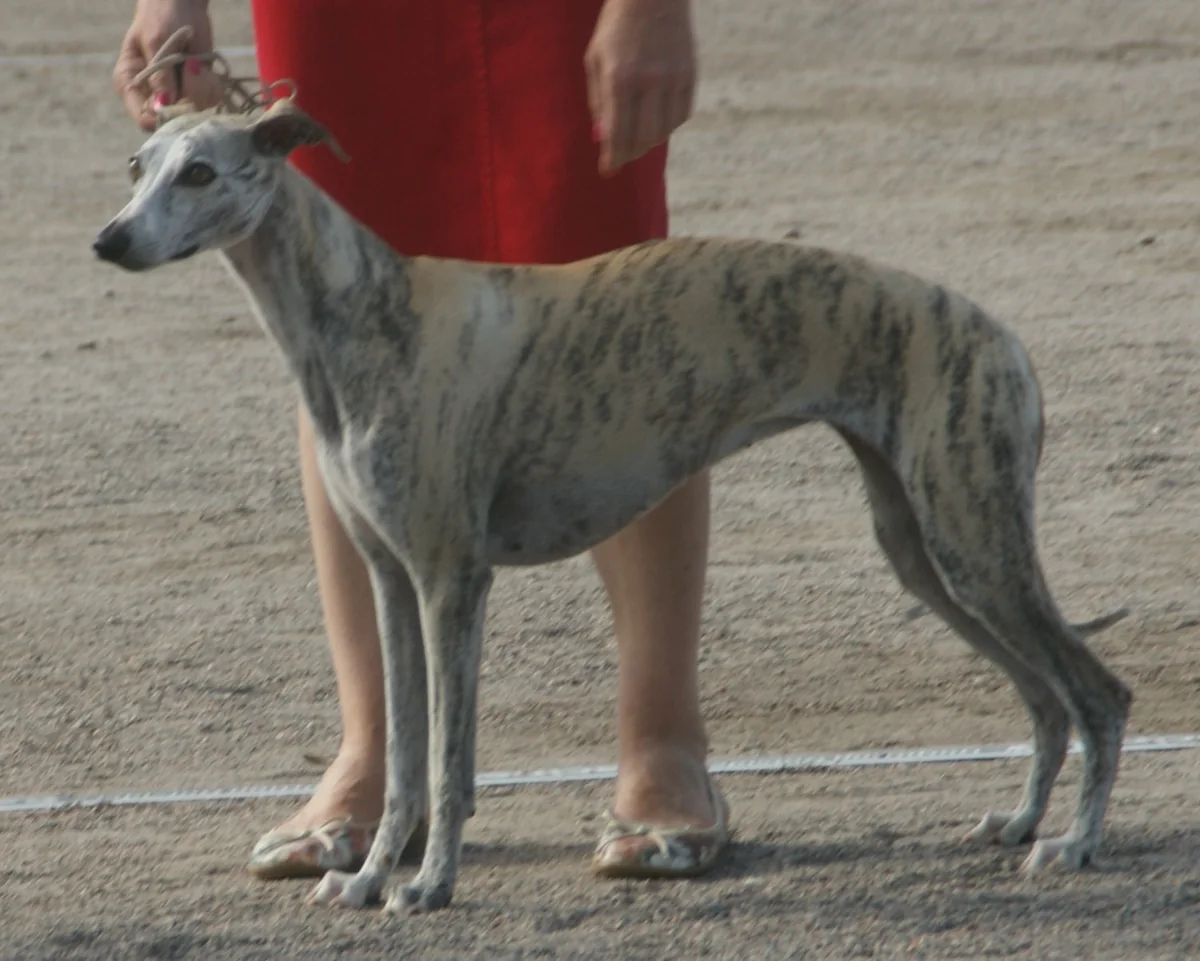
At a glance
- Size
- Medium
- Height at shoulder
- 44–51 cm
- Weight
- 11–18 kg
- Lifespan
- over 12 years
- Activity
- Moderate
- Grooming
- Low
- Training
- Patience & clear guidance
- Owner experience
- First dog with support
Quiet indoors, quick outdoors
Many Whippets seek human company and a soft place to rest. Outside, sudden movement can trigger pursuit. That matters more when choosing walking routes and exercise areas than a reputation for quiet indoor behaviour. Recall takes patient practice and remains dependent on the situation.
Everyday life
Combine daily walks with running in securely enclosed areas. Check the ground and potential obstacles before letting the dog off lead. With cats, individual history matters; rabbits and other small prey animals require particular caution. Children need to let the dog sleep undisturbed and handle it gently.
When you need to go out
Being alone needs gradual practice. The RSPCA advises no more than four hours at a time; puppies and some adults need much shorter intervals. Arrange company during longer absences.
Day-to-day care
The short coat takes little brushing. Check skin and paws after fast runs instead. Provide a warm, padded resting place. A suitable coat may help in cold, wet weather. Teeth and nails need just as much attention as in long-coated dogs.
Size and build
A lean build is typical, but it is not a reason to overlook weight loss. Assess body condition in the individual. For a young sighthound, controlled exercise and safe encounters matter more than reaching top speed.
Health
PDSA reports concerns including mitral valve disease, certain eye conditions and immune-mediated problems. The skin may be injured during fast runs. These points support sensible veterinary care and safe exercise areas; they do not mean every Whippet will become ill. Have concerning changes checked by a vet.
Putting lifespan in context
A 2024 British study estimates a median of 13.4 years for this breed (95% confidence interval 13.2–13.7; 4971 dogs). The interval describes uncertainty in the estimate, not the range of individual lifespans. Region, sampling and living conditions limit generalisation.
Could this breed fit your life?
Could work well if …
- You can provide secure exercise areas and anticipate prey-driven behaviour.
- You want regular walks and a relatively quiet routine at home.
May be more difficult if …
- Small animals roam freely in your home.
- You expect reliable off-lead exercise everywhere without safeguards.
Breed traits describe tendencies. Breeding line, socialisation, care and experience shape the individual. Children and animals always need responsible supervision.
Similar needs, different dogs.
Selected by shared size, activity, grooming and training characteristics.

Scent hound
Beagle
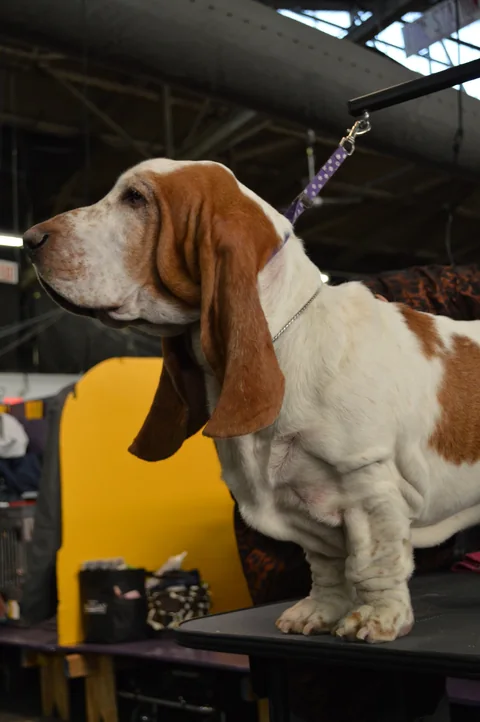
A sociable scent hound with a fine nose and plenty of stamina. Scent games, secure routes and company are everyday needs, not extras.
Companion dog
English Bulldog
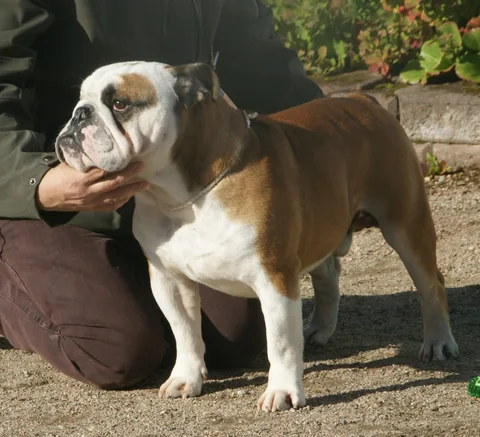
An affectionate bulldog whose health consequences from its short face need to be considered first.
Sources and photograph credit
- Teaching your dog to be left alone
- Whippet · breed profile
- Longevity of companion dog breeds: those at risk from early death
- Life expectancy by breed: study results
- Whippet · health and care
- Companion and family member
Portrait · Canarian · CC BY-SA 4.0 · Image cropped
