fellfolio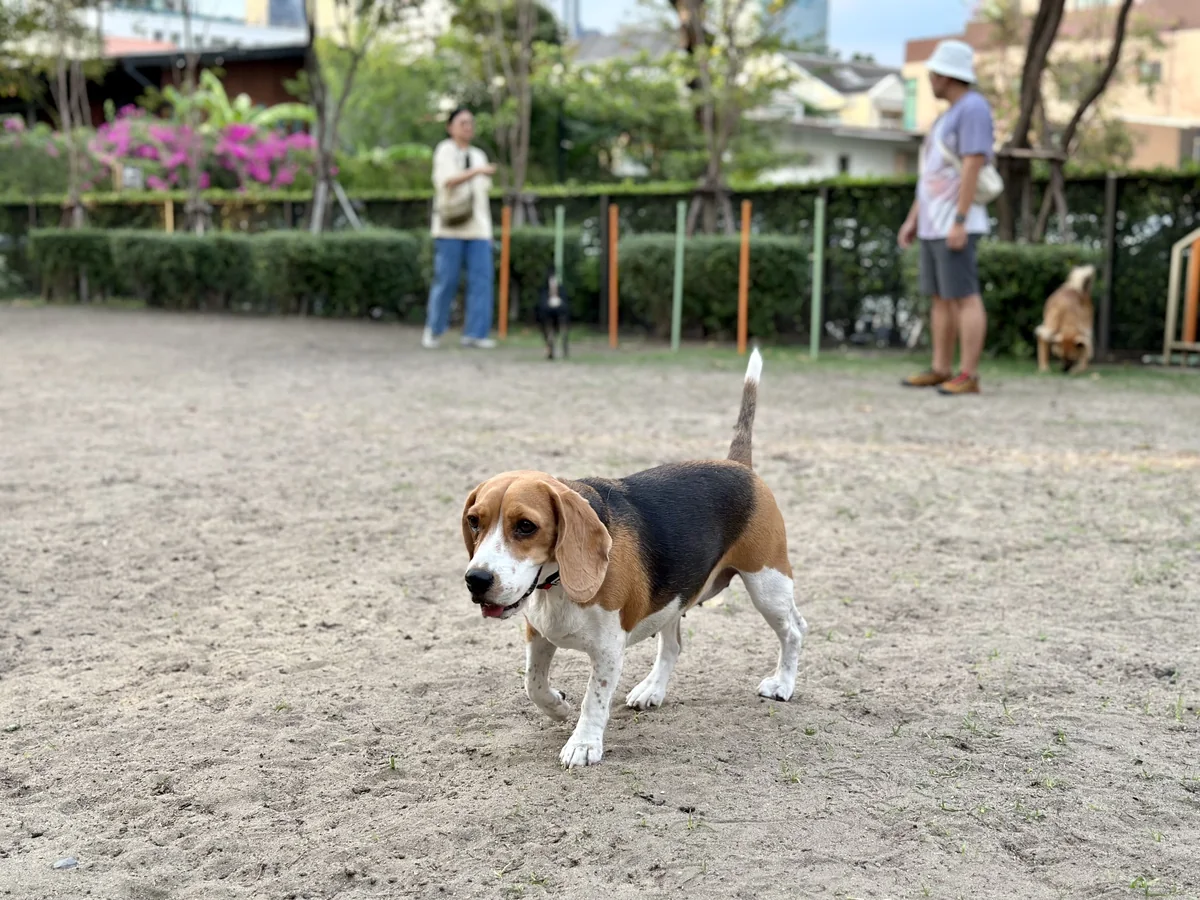
Terrier
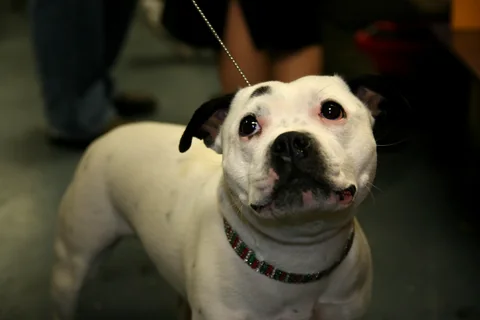
Staffordshire Bull Terrier
A compact, powerful terrier that often wants to be with people. Exuberance, chewing strength and early socialisation need room in the routine.
Scent hound
A sociable scent hound with a fine nose and plenty of stamina. Scent games, secure routes and company are everyday needs, not extras.
Beagles were bred to hunt in packs. Many enjoy company, but outdoors a scent may matter more than a recall cue.
Plan an extended, varied activity period and scent games. Use a lead or secure enclosed areas. Long periods alone can lead to distress and noise for some Beagles.
Being alone needs gradual practice. The RSPCA advises no more than four hours at a time; puppies and some adults need much shorter intervals. Arrange company during longer absences.
Brush the short coat weekly; it still sheds. Check the drop ears and make gardens and routes secure.
PDSA gives different exercise figures in its key facts and detailed breed guidance. The article recommends at least 90 minutes, so the finder uses the more cautious, higher time category.
Listed concerns include epilepsy, disc disease, eye and ear conditions and several inherited disorders. Ask about the relevant screening and family history.
Breed traits describe tendencies. Breeding line, socialisation, care and experience shape the individual. Children and animals always need responsible supervision.
Selected by shared size, activity, grooming and training characteristics.
Terrier
A compact, powerful terrier that often wants to be with people. Exuberance, chewing strength and early socialisation need room in the routine.
Sighthound
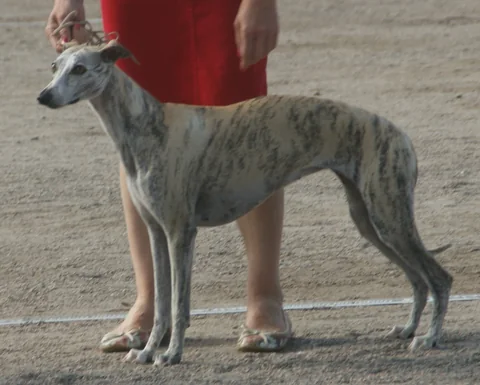
A lightly built sighthound that can combine quick sprints with long rests. Prey drive still matters, even in a dog that seems relaxed at home.
Portrait · Slyronit · CC BY-SA 4.0 · Image cropped