 fellfolio
Cattle dog
Pembroke Welsh Corgi
The Pembroke Welsh Corgi brings a cattle dog's alertness into family life. It learns quickly, enjoys being on the move and leaves plenty of hair on the sofa.
At a glance
- Size
- Medium
- Height at shoulder
- 25 to 30 cm
- Weight
- 9 to 12 kg
- Lifespan
- over 12 years
- Activity
- High
- Grooming
- Several times weekly
- Training
- Often cooperative
- Owner experience
- First dog with support
Short-legged, bred to work
Pembroke Welsh Corgis were developed to move livestock on farms. That history helps explain why many notice movement at once and enjoy working closely with their people. In a family home, a running child can be far more exciting than one sitting still. The UK veterinary charity PDSA notes that Corgis may nip at heels. Teach your dog to notice movement and then turn back to you. If play becomes too hectic or your Corgi starts following the children, call it away, reward the return and give it a quiet place to rest. Practise that response first without running children so it has a chance to work later.
Everyday life
PDSA recommends about an hour of exercise a day for adult Corgis. A good walk can include a brisk stretch, unhurried sniffing and a brief recall or search game along the way. Time in the garden alone does not offer the same variety. A Pembroke can live well in a flat if it gets enough time outdoors and learns to settle inside. Watch its weight closely. If you train with food often, count those rewards as part of the daily ration. For a dog with back trouble, discuss stairs, jumping and exercise with your vet.
Staying home alone
Dogs learn to stay home alone in small steps. The RSPCA advises no more than four hours at a time. Puppies and dogs that become unsettled when left alone need shorter absences and gradual practice. Arrange someone to care for your dog when you will be away longer.
Everyday dog training: recall, a loose lead and clear communication ↗

Day-to-day care
A dense undercoat sits beneath the straight outer hair. PDSA says brushing two or three times a week is usually enough to remove loose hair; seasonal shedding will put much more on clothes and floors. Use a brush that reaches the undercoat rather than just smoothing the surface. After walks, check the low belly and short legs for dirt or small injuries. Nails that click on a hard floor deserve a closer look. Teeth need routine care too, and frequent ear scratching or head shaking should prompt an ear check.
Size and build
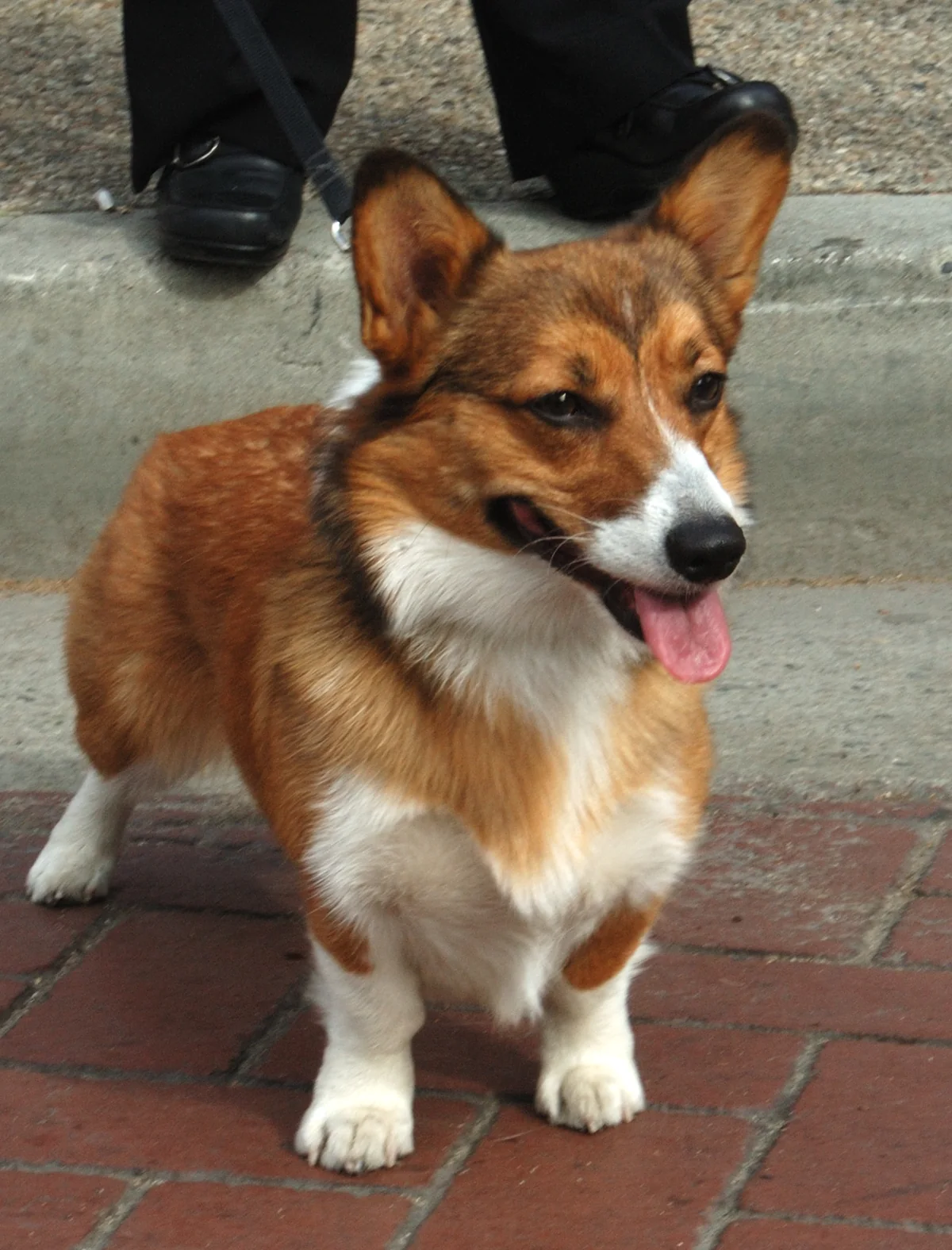
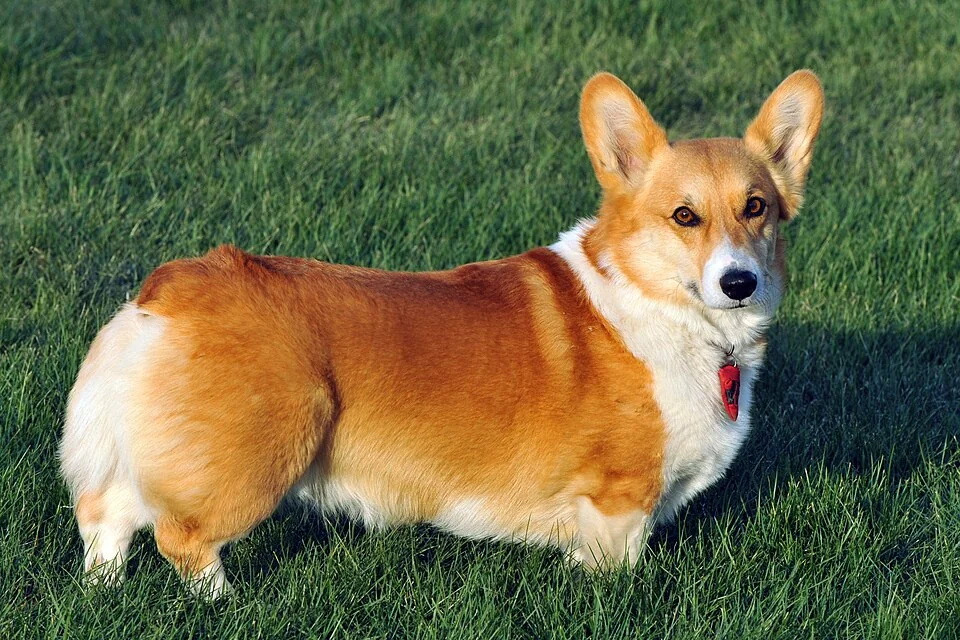
This profile covers the Pembroke, a distinct breed from the Cardigan Welsh Corgi. The standard of the international kennel federation FCI gives a height of about 25 to 30 cm. It lists 9 to 11 kg for females and 10 to 12 kg for males. Despite its low outline, the Pembroke is sturdily built, with a broad, deep chest, level back and upright ears. Its medium-length coat is straight with dense undercoat. Red, sable, fawn and black with tan markings occur, often with white on the chest or legs. The natural tail may be long; some Pembrokes are born with a short tail.
From puppy to senior: caring for your dog through every life stage ↗
Health
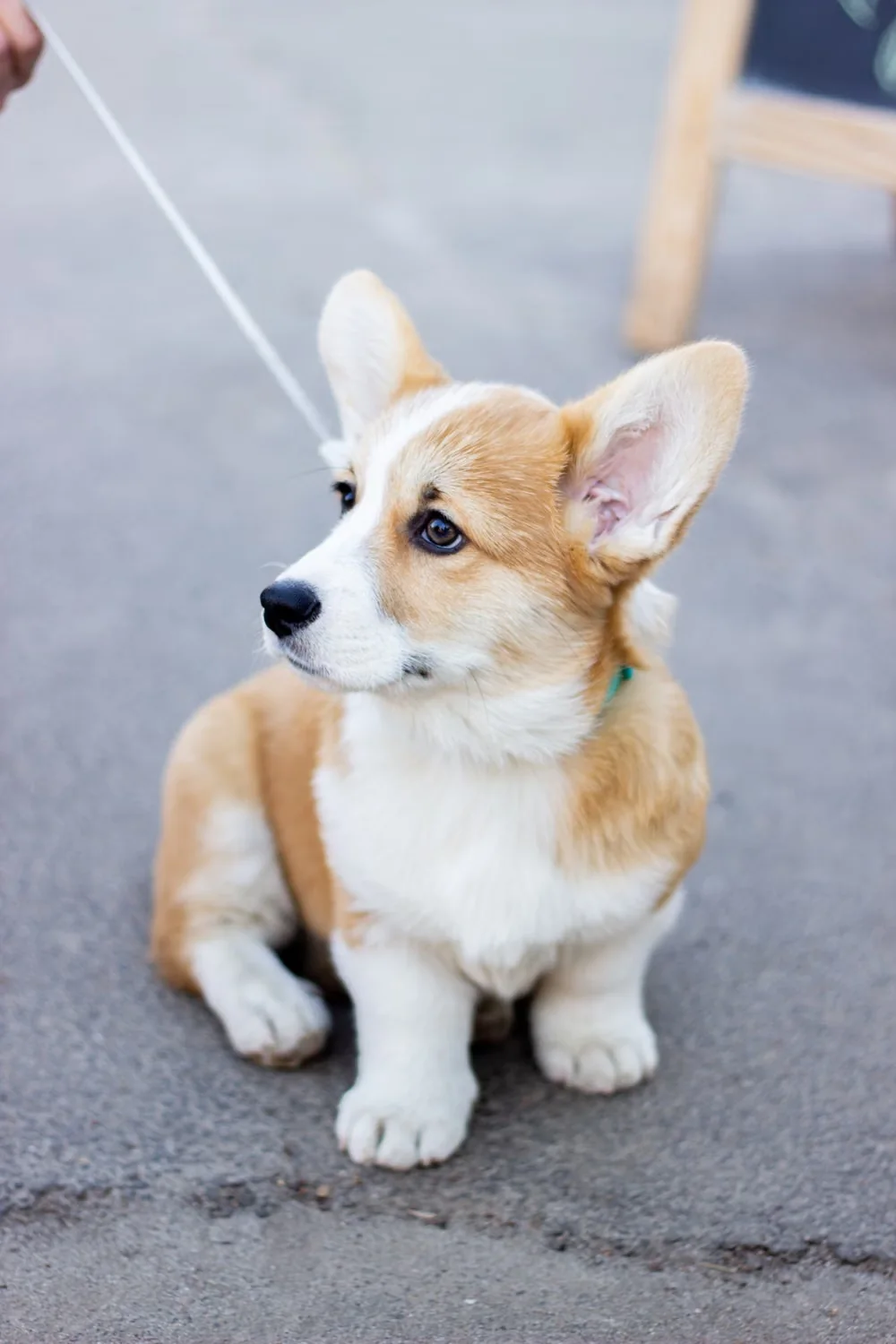
If you are looking for a puppy, ask to see the parents' health test results. PDSA lists hip dysplasia, disc disease and eye conditions among concerns in Welsh Corgis. For Pembrokes, the UK Kennel Club recommends hip screening of breeding dogs. Ask for the results and about back problems in close relatives. Keeping a dog lean helps its joints; you should be able to feel the ribs beneath a light layer of fat. A Corgi that suddenly develops severe back pain, walks unsteadily or cannot use a hind leg properly needs prompt veterinary attention. A damaged spinal disc is one possible cause.
Could this breed fit your life?
Could work well if …
- You want an alert dog and enjoy daily walks and training.
- You can make room for shedding, weight management and patient work around moving distractions.
May be less suitable if …
- You expect a short-legged dog to need very little exercise.
- Heavy shedding or managing herding behaviour would frustrate you.
Similar needs, different dogs.
Selected by shared size, activity, grooming and training characteristics.
Water dog and truffle finder
Lagotto Romagnolo
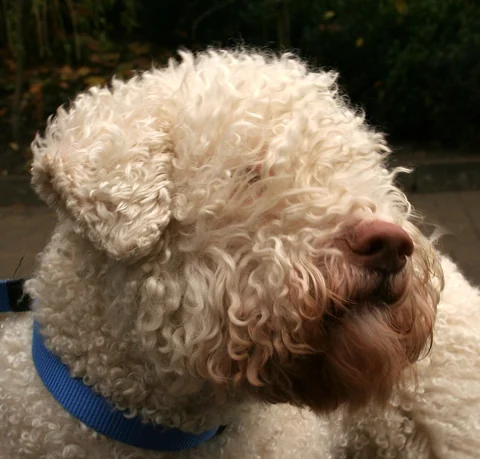
This curly dog from Romagna once retrieved waterfowl and is now famous for finding truffles, edible fungi that grow underground. Long walks, scent games and careful coat maintenance make up its daily routine.
Retriever
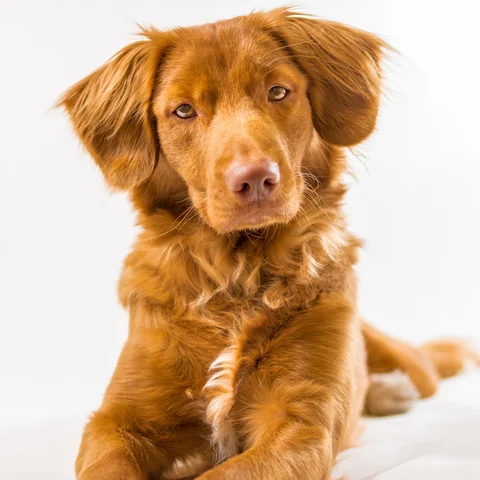
Nova Scotia Duck Tolling Retriever
The Nova Scotia Duck Tolling Retriever, usually called the Toller, is an active Canadian gundog. It lured ducks closer by playing along the shore, then brought shot birds back from the water. As a companion, it needs daily walks, search games and time with its people.
French pointing dog
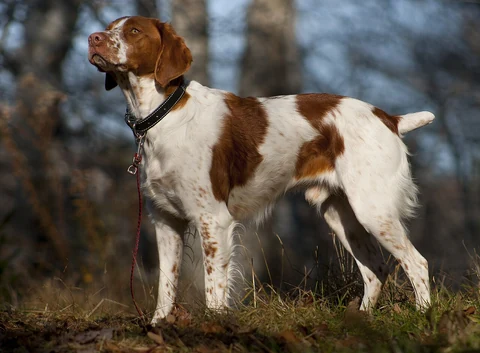
Brittany
The Brittany is a compact French gundog with plenty of energy and a keen nose. It searches for game, points and retrieves. Pointing means pausing near game it has located to show the handler where it is. Anyone considering a Brittany as a companion should take its hunting instincts as seriously as its often friendly, people-oriented nature.
Sources and photograph credit
- Teaching your dog to be left alone
Used in this profile for: Staying home alone
- Welsh Corgi Pembroke · FCI breed standard No. 39
Used in this profile for: Size / Weight, Temperament, Size and build
- The Kennel Club Health Standard
Used in this profile for: Health
- Keeping your dog’s weight in check
Used in this profile for: Everyday life, Health
- IVDD / slipped disc in dogs
Used in this profile for: Health
- Welsh Corgi · breed guide
Used in this profile for: Temperament, Everyday life, Day-to-day care, Health, Lifespan, Could this breed fit your life?
Photo credits
Portrait · muhannad alatawi · Pexels License
In action · Alvan Nee · Unsplash License
Puppy · Natalia Sevruk · Pexels License
Side view · File:Welchcorgipembroke.JPG · Pmuths1956 · CC BY-SA 3.0 · Edited
