 fellfolio
Independent Himalayan guardian with a dense coat and strong territorial awareness
Tibetan Mastiff
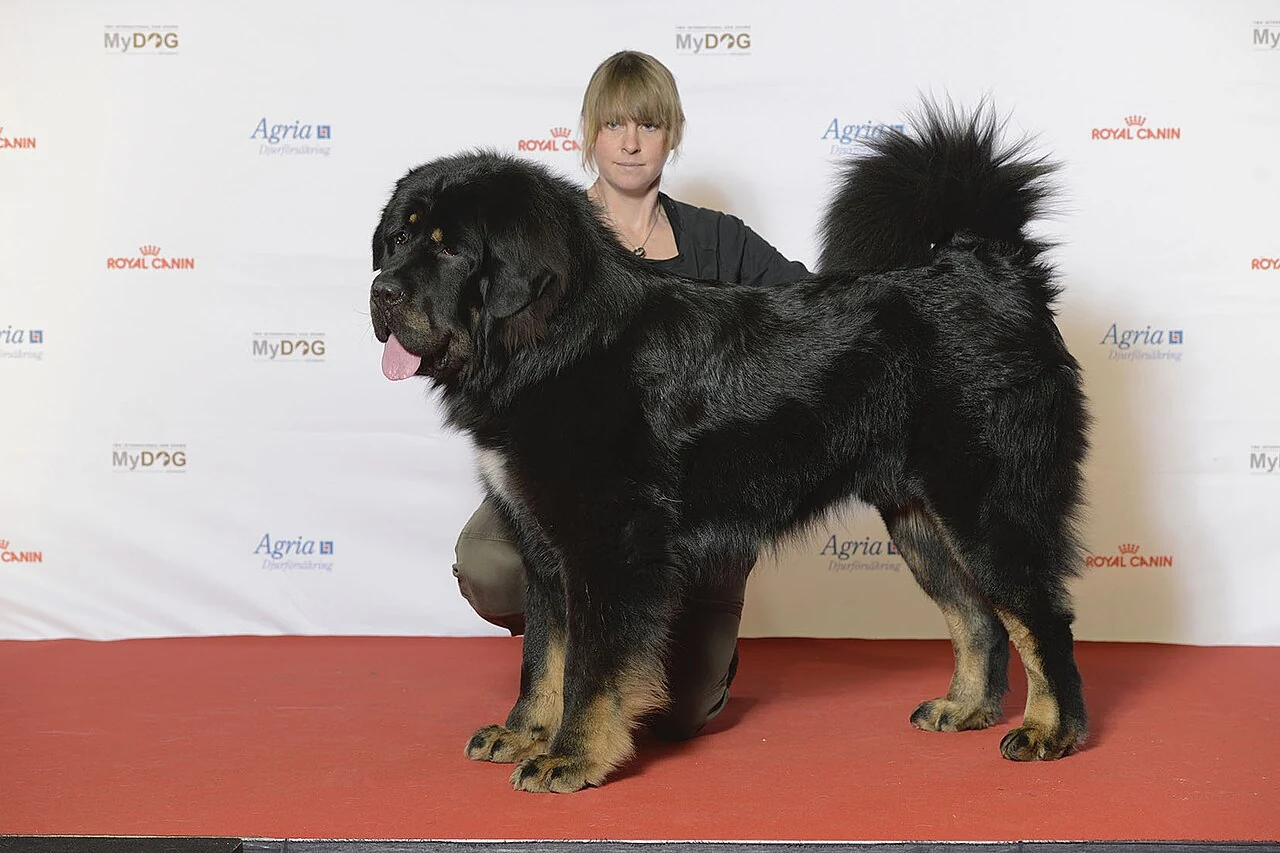
The Tibetan Mastiff, also known as the Do Khyi, was kept in the Himalayas to guard livestock, homes and monasteries. This independent dog has a dense coat and close bonds with familiar people. Their quiet presence comes with the alertness of a guardian who may take sounds and movement around the home very seriously.
At a glance
- Size
- Large
- Lifespan
- 10 to 12 years
- Activity
- Moderate
- Grooming
- Several times weekly
- Training
- Patience & clear guidance
- Owner experience
- Experience recommended
An independent Himalayan guardian
The Tibetan Mastiff’s history is closely connected with herding communities and the protection of Himalayan monasteries. That work required alertness and independent decisions, qualities that remain relevant in a family home. The international canine organisation FCI describes an independent, protective dog with a strong attachment to home territory.
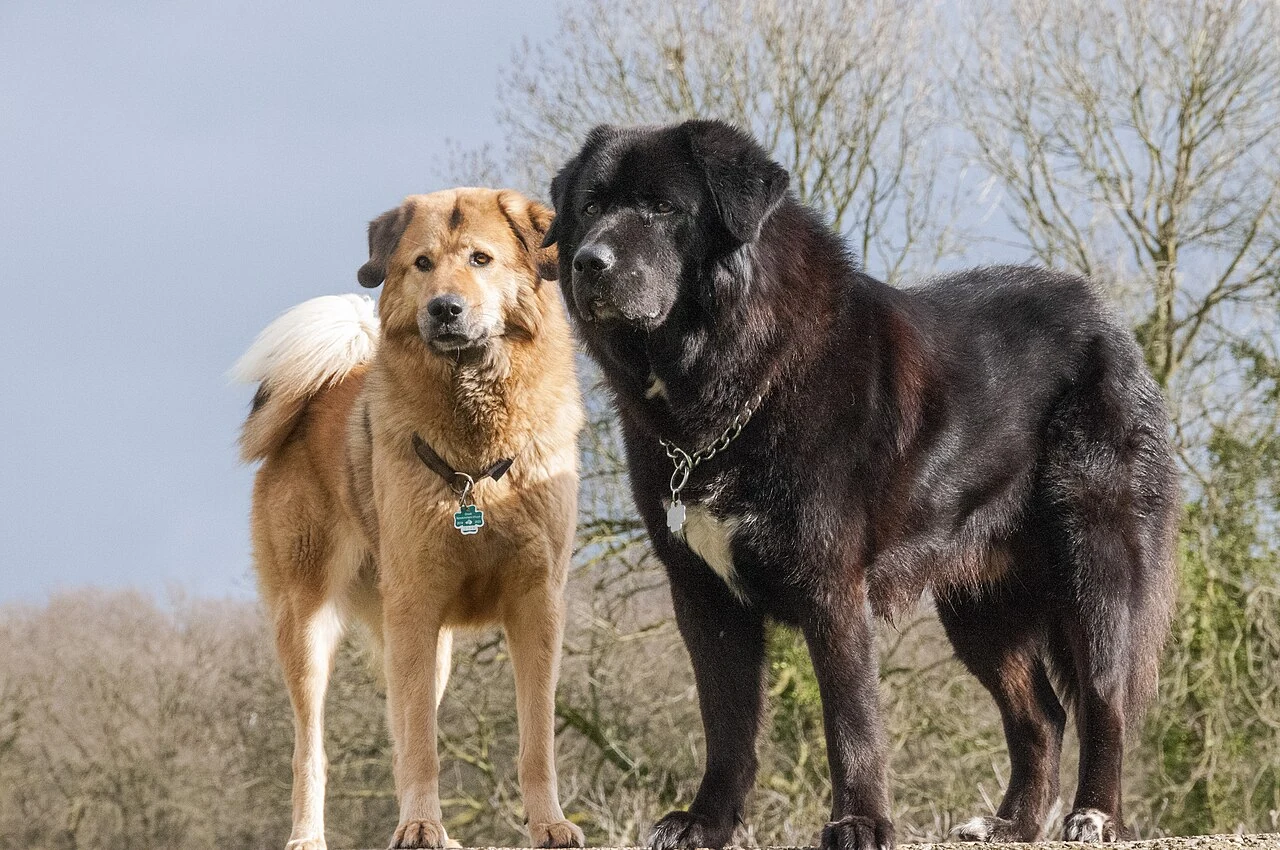
A Tibetan Mastiff can be affectionate with familiar people while keeping strangers at a distance initially. Visitors should therefore be introduced in a controlled setting. A separate resting area helps when children bring friends home or tradespeople arrive regularly. A familiar person should guide the dog, rather than leaving them to decide who may enter the house.
An adult should supervise contact with children. Running, shouting and lively games deserve advance planning around a large guardian. The dog should have an undisturbed retreat. Before sharing a home with other animals, previous experience and reactions during prepared introductions should be considered.
Everyday life
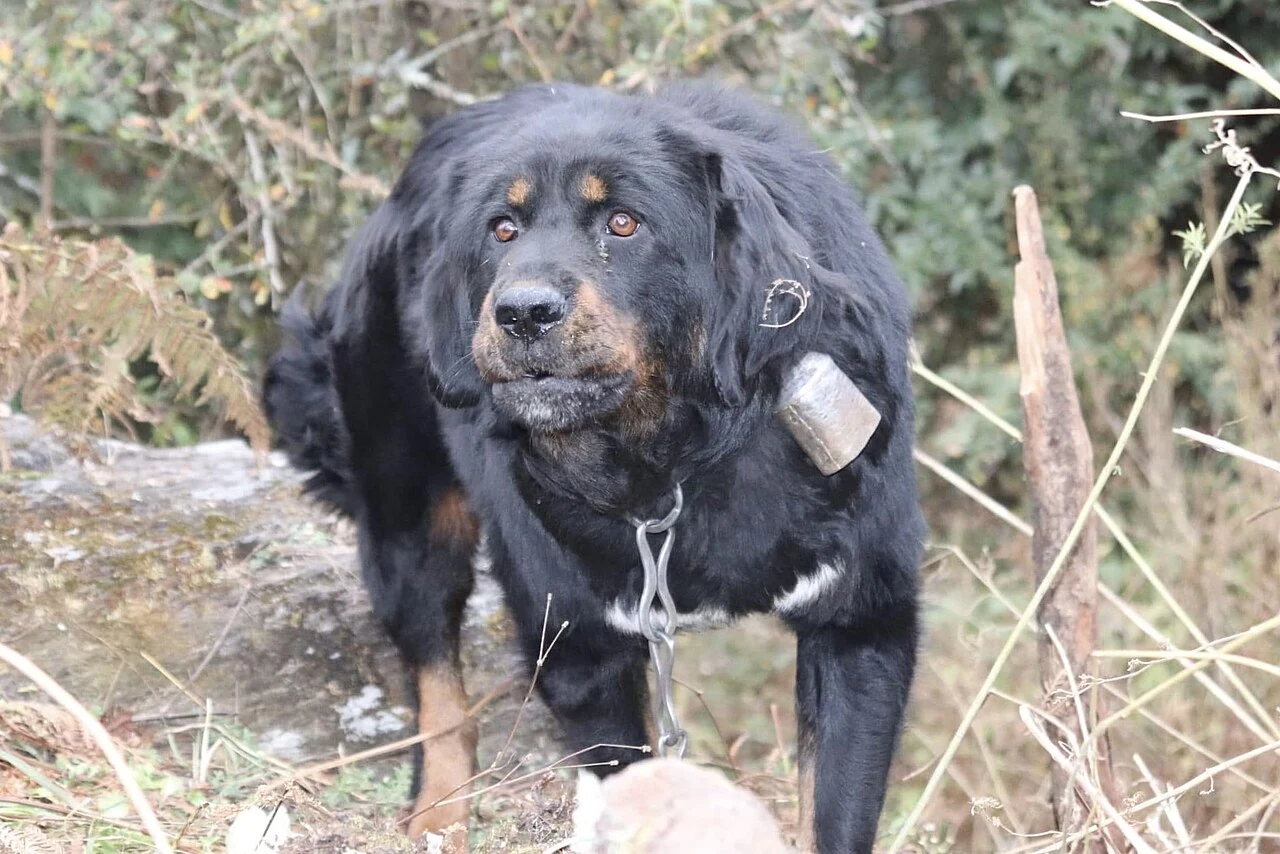
Regular walks and time to explore belong in the daily routine. Tibetan Mastiffs are often more interested in scents and their surroundings than repeated rounds of the same ball game. Finding a familiar toy or practising a few simple exercises for a reward gives the dog something to do together with its owner. Many are more active in cool weather than on warm days.
A secure property is especially important. A substantial fence and reliably closed gates should prevent the dog from extending their territory independently. Off lead exercise should be restricted to safely fenced surroundings. Coming back when called should be practised early, but can remain unreliable under distraction in this independent breed.
The American parent club highlights a tendency to bark at night. Before arrival, the household should consider whether the neighbourhood and living arrangements can accommodate this. A quiet sleeping place indoors and distance from busy boundaries may help. Suitable care should be arranged if the dog would otherwise spend long periods alone. Brief absences can be introduced gradually while walks, meals and rest remain predictable.
Staying home alone
Dogs learn to stay home alone in small steps. The RSPCA advises no more than four hours at a time. Puppies and dogs that become unsettled when left alone need shorter absences and gradual practice. Arrange someone to care for your dog when you will be away longer.
Everyday dog training: recall, a loose lead and clear communication ↗
Day-to-day care
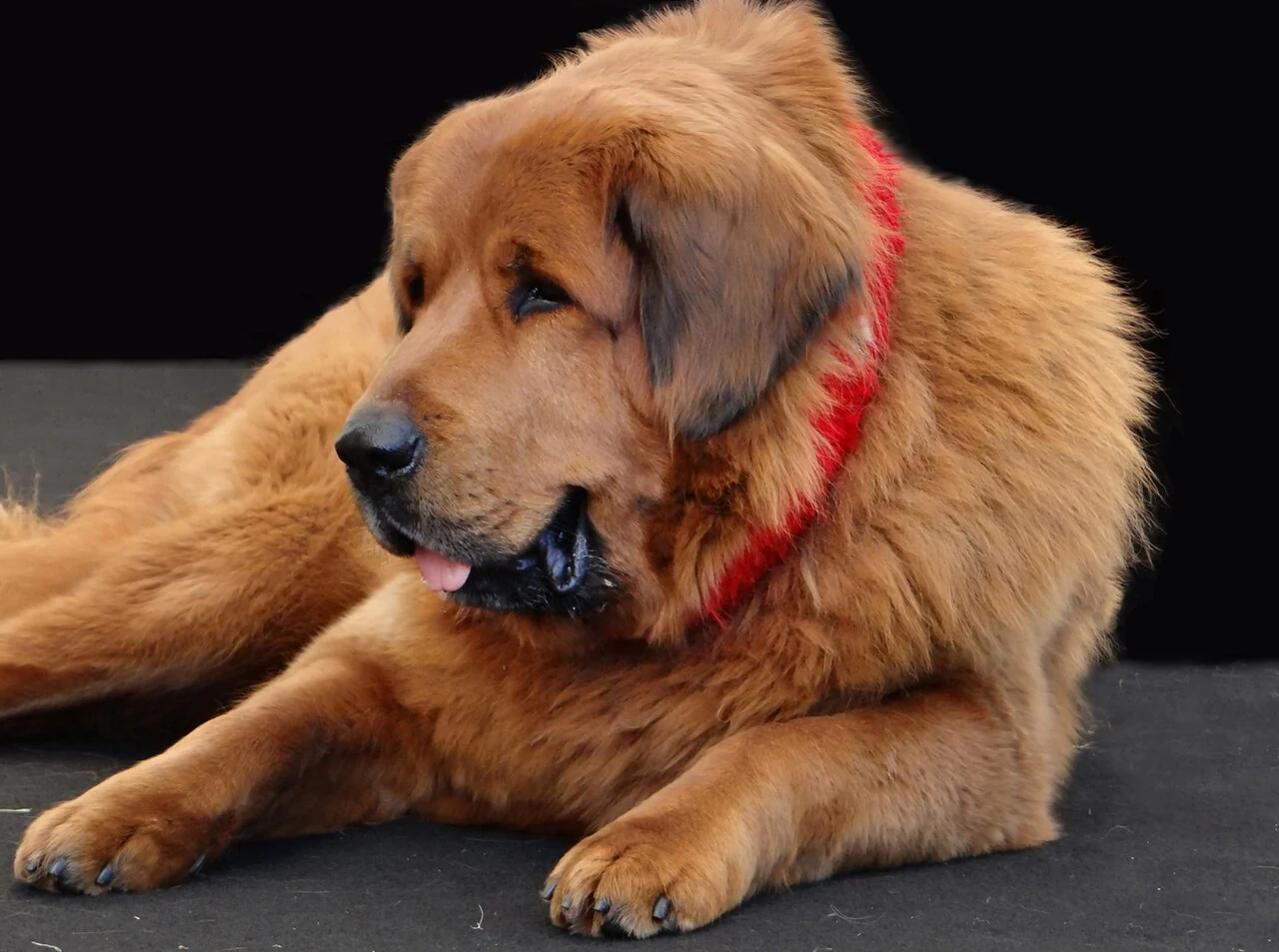
The coat combines substantial outer hair with dense, soft undercoat. Thorough brushing several times a week helps remove loose hair and catch tangles early. Considerably more work may be needed when the undercoat sheds. The areas behind the ears, around the legs and wherever hair is especially dense deserve attention.
Brushing should remain comfortable, without pulling at mats. A mat close to the skin is a reason to seek professional grooming help. Ears, nails and teeth should be included in the routine, with dog toothpaste used for dental care. Brief, pleasant sessions are particularly helpful with a large dog who dislikes being restrained.
Size and build
The Tibetan Mastiff has a substantial body, a densely coated tail carried over the back and often a pronounced mane around the neck and shoulders. The international standard gives minimum shoulder heights of 66 centimetres for males and 61 centimetres for females. Typical colours include black or blue, with or without tan markings, and shades of gold and red. In coat colours, blue means a greyish blue shade. Tan markings are warm brown areas, for example on the muzzle and legs.
The breed matures slowly over several years. A young dog may look physically imposing while still developing in behaviour and capacity for exertion. Brief walks, self paced play and rest should alternate. Long runs and repeated high jumps should be avoided during growth. Appropriate puppy food and regular checks of body condition help guide feeding. In older dogs, changes in movement and tolerance of grooming should be discussed with the veterinary practice.
From puppy to senior: caring for your dog through every life stage ↗
Health
Before choosing a puppy, the parents’ hip and elbow reports and the family’s health history should be discussed. Hip dysplasia involves a poor fit between the parts of the joint. Looseness, wear and pain can follow. Difficulty getting up, limping or less enthusiasm for movement should be investigated.
The American Kennel Club also identifies thyroid disease as a health concern. With an underactive thyroid, the gland produces too little of the hormones that help regulate metabolism. A dog may become less energetic, gain weight and lose hair. These changes should be assessed because other illnesses can look similar, and blood test results need to be interpreted alongside symptoms.
The eyes deserve regular attention too. Redness, watering, squinting or rubbing can signal a problem and should be examined by a vet. Breed information includes eyelids that roll inward or outward among the health concerns. Fellfolio can keep changes in weight, coat and activity alongside examination reports, making it easier to discuss specific observations at the next appointment.
Could this breed fit your life?
Could work well if …
- You have experience with independent guardians and can reliably manage visitors and property boundaries.
- You can make time for regular grooming and have a securely fenced outdoor area.
- The living arrangements allow for possible night barking and provide a quiet indoor sleeping place.
What to consider
- Guarding behaviour and possible night barking should be considered against the living arrangements before arrival.
- Free exercise needs a safely fenced area.
- Slow maturity calls for patience, appropriate exercise and continued everyday training over several years.
Similar needs, different dogs.
Selected by shared size, activity, grooming and training characteristics.
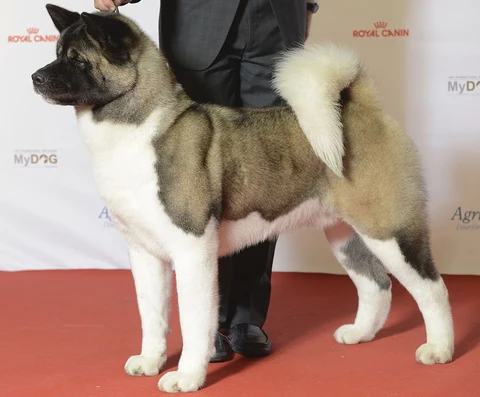
Large companion with Japanese roots
American Akita
The American Akita is a large, powerful dog with a broad head, upright ears and a dense coat. It can be deeply attached to its family while being less comfortable around unfamiliar dogs. Experienced handling and thoughtful arrangements for walks, visitors and temporary care are important.
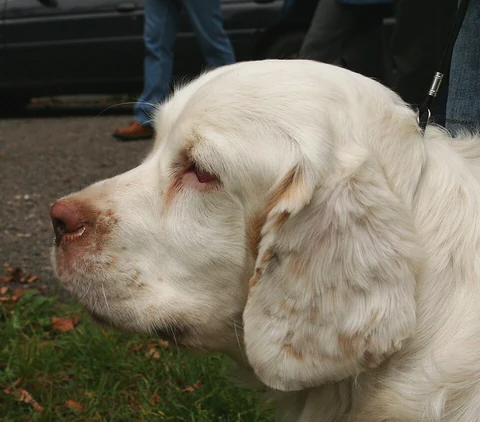
Flushing spaniel
Clumber Spaniel
The Clumber is the heaviest spaniel: low, long and strong, with a white coat and an excellent nose. It often seems relaxed at home yet follows outdoor scents with persistence.
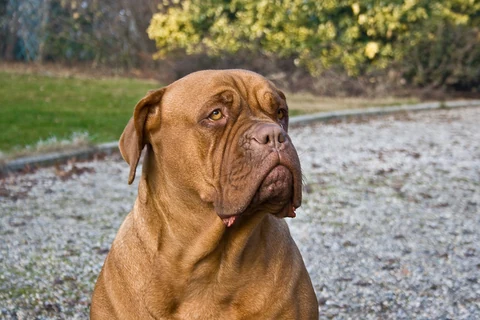
Powerful French companion with a watchful nature
Dogue de Bordeaux
The Dogue de Bordeaux is a powerful French dog with a short coat and broad head. It often seeks close contact with its people and can be a watchful guardian. Its considerable strength and the health burdens associated with its build and short face deserve careful attention before acquiring one.
Sources and photograph credit
- Teaching your dog to be left alone
Used in this profile for: Staying home alone
- Canine Hip Dysplasia
Used in this profile for: Health
- Grooming and bathing pets
Used in this profile for: Day-to-day care
- Exercising your puppy
Used in this profile for: Size and build
- Hypothyroidism in dogs
Used in this profile for: Health
- Training Your Dog to Be Left Alone
Used in this profile for: Everyday life, Could this breed fit your life?
- Children and Dogs
Used in this profile for: Temperament, Could this breed fit your life?
- Dog dental care
Used in this profile for: Day-to-day care
- Train Your Dog to Come When Called
Used in this profile for: Everyday life
- Training your dog
Used in this profile for: Everyday life
- Tibetan Mastiff Dog Breed Information
Used in this profile for: Temperament, Everyday life, Day-to-day care, Size and build, Health, Lifespan, Could this breed fit your life?
- Is a Tibetan Mastiff Right for You?
Used in this profile for: Temperament, Everyday life, Could this breed fit your life?
- Do Khyi, FCI Standard 230
Used in this profile for: Size / Weight, Temperament, Size and build
- Tibetan Mastiff | Breeds A to Z | The Kennel Club
Used in this profile for: Everyday life, Day-to-day care, Health, Lifespan
Photo credits
Side view · BIR Grupp 2- TIBETANSK MASTIFF, Legenda Tibeta Temudzhin (23938629470).jpg · Johan Frick-Meijer / Svenska Mässan · CC BY 2.0 · Edited
.jpg)
Portrait · Do-Khyi-Zuchtpaar.jpg · Patricia Ober · CC BY-SA 4.0 · Edited

Coat and features · Dogue du Tibet 2, Festival culturel du Tibet et des peuples de l'Himalaya 2013.jpg · Jean-Pierre Dalbéra from Paris, France · CC BY 2.0 · Edited

Everyday life · Bhalu2.jpg · Bikaash · CC BY-SA 4.0 · Edited
