fellfolio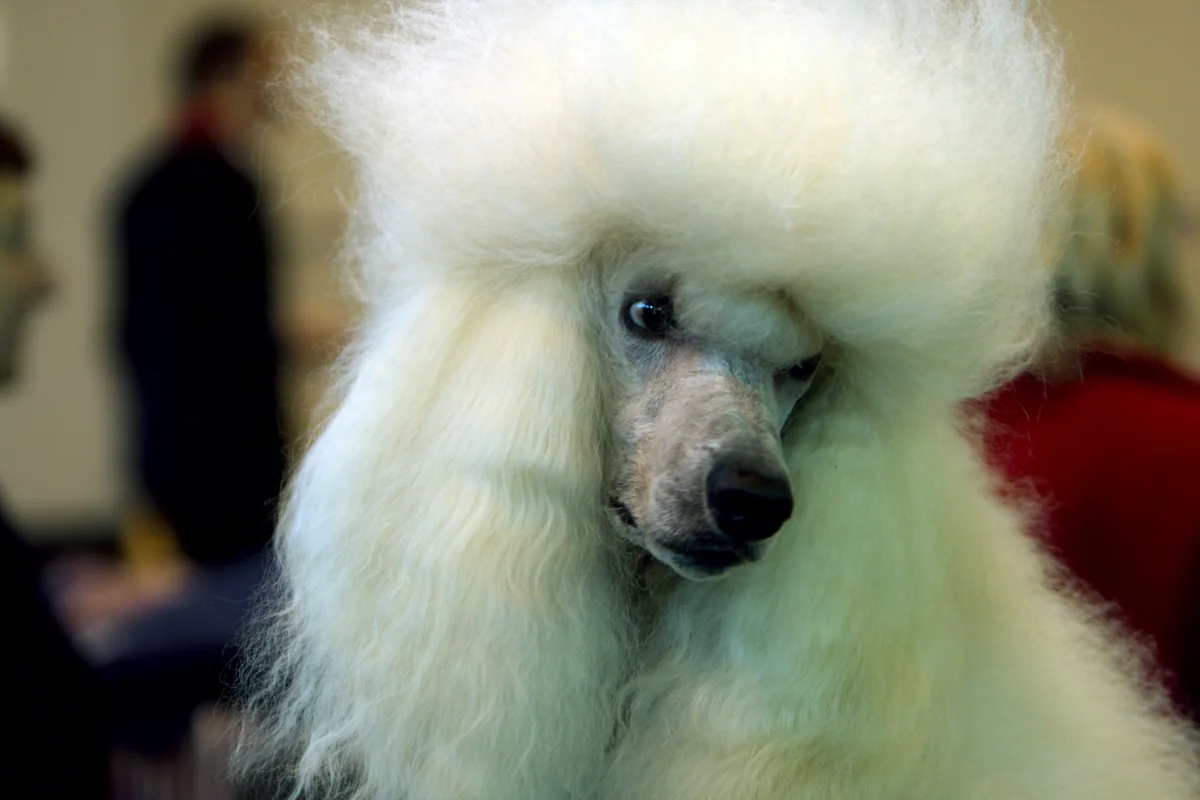
Retriever
Golden Retriever
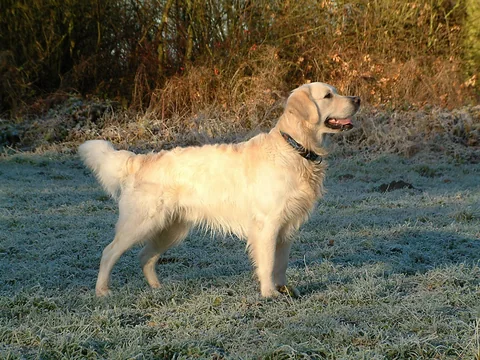
A substantial retriever that often enjoys working with people. Its friendly reputation can make it easy to underestimate the time a young dog needs.
Companion dog
The Standard Poodle pairs an eager mind with sporting roots and substantial coat care.
Poodles were developed as water retrievers. They tend to enjoy learning a range of skills, while their coat needs regular, planned attention.
Plan daily exercise and activities such as scent work, retrieving or training. Build a dependable recall, especially around water.
Being alone needs gradual practice. The RSPCA advises no more than four hours at a time; puppies and some adults need much shorter intervals. Arrange company during longer absences.
The curly coat mats without regular brushing and professional clipping. Keep ears, teeth and nails in the care routine too.
Measurements describe adult dogs and are a guide. Lines and individuals can vary; ask about the parents’ health, temperament and daily life.
PDSA lists concerns including hip dysplasia, Addison’s disease and eye conditions. Ask about the parents’ health tests and the history of their family line.
Breed traits describe tendencies. Breeding line, socialisation, care and experience shape the individual. Children and animals always need responsible supervision.
Selected by shared size, activity, grooming and training characteristics.
Retriever
A substantial retriever that often enjoys working with people. Its friendly reputation can make it easy to underestimate the time a young dog needs.
Retriever
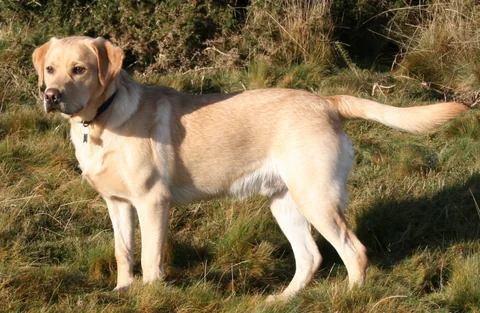
A strong, willing retriever that is often keen to work with people. A Labrador still needs an active life despite its easy-going family reputation.
Companion dog
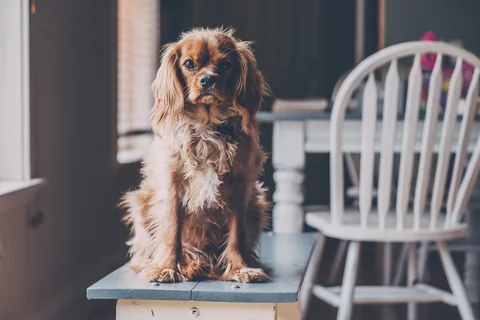
An active companion that seeks close company. Grooming and the high prevalence of heart disease deserve early attention.
Portrait · Flickr user John Leslie · CC BY 2.0 · Image cropped