 fellfolio
Spanish flock guardian with a deep voice
Spanish Mastiff
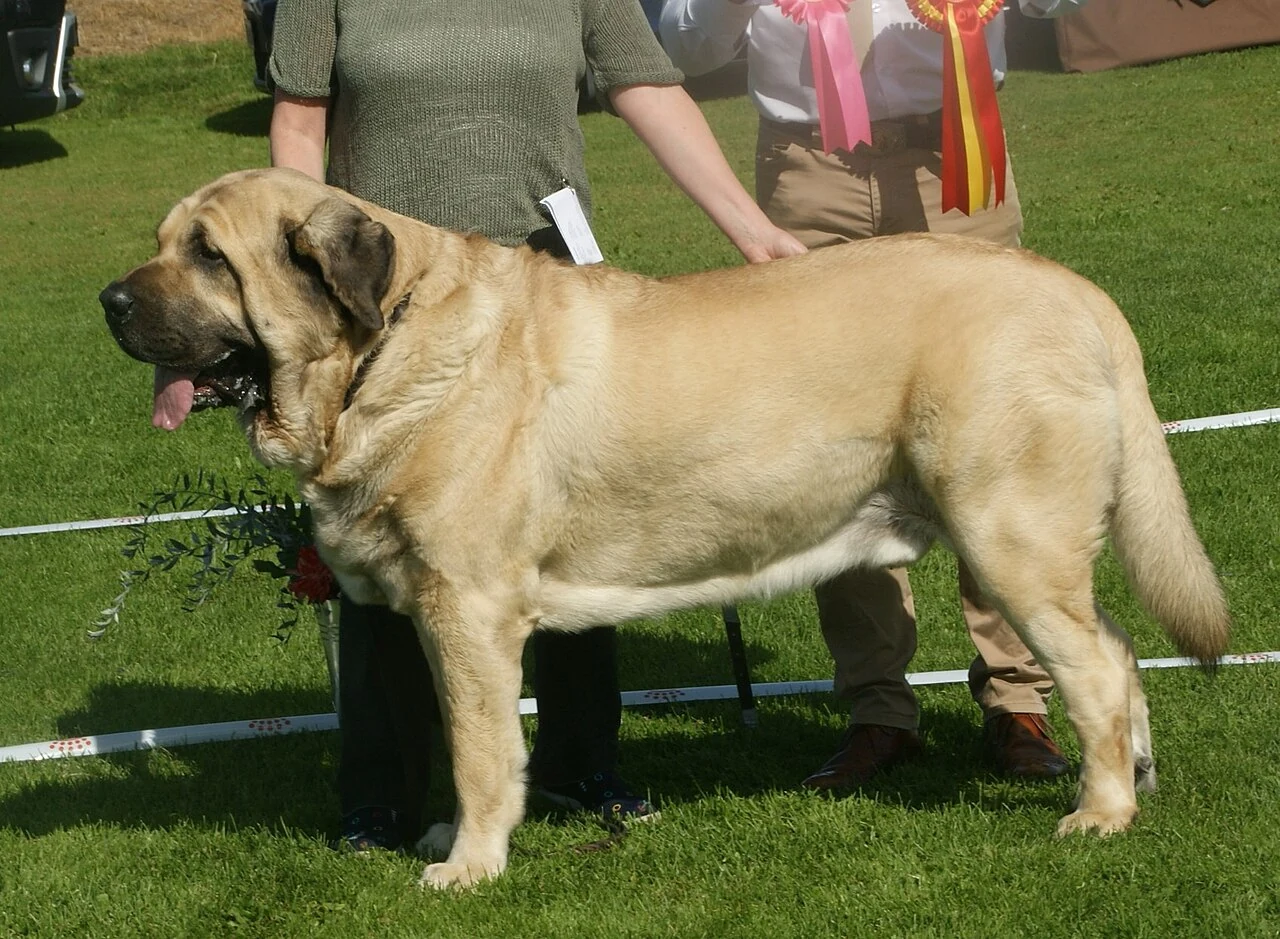
The Spanish Mastiff is a very large livestock guardian with a substantial head and a deep voice. It once travelled with migrating sheep flocks across Spain. Today it needs people who understand both its often calm manner and its readiness to guard the home.
At a glance
- Size
- Large
- Lifespan
- 10 to 12 years
- Activity
- Moderate
- Grooming
- Weekly
- Training
- Patience & clear guidance
- Owner experience
- Experience recommended
Often calm at home, attentive to unfamiliar activity
The Spanish Mastiff’s history is closely tied to the seasonal movement of sheep. Merino flocks travelled long distances between summer and winter pastures. Large dogs accompanied them and provided protection from predators. The breed standard recalls this work, which still helps explain why a Spanish Mastiff pays attention to its surroundings.
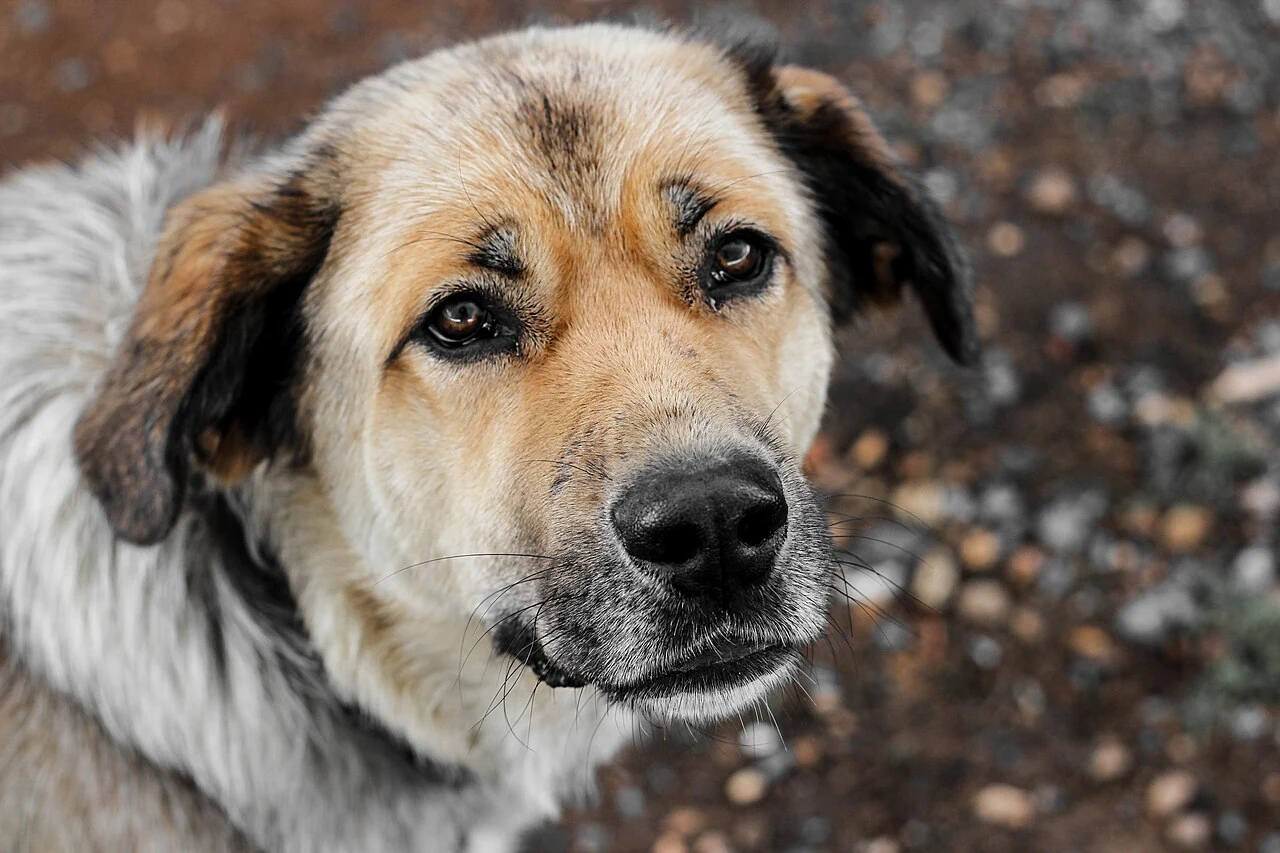
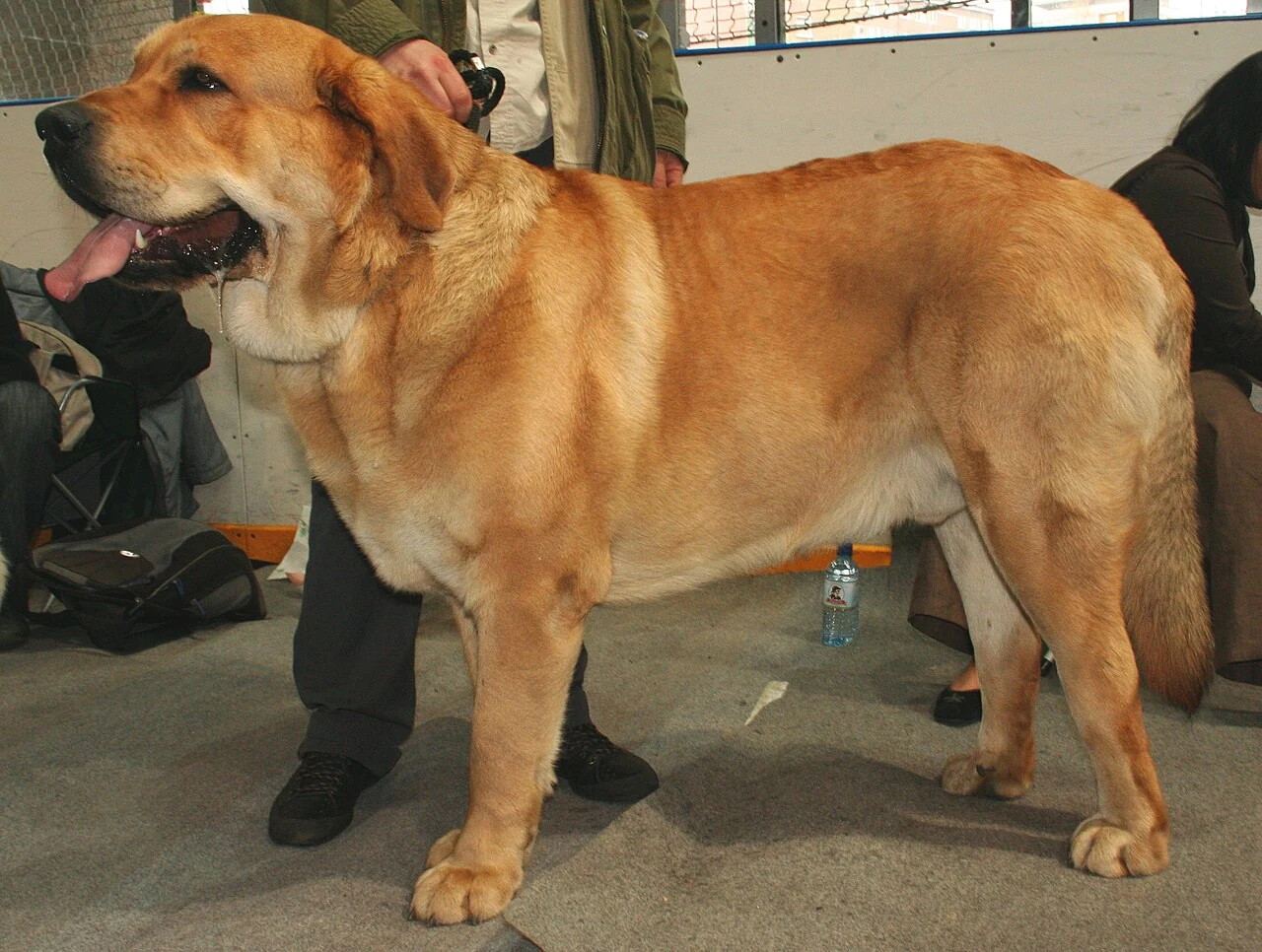
It has a substantial body, a broad head and loose skin around the neck. Its dense coat is medium in length and comes in various colours. The international standard sets minimum shoulder heights of 77 centimetres for males and 72 centimetres for females. It expressly favours larger dogs and gives no upper limit.
A Spanish Mastiff is often calm in familiar surroundings. Its deep bark can announce that something has caught its attention. Visitors should be introduced in an organised setting. Some distance from the entrance and a bed away from the flow of people can help. An adult should supervise children with the dog. Even an awkward movement from such a large dog can knock a small child over.
Everyday life
Even a relatively calm Spanish Mastiff needs daily exercise and shared activity. Walks with time to explore scents and small searches suit a routine that need not be hectic. Length and pace should reflect the individual dog’s age and fitness. A suitable outing for a puppy looks different from one for a fully grown dog.
Training is most useful when it focuses on frequent daily situations. Walking on a loose lead, waiting before a gate and settling in a familiar place are especially valuable at this size. A new exercise should first become clear in a quiet environment. More distractions can then be introduced gradually.
A sturdy fenced area and enough room to rest are important. Indoors, the dog should be able to turn and get up without squeezing past furniture. Visitor and delivery access should be arranged so it cannot independently confront arriving people. The cost planner can help organise food, suitable equipment and care expenses before it comes home.
Staying home alone
Dogs learn to stay home alone in small steps. The RSPCA advises no more than four hours at a time. Puppies and dogs that become unsettled when left alone need shorter absences and gradual practice. Arrange someone to care for your dog when you will be away longer.
Everyday dog training: recall, a loose lead and clear communication ↗
Day-to-day care
A thorough weekly brush helps remove loose hair and dirt. More frequent grooming may be needed during seasonal shedding. Skin and paws should also be checked after outings. The loose skin around the neck deserves a look for redness or persistent dampness, particularly after the dog has become wet.
Early, calm practice helps with nail care and tooth brushing. Having to restrain an unwilling adult Mastiff makes these tasks difficult for everyone. Briefly touching a paw, letting go and rewarding relaxed cooperation is a useful start. Red ears, an unpleasant smell or frequent head shaking should prompt a veterinary check for the cause.
Size and build
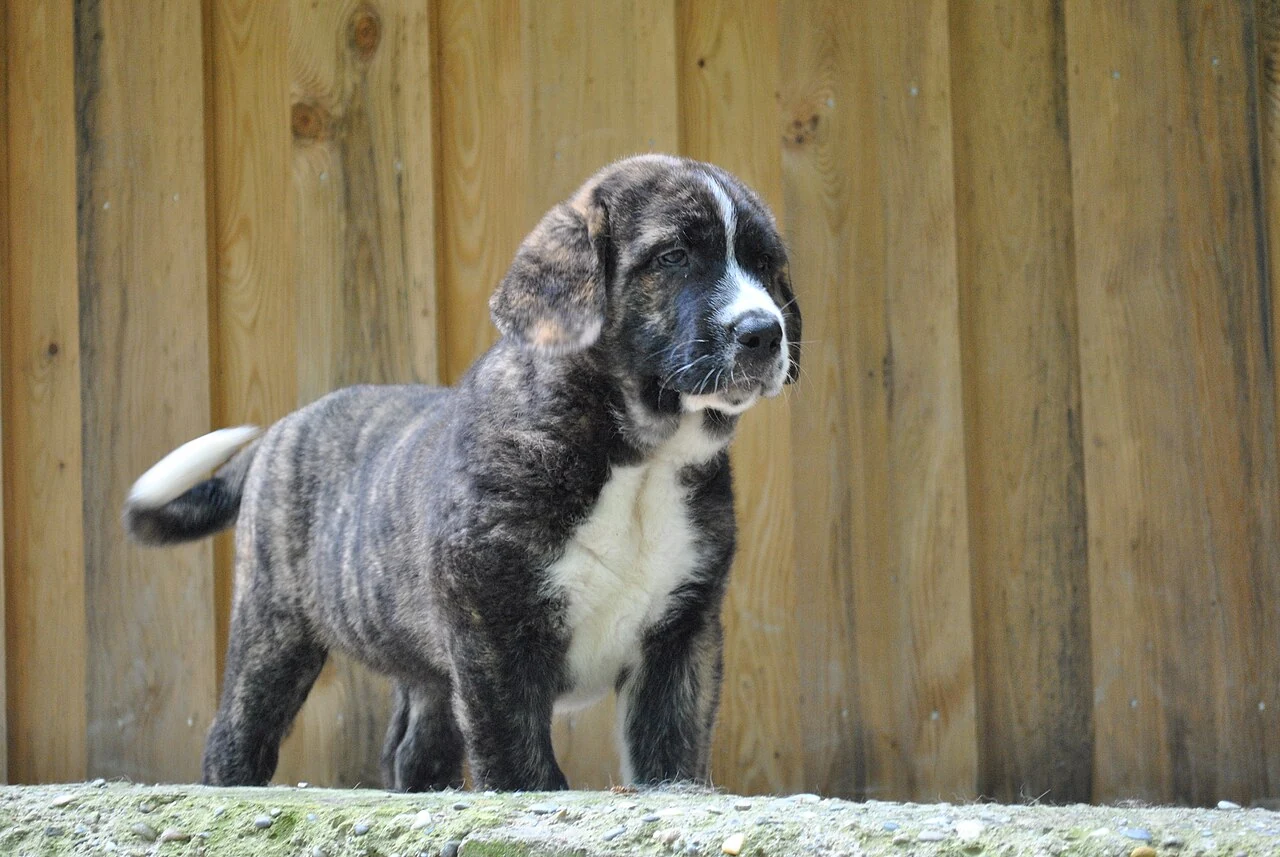
A Mastiff puppy quickly becomes heavier while its bones and joints still have a long way to develop. Early exercise should consist of short explorations and play at its own pace. Long forced distances and repeated high jumps put unnecessary strain on a growing body. Rest and food suitable for a large breed puppy matter too.
Growing up also involves learning about visitors, noises and other dogs. New experiences should be manageable and begin with enough distance. Early help from an experienced reward based trainer can support reliable handling in everyday life.
A heavy older dog should be able to reach its bed easily. Flooring with good grip helps when it gets up. Reduced willingness to walk should prompt a check for pain rather than simply being attributed to age. The American Kennel Club gives ten to twelve years as a guide to life expectancy.
From puppy to senior: caring for your dog through every life stage ↗
Health
Sound joints and a suitable weight are particularly important for a very large dog. With hip dysplasia, the ball of the joint is not secure in its socket. Pain may make a dog struggle to rise, avoid stairs or take shorter steps. Before choosing a puppy, you should ask about documented examinations of the parents and joint problems affecting related dogs.
A large, deep chest is associated with an increased risk of gastric dilatation and volvulus, often called a twisted stomach. The stomach fills with gas and may rotate. Unproductive retching, unusual restlessness and an increasingly tense abdomen are warning signs that need immediate veterinary help.
Preventive appointments allow a vet to assess weight, movement, teeth and skin together. Side photographs of the standing dog and regular weight records can help reveal changes. Taking the photographs from a similar distance makes comparison easier. Fellfolio can keep these observations beside examination results, giving you concrete examples to show at the next appointment.
Could this breed fit your life?
Could work well if …
- You want a large, independent dog and have experience handling one safely.
- Your home offers enough room and a sturdy, securely fenced outdoor area.
- You can adapt daily routines, care arrangements and expenses to a very heavy dog.
What to consider
- A calm manner indoors still needs to be considered alongside its guarding behaviour.
- Its weight and strength require suitable equipment and experienced care.
- Health, growth and exercise need careful attention in a dog of this size.
Similar needs, different dogs.
Selected by shared size, activity, grooming and training characteristics.
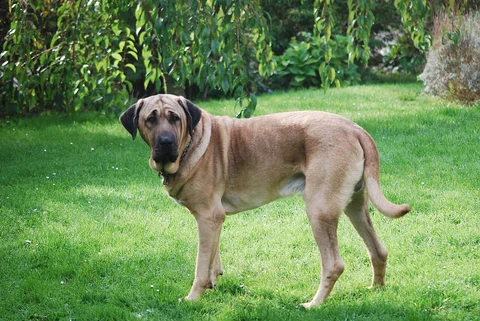
Companion and watchdog
Broholmer
A Broholmer makes an impression through sheer size. This Danish companion and watchdog often enjoys being involved in family life and needs people who can handle its strength safely. Shared walks, calm introductions to visitors and an easily accessible resting place help shape everyday life with this large dog.
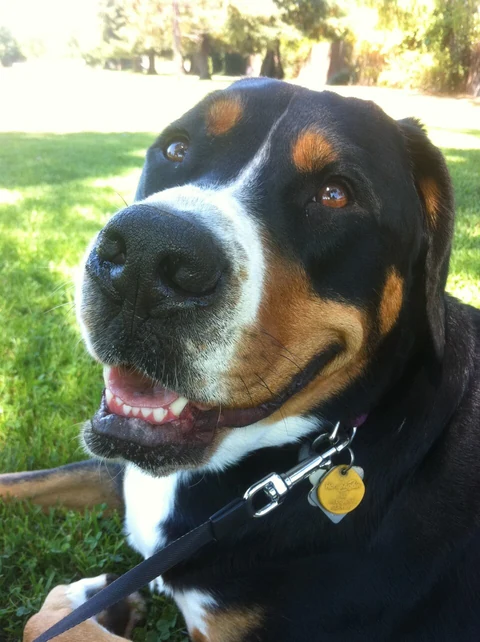
Mountain dog
Greater Swiss Mountain Dog
The Greater Swiss Mountain Dog is a powerful farm dog with a short, dense coat. It needs space, family contact and handling suited to its considerable strength.
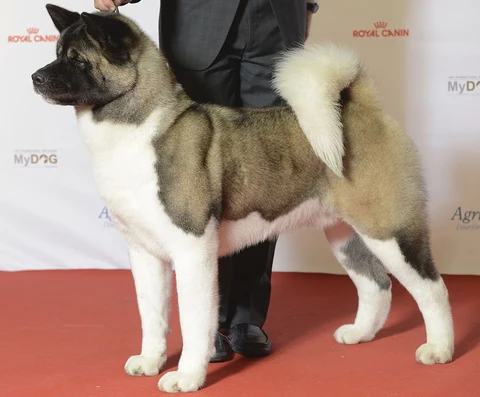
Large companion with Japanese roots
American Akita
The American Akita is a large, powerful dog with a broad head, upright ears and a dense coat. It can be deeply attached to its family while being less comfortable around unfamiliar dogs. Experienced handling and thoughtful arrangements for walks, visitors and temporary care are important.
Sources and photograph credit
- Teaching your dog to be left alone
Used in this profile for: Staying home alone
- Gastric Dilatation Volvulus
Used in this profile for: Health
- Canine Hip Dysplasia
Used in this profile for: Health
- Ear problems in pets
Used in this profile for: Day-to-day care
- Grooming and bathing pets
Used in this profile for: Day-to-day care
- Exercising your puppy
Used in this profile for: Size and build
- Children and Dogs
Used in this profile for: Temperament, Could this breed fit your life?
- Dog dental care
Used in this profile for: Day-to-day care
- Train Your Dog to Come When Called
Used in this profile for: Everyday life
- Training your dog
Used in this profile for: Everyday life, Size and build, Could this breed fit your life?
- Spanish Mastiff
Used in this profile for: Temperament, Everyday life, Day-to-day care, Size and build, Health, Lifespan, Could this breed fit your life?
- Spanish Mastiff, FCI Standard No.91
Used in this profile for: Size / Weight, Temperament, Everyday life, Day-to-day care, Size and build, Health, Could this breed fit your life?
Photo credits
Side view · Spanish Mastiff fawn male 1.jpg · Canarian · CC BY-SA 4.0 · Edited

Coat and features · MastinLeones.jpg · Pablox · CC BY-SA 4.0 · Edited

Puppy · Puppy (7 week).JPG · http://delamonteeducol.chiens-de-france.com/ · CC BY-SA 3.0 · Edited
.JPG)
Everyday life · Mastif hiszpanski pl.jpg · Pleple2000 · CC BY-SA 4.0 · Edited
