 fellfolio
Terrier
Smooth Fox Terrier
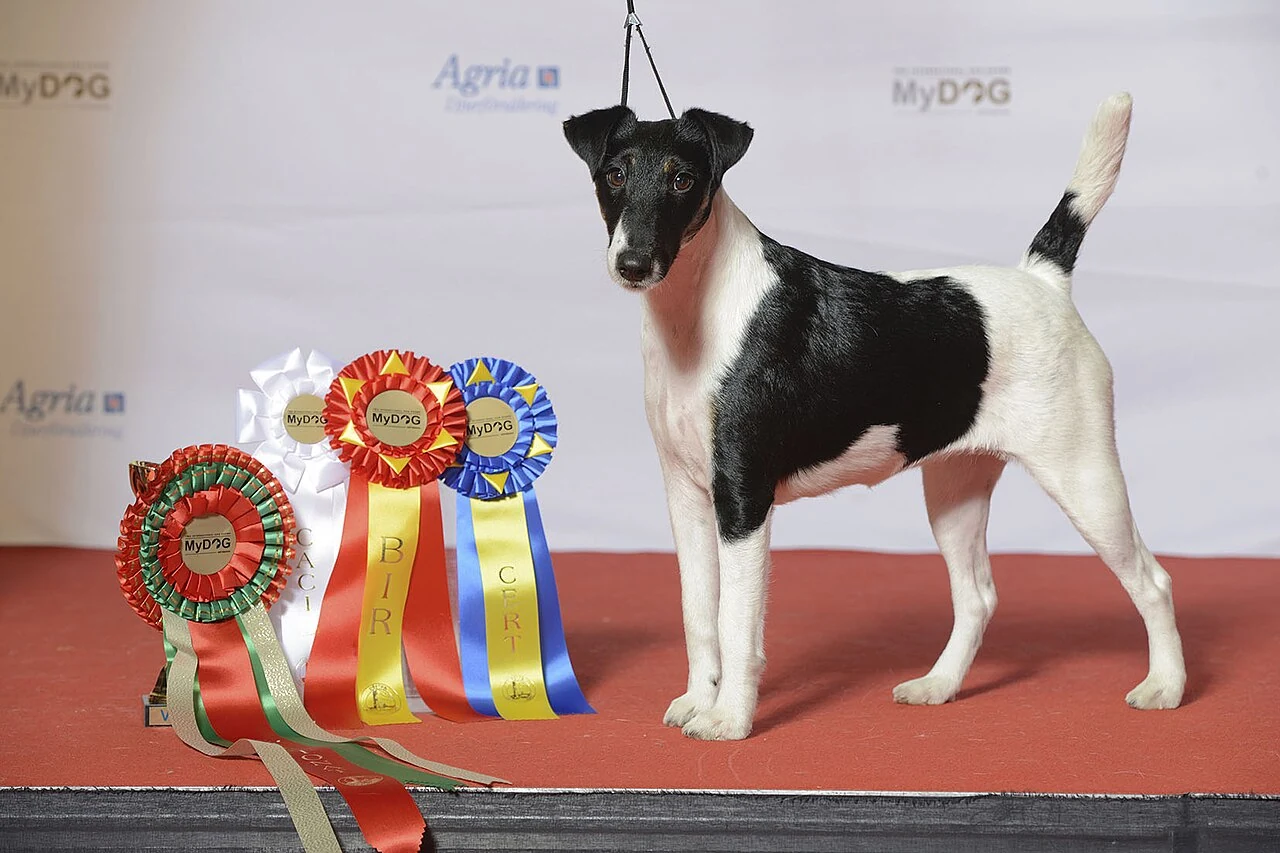
The Smooth Fox Terrier is a small British hunting terrier with a short coat and an energetic outlook. A good match enjoys walking and training together. Reliable recall, safe outlets for hunting interest and a home where the dog can rest after an exciting outing all deserve thought before bringing one home.
At a glance
- Size
- Small
- Weight
- 7 to 8 kg
- Lifespan
- over 12 years
- Activity
- High
- Grooming
- Several times weekly
- Training
- Patience & clear guidance
- Owner experience
- First dog with support
A hunting terrier with ideas of its own
The name reflects the breed’s former work. Fox Terriers accompanied fox hunts and also worked underground, where courage and independent decisions mattered. The Fédération Cynologique Internationale, or FCI, is the international federation of kennel clubs. Its standard describes the Smooth Fox Terrier as lively, alert and fearless. When meeting a dog, notice how it responds to visitors and other animals. Learning about its previous experiences will help you understand those reactions.
It helps to understand a dog’s interest in chasing early. If a terrier freezes at the sight of a blackbird and leans forward, the lead should already provide security. A recall that works in the living room is not yet reliable protection in that setting. Homes with rabbits or other small pets need secure, lasting separation. A cat should not become a practice target for teaching a dog to stop chasing.
At home, the terrier needs an undisturbed sleeping place. Children should leave the dog alone there and when it is eating. Adults should supervise their time together, even when previous encounters have been friendly.
Everyday life
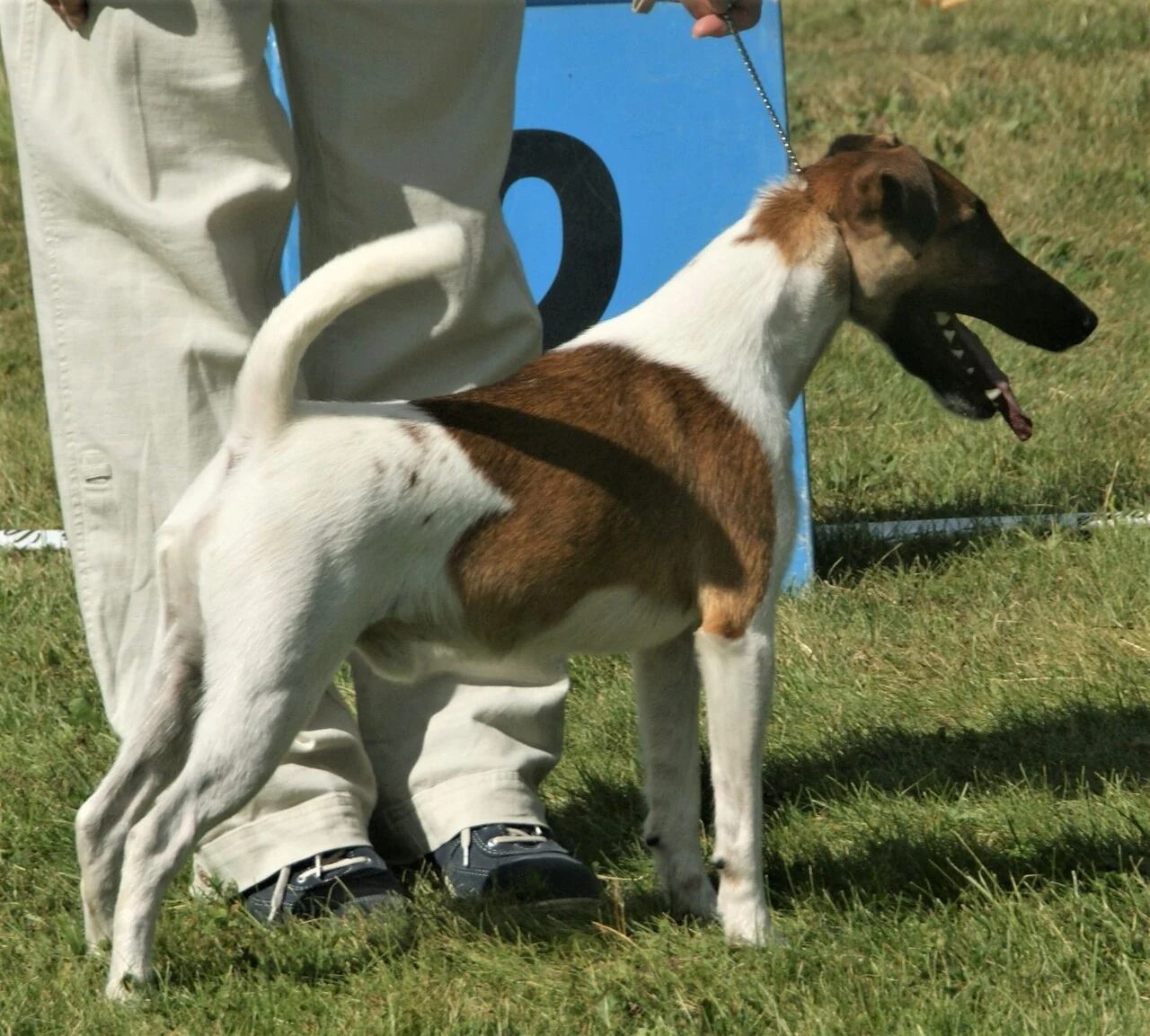
The Royal Kennel Club, the British kennel club, gives up to an hour of daily exercise as broad breed guidance. When planning outings, you should consider your dog’s age, health and fitness. A puppy needs different activities from an adult terrier accustomed to regular exercise. The walk itself matters too. Sniffing lets a dog explore its surroundings at a calmer pace, while repeated ball throwing encourages fast sprints.
Recall practice can begin in a quiet place. Later, a long training lead gives more freedom without leaving the dog unsecured. A well-fitting harness and an open, manageable route make this easier. Coming back should earn food or a game together. Ideally, practise before the terrier is already absorbed in a wildlife trail.
A simple food search can become part of a walk. You can scatter a few pieces at a safe patch of grass for the dog to find, counting them as part of its daily food allowance. Then carry on at a quieter pace. Time alone also needs gradual practice. A dog that barks for long periods or paces repeatedly needs support, rather than longer absences intended to make it get used to them.
Staying home alone
Dogs learn to stay home alone in small steps. The RSPCA advises no more than four hours at a time. Puppies and dogs that become unsettled when left alone need shorter absences and gradual practice. Arrange someone to care for your dog when you will be away longer.
Everyday dog training: recall, a loose lead and clear communication ↗
Day-to-day care
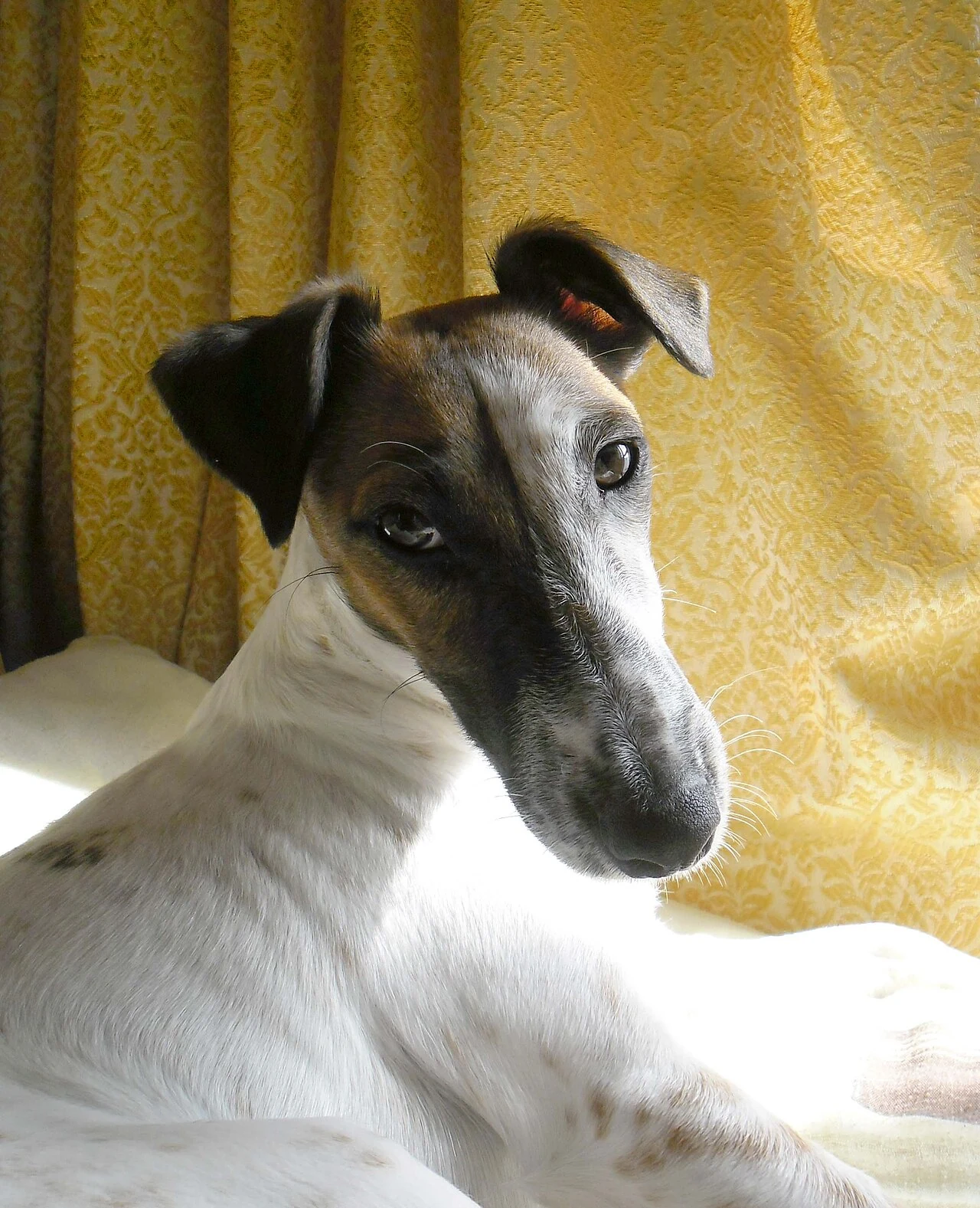
Regular brushing makes the short, dense coat relatively straightforward to maintain, although it still sheds. Brushing after a walk through undergrowth also gives you a chance to check the skin and feet. Plant material caught between the toes should be removed without pulling at the skin.
Dental care belongs in the daily routine too. A soft brush and dog toothpaste can be introduced gradually for regular cleaning. Nails and ears should also be checked. Repeated itching, a painful paw or difficulty chewing should be examined by a vet.
Size and build
Smooth and Wire Fox Terriers have closely connected histories. During the nineteenth century, breeding and dog shows increasingly formalised their appearance. The first Fox Terrier standard appeared in 1876. The FCI now lists them as separate breeds. Their clearest distinction is their coat, rather than an established division into a calm dog and an excitable one.
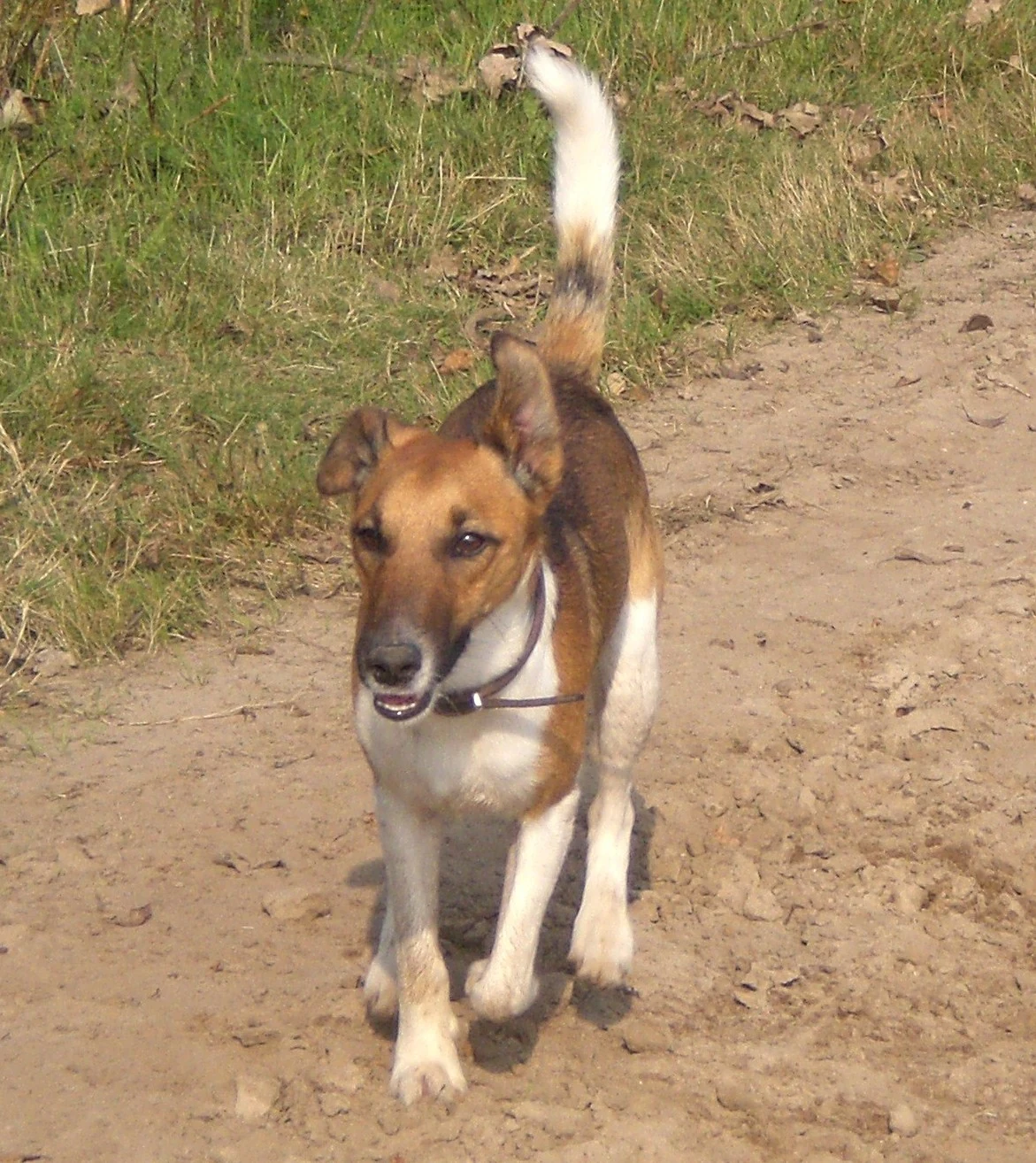
White should predominate in the Smooth Fox Terrier’s coat, with black or tan markings possible. The FCI standard gives males a maximum shoulder height of 39 cm, with females slightly smaller. It lists weights of 7.5 to 8 kg for males and 7 to 7.5 kg for females. These breeding figures do not replace an assessment of an individual dog’s body condition.
From puppy to senior: caring for your dog through every life stage ↗
Health
Before choosing a puppy, ask to see and understand the parents’ health records. The Royal Kennel Club recommends a veterinary eye examination to check the eyes for disease. American parent-club recommendations published by the American Kennel Club also include a kneecap evaluation and a cardiac examination. Programmes differ between countries, so a breeder should explain which examinations were performed and what the results mean.
Patellar luxation means the kneecap moves out of its normal track in the knee. A dog may hold up a hind leg for a few steps or limp repeatedly. These changes deserve a veterinary examination even if it then walks normally again. A clear screening result is useful information, but does not guarantee freedom from all future disease.
The Royal Kennel Club lists a lifespan of over 12 years as general breed guidance. Long-term planning should therefore include routine care, preventive veterinary visits and money set aside for unexpected treatment.
Could this breed fit your life?
Could work well if …
- You want a small, active dog and enjoy practising recall and attention together.
- You can account for hunting interest through safe walks and suitable arrangements at home.
- You prefer a short coat while still making time for dental care and health checks.
What to consider
- A small hunting terrier is not automatically suited to a home where small pets are freely accessible.
- A short coat says little about the time a dog needs for shared activities.
- Long absences should not be planned on the assumption that the terrier will entertain itself.
Similar needs, different dogs.
Selected by shared size, activity, grooming and training characteristics.
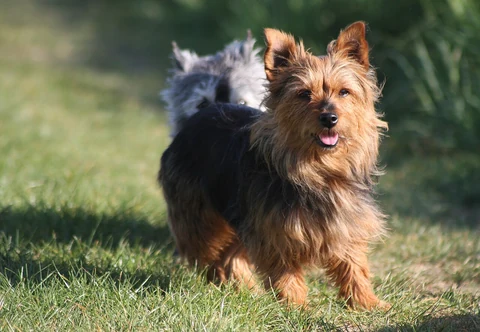
Small Australian wire coated terrier
Australian Terrier
The Australian Terrier is a small, alert dog that enjoys getting out and exploring. Its harsh coat and distinctive neck ruff reflect a working background. At home it often wants to be close to its people, while a scent or a small animal can capture its attention outdoors.
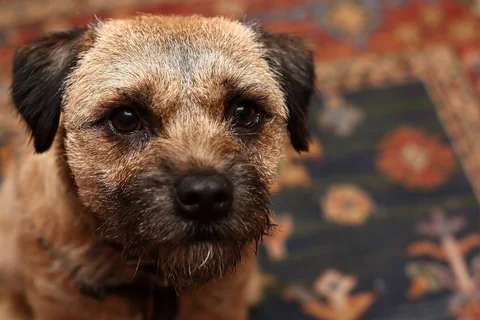
Terrier
Border Terrier
A small, hardy terrier with a strong appetite for activity. It loves sniffing, digging and games, but a whiff of wildlife can put recall to the test.
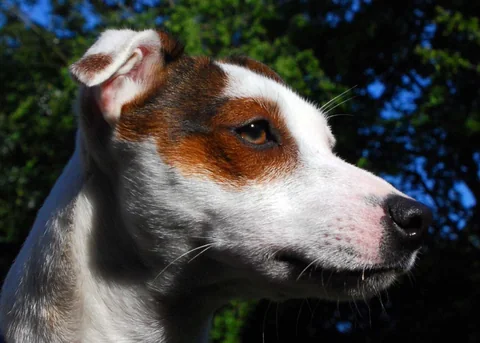
Terrier
Jack Russell Terrier
The Jack Russell Terrier is a small hunting dog with plenty of stamina. It likes to run and search, and needs daily exercise, scent games and recall training.
Sources and photograph credit
- Teaching your dog to be left alone
Used in this profile for: Staying home alone
- Patellar Luxations
Used in this profile for: Health
- Terrier Group Health Testing Requirements
Used in this profile for: Health
- Position Statements and Humane Dog Training
Used in this profile for: Temperament, Everyday life
- Training Your Dog to Be Left Alone
Used in this profile for: Temperament, Everyday life, Could this breed fit your life?
- Understanding Your Dog’s Behaviour
Used in this profile for: Temperament, Everyday life, Day-to-day care
- Children and Dogs
Used in this profile for: Temperament, Could this breed fit your life?
- Caring for Your Dog’s Teeth
Used in this profile for: Day-to-day care
- Train Your Dog to Come When Called
Used in this profile for: Everyday life
- Smooth Fox Terrier
Used in this profile for: Temperament, Everyday life, Day-to-day care, Size and build, Health, Lifespan, Could this breed fit your life?
- FCI Standard No. 12: Smooth Fox Terrier
Used in this profile for: Size / Weight, Temperament, Day-to-day care, Size and build, Could this breed fit your life?
Photo credits
Portrait · SLÄTHÅRIG FOXTERRIER, CZ CH RU CH Agria Who Cares (24208349581).jpg · Svenska Mässan from Sweden · CC BY 2.0 · Edited
.jpg)
Side view · FoxSmooth1.jpg · Canarian · CC BY-SA 4.0 · Edited

Coat and features · SFT portrait.jpg · Fiszka · CC BY-SA 4.0 · Edited

In action · Fox terrier smooth in action.jpg · Piet ter Beek · Public domain (PD-self)
