 fellfolio
Scottish hunting terrier
Scottish Terrier
The Scottish Terrier was bred to hunt underground. This small, sturdy dog follows scents with persistence. Its wiry coat needs regular combing and skilled hand stripping.
At a glance
- Size
- Small
- Height at shoulder
- 25 to 28 cm
- Weight
- 8.5 to 10.5 kg
- Lifespan
- over 10 yearsUK Royal Kennel Club breed profile
- Activity
- Moderate
- Grooming
- Daily
- Training
- Patience & clear guidance
- Owner experience
- Experience recommended
Independent and reserved with strangers
The Scottie was developed in Scotland to pursue foxes and other quarry underground. A dog that once had to make decisions in a burrow will not always wait for directions in the living room. It watches, judges a situation, and shows deep loyalty to familiar people. The British standard calls it reserved, brave and independent, but explicitly not aggressive.
Respect that reserve. Ask visitors to ignore the dog at first and let it come closer in its own time. A Scottie need not sit on every guest’s lap. Keep practice short: giving up a toy, coming back despite an exciting smell, or waiting at the garden gate. The AKC recommends variety over endless repetition. Reward its choice to return. Recall matters because hunting scents can still be compelling, even though a lead remains sensible where wildlife is common.
Everyday life
The Royal Kennel Club lists up to an hour of exercise a day. A Scottish Terrier does not need the running mileage of a large sporting breed, but it does want interesting time outside. A walk with room to sniff, a searching game in grass and a brief tug game offer more than a hurried circuit of the block. A long line can help when it follows trails; a secure garden is useful if it has a permitted place to dig.
Short legs do not make this dog fragile. It is muscular and substantial for its height. Steep stairs, slippery floors and jumps from high furniture can still become difficult for an older dog. Children should leave it alone when resting and adults should supervise play. With cats or small pets, its hunting background calls for careful separation and gradual introductions rather than assuming instant friendship.
Staying home alone
Dogs learn to stay home alone in small steps. The RSPCA advises no more than four hours at a time. Puppies and dogs that become unsettled when left alone need shorter absences and gradual practice. Arrange someone to care for your dog when you will be away longer.
Day-to-day care
A harsh, wiry topcoat covers dense, soft undercoat. Longer hair on the beard, legs and underside can trap dirt and form mats. Comb those areas down to the skin and check beard and feet after walks for seeds or twigs. The skin beneath the eyebrows should remain easy to see. The British breed profile calls for daily care; short, calm sessions make that manageable.
The traditional hard jacket is hand-stripped, which removes dead topcoat. The AKC explains that clipping is possible for family dogs, although it makes the coat softer over time. Find a groomer who can explain both options, and teach the dog early to accept a comb, paw handling and a grooming table. A neat short cut still requires regular appointments.
Size and build
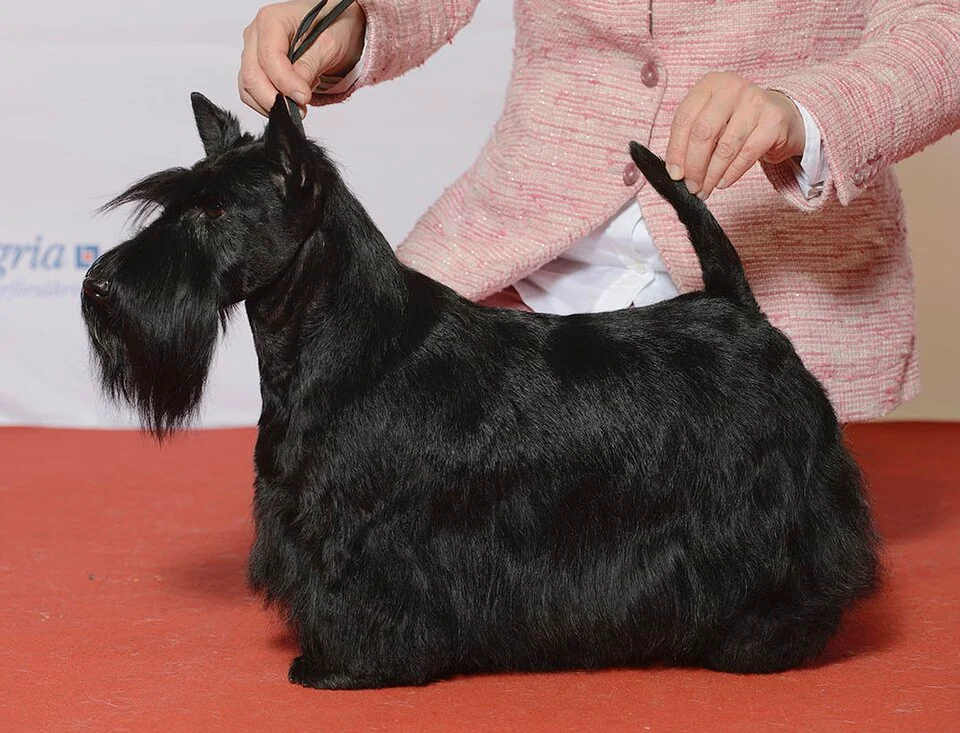
The British standard gives a height of 25 to 28 cm and a weight of about 8.5 to 10.5 kg. The Scottie is low to the ground but not slight: a relatively short, strong back, deep chest, muscular neck and well-muscled hind legs support a compact body. A long-looking head, small upright ears and erect tail create its unmistakable outline. It should move freely and straight from front and rear, without struggling over its own legs.
Black is only one standard colour; wheaten and brindle dogs are equally typical. The build once helped the breed work below ground. Today, normal breathing, pain-free movement and everyday comfort matter more than a perfect beard or skirt in a photograph.
Health
The American Kennel Club lists patella evaluation and tests for type III von Willebrand disease and craniomandibular osteopathy in breeding dogs. Type 3 von Willebrand disease involves absence of a protein needed to control bleeding. The DNA test helps breeders plan litters. Craniomandibular osteopathy affects jaw-bone growth in young dogs and can make chewing painful. Ask to see the parents’ results and have the breeder explain which condition each test covers.
Close observation matters after puppyhood too. Repeated skipping on one hind leg or pain while eating needs veterinary examination. Seek immediate help for unusually heavy or prolonged bleeding. Ask about illness in close relatives even if the named test results are normal.
Could this breed fit your life?
Could work well if …
- You enjoy a small, independent dog and like scent games and short, clear training sessions.
- You can arrange regular combing and professional stripping or clipping.
May be more difficult if …
- You expect instant enthusiasm for every stranger and every other dog.
- Small animals roam freely at home and you cannot manage introductions.
Similar needs, different dogs.
Selected by shared size, activity, grooming and training characteristics.
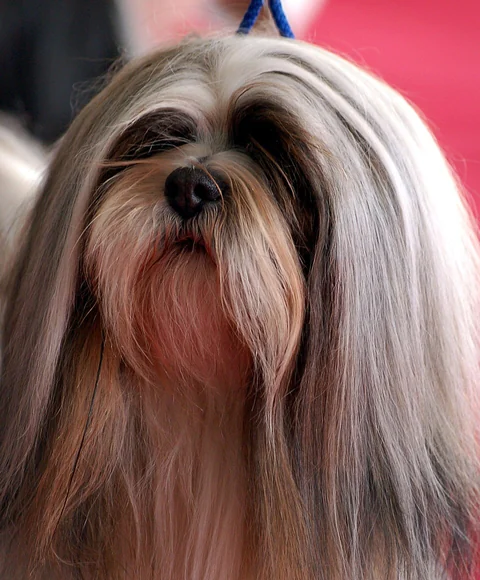
Tibetan companion and watch dog
Lhasa Apso
A small, sturdy Tibetan dog with long hair and an independent mind. Once an indoor sentinel, it notices noises and visitors. Its size is manageable, but maintaining the coat is a daily task.
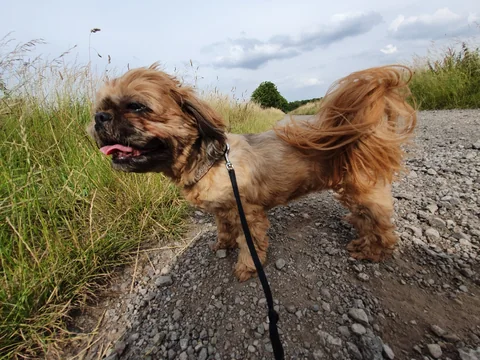
Companion dog
Shih Tzu
The Shih Tzu is a small, affectionate companion with a long coat. It enjoys short exploring walks and needs careful daily grooming. Its short muzzle also makes breathing and hot weather important considerations.
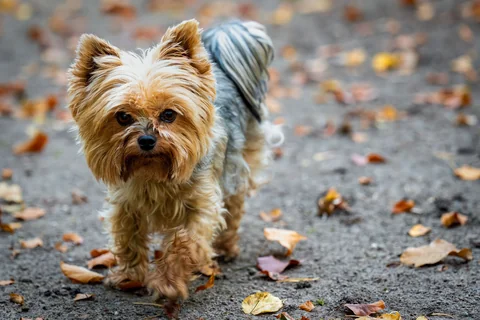
Companion dog
Yorkshire Terrier
The Yorkshire Terrier is small but often curious and active on walks. Its long coat needs daily care, and its slight build calls for care around children and larger dogs.
Sources and photograph credit
- Teaching your dog to be left alone
Used in this profile for: Staying home alone
- Computed tomographic characteristics of craniomandibular osteopathy in 20 dogs
Used in this profile for: Health
- Canine von Willebrand Disease
Used in this profile for: Health
- Scottish Terrier dog breed information
Used in this profile for: Temperament, Everyday life, Day-to-day care, Health, Could this breed fit your life?
- Scottish Terrier health statement
Used in this profile for: Could this breed fit your life?
- Scottish Terrier Club of America Health Statement, effective January 2025
Used in this profile for: Health
- Scottish Terrier, Breeds A to Z
Used in this profile for: Temperament, Everyday life, Day-to-day care, Health, Lifespan, Could this breed fit your life?
- Scottish Terrier breed standard
Used in this profile for: Size / Weight, Temperament, Day-to-day care, Size and build, Could this breed fit your life?
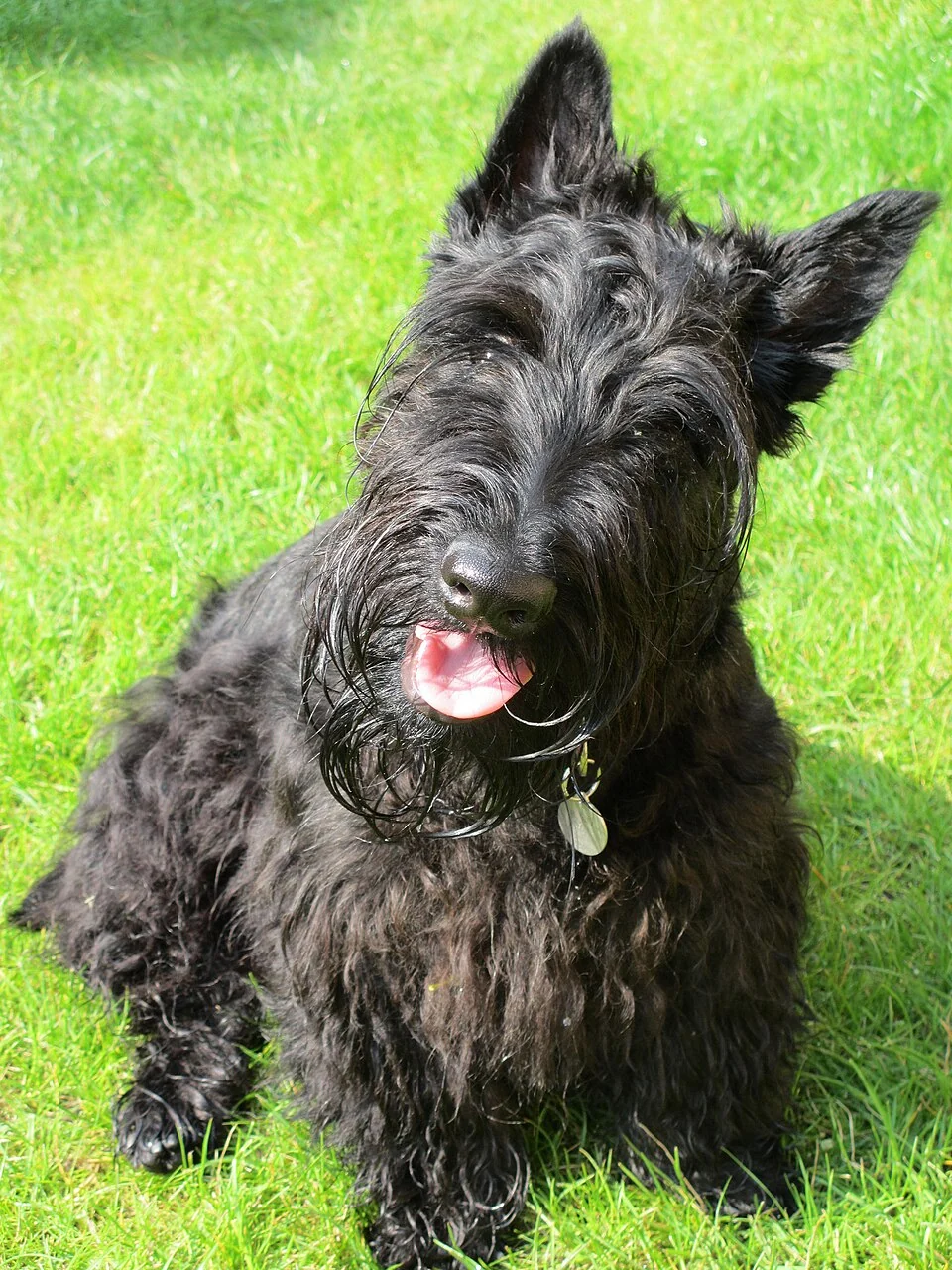
Portrait · Scottish terrier · Cheryl Brind · CC BY 2.0 · Edited

Side view · SKOTSK TERRIER, IT CH Raglan Rachel Rose · Johan Frick-Meijer / Svenska Mässan · CC BY 2.0 · Edited

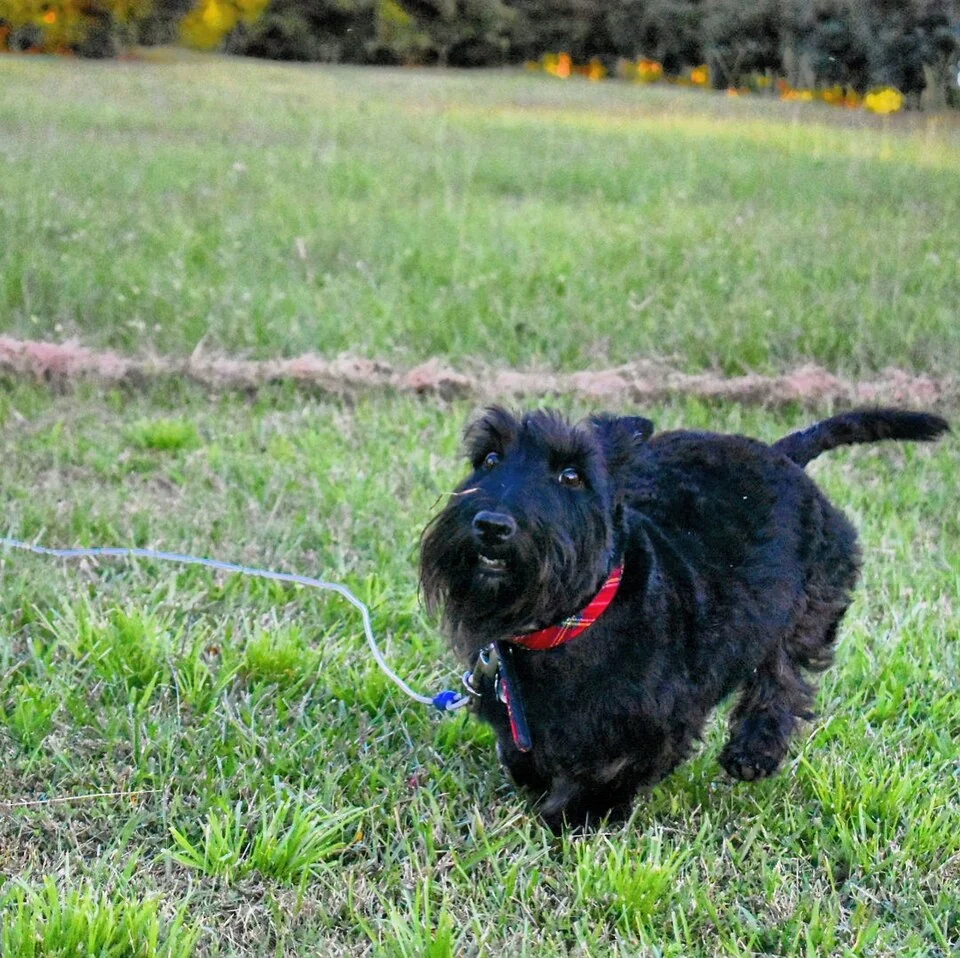
In action · Scottie Running · Elise Carroll · CC BY-SA 4.0 · Edited

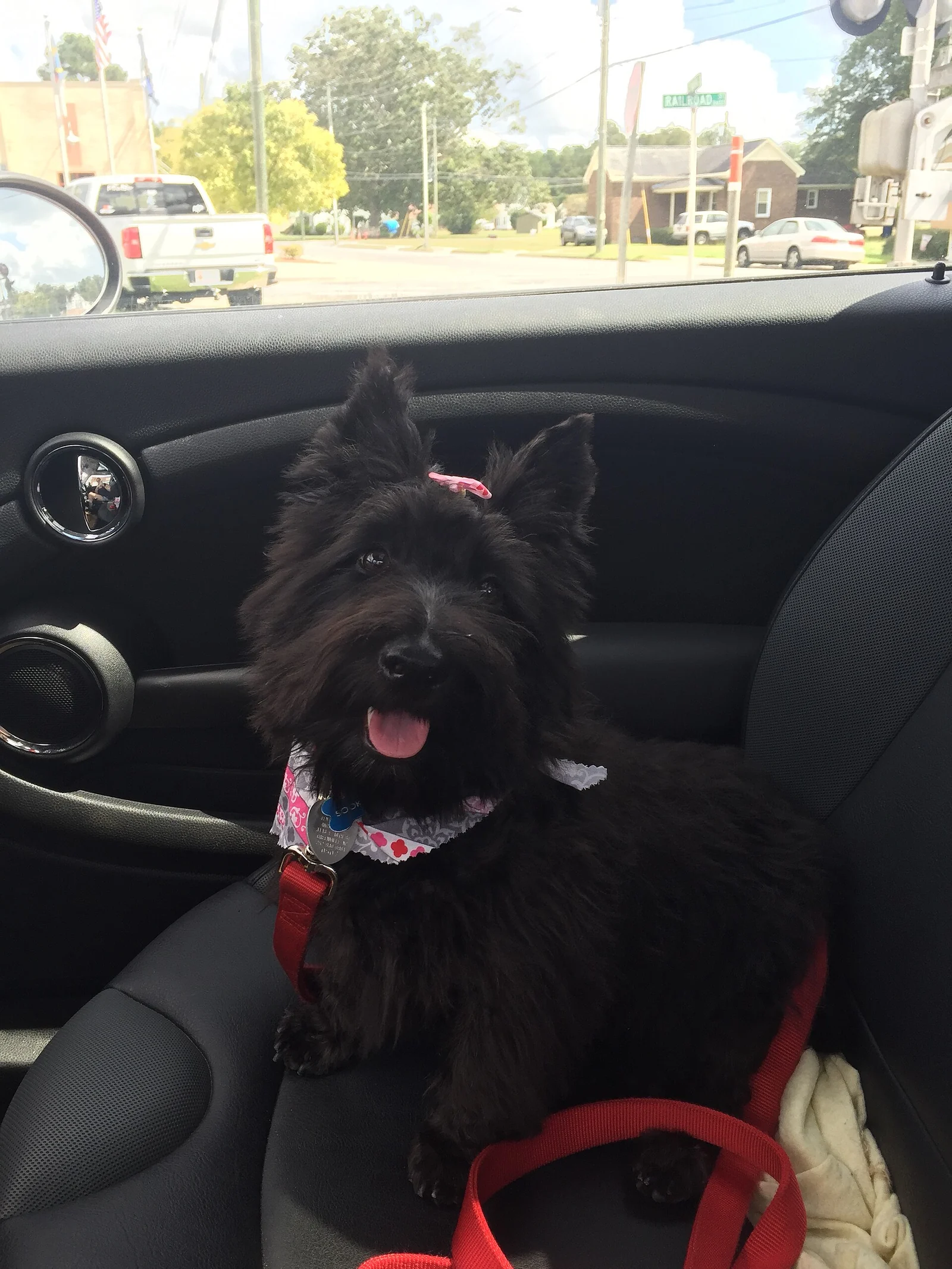
Puppy · Scottie puppy · Elise Carroll · CC BY-SA 4.0 · Edited
