 fellfolio
Tibetan companion and watch dog
Lhasa Apso
A small, sturdy Tibetan dog with long hair and an independent mind. Once an indoor sentinel, it notices noises and visitors. Its size is manageable, but maintaining the coat is a daily task.
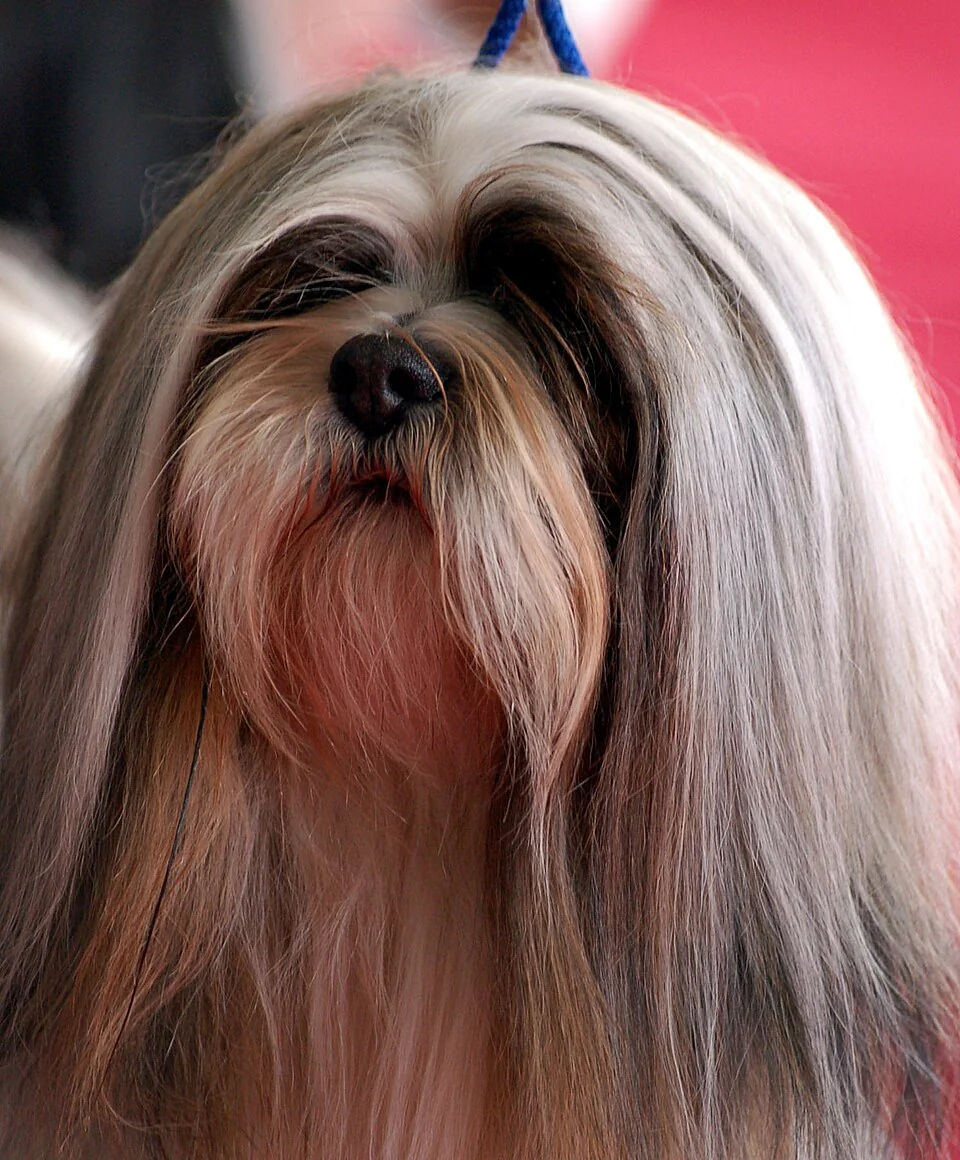
At a glance
- Size
- Small
- Lifespan
- over 12 years
- Activity
- Moderate
- Grooming
- Daily
- Training
- Patience & clear guidance
- Owner experience
- First dog with support
Alert indoors, reserved with strangers
Lhasa Apsos lived in Tibetan monasteries and homes as companions and watchful sentinels. Indoors they noticed visitors and alerted to anything unusual. The British standard describes an alert, steady dog that may be somewhat reserved with strangers. It may watch a visitor for a while before choosing to approach.
Let a Lhasa look at new people from a distance. Reward calmness and give it the choice to approach later. Every guest does not need to pick it up. Short exercises are often more engaging than many identical repetitions: a recall through the hallway, waiting at the front door or finding a hidden toy. The American Kennel Club favours kind, varied training. If it barks at the front door, call it to you and reward it for coming before the visitor enters.
Everyday life
The Royal Kennel Club gives up to an hour of daily exercise as a guide. A Lhasa can live in an apartment if it has walks, play and chances to explore. On city walks, calmly practise passing other dogs and turning back to you after a noise. Practise a recall cue without distractions first. You can then use it to call the dog away from the front door when the bell rings.
A Lhasa enjoys exploring on its own feet. Safe routes should give it opportunities to walk and sniff. Stairs and jumps should suit the individual dog’s condition. Hair along the belly and feet stays damp after wet walks, so allow time to dry it thoroughly.
Staying home alone
Dogs learn to stay home alone in small steps. The RSPCA advises no more than four hours at a time. Puppies and dogs that become unsettled when left alone need shorter absences and gradual practice. Arrange someone to care for your dog when you will be away longer.
Everyday dog training: recall, a loose lead and clear communication ↗
Day-to-day care
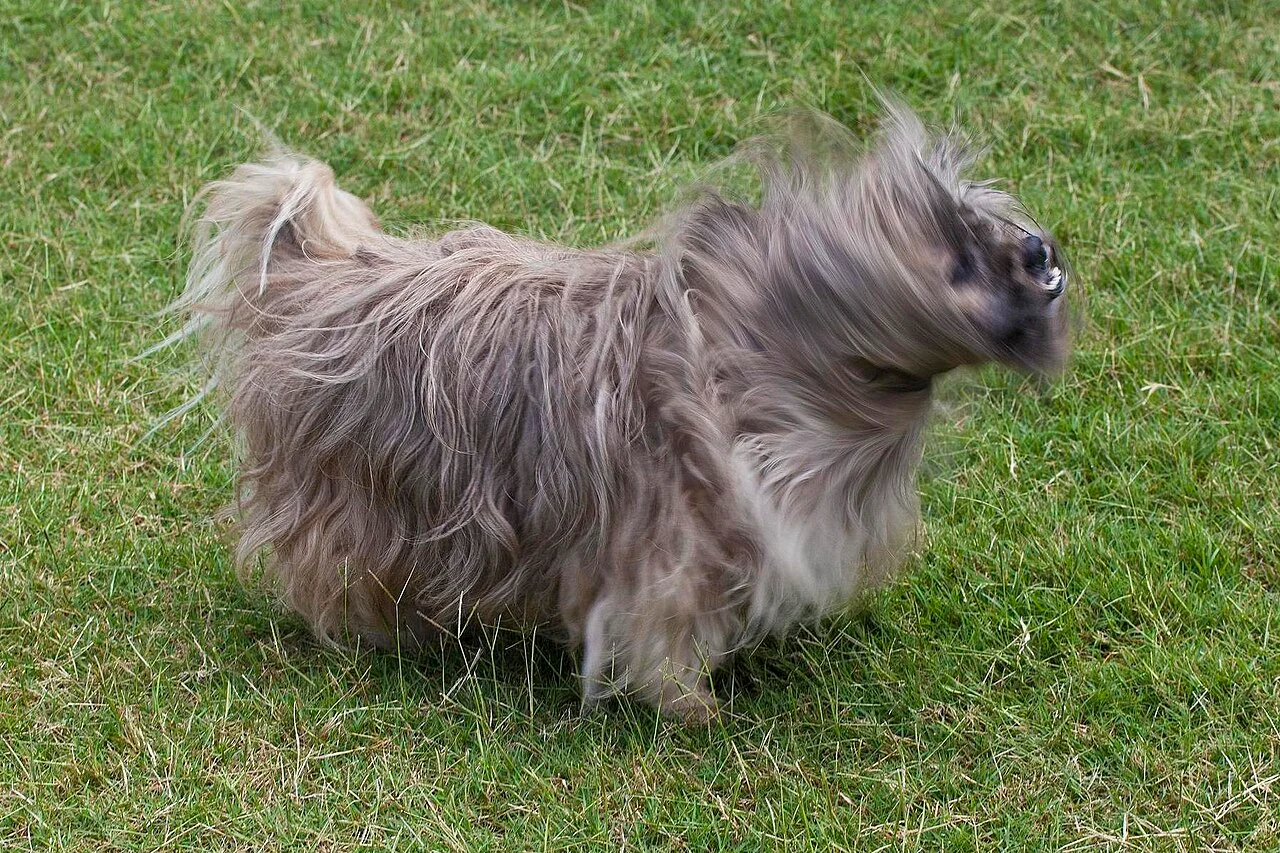
A long, heavy outer coat with some underfur falls down the sides of the body. Without regular combing, firm mats form around the armpits, ears and belly. Brush daily in small sections down towards the skin. Hair over the eyes must not block vision; loosely tie it away or keep it suitably trimmed. The British standard explicitly requires that the dog be able to see and move despite its head hair.
A shorter cut makes care more practical but does not remove it. Even clipped hair needs washing, thorough rinsing, drying and brushing. AKC notes that damp hair mats quickly. Check the eyes and ears during grooming. Persistent blinking, discharge or red skin calls for an examination.
Size and build
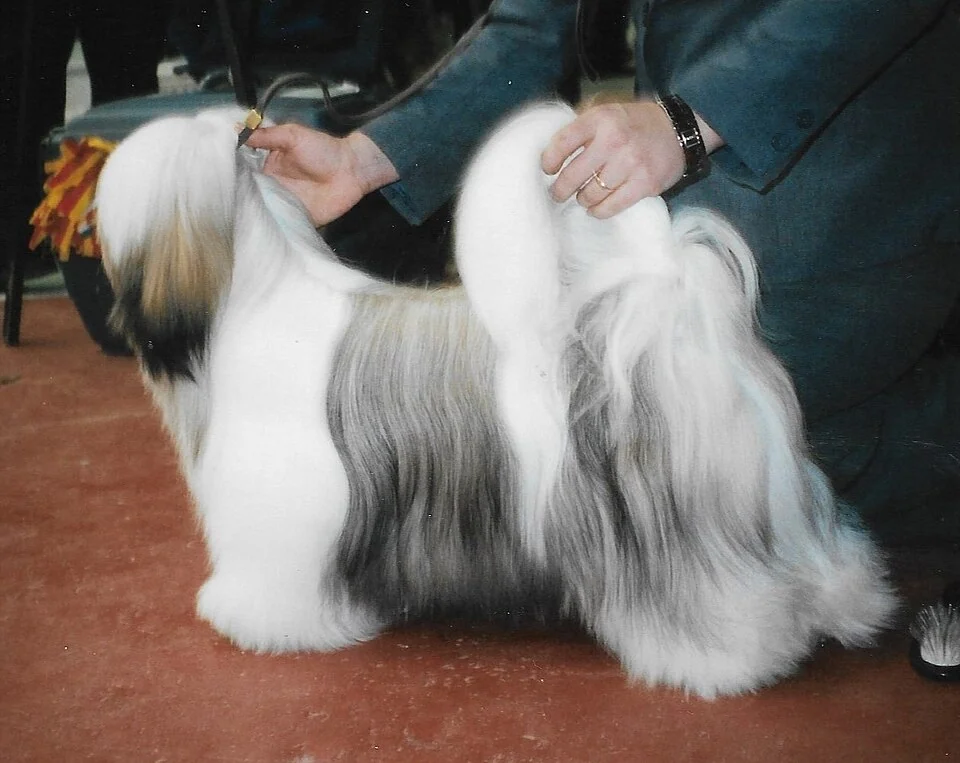
The Lhasa Apso is small but solid. Its body is slightly longer than tall, the back level and the tail carried high over it. Beneath the long hair are strong straight front legs and well-muscled back legs. The head is not apple-shaped, and dark eyes should be neither prominent nor deeply sunken. Outer hair is long, straight and rather firm than silky; many colours occur.
The British standard gives about 25 cm at the shoulder as an ideal for males, with females a little smaller. It does not give one general weight interval. What matters is being able to judge eyes, gait and body shape even when the coat is kept long. Excess hair that interferes with seeing or walking is not useful.
From puppy to senior: caring for your dog through every life stage ↗
Health
The Royal Kennel Club recommends a DNA test for PRA4, an inherited condition in which the retina gradually loses function and vision deteriorates, and eye examinations for breeding dogs. Ask for both parents’ results. The American Kennel Club also lists dry eye, slipping kneecaps and inherited kidney dysfunction as concerns. AKC says there is no reliable carrier test for the kidney condition, so ask directly about illness in the family and how the breeder addresses it.
Have the dog checked if it struggles to see at dusk, blinks continually or has a dry, red eye. Repeated hopping on three legs may point to a kneecap problem. Ask a vet to investigate increased thirst or more frequent urination too.
Could this breed fit your life?
Could work well if …
- You like a small, watchful dog and respect that it may take time with strangers.
- You can make time for daily coat care or arrange a shorter cut with regular upkeep.
May be less suitable if …
- You want a dog every visitor can immediately lift and cuddle.
- You assume low shedding must mean little grooming.
Similar needs, different dogs.
Selected by shared size, activity, grooming and training characteristics.
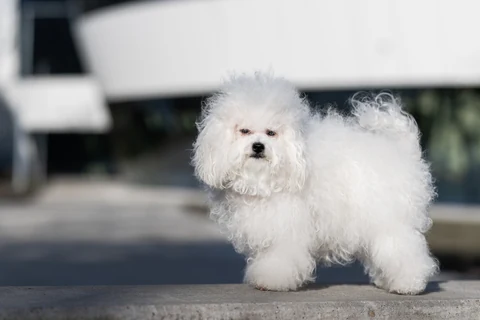
Companion dog
Bolognese
The Bolognese is a small white dog with a soft coat that falls in loose tufts. It comes from Italy and is closely associated with Bologna. Life with one involves company, walks with time to sniff and careful coat care. If you are looking for a fairly quiet small dog, that daily grooming should be part of your plans from the start.
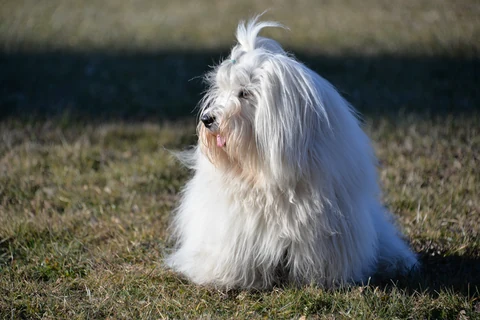
Companion dog
Coton de Tuléar
The Coton de Tuléar is a small companion dog from Madagascar. Its name refers to its soft, cotton-like coat and to the Malagasy city of Tuléar. It is known as a sociable, playful dog. That appealing appearance comes with a task that is easy to underestimate: the long coat needs thorough daily care.
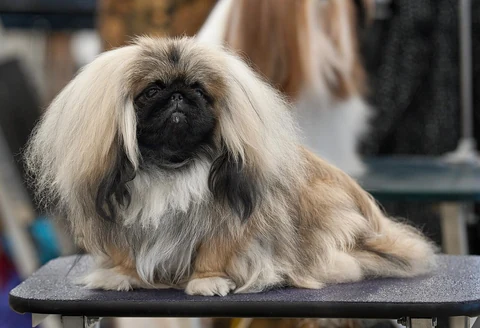
Small Chinese companion with a dense mane
Pekingese
The Pekingese is a small, sturdy companion with a dense mane and a long history in China’s imperial palaces. It can be devoted to familiar people while retaining strong opinions of its own. Its short face and demanding coat care deserve close attention, even when its exercise needs seem modest.
Sources and photograph credit
- Teaching your dog to be left alone
Used in this profile for: Staying home alone
- Lhasa Apso Dog Breed Information
Used in this profile for: Temperament, Everyday life, Day-to-day care, Health, Could this breed fit your life?
- A LINE-1 insertion situated in the promoter of IMPG2 is associated with autosomal recessive progressive retinal atrophy in Lhasa Apso dogs
Used in this profile for: Health
- Lhasa Apso, Breeds A to Z
Used in this profile for: Temperament, Everyday life, Health, Lifespan, Could this breed fit your life?
- Lhasa Apso breed standard
Used in this profile for: Size / Weight, Temperament, Day-to-day care, Size and build
Photo credits
Portrait · Lhasa apso portret · Lilly M · CC BY-SA 3.0 · Edited

Side view · DocFile Lhasa · Canarian · CC BY-SA 4.0 · Edited

In action · 20,000 photo -Mena having a head shake-1= · Sheba_Also 43,000 photos · CC BY-SA 2.0 · Edited

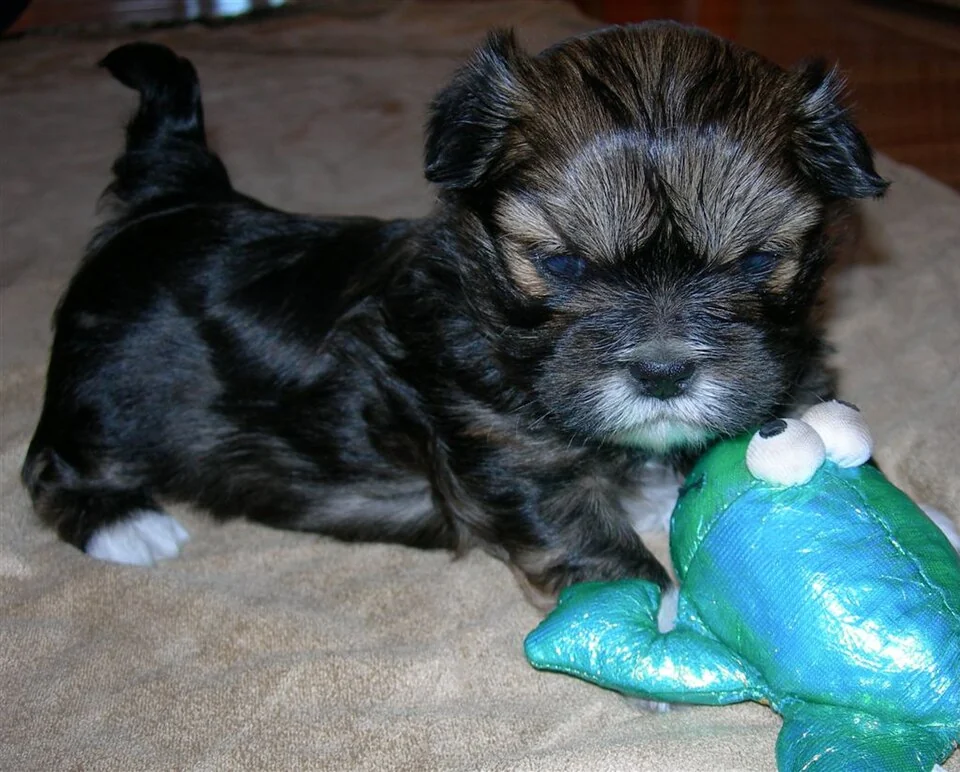
Puppy · Lhasa Apso Puppy Image 001 · lisaschaos · CC BY 2.0 · Edited
