 fellfolio
Large Scottish sighthound with a rough coat
Scottish Deerhound
The Scottish Deerhound is a very large, long legged sighthound with a rough coat. Adults can look remarkably quiet indoors, but need exercise and secure opportunities to run outside. Its background as a deer hunter matters around wildlife and small pets, while its size shapes everyday practical arrangements.
At a glance
- Size
- Large
- Lifespan
- Not sufficiently documentedWhy is there no reliable range?
- Activity
- High
- Grooming
- Several times weekly
- Training
- Patience & clear guidance
- Owner experience
- Experience recommended
A large sighthound with a Scottish history
Sighthounds hunt primarily by sight. A fleeing animal can capture their attention within seconds. The Deerhound was developed in Scotland to hunt red deer. Its rough coat and powerful body suited this work across open country. Similar dogs have been known for centuries, and purposeful breeding helped preserve the increasingly rare type during the nineteenth century.
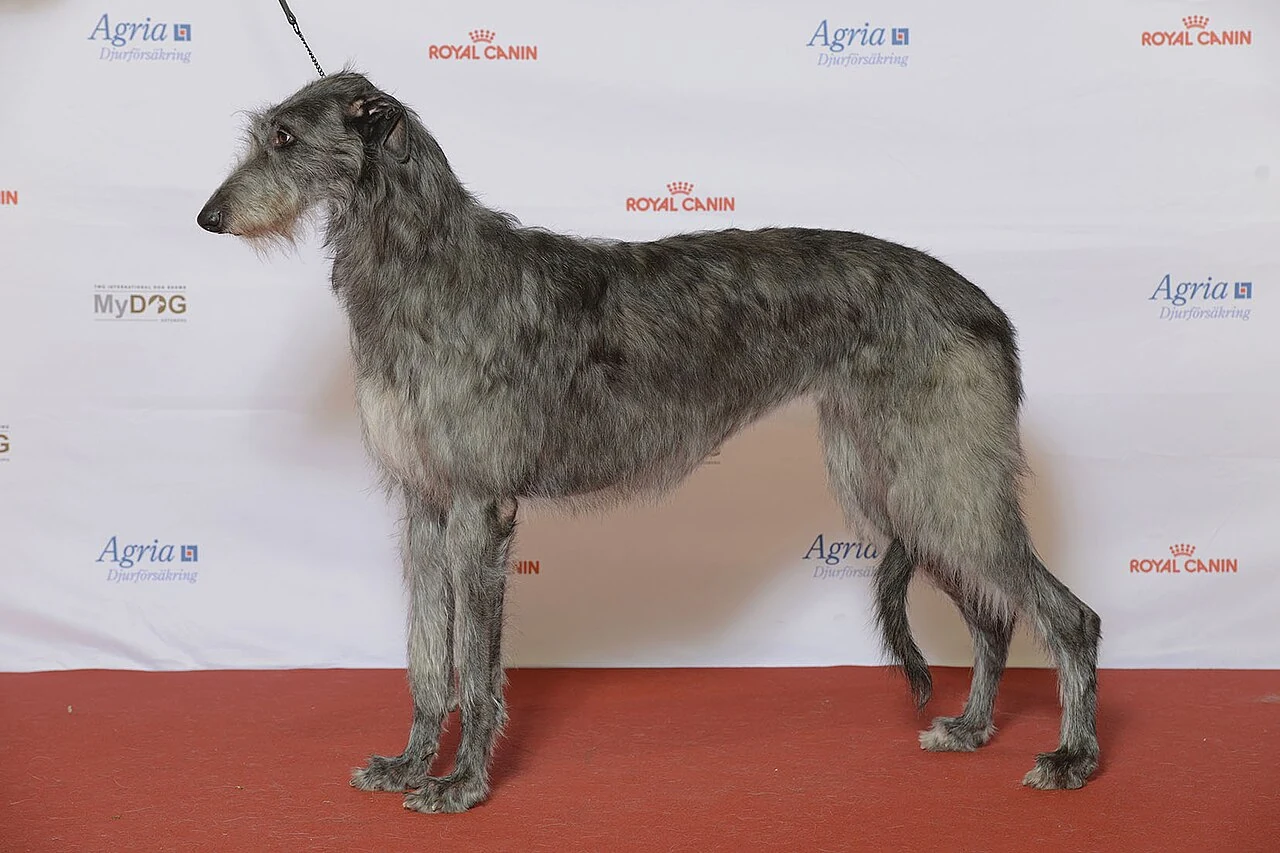
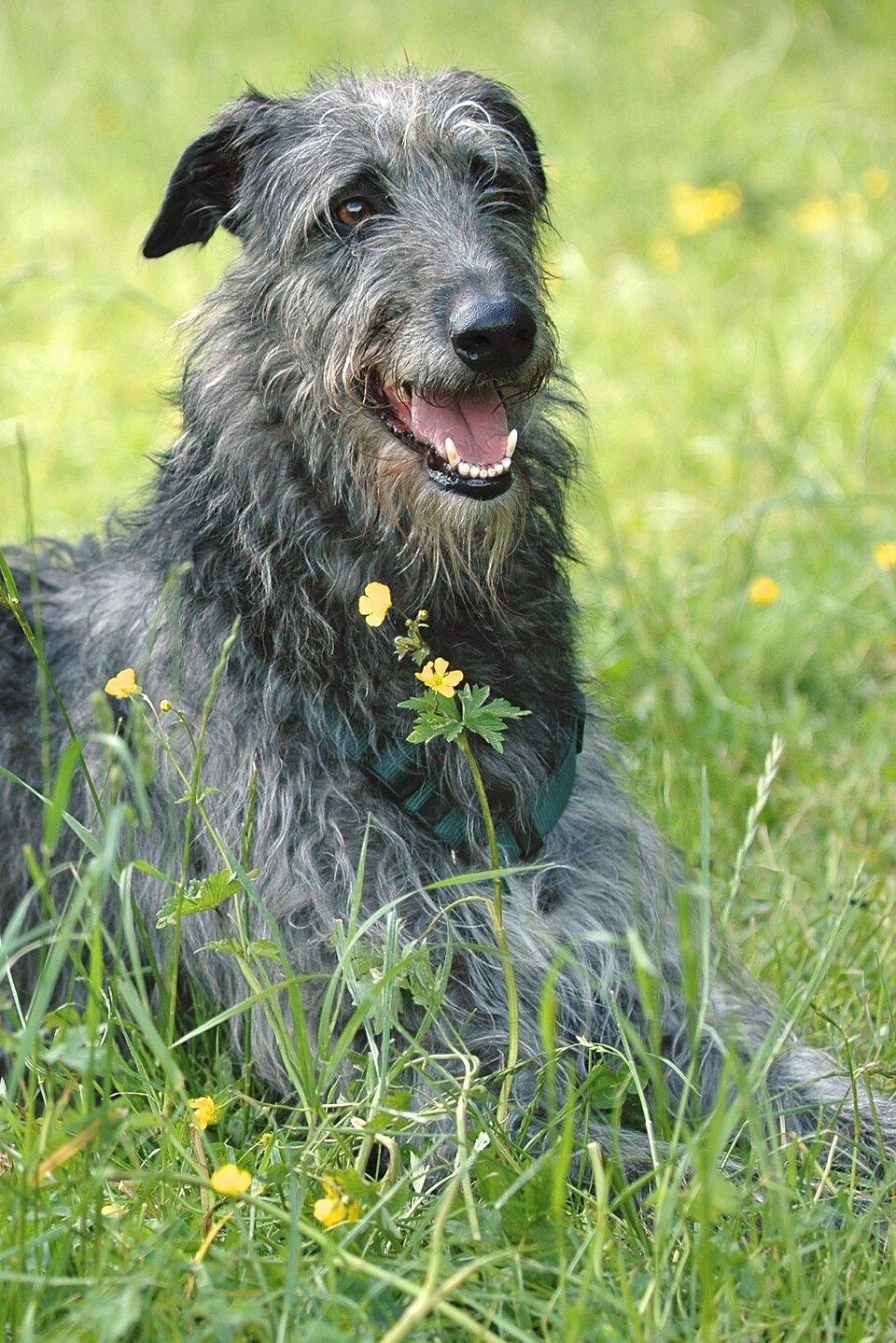
The international canine organisation FCI gives desirable minimum heights of 76 centimetres for males and 71 centimetres for females. Approximate weights are 45.5 and 36.5 kilograms respectively. A deep chest, long body and powerful hindquarters allow a substantial running stride. Hair is harsh and rough on the body, softer on the head and chest. The coat is often grey or blue grey, with red fawn dogs also seen.
Many adult Deerhounds enjoy a comfortable place near their people indoors. A young dog may still be very lively. An adult should supervise games with children, because even a friendly greeting can carry considerable force. Rabbits and other small prey animals should be kept physically separate. Even with a familiar cat, the individual dog’s response to quick movement needs careful assessment.
Everyday life
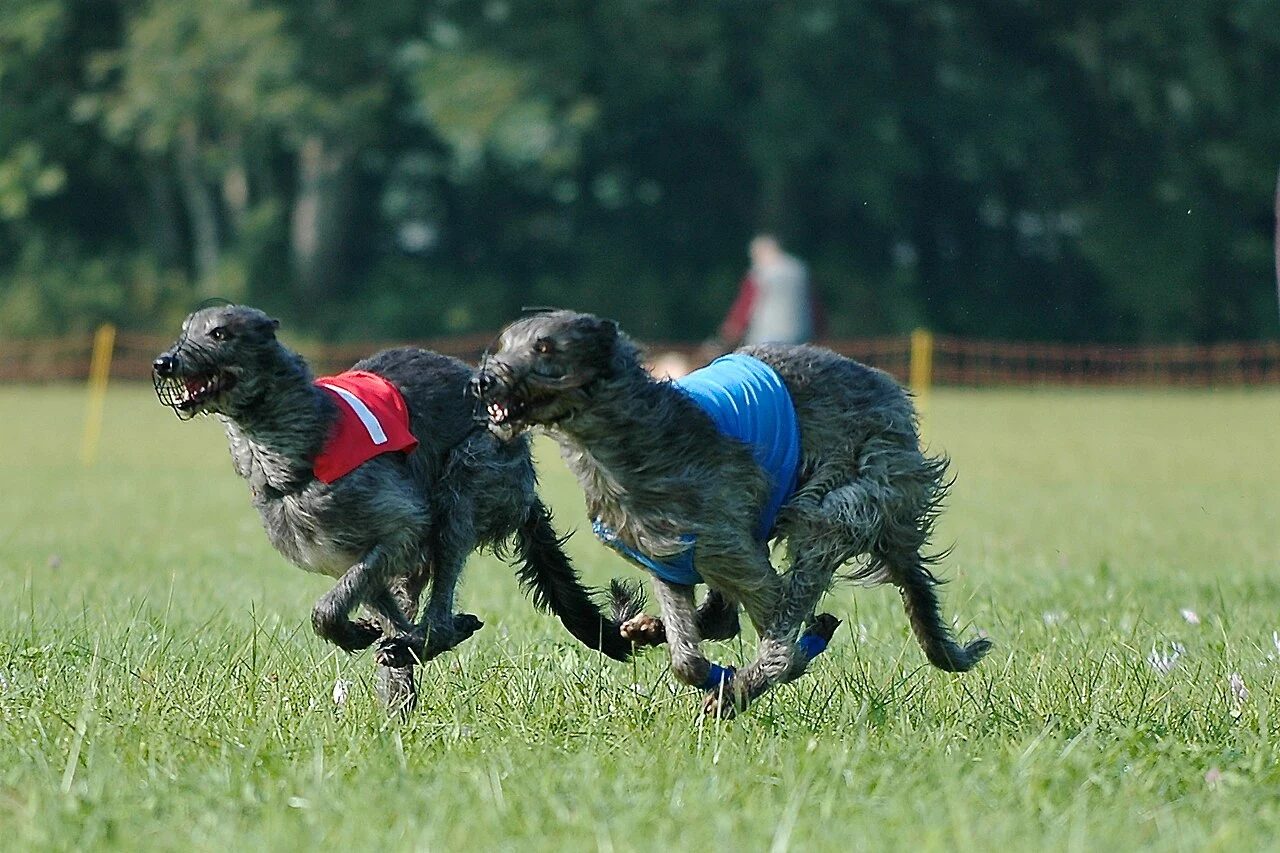
A Deerhound needs daily exercise and opportunities to use its long legs safely. A sufficiently large, fully fenced area is especially valuable. On open routes, it should remain secured where an unwanted chase after wildlife cannot reliably be prevented. Returning when called can be taught with rewards, initially without strong distractions.
Walks, shared explorations and calm training complement free running. Pressure and harsh handling suit a sensitive dog poorly. After demanding exercise, it needs recovery on a comfortably padded bed. Space indoors, suitable transport in the car and a carer able to handle such a large dog should all be arranged before it arrives.
A Deerhound should not spend the whole day alone in a kennel or crate. Human company belongs in a suitable home. Time alone should be introduced gradually, with care arranged for longer absences. Fellfolio’s cost planner helps consider substantial food portions, transport, care and veterinary reserves together.
Staying home alone
Dogs learn to stay home alone in small steps. The RSPCA advises no more than four hours at a time. Puppies and dogs that become unsettled when left alone need shorter absences and gradual practice. Arrange someone to care for your dog when you will be away longer.
Everyday dog training: recall, a loose lead and clear communication ↗
Day-to-day care
The rough coat should be brushed several times a week and checked with a suitable comb. Softer areas can develop knots. After an outing across country, a check of the skin, paws and spaces between the toes can reveal little injuries or trapped plant material.
Nails should not interfere with comfortable movement. Regular brushing with dog toothpaste is useful for a large dog too. Pleasant grooming practice early in life makes handling easier later, when considerable weight and long legs need accommodating in the grooming or consulting room. New swellings, painful areas or changes in movement should be examined by a vet.
Size and build
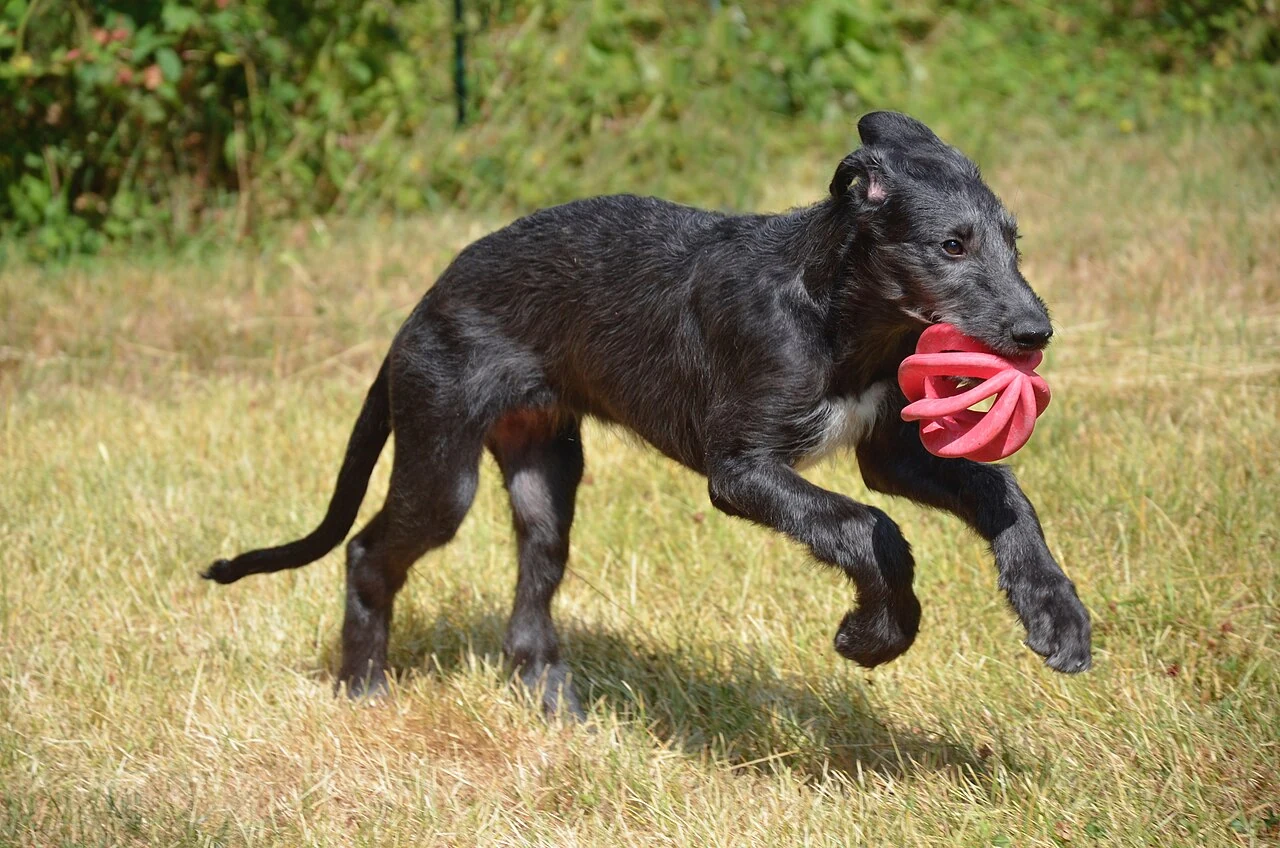
A Deerhound puppy will grow into a very large dog. Little walks, exploration and free play with breaks suit it better than a strict endurance programme. Long runs alongside a bicycle and repeated high jumps should wait while bones and joints are maturing. A safe environment should still provide room for movement appropriate to its age.
In adulthood, quiet hours at home can coexist with a strong enjoyment of running. Later in life, routes, beds and access to the car should be adapted to its mobility. Sudden lameness or a marked loss of stamina needs investigation. Fellfolio can bring observations, weight records and veterinary findings together. This also helps carers when the dog needs more everyday support.
From puppy to senior: caring for your dog through every life stage ↗
Health
Examination results are especially important before a Deerhound has surgery. The American breed club recommends DNA tests for factor VII deficiency and an inherited tendency towards delayed bleeding after procedures. Factor VII is part of the blood clotting process. A deficiency can worsen bleeding during injury or surgery. The other tested predisposition can cause substantial bleeding that begins days later. The veterinary team should therefore know the results in advance and plan treatment accordingly.
The club also identifies testing for congenital blood vessel connections that allow blood to bypass the liver, together with heart examinations. A heart muscle disease can cause the heart to enlarge and pump less effectively. Before choosing a puppy, you should ask which examinations have been performed on it and its parents. Persistent lameness needs careful assessment too, as bone tumours are among the conditions seen in the breed.
For a large dog with a deep chest, a twisted stomach is another important emergency. The stomach expands with gas and may rotate. Restlessness, an increasingly swollen abdomen and unsuccessful retching need immediate veterinary help. A Fellfolio emergency card can hold contacts and important test results so that they are readily available when needed.
Lifespan
A Deerhound’s lifespan depends partly on health and family background. Estimates from breed organisations differ, so we do not give a fixed age range here.
Could this breed fit your life?
Could work well if …
- You can provide secure running opportunities, daily exercise and plenty of time together.
- You have space and suitable transport for a very large dog.
- You understand a sighthound’s hunting behaviour or can obtain experienced guidance.
What to consider
- Fleeing wildlife and small animals can trigger an immediate chase.
- Space, transport and care should be arranged for a very large dog.
- Clotting test results should be discussed with the veterinary team before surgery.
Similar needs, different dogs.
Selected by shared size, activity, grooming and training characteristics.
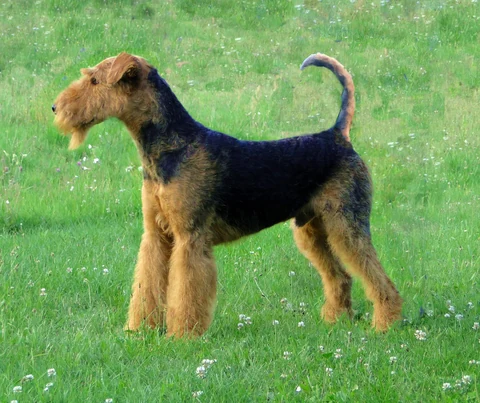
Large terrier from Yorkshire
Airedale Terrier
With its wiry coat, long head and distinctive beard, the Airedale is hard to miss. It is the largest terrier and shares much of the curiosity and independence of its smaller relatives. The breed originated along Yorkshire’s rivers, where dogs were needed for hunting on the banks. Today it suits people who enjoy being out with their dog, train patiently and make time for regular coat care.
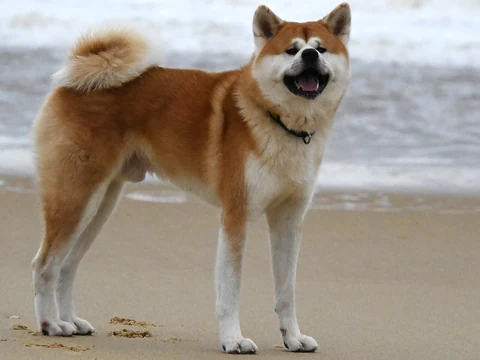
Japanese spitz with a dense undercoat
Akita
The Japanese Akita is a large dog with a dense undercoat, upright ears and a curled tail. It can form close bonds with familiar people while remaining more reserved with strangers. Its independence and hunting instincts suit people willing to guide encounters calmly and work with it regularly.
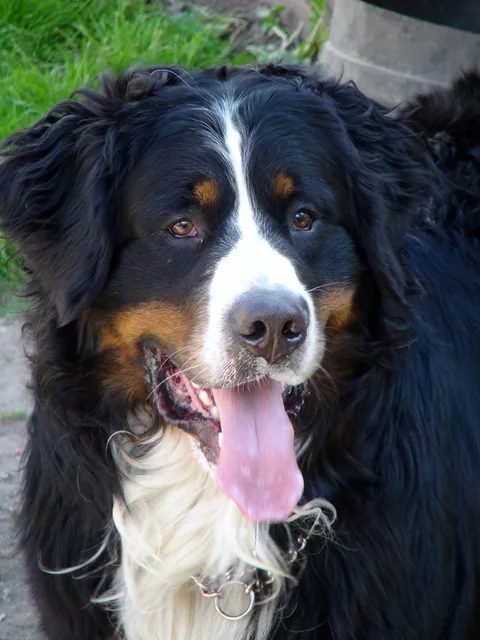
Swiss mountain dog
Bernese Mountain Dog
This large Swiss farm dog likes being close to its people. Start lead training early, groom its thick coat regularly and plan summer walks for the cooler parts of the day.
Sources and photograph credit
- Teaching your dog to be left alone
Used in this profile for: Staying home alone
- Gastric Dilatation Volvulus
Used in this profile for: Health
- Scottish Deerhound
Used in this profile for: Temperament, Everyday life, Day-to-day care, Size and build, Lifespan, Could this breed fit your life?
- The Breed
Used in this profile for: Temperament, Everyday life, Size and build, Could this breed fit your life?
- Deerhound Health 101
Used in this profile for: Health
- Deerhound, FCI Standard No.164
Used in this profile for: Size / Weight, Temperament, Day-to-day care
- Deerhound
Used in this profile for: Temperament, Day-to-day care, Lifespan, Could this breed fit your life?
- Exercising your puppy
Used in this profile for: Size and build
- Training Your Dog to Be Left Alone
Used in this profile for: Everyday life
- Children and Dogs
Used in this profile for: Temperament
- Dog dental care
Used in this profile for: Day-to-day care
- Train Your Dog to Come When Called
Used in this profile for: Everyday life
- Training your dog
Used in this profile for: Everyday life
Photo credits
Side view · Grupp 10, SKOTSK HJORTHUND, SEJV-12 SE UCH Necesse’s Ars Amandi (23664806293).jpg · Johan Frick-Meijer / Svenska Mässan · CC BY 2.0 · Edited
.jpg)
In action · Deerhound en coursing.jpg · Manializa · CC BY-SA 4.0 · Edited

Coat and features · Deerhound portrait.jpg · Manializa · CC BY-SA 4.0 · Edited

Puppy · Deerhound, chiot.jpg · Manializa · CC BY-SA 4.0 · Edited
