 fellfolio
Large terrier from Yorkshire
Airedale Terrier
With its wiry coat, long head and distinctive beard, the Airedale is hard to miss. It is the largest terrier and shares much of the curiosity and independence of its smaller relatives. The breed originated along Yorkshire’s rivers, where dogs were needed for hunting on the banks. Today it suits people who enjoy being out with their dog, train patiently and make time for regular coat care.
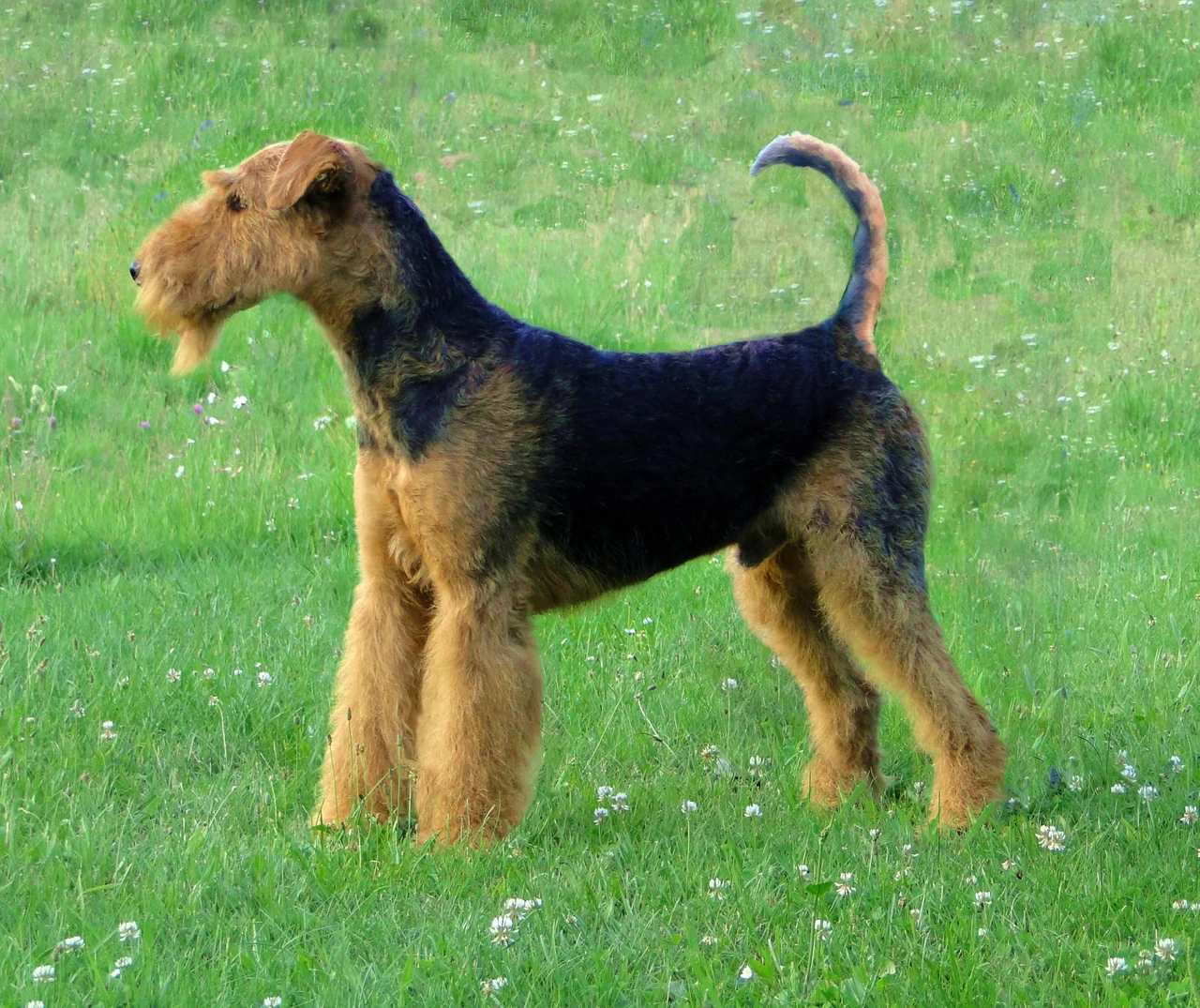
At a glance
- Size
- Large
- Height at shoulder
- 56 to 61 cm
- Lifespan
- over 10 years
- Activity
- High
- Grooming
- Several times weekly
- Training
- Patience & clear guidance
- Owner experience
- Experience recommended
Curious, confident and keen to join family life
The international breed standard describes the Airedale as confident, friendly and alert. The Airedale Terrier Club of America emphasises its enjoyment of activity and being close to its family. That does not mean every Airedale takes every encounter in its stride. With an adult dog, you should ask about its previous experiences with visitors, children and other animals.
As a terrier, it may have a strong interest in wildlife and small animals. A rabbit darting past or a running cat can be more compelling than your call. Recall should therefore be practised early in easy situations. Where it is not yet reliable, a lead is useful. A long line, a longer lead that gives the dog more room to move, can help with practice and should be handled safely. Small pets should be protected from direct contact.
During play, you should take an Airedale’s size and strength into account. Children need an adult who supervises and recognises when the dog is becoming too excited. An Airedale should also be able to retreat and rest undisturbed. If you already have a dog, the first meetings should be arranged calmly. They give you a chance to observe whether both dogs remain relaxed or one needs more space.
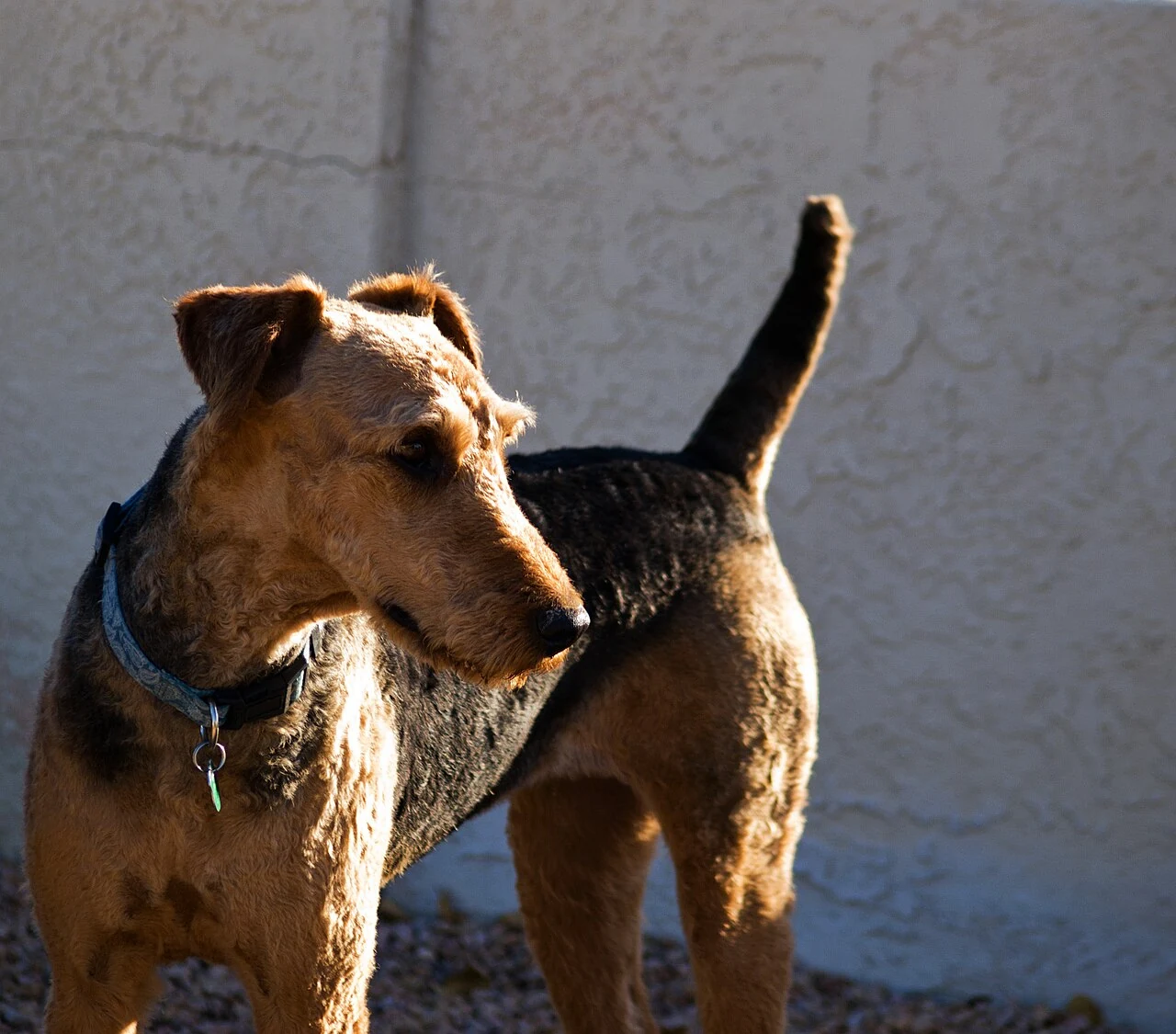
Everyday life
An Airedale wants regular opportunities to explore. Walks with time to sniff, a search game in the garden or a new training exercise add variety. A large plot of land alone does not provide enough to do. The American breed club emphasises exercise in a safe area and being included in family life.
Searching for a familiar toy gives the dog a chance to use its nose. The toy should be easy to see at first, then hidden in simple places. If you want to develop scent work further, you could try tracking with an experienced instructor. The dog learns to follow the scent left by a person’s footsteps. The American breed club lists tracking among its activities for Airedales. Suitable activities should reflect your dog’s age, fitness and joint health.
Clear tasks and worthwhile rewards help with training. The RSPCA, a British animal welfare charity, recommends short, regular sessions with few distractions at the start. If an exercise is not working, you should make it easier. Recall, walking on a loose lead and waiting calmly are useful priorities for everyday training.
After exercise and training, your dog needs time to sleep and relax. Time alone should be introduced gradually. Regular long absences need dependable care arrangements. Prolonged barking, panting or pacing when you leave can indicate distress. You should then seek veterinary advice and, where needed, help from a qualified behaviour professional.
Staying home alone
Dogs learn to stay home alone in small steps. The RSPCA advises no more than four hours at a time. Puppies and dogs that become unsettled when left alone need shorter absences and gradual practice. Arrange someone to care for your dog when you will be away longer.
Everyday dog training: recall, a loose lead and clear communication ↗
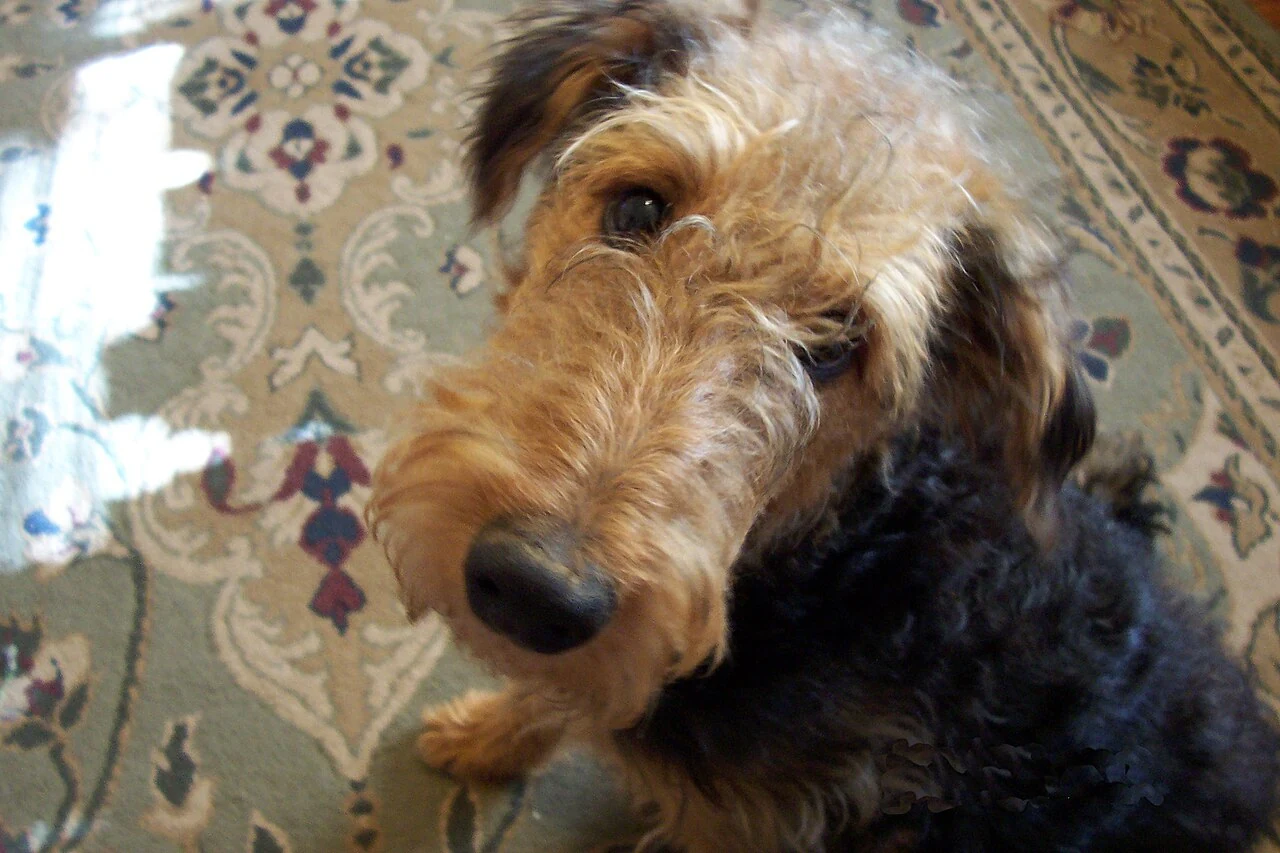
Day-to-day care
The coat has a hard, wiry outer layer and a shorter, softer undercoat beneath. Regular brushing and combing are needed. Food can collect in the beard, while the legs and belly pick up dirt on walks. These areas should be checked and cleaned or gently detangled as needed, before tight knots develop.
Wiry coat care often includes hand stripping, the removal of dead, loose hairs by hand or with suitable tools. This is a different technique from shortening the coat with clippers. A groomer experienced in wire-coated dogs should demonstrate it or carry it out. For a family dog, they can also advise whether a combination of trimming and removing loose undercoat is suitable. What matters is a well-maintained coat and a dog that is comfortable during grooming, without pain or unnecessary stress. How often hand stripping is needed depends on the coat’s growth and condition.
The breed sheds relatively little, but is not automatically suitable for someone with a dog allergy. Regular grooming is still needed. Brushing is also a chance for brief checks of skin, paws, ears and nails. Toothbrushing with dog toothpaste should be introduced gradually and ideally become a daily habit. New skin redness, repeated head shaking or pain when eating should be assessed by a vet.
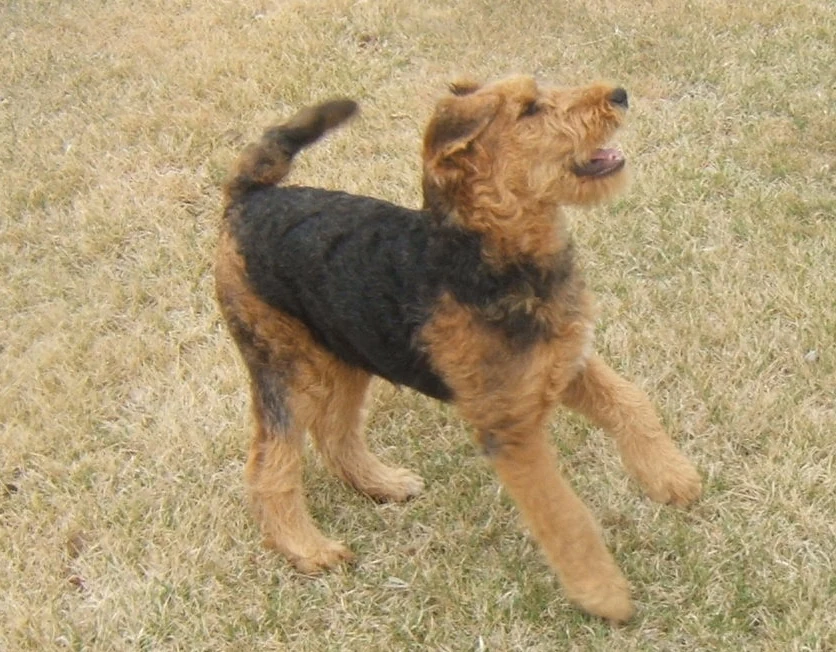
Size and build
The Airedale originated in Yorkshire in northern England. Its ancestors worked on the banks of the Aire, Wharfe and Calder, which explains the name Waterside Terrier. These dogs were used for hunting around water and controlling vermin. Airedales later took on a wide range of roles. During the World Wars they worked as messenger and tracking dogs, as well as serving with the Red Cross.
The Fédération Cynologique Internationale, or FCI, lists the breed in Standard No. 7. The standard gives approximate shoulder heights of 58 to 61 cm for males and 56 to 59 cm for females. The body is strong, the head long and the small V-shaped ears folded. The back has a black or dark grizzled marking, meaning a mixture of darker hairs, while most of the rest of the body is tan. The wiry coat and beard are characteristic features.
Its varied working background helps explain why an Airedale enjoys exploring, makes decisions of its own and may persist when a scent catches its interest. Search games and outings together can put that curiosity to good use. Safe places to exercise and patient training help in everyday life.
From puppy to senior: caring for your dog through every life stage ↗
Health
Before choosing a puppy, you should ask to see health records for both parents. Britain’s Royal Kennel Club recommends hip and elbow dysplasia screening for Airedales. Those results are more useful than a general assurance that the parents are healthy or particularly athletic.
Hip dysplasia means the hip joint has developed incorrectly and is too loose. Elbow dysplasia covers developmental abnormalities of the elbow joint. Both can cause pain and arthritis. Limping, stiffness after resting or difficulty rising should be assessed by a vet. Repeated changes still warrant investigation even if the dog moves more easily after a few steps.
A lean body condition and suitable exercise support the joints. Your vet should advise on feeding and appropriate activity for a growing dog. Portions should match development and activity, including rewards used in training. Repeated lameness should not be treated as something to work off with more exercise.
The Royal Kennel Club gives the breed’s lifespan as over 10 years. This is a breed guide, rather than a prediction for an individual dog. Preventive care includes breeding health checks, regular veterinary care and noticing changes in movement, skin or eating.
Could this breed fit your life?
Could work well if …
- You enjoy being outdoors and want to combine walks, search games and training with your dog.
- You can handle hunting interest and independence patiently and choose safe places for off-lead exercise.
- You plan regular coat care and appointments with an experienced groomer where needed.
What to consider
- The largest terrier is a strong, active dog that needs more than spending time in a garden.
- Hunting interest needs particular attention around wildlife, cats and small pets.
- A wiry coat needs regular care even if relatively few loose hairs collect around the home.
Similar needs, different dogs.
Selected by shared size, activity, grooming and training characteristics.
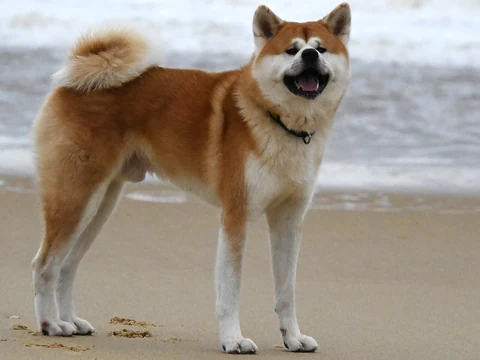
Japanese spitz with a dense undercoat
Akita
The Japanese Akita is a large dog with a dense undercoat, upright ears and a curled tail. It can form close bonds with familiar people while remaining more reserved with strangers. Its independence and hunting instincts suit people willing to guide encounters calmly and work with it regularly.
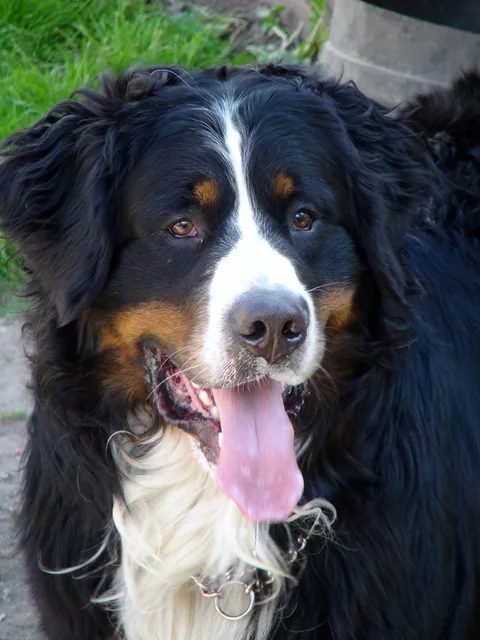
Swiss mountain dog
Bernese Mountain Dog
This large Swiss farm dog likes being close to its people. Start lead training early, groom its thick coat regularly and plan summer walks for the cooler parts of the day.
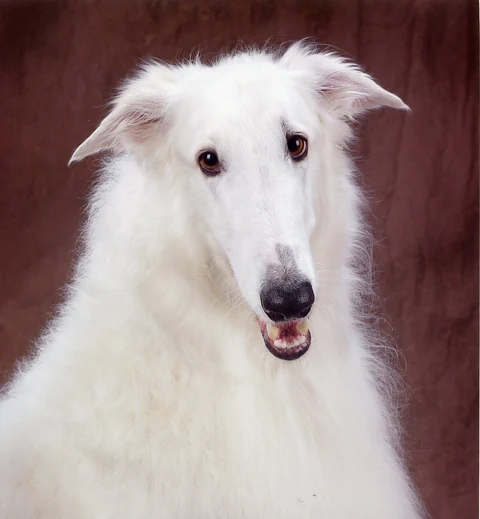
Sighthound
Borzoi
A very tall, lightly built sighthound with a long, easy stride. The Borzoi needs secure places to run and people who enjoy its independent nature.
Sources and photograph credit
- Teaching your dog to be left alone
Used in this profile for: Staying home alone
- Pet Allergies
Used in this profile for: Day-to-day care
- The Airedale
Used in this profile for: Temperament, Everyday life, Day-to-day care, Could this breed fit your life?
- Obedience, Rally and Tracking
Used in this profile for: Everyday life
- Airedale Terrier, FCI Standard No. 7
Used in this profile for: Size / Weight, Temperament, Day-to-day care, Size and build
- Airedale Terrier
Used in this profile for: Size and build, Health, Lifespan, Could this breed fit your life?
- Everything You Need to Know About Hand Stripping Dog Coats
Used in this profile for: Day-to-day care
- Elbow dysplasia
Used in this profile for: Health
- Canine hip dysplasia (CHD)
Used in this profile for: Health
- Dental disease in dogs
Used in this profile for: Day-to-day care, Health
- Grooming and bathing pets
Used in this profile for: Day-to-day care
- Separation-related behaviour
Used in this profile for: Everyday life
- Training your dog
Used in this profile for: Everyday life, Could this breed fit your life?
Photo credits
Side view · File:Airedale-terrier-charles14m.jpg · Zuni1520 · CC BY-SA 3.0 · Edited

Portrait · File:AIRDALE (6998246299).jpg · Dorian Wallender · CC BY-SA 2.0 · Edited
.jpg)
Coat and features · File:Izzers.jpg · Lisammathis · Public domain

Puppy · File:Airedale terrier four months old May 2014.jpg · Jd.101 · CC BY-SA 3.0 · Edited
