 fellfolio
Herding dog
German Shepherd
The German Shepherd is a strong working dog with plenty of stamina, a keen nose and an alert expression. It enjoys learning with its people, but daily life also calls for rest and a dependable way of handling visitors and other animals.
At a glance
- Size
- Large
- Height at shoulder
- 58 to 63 cm
- Weight
- 35 to 43 kg
- Lifespan
- over 10 years
- Activity
- Very high
- Grooming
- Several times weekly
- Training
- Demanding activities
- Owner experience
- Experience recommended
Giving alertness a useful direction
German Shepherds were originally bred to herd sheep. Today they also work with police and rescue teams. Their attentiveness, stamina and responsiveness to people help explain why. At home, a Shepherd may notice movement outside or a visitor at the door before anyone else does.
You can help your dog cope with visitors by teaching it to wait on a bed or mat. It helps to begin somewhere quiet, without the doorbell or a visitor to add excitement. You can reward your dog for staying on the mat briefly, then ask a familiar person to play the visitor once this has become easier. Greetings should wait until the dog has settled. If your Shepherd seems uneasy around strangers, more space and brief encounters without pressure can help. If it crowds visitors or struggles to settle, a qualified trainer or behaviourist can guide you. Scolding and pressure can make an uneasy dog more anxious.
Everyday life
The UK veterinary charity PDSA recommends at least two hours of daily exercise for adult German Shepherds, spread across several outings. Walks with time to follow scents and free movement in a securely fenced area provide variety. You can fit in a few minutes of recall or loose-lead practice along the way. The intensity of the exercise should suit the dog’s age, health and fitness.
At home, the dog needs time to sleep. A regular bed away from the front door helps when visitors come or children are playing. An adult should stay nearby when children are with the dog, particularly given its size and strength. If you are out for long workdays, you will need help with care rather than trying to fit all the dog’s activity into one evening.
If you have a cat, the dog’s previous behaviour around cats matters. Some Shepherds chase them, especially if they are not used to living together. Separate areas and short, supervised meetings allow a gradual introduction. The cat should always have a place to retreat where the dog cannot follow. Rabbits and other small pets should have living and exercise areas kept separate from the dog, so it cannot chase or crowd them.
Staying home alone
Dogs learn to stay home alone in small steps. The RSPCA advises no more than four hours at a time. Puppies and dogs that become unsettled when left alone need shorter absences and gradual practice. Arrange someone to care for your dog when you will be away longer.
Everyday dog training: recall, a loose lead and clear communication ↗
Day-to-day care
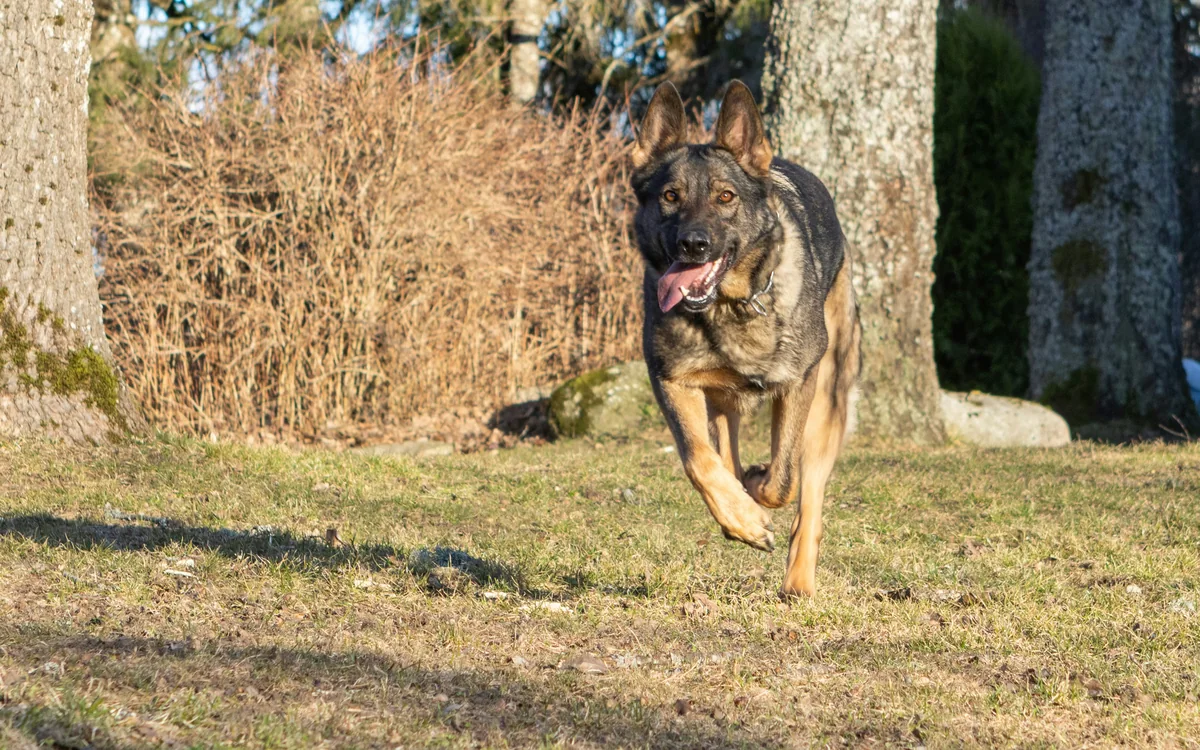
Beneath the firmer outer coat is the undercoat, a dense layer of shorter, soft hair. The shorter coat type lies close to the body. In the long-coated variety, the hair is especially long behind the ears, on the legs and on the tail. Both types shed heavily, especially as they grow their summer or winter coat. Brushing or combing several times a week helps remove loose hair and prevent mats. The brush needs to reach the undercoat, with extra attention to the longer areas where tangles form more easily.
A bath is usually needed only when the dog is very dirty. PDSA notes that frequent bathing can irritate sensitive skin. After long walks, it is worth checking the paws and nails. Regular dental care also belongs in the routine. Even thorough grooming will not keep all the loose hair out of the house.
Size and build
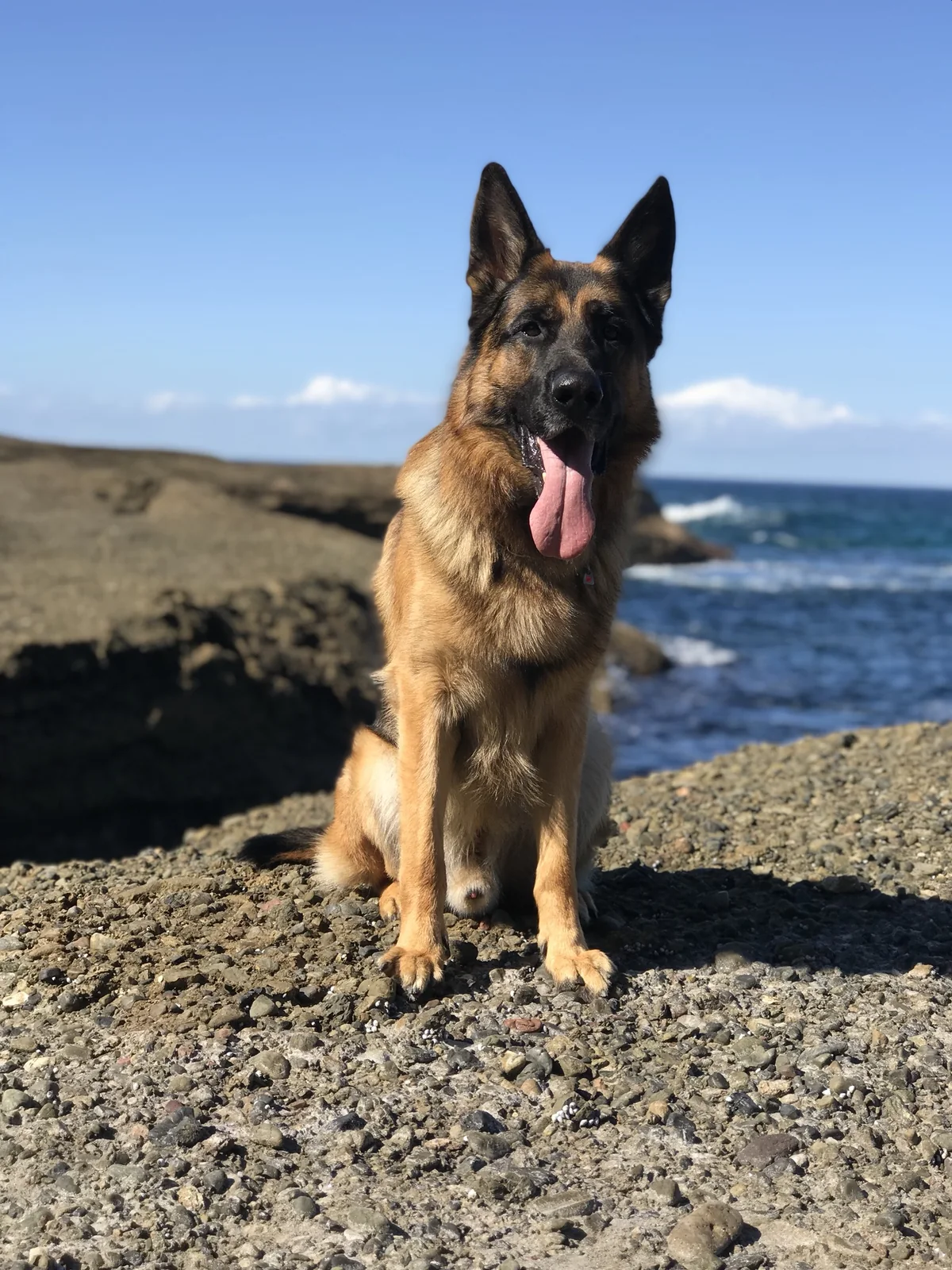
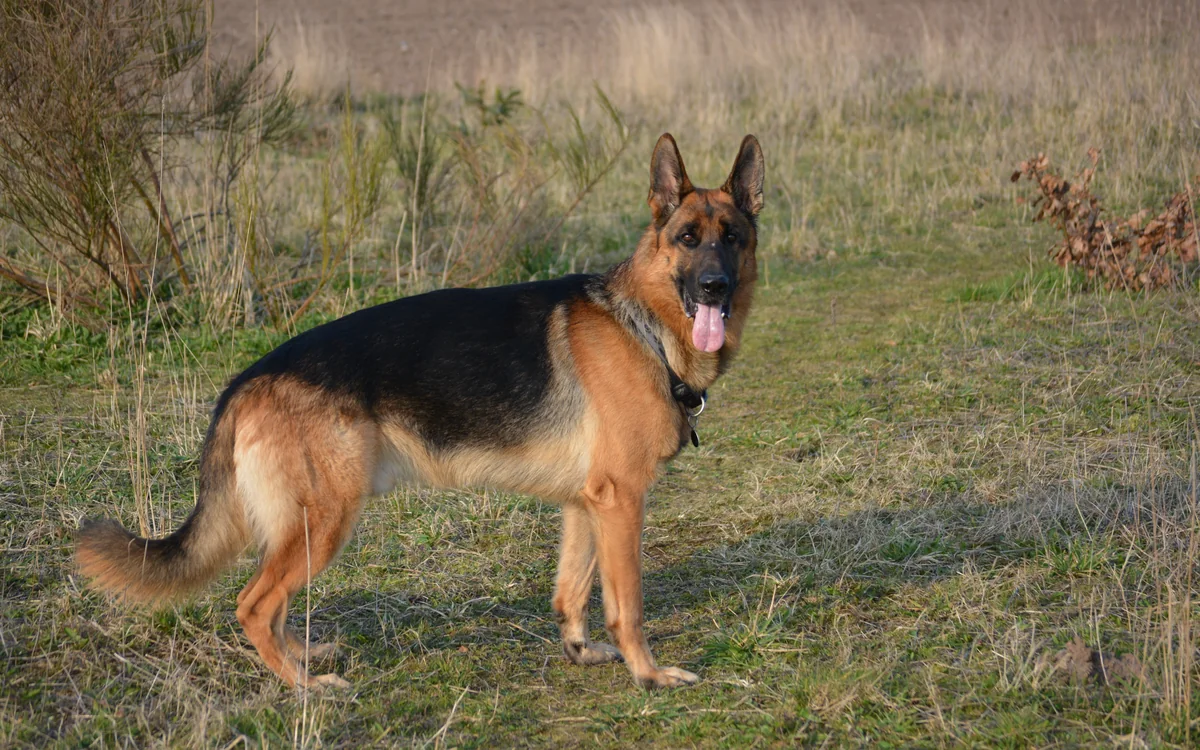
The German Shepherd is slightly longer than it is tall. It has a deep chest, a strong body and muscular hind legs. Its characteristic trot is smooth and ground-covering, with each stride carrying it a good distance. The British breed standard describes a firm back and a dog that can stand comfortably and move freely. The hind legs should not be excessively angled.
The standard gives about 63 cm at the shoulder for males and 58 cm for females. This is measured from the ground to the highest point of the shoulders, where the back begins. PDSA gives 35 to 43 kg as a weight guide. The shorter coat lies close to the body, while the long coat has noticeably longer areas of hair. Both have the dense, softer undercoat. Colours vary from black and tan to solid black and other recognised patterns. When choosing a puppy, it is worth seeing the adult parents walking as well as standing, if possible.
From puppy to senior: caring for your dog through every life stage ↗
Health
Hip and elbow dysplasia are important health concerns in this breed. The joints do not develop properly, which can cause pain and later arthritis. PDSA also lists degenerative myelopathy. This disease damages nerve pathways in the spinal cord, and the hind legs can become progressively weaker and less coordinated. Other known conditions include epilepsy, which causes recurring seizures, and several inherited eye diseases.
If you are choosing a puppy, you should ask to see the official hip and elbow results for both parents and have them explained. It is also worth asking for the results of any further checks in the family. This tells you what was examined and what the findings mean. Lameness or dragging of the hind legs should be assessed by a vet. Keeping the dog lean and matching activity to its age and fitness reduces everyday strain on its joints.
During a seizure, you should time how long it lasts and call your vet afterwards, even if the dog has recovered. If the seizure lasts more than two minutes or another occurs within 24 hours, you should contact your vet or an emergency vet immediately.
Could this breed fit your life?
Could work well if …
- You can plan several daily outings, calm training and shared activities.
- You can safely handle a large, alert dog and practise visitor routines patiently.
May be less suitable if …
- The dog would routinely be alone for long days with only a short evening walk.
- You want a dog that is naturally relaxed around visitors and other animals, but have little time to help it learn how to handle these situations.
Similar needs, different dogs.
Selected by shared size, activity, grooming and training characteristics.
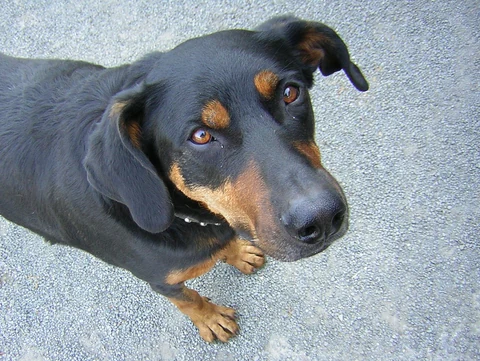
Herding dog
Beauceron
The Beauceron once herded and guarded flocks in France. This large, quick dog needs long outings and early practice with leads, visitors and life around children.
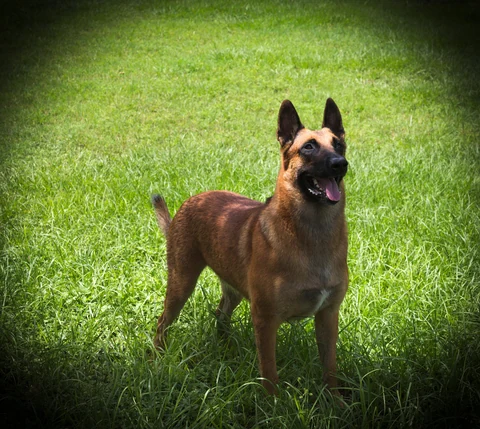
Herding dog
Belgian Malinois
The Malinois learns quickly, moves tirelessly and notices small changes around it. It suits people who can make daily time for training and calm guidance.
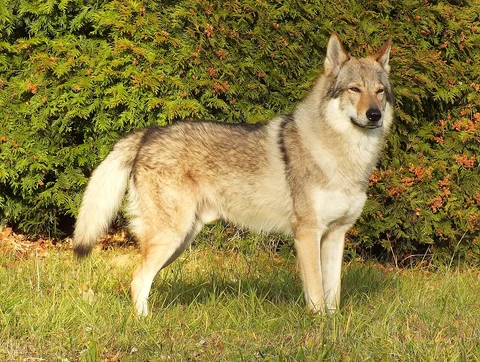
Dog with wolf ancestry, considerable stamina and demanding daily needs
Czechoslovakian Wolfdog
Upright ears, a pale facial mask and a grey coat give the Czechoslovakian Wolfdog its wolf-like appearance. It is a highly active dog with considerable stamina and a close bond with its family. Prospective owners should meet adult dogs and talk to experienced owners about exercise, training and time spent alone before deciding whether the breed suits their lives.
Sources and photograph credit
- Teaching your dog to be left alone
Used in this profile for: Staying home alone
- Keeping rabbits in your home
Used in this profile for: Everyday life
- Degenerative myelopathy
Used in this profile for: Health
- German Shepherd Dog · breed standard
Used in this profile for: Temperament, Day-to-day care, Size and build
- Introducing cats and dogs
Used in this profile for: Everyday life
- What to do if your pet has a seizure
Used in this profile for: Health
- Reward-based training for dogs
Used in this profile for: Temperament
- German Shepherd · breed guide
Used in this profile for: Size / Weight, Temperament, Everyday life, Day-to-day care, Size and build, Health, Lifespan, Could this breed fit your life?
Photo credits
Portrait · German shepherd dog colt · 7desks · CC BY-SA 4.0 · Edited

Side view · Hans Kemperman · CC0 1.0

In action · Alex Saks · Unsplash License
Puppy · Дмитрий Пропадалин · Pexels License