 fellfolio
Livestock guardian
Pyrenean Mountain Dog
The Pyrenean Mountain Dog guarded livestock independently rather than herding it. Its calm manner, size and vigilance need a home with space and realistic expectations.
At a glance
- Size
- Large
- Lifespan
- under 10 yearsUK Royal Kennel Club breed profile
- Activity
- Moderate
- Grooming
- Several times weekly
- Training
- Patience & clear guidance
- Owner experience
- Experience recommended
An independent guardian of the flock
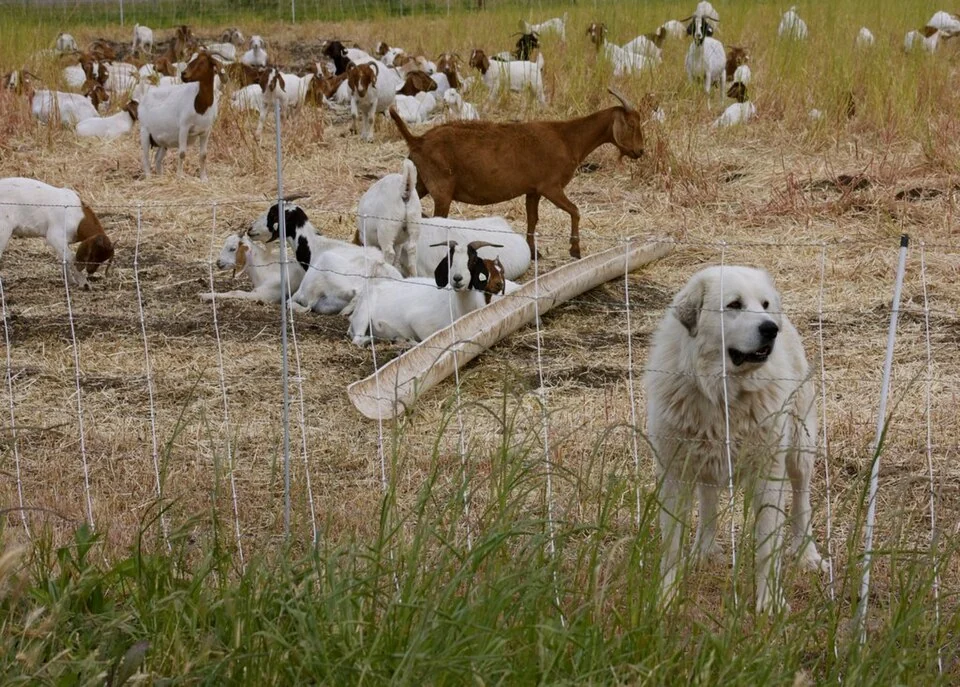
In the Pyrenees this dog protected sheep from danger. It had to judge a situation for itself, often without human direction. That differs from a herding dog moving stock on cue. At home it can seem gentle and relaxed yet remain watchful at a fence or bark at night when it hears something.
Plan secure boundaries and calm routines for visitors. A reliable high fence matters more than hoping for perfect obedience at an open property line. Show the dog kindly when a guest is welcome, and allow distance if it needs it. Living with one means respecting independence without trying to suppress it through harshness.
Everyday life
The UK veterinary charity PDSA and the Royal Kennel Club offer about an hour of daily exercise for adults as a broad starting point. More miles are not automatically better for this large guardian. Steady walks with time to explore and observe are more suitable than relentless sprinting. Off-lead time belongs where the dog can be safely controlled or enclosed.
During growth, very long distances and repeated jumping can overburden developing joints. A large garden helps, but a livestock guardian still needs outings with its family and opportunities to learn about life beyond its own territory.
Staying home alone
Dogs learn to stay home alone in small steps. The RSPCA advises no more than four hours at a time. Puppies and dogs that become unsettled when left alone need shorter absences and gradual practice. Arrange someone to care for your dog when you will be away longer.
Day-to-day care
A long, coarse outer coat and dense undercoat protect against weather. Brush thoroughly several times a week, especially behind the ears, around the neck and on the legs. Large amounts of undercoat shed seasonally; daily combing is useful then. Mats close to skin or joints can rub and hold moisture.
Double dewclaws are characteristic: two extra toes sit a little above each rear paw on the inside of the leg. Check them when trimming nails because they may not wear down naturally. Dry the dense coat properly after wet outings. On hot days the dog needs shade, water and a cool retreat.
Size and build
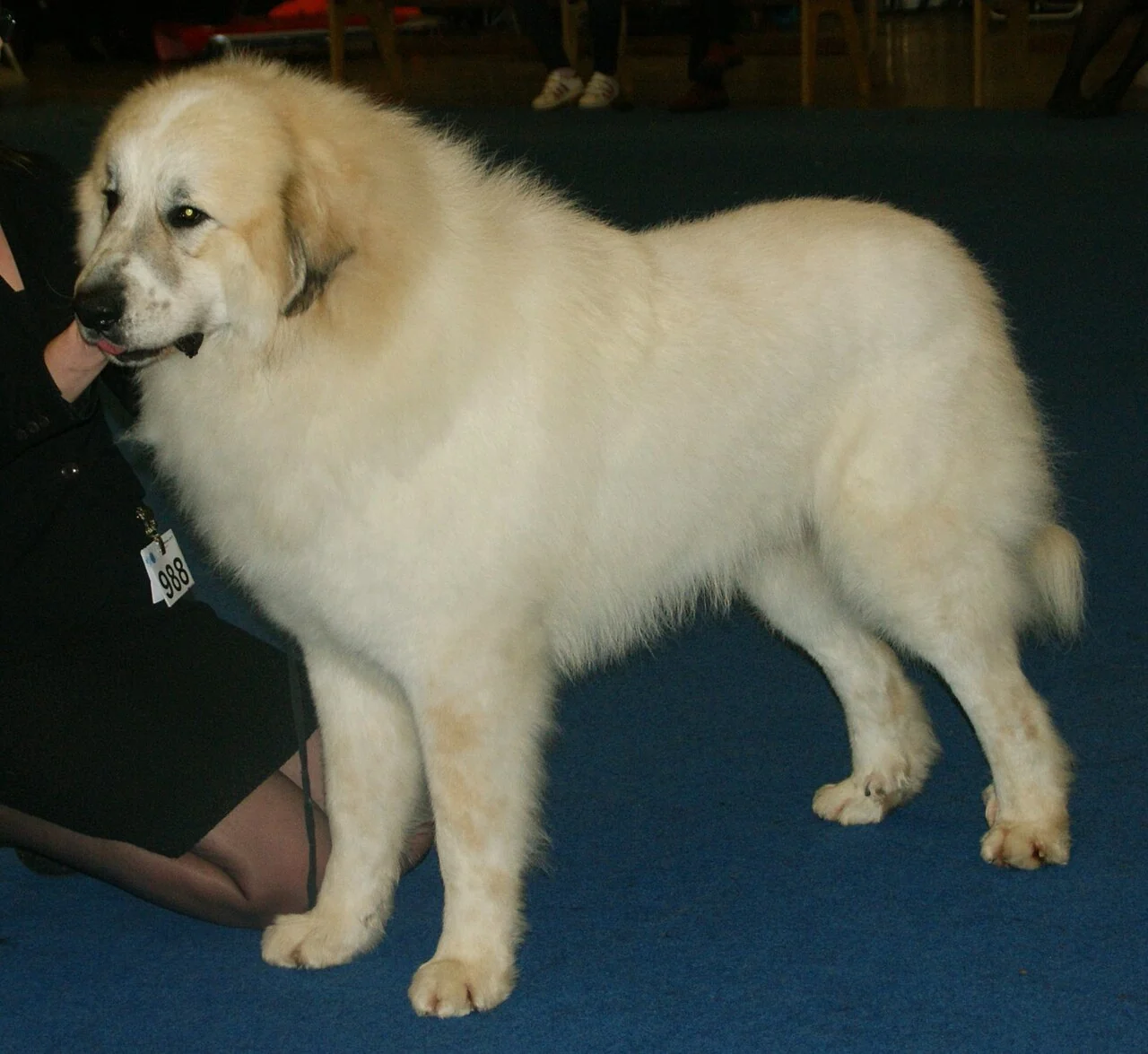
The Pyrenean Mountain Dog is truly large: the British standard requires males to be at least 70 cm tall and 50 kg, and females at least 65 cm and 40 kg. The dog is tall and strong without being cumbersome. It has a broad chest, powerful legs and a long tail carried higher when alert.
The coat is white, sometimes with grey, tan or pale lemon patches. Beneath it should be a dog that moves freely. Extra mass is no virtue if it tires the animal or burdens its joints.
Health
For a dog this large, hips and elbows deserve attention: poorly developed joints can make rising and walking painful. The Royal Kennel Club recommends grading both joints and examining breeding dogs’ eyes; ask to see both parents’ written results. PDSA also lists entropion, in which an eyelid turns inward and may rub against the eye. Frequent blinking, tearing or squinting calls for a prompt veterinary examination.
Deafness and epilepsy are other concerns listed by PDSA. Ask whether close relatives have had hearing problems or seizures. If a puppy’s hearing worries you, discuss it with a vet rather than drawing conclusions from a quick call across the room. Repeated unproductive retching, marked restlessness or a swollen abdomen can signal a life-threatening condition in which the stomach bloats and twists. These signs need emergency veterinary care.
Could this breed fit your life?
Could work well if …
- You have space, secure fencing and respect for an independent guardian.
- You can manage visitors, barking and regular coat care.
May be more difficult if …
- You expect rapid obedience like that of a sport dog.
- An open property or very noise-sensitive neighbours would make barking hard to manage.
Similar needs, different dogs.
Selected by shared size, activity, grooming and training characteristics.
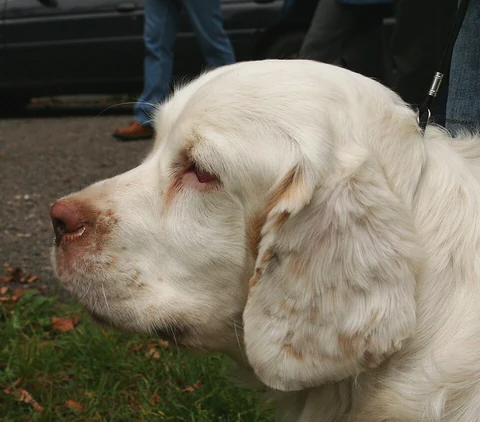
Flushing spaniel
Clumber Spaniel
The Clumber is the heaviest spaniel: low, long and strong, with a white coat and an excellent nose. It often seems relaxed at home yet follows outdoor scents with persistence.
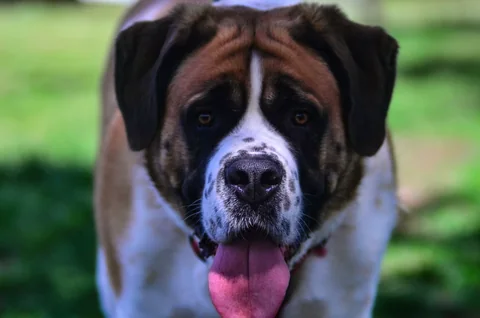
Rescue and working dog
Saint Bernard
A Saint Bernard may be easygoing, but its size shapes everyday life, from the space it needs in the car to the timing of summer walks.
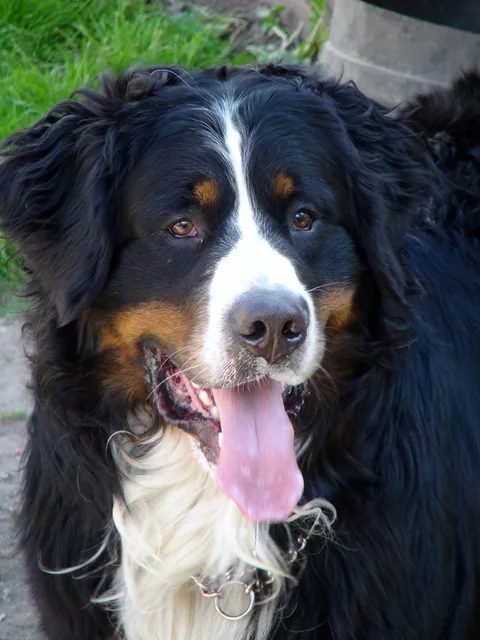
Swiss mountain dog
Bernese Mountain Dog
A large Swiss farm dog that likes to stay close to its people. Its strength, dense coat and sensitivity to heat shape daily life more than its relaxed manner may suggest.
Sources and photograph credit
- Teaching your dog to be left alone
Used in this profile for: Staying home alone
- Great Pyrenees dog breed information
Used in this profile for: Temperament, Everyday life, Size and build, Health, Lifespan, Could this breed fit your life?
- Pyrenean Mountain Dog breed information
Used in this profile for: Temperament, Everyday life, Size and build, Health, Lifespan, Could this breed fit your life?
- Pyrenean Mountain Dog, Breeds A to Z
Used in this profile for: Temperament, Everyday life, Day-to-day care, Size and build, Health, Lifespan, Could this breed fit your life?
- Pyrenean Mountain Dog breed standard
Used in this profile for: Size / Weight, Temperament, Everyday life, Day-to-day care, Size and build, Lifespan, Could this breed fit your life?
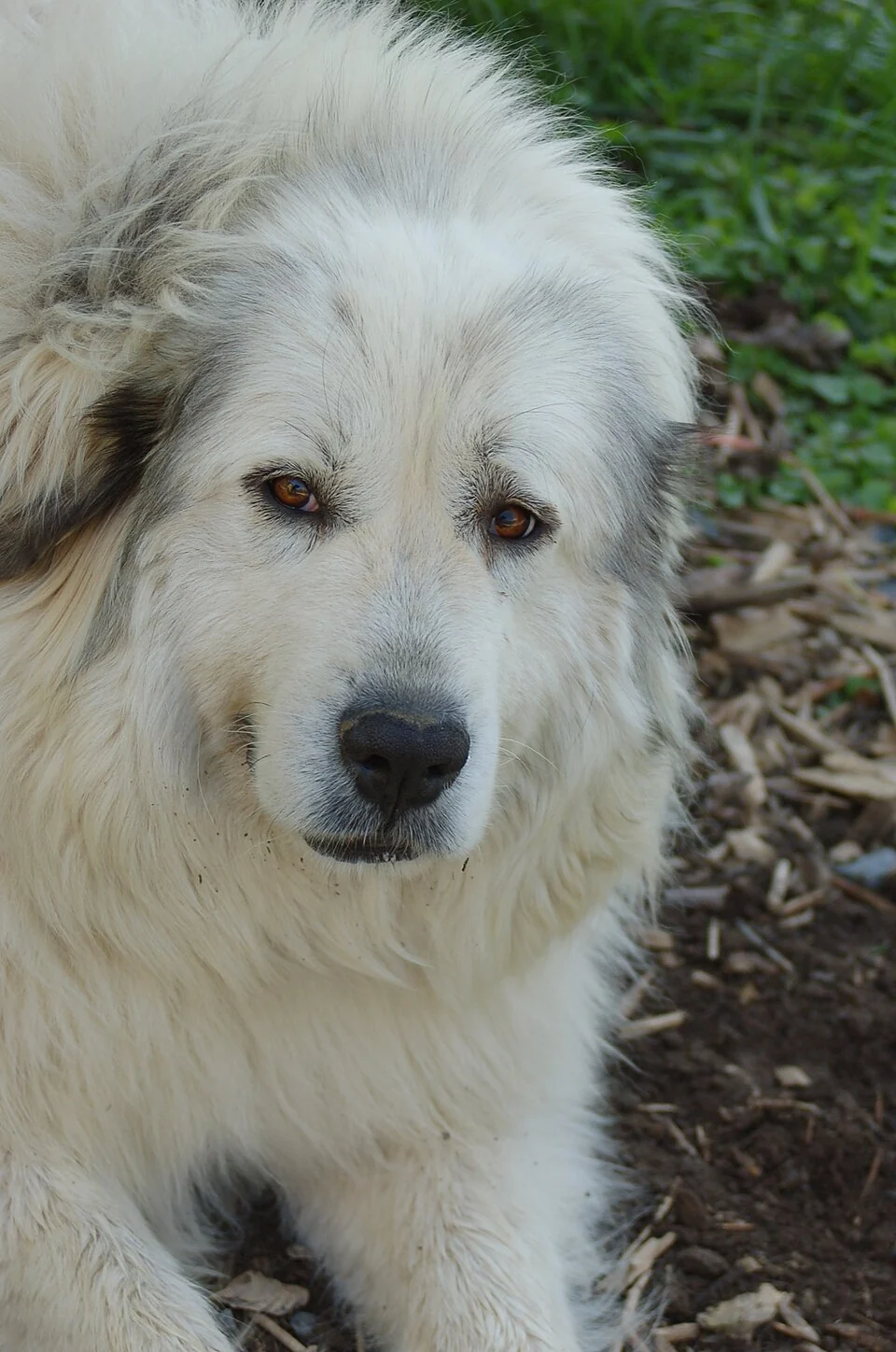
Portrait · Andorra · Carly & Art · CC BY-SA 2.0 · Edited

Side view · Great Pyrenees 2 · Canarian · CC BY-SA 4.0 · Edited

With livestock · great pyrenees dog and goats · devra from los osos · CC BY 2.0 · Edited

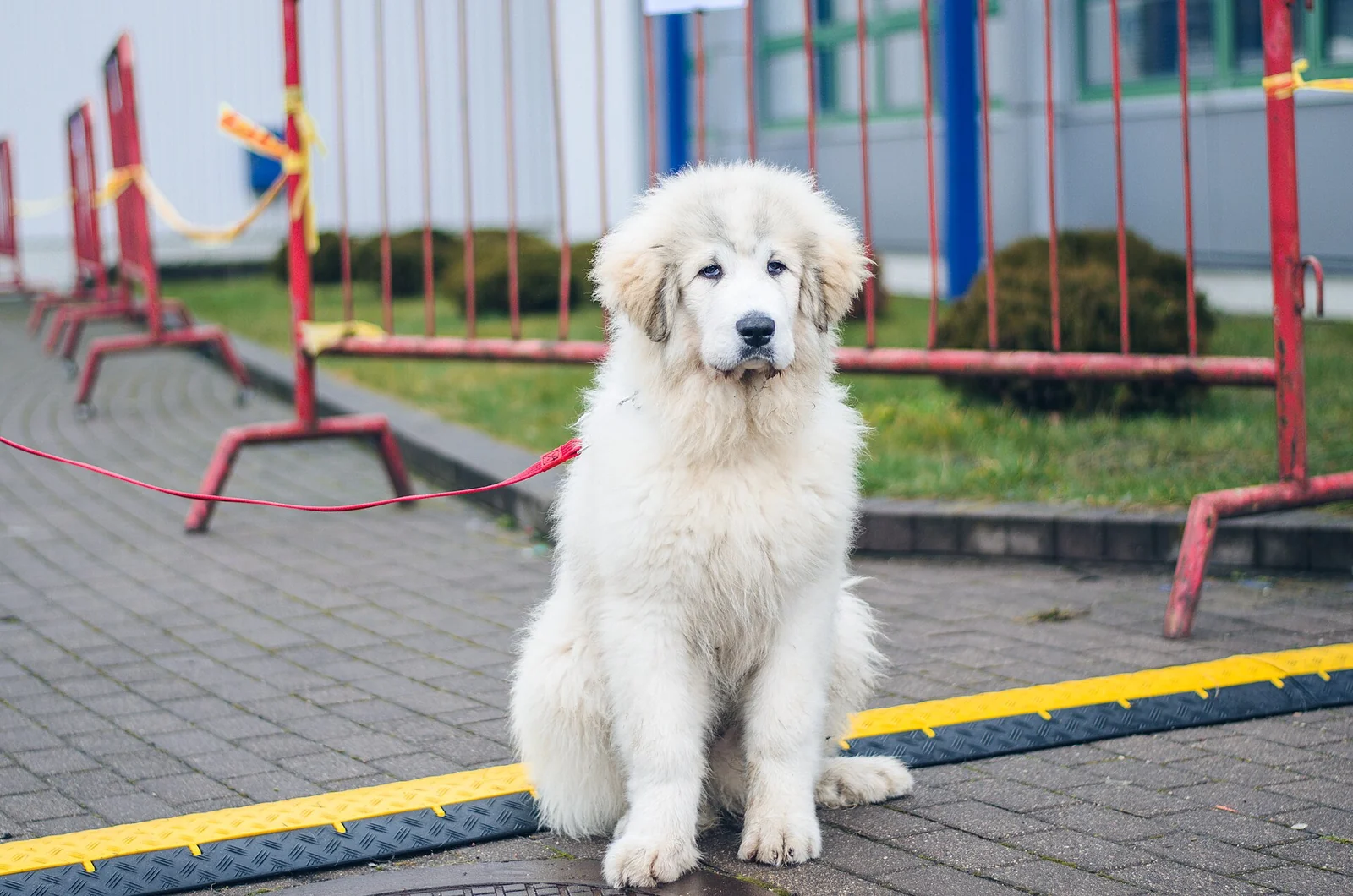
Puppy · Puppy of a pyrenean mountain dog "Romtat Farm Indigo" · Ромтат Фарм · CC BY-SA 4.0 · Edited
