 fellfolio
Hungarian herding dog
Puli
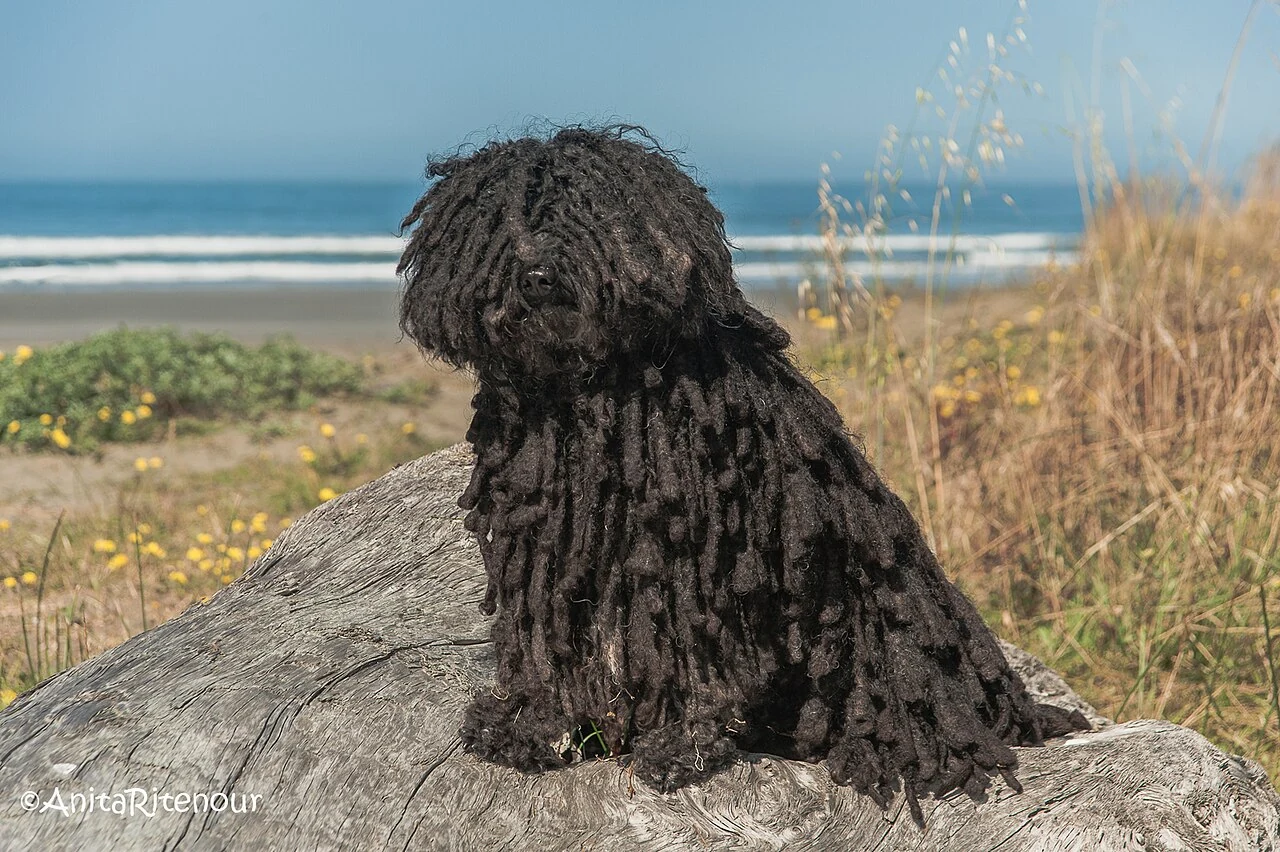
The Puli is immediately recognisable by its long corded coat. Underneath is a lively, agile Hungarian herding dog that learns quickly and watches its surroundings closely. The coat takes particular techniques and patience. For someone who enjoys training an independently minded dog and learning its grooming needs thoroughly, the Puli can be an engaging companion.
At a glance
- Size
- Medium
- Height at shoulder
- 36 to 45 cm
- Weight
- 10 to 15 kg
- Lifespan
- 10 to 15 years
- Activity
- High
- Grooming
- Specialist coat care
- Training
- Patience & clear guidance
- Owner experience
- Experience recommended
A lively herding dog beneath long cords
The Puli was bred to work with sheep. It needed to move livestock, watch the flock and pay attention to its handler. Many companion Pulik are also quick to engage and notice small changes around them. Barking may accompany that awareness, for example when someone walks past the property. A quiet resting place and rewarding the dog for turning away from distractions should form part of training.
The American Kennel Club describes an intelligent dog that enjoys learning but also tries its own solutions. Small, varied tasks may therefore suit it better than repeating the same exercise many times. In a searching game, it could find a familiar toy, wait briefly and then bring it back with you. Each step should be taught so the dog understands what is being asked.
Movement can trigger herding behaviour. When a child starts running, an adult should notice whether the dog follows or tries to block the route. Distance and a familiar task can help before attention turns into frantic chasing. Children should respect sleeping and feeding places. Encounters with other animals should be supervised until their individual responses are understood.
Everyday life
Walks with sniffing, free movement in a safe area and short training exercises provide a useful foundation. The Puli should have time to explore calmly. A fenced garden can add opportunities, while shared outings and activities remain important. A flat also requires enough exercise and somewhere to rest undisturbed.
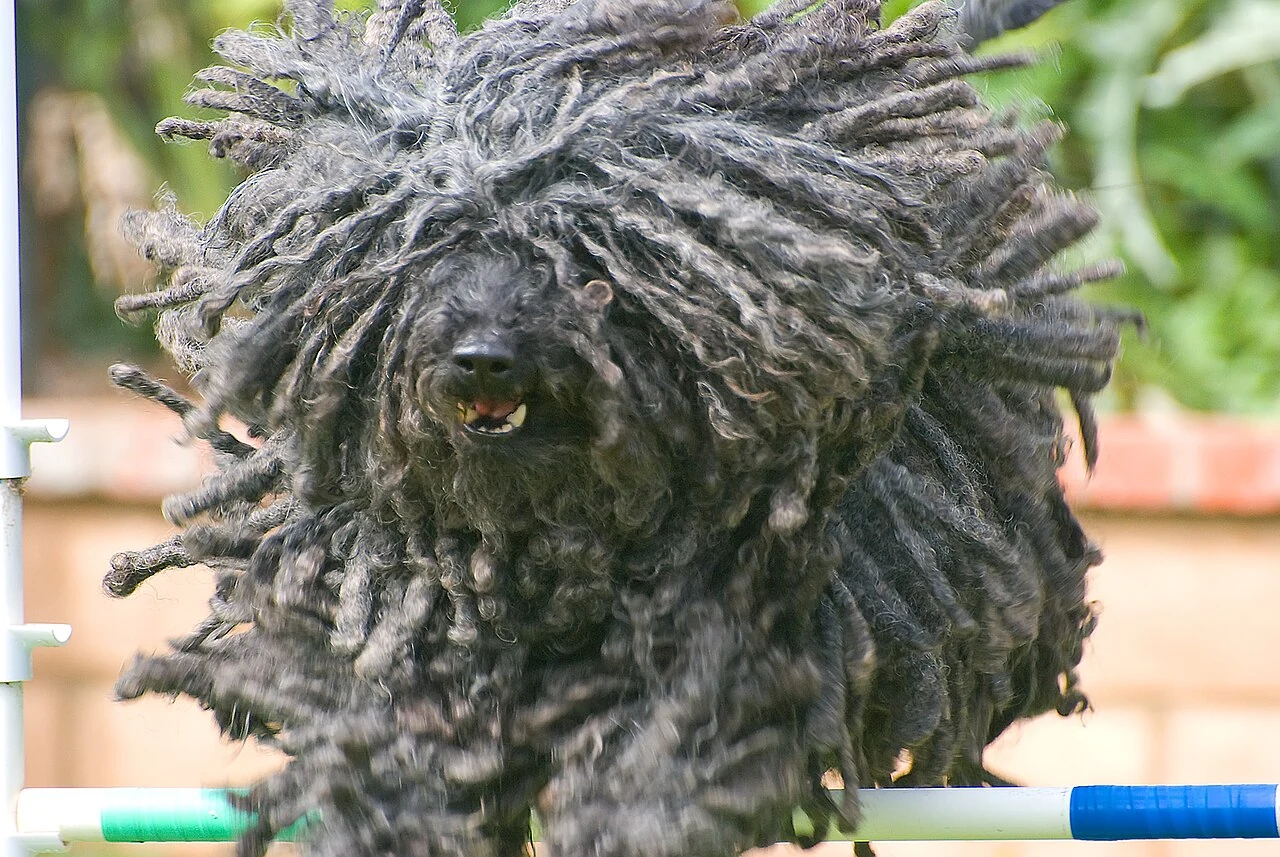
A small object on the ground can provide an opportunity to practise walking around it together. Agility, a course with tunnels and obstacles, is a possible later activity. Jumping and other demanding physical tasks should be introduced according to growth, health and fitness. Skilled guidance helps with getting started and choosing suitable exercises.
After activity, the dog should have opportunities to sleep and relax. Coping with time alone should also be learnt gradually. Briefly going into another room can be practised first while the dog stays comfortable. Persistent barking, restlessness or scratching at doors suggests that the exercise needs to become easier. Care arrangements are useful when longer absences arise before the dog can manage them comfortably.
Staying home alone
Dogs learn to stay home alone in small steps. The RSPCA advises no more than four hours at a time. Puppies and dogs that become unsettled when left alone need shorter absences and gradual practice. Arrange someone to care for your dog when you will be away longer.
Everyday dog training: recall, a loose lead and clear communication ↗
Day-to-day care
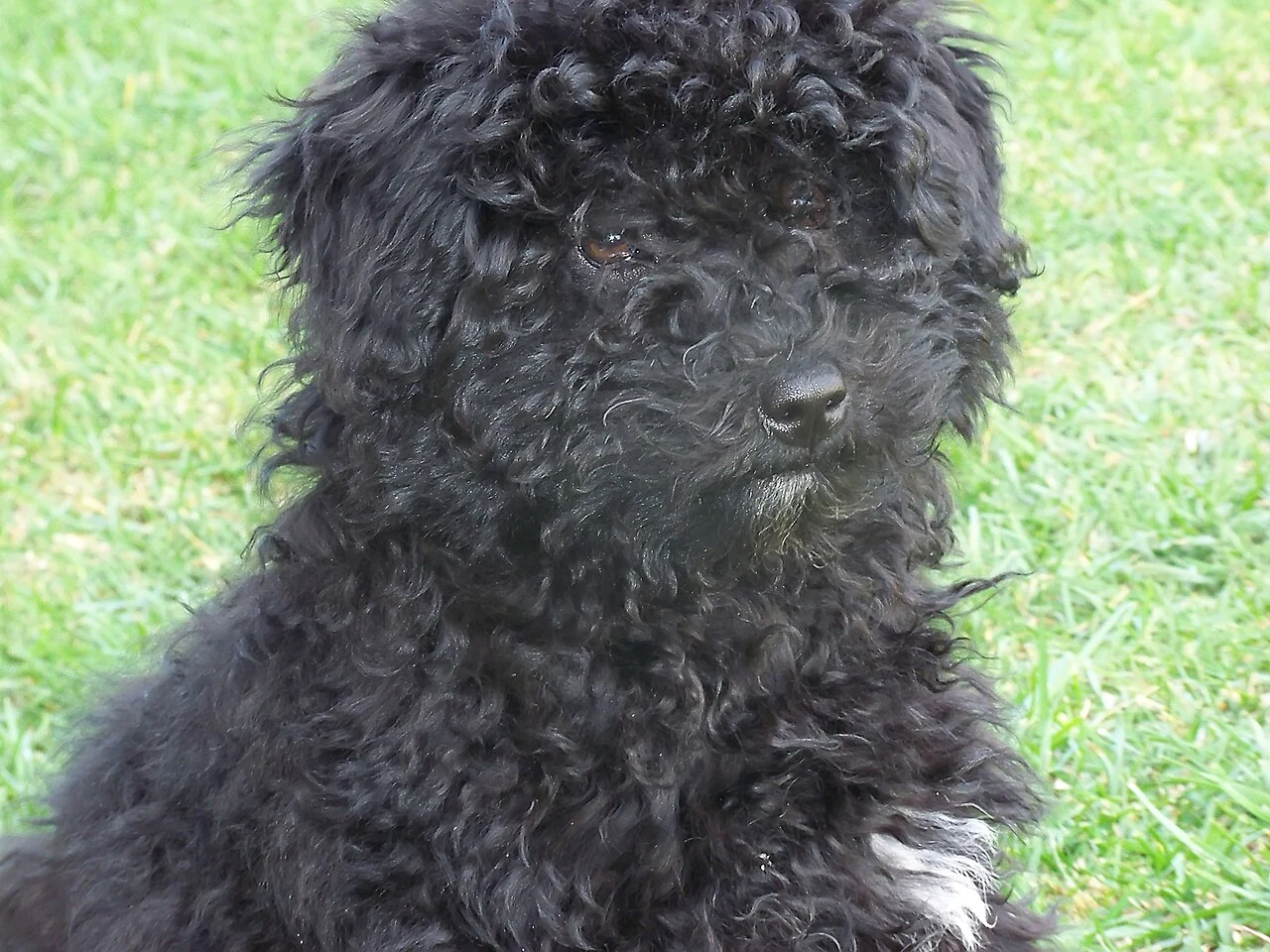
A corded coat develops when the softer undercoat and coarser outer hair combine into separate, elongated strands. Puppy coats start out soft, wavy or curly. As the adult coat develops, the forming strands should be carefully separated so they do not join into large sheets of felt. Someone experienced with Pulik should demonstrate how to do this with fingers without hurting the skin.
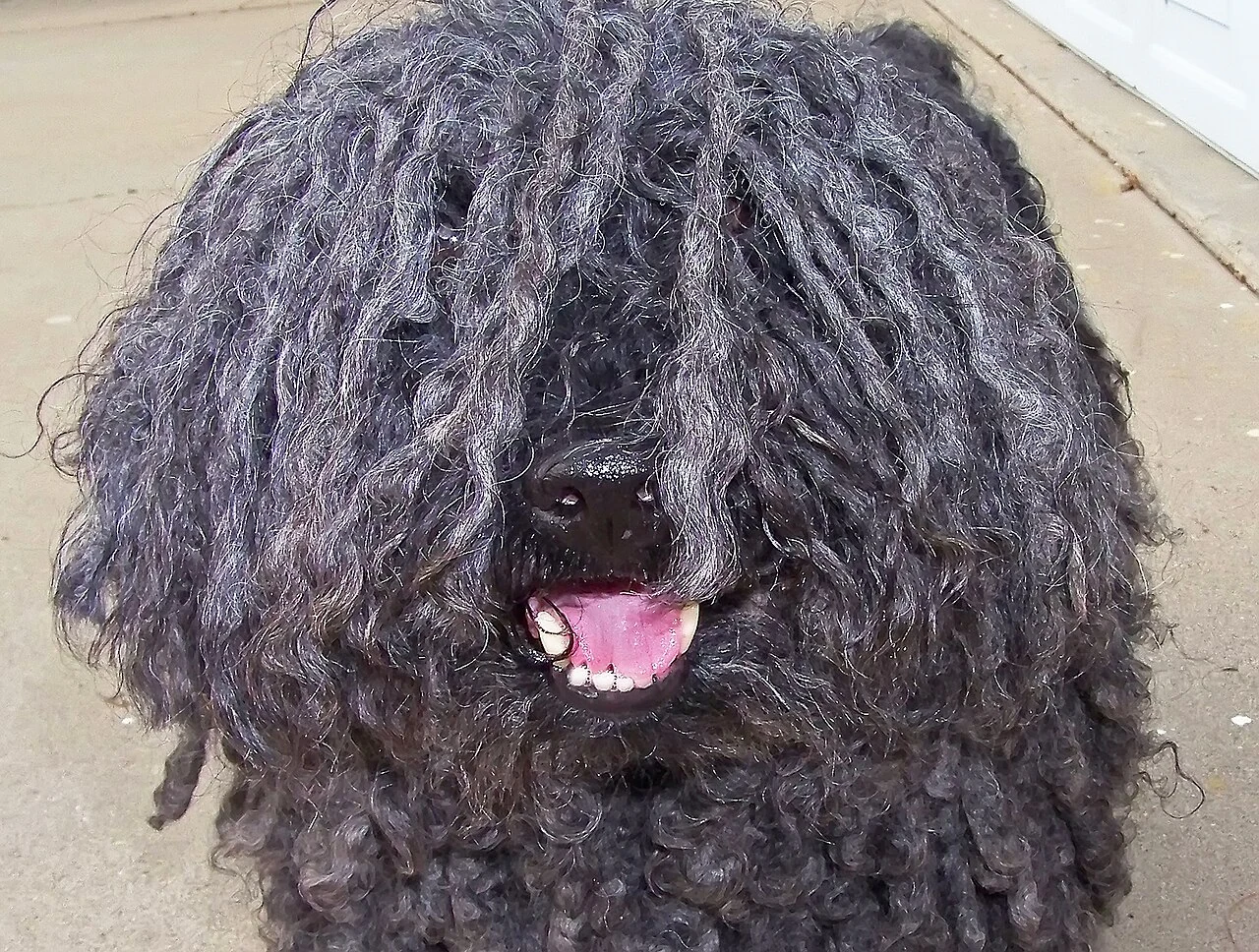
An established corded coat needs different care from an ordinary long-haired coat. Each cord should be checked regularly down to its base and gently separated when needed. Ears, armpits and the areas beneath a collar or harness deserve particular attention. Pulling hard can injure sensitive skin. Difficult areas are best handled with experienced help. A Puli can also be kept in a brushed or shorter clipped coat. The suitable care routine should be discussed early with a knowledgeable groomer.
During bathing, suitable products need to be rinsed out completely. Afterwards the cords take substantial time to dry thoroughly, including their centres and the areas near the skin. Hair that feels dry outside may remain damp underneath. This should also be checked after rain or swimming. Feet, nails, ears and teeth are part of grooming too. Daily toothbrushing and brief, pleasant handling practice make care easier.
Size and build
The earliest history is not fully documented. The standard of the international breed organisation FCI suggests Asian ancestors arrived with early Hungarian livestock keepers. The Puli’s long-established role as a Hungarian herding dog is clear. Today’s breed combines agility with a distinctive corded coat.
The body is approximately square. Feeling through the dense hair reveals its shape more clearly than looking alone. The ears hang down and the tail is carried over the back. The standard describes black and grey dogs, fawn with a black mask and pearl white. Males stand 39 to 45 cm and weigh 13 to 15 kg. Females stand 36 to 42 cm and weigh 10 to 13 kg.
From puppy to senior: caring for your dog through every life stage ↗
Health
The Puli Club of America recommends hip, kneecap and eye examinations for breeding dogs. It also recommends a DNA test for a particular variant associated with degenerative myelopathy, or DM, a spinal cord disease. Both parents’ records should be available. Hip dysplasia is abnormal hip development that can cause pain and arthritis. In patellar luxation, the kneecap slips out of its normal groove. Limping, stiffness or briefly lifting a hind leg should be investigated.
DM can cause progressive loss of coordination and strength, particularly in the hind legs. The DNA test checks one particular variant in the SOD1 gene. Finding it is not a diagnosis and does not mean a dog will certainly develop disease. Similar signs can have other causes, some treatable, and need veterinary assessment.
Regular checks help identify changes in weight, skin and movement. Body shape and skin should be assessed deliberately beneath the dense coat. Scratching, unpleasant odour or red areas call for a review of grooming and investigation of possible disease. The American Kennel Club gives a lifespan of 10 to 15 years. Family health history and the individual dog’s health also matter when planning.
Could this breed fit your life?
Could work well if …
- You want an agile herding dog and enjoy varied, friendly training.
- You can learn specialist coat care and seek an experienced groomer when needed.
- You can manage introductions, barking and rest attentively and involve the dog in daily life.
What to consider
- Cords need careful separation and thorough drying. Practical grooming should be explored before the dog comes home.
- A Puli may react quickly to movement and unfamiliar events. Supervision and clear training belong in its routine.
- Both parents’ joint assessments, eye examinations and relevant DNA results should be available before choosing a puppy.
Similar needs, different dogs.
Selected by shared size, activity, grooming and training characteristics.
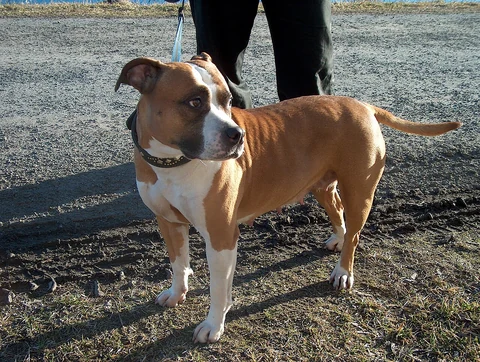
Powerful American terrier
American Staffordshire Terrier
The American Staffordshire Terrier is a compact, muscular dog that enjoys shared activity and close contact with its people. Its strength, often energetic play and possible difficulties with other dogs require thoughtful handling. Legal requirements where you live should also be checked before bringing one home.
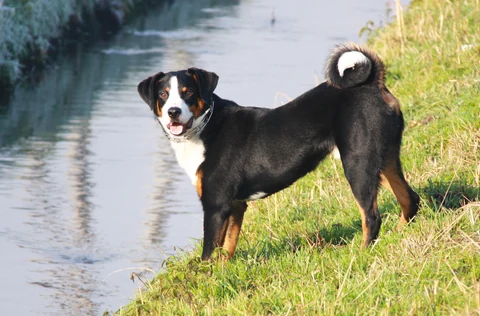
Swiss cattle and watchdog
Appenzeller Mountain Dog
The Appenzeller Mountain Dog is easy to recognise by its tricolour coat and tightly curled tail. Behind that cheerful appearance is an attentive Swiss working dog. It enjoys activity, learns quickly and notices changes around it. This breed suits people who want to spend time outdoors with their dog every day and can help it cope calmly with visitors and events at home.
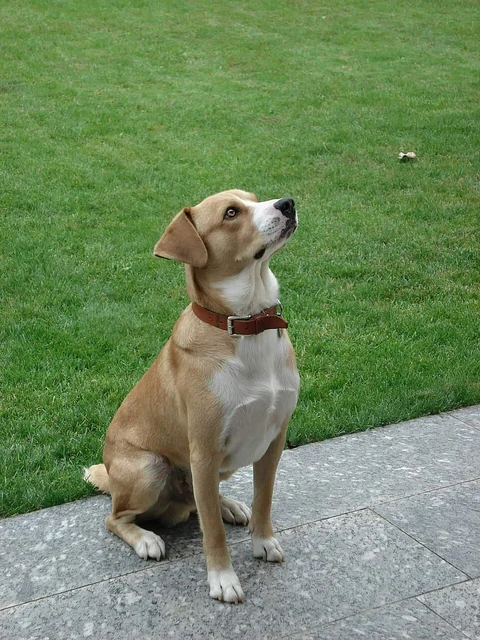
Austrian farm and companion dog
Austrian Pinscher
The Austrian Pinscher is a lively farm dog that enjoys accompanying familiar people and notices visitors attentively. Its short to medium-length coat is relatively straightforward to maintain. Exercise, shared activities and calm guidance of its guarding behaviour require more time. Meeting adult dogs helps show whether its watchfulness and temperament could suit your daily life.
Sources and photograph credit
- Teaching your dog to be left alone
Used in this profile for: Staying home alone
- Canine hip dysplasia (CHD)
Used in this profile for: Health
- Patellar luxation
Used in this profile for: Health
- Dental disease in dogs
Used in this profile for: Day-to-day care
- Ear problems in pets
Used in this profile for: Day-to-day care
- Eye problems in dogs
Used in this profile for: Health
- Grooming and bathing pets
Used in this profile for: Day-to-day care
- Puli
Used in this profile for: Temperament, Everyday life, Day-to-day care, Lifespan, Could this breed fit your life?
- Grooming the Corded Puli, Puli News April 1990
Used in this profile for: Day-to-day care
- Puli, FCI Standard No. 55
Used in this profile for: Size / Weight, Temperament, Size and build, Could this breed fit your life?
- Grooming resources
Used in this profile for: Day-to-day care, Could this breed fit your life?
- Puli Parent Club Health Statement
Used in this profile for: Health
- Teaching your dog to be left alone
Used in this profile for: Everyday life
- Separation-related behaviour
Used in this profile for: Everyday life
- Training your dog
Used in this profile for: Everyday life
- Degenerative Myelopathy (DM)
Used in this profile for: Health
Photo credits
Portrait · Beach Puli.jpg · Anita Ritenour · CC BY 2.0 · Edited

In action · Ch Prydain Nuzzle Fuzzle, NA,OAJ,HT.jpg · Anita Ritenour · CC BY 2.0 · Edited

Puppy · Sprite - 14 weeks.jpg · Anita Ritenour · CC BY 2.0 · Edited

Coat and features · Fuzzle 2-28-09.jpg · Anita Ritenour · CC BY 2.0 · Edited
