 fellfolio
Working water dog
Portuguese Water Dog
A strong, agile dog from Portugal's fishing boats. It once worked on board and in the water; today it needs exercise, shared tasks and plenty of care for its curls or waves.
At a glance
- Size
- Medium
- Height at shoulder
- 43 to 57 cm
- Weight
- 16 to 25 kg
- Lifespan
- over 10 yearsUK Royal Kennel Club breed profile
- Activity
- High
- Grooming
- Daily
- Training
- Often cooperative
- Owner experience
- First dog with support
From fishing boat to family life
Portuguese Water Dogs worked with fishers along Portugal's coast. They helped drive fish into nets, recovered lost objects from the water and carried messages between boats. Those different jobs called for courage, attention and cooperation with people. A family dog can put the same willingness to join in towards searching, carrying and learning.
The breed standard describes an energetic, very intelligent dog that can also have a mind of its own. Make each task clear. Ask the dog to bring a toy from the hall, reward the return, then gradually try longer searches. That gives it something useful to do without keeping it excited all day. Energetic play can be a lot for children, so an adult should set breaks and step in when a game grows too rough.
Everyday life
The Royal Kennel Club gives up to an hour of daily exercise as a broad guide. An adult Portuguese Water Dog needs dependable walks and activities matched to its fitness. A walk with sniffing time, a brief search game and a chance to rest afterward make a manageable day. Water work may be fun, but not every dog wants to swim straight away. Introduce safe, shallow entrances and never force a dog into the water.
Recall and letting go of an object are useful everyday skills. Practise with a familiar toy in a quiet place before adding distractions near water. If you live in town, regular outings and games matter more than having a garden. Even an energetic dog that likes human company must learn to spend time alone gradually.
Staying home alone
Dogs learn to stay home alone in small steps. The RSPCA advises no more than four hours at a time. Puppies and dogs that become unsettled when left alone need shorter absences and gradual practice. Arrange someone to care for your dog when you will be away longer.

Day-to-day care
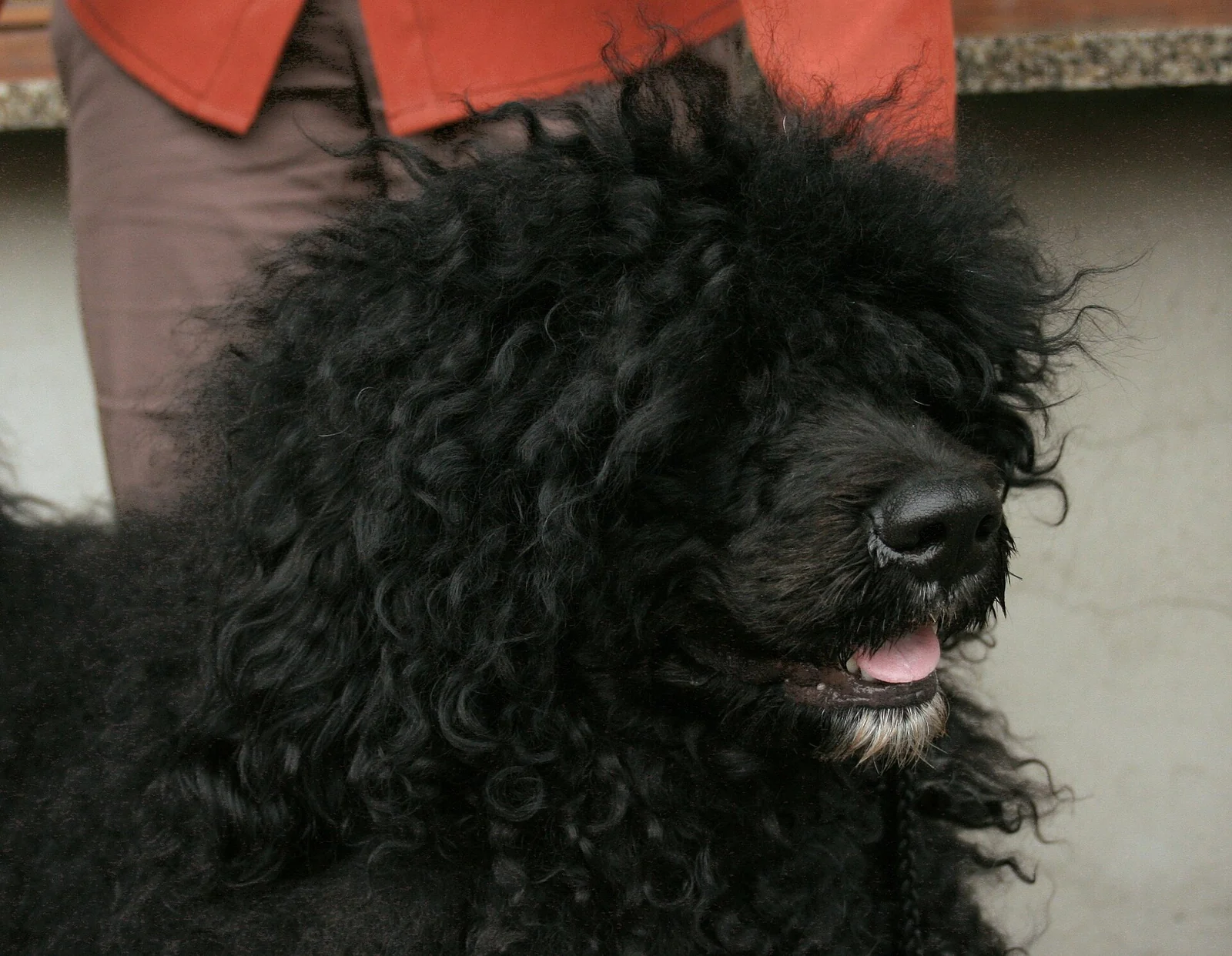
The breed has two coat types: longer loose waves or shorter, tighter curls. Neither has an undercoat, and little hair is shed around the home, but both keep growing. The Royal Kennel Club expects daily grooming. Comb down to the skin behind the ears, under the neck, in the armpits and between the legs. Hair rubs together there and mats may form before you can see them on the surface. Regular trimming keeps the coat manageable.
After swimming, rinse away salt or dirt and dry the skin beneath the coat. Check feet and ears for small injuries, redness or smell. Repeated head shaking deserves a vet examination. Even a dog that sheds little can trigger an allergy. If contact with animals causes symptoms, consult an allergy specialist before getting a dog. A visit without symptoms does not guarantee that living with the dog will be comfortable long term.
Size and build
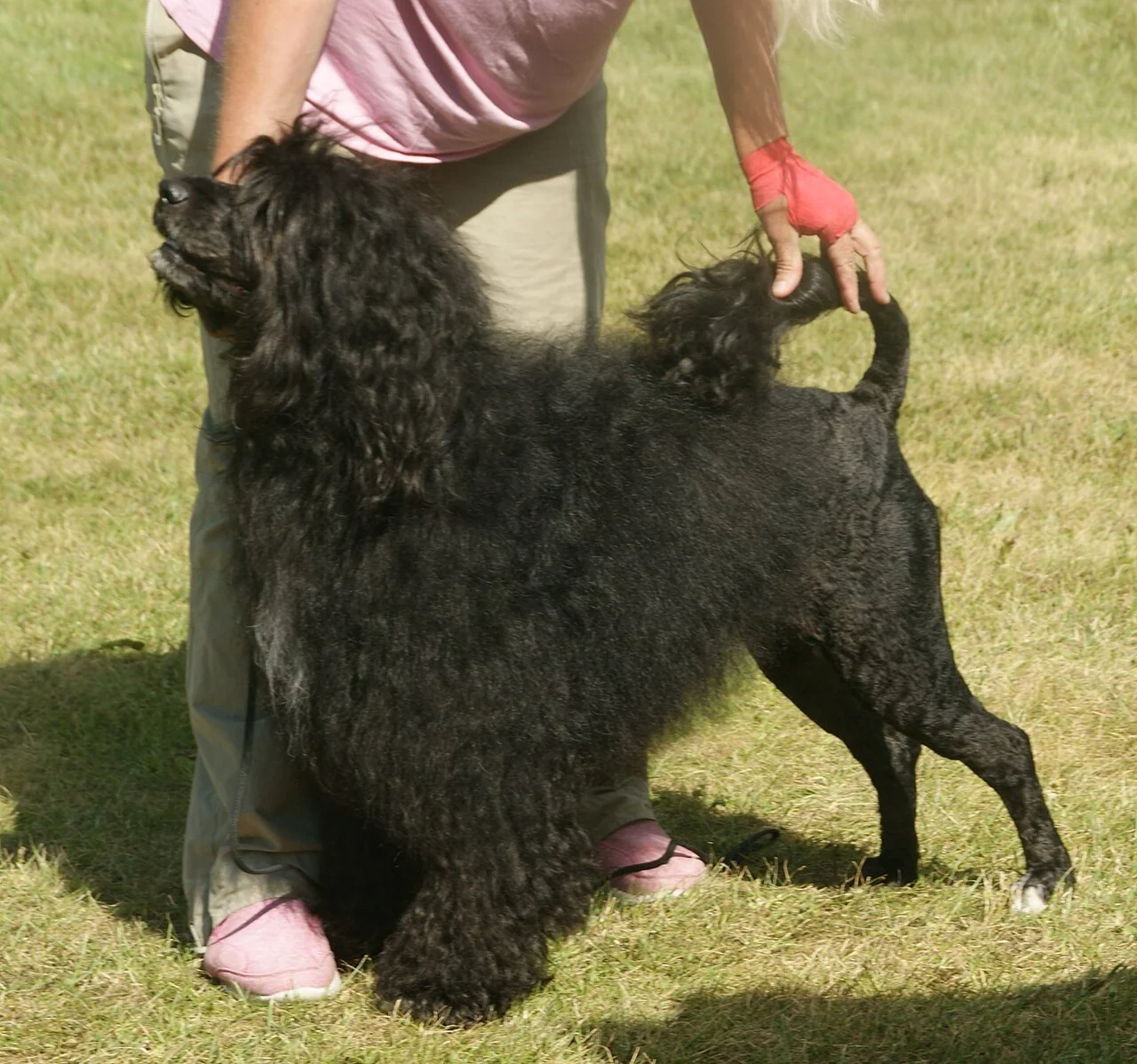
The Portuguese Water Dog is nearly square: its height at the shoulder and body length are similar. It has a broad, deep chest, strong shoulders and muscular legs. Webbing between the toes reaches almost to their tips and helps in water. The head is large and the ears lie close. An alert dog carries its thick tail in a ring over the back. Movement is lively, while the body should remain athletic rather than heavy.
The British standard gives 50 to 57 cm and 19 to 25 kg for males, 43 to 52 cm and 16 to 22 kg for females. The coat may be black, brown or white, sometimes with white markings. The traditional lion clip, leaving the rear body short, recalls the breed's fishing past but is not essential for a healthy family dog. A practical trim that lets you assess the skin and body is often easier to maintain.
Health
The Royal Kennel Club recommends DNA tests for different forms of progressive retinal atrophy. This inherited eye disease gradually reduces vision, sometimes first noticed in dim light. A DNA test for GM1 gangliosidosis, an inherited storage disease that damages tissues including nerve cells and can cause severe coordination problems in young dogs, also appears in the breeding recommendations. Ask a breeder to show both parents' results and explain what they mean for the litter.
Hip and elbow X-rays are also recommended to identify joint problems in breeding dogs. In your own dog, repeated limping, difficulty rising or new uncertainty in dim light should prompt a veterinary examination. Excess weight adds strain to joints, so regular movement and an appropriate amount of food are part of preventive care.
Could this breed fit your life?
Could work well if …
- You want a dog to accompany you outdoors and enjoy practising search and retrieve games.
- You can make time and budget for combing, trimming and coat care after trips to water.
May be more difficult if …
- You assume that a low-shedding coat means little grooming.
- You want a dog to spend long days alone without walks or activities.
Similar needs, different dogs.
Selected by shared size, activity, grooming and training characteristics.
Gundog
English Cocker Spaniel
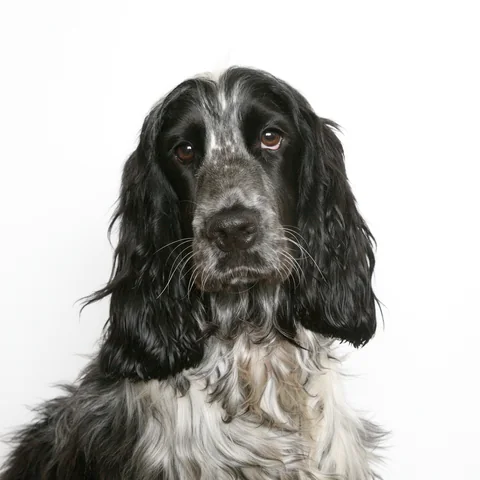
The English Cocker Spaniel is a lively gundog that loves getting out with its people. Its nose finds plenty to investigate outdoors, while its silky coat calls for daily care.
Herding dog
Bearded Collie
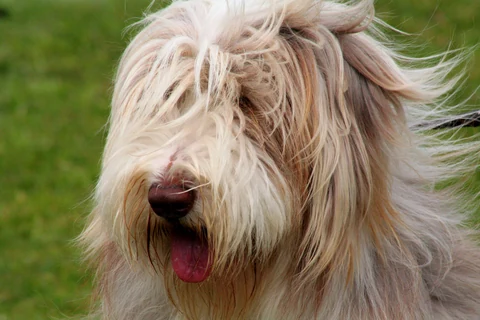
The Bearded Collie is a cheerful, agile herder with a long coat. It enjoys walks with its people, and its dense coat needs thorough combing every day.
Spitz and companion dog
Keeshond
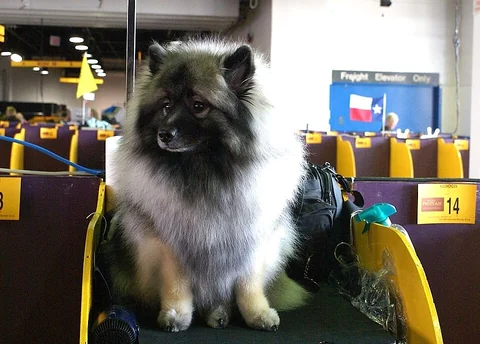
A medium-sized, silver-grey spitz with an alert expression and a great deal of coat. The Keeshond likes staying close to its people and often announces visitors aloud. Its dense undercoat needs daily attention.
Sources and photograph credit
- Teaching your dog to be left alone
Used in this profile for: Staying home alone
- Allergie-Diagnose: Beschwerden ärztlich abklären
Used in this profile for: Day-to-day care
- Tierhaarallergie: Auslöser und allergenfreie Hunderassen
Used in this profile for: Day-to-day care
- Neuronal-visceral GM1 gangliosidosis in Portuguese water dogs
Used in this profile for: Health
- Portuguese Water Dog, Breeds A to Z
Used in this profile for: Temperament, Everyday life, Day-to-day care, Size and build, Health, Lifespan, Could this breed fit your life?
- Portuguese Water Dog breed standard
Used in this profile for: Size / Weight, Temperament, Everyday life, Day-to-day care, Size and build, Could this breed fit your life?
Portrait · Portugalski pies wodny głowa 232 · Przykuta · CC BY-SA 3.0 · Edited

Side view · PortugueseWater-black1 · Canarian · CC BY-SA 4.0 · Edited

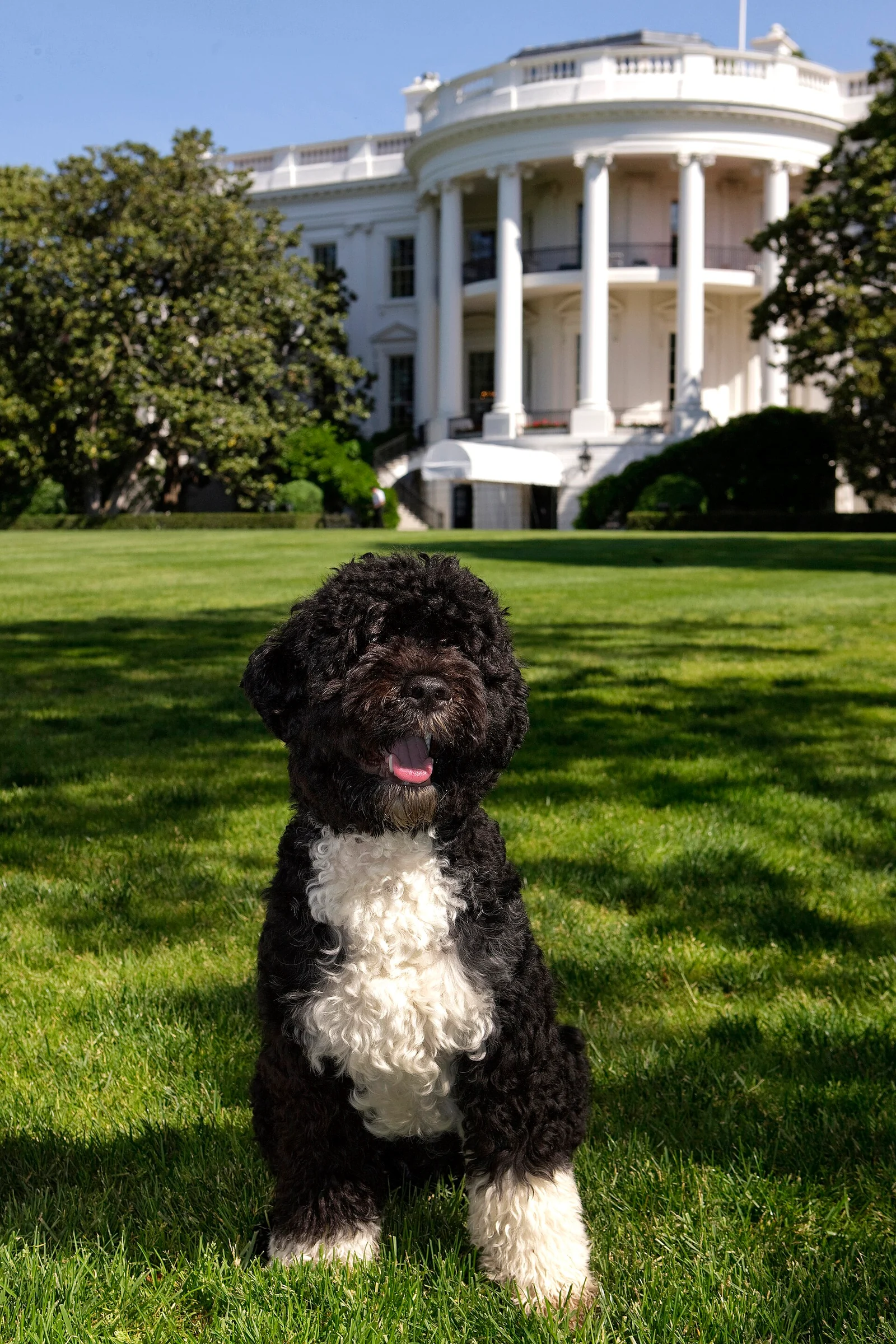
In action · Bo plays in the snow · Pete Souza · Public domain


Young dog · P052009CK-0015 · Chuck Kennedy · Public domain

