 fellfolio
Hunting dog from Malta with a short coat
Pharaoh Hound
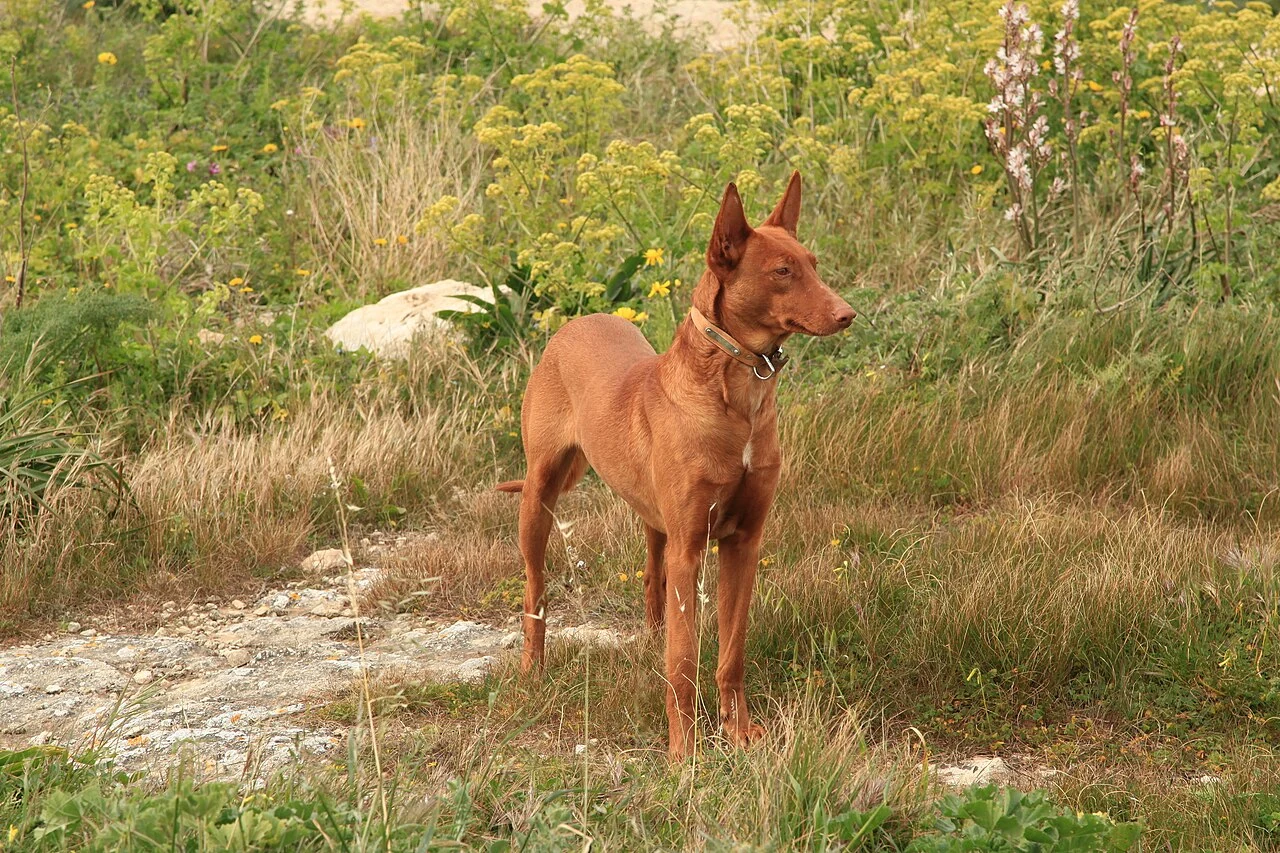
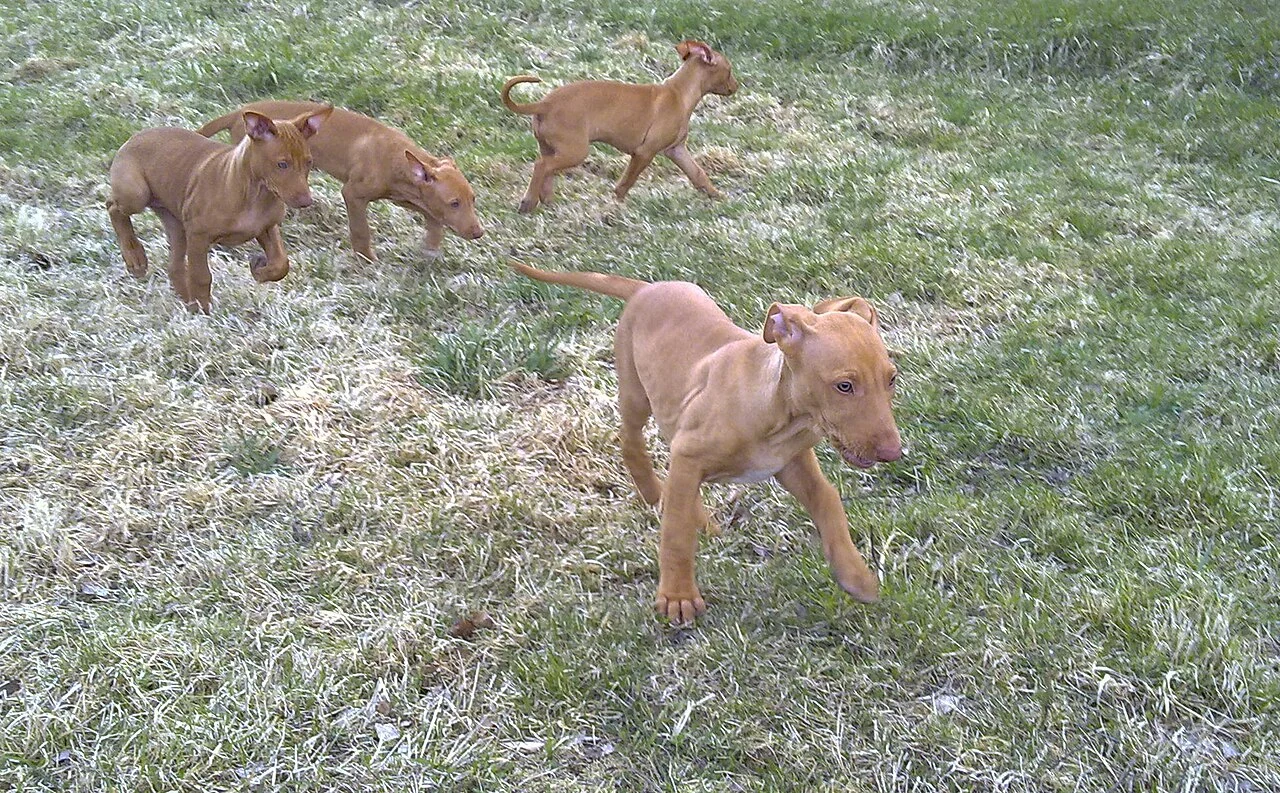
The Pharaoh Hound comes from Malta. Large upright ears, amber eyes and a short reddish brown coat give it a distinctive appearance. This active hunting dog notices scents as well as movement. Daily life calls for secure opportunities to run, activities together and a warm place indoors.
At a glance
- Size
- Large
- Height at shoulder
- 53 to 63.5 cm
- Lifespan
- over 10 years
- Activity
- High
- Grooming
- Weekly
- Training
- Patience & clear guidance
- Owner experience
- Experience recommended
Playful and affectionate, with strong hunting interest
The international breed standard describes the Pharaoh Hound as alert, intelligent, friendly and playful. It can form close relationships with its people and enjoy family life. Its hunting behaviour remains important. A rabbit that suddenly runs can create a strong urge to chase.
A lead is therefore sensible outside securely fenced areas. The American breed club places particular emphasis on its strong prey drive. Small pets should not have direct contact with the dog and should live in securely separated areas. With cats, both animals’ previous experiences matter. Even a dog familiar with its own cat may chase an unfamiliar cat that runs away.
The club also describes a dog that can express excitement and interest vocally. Barking deserves consideration when assessing the home environment. Adults should supervise children and ensure the dog can sleep undisturbed. During lively games, it is useful to notice rising excitement and offer calmer activities in good time.
Everyday life
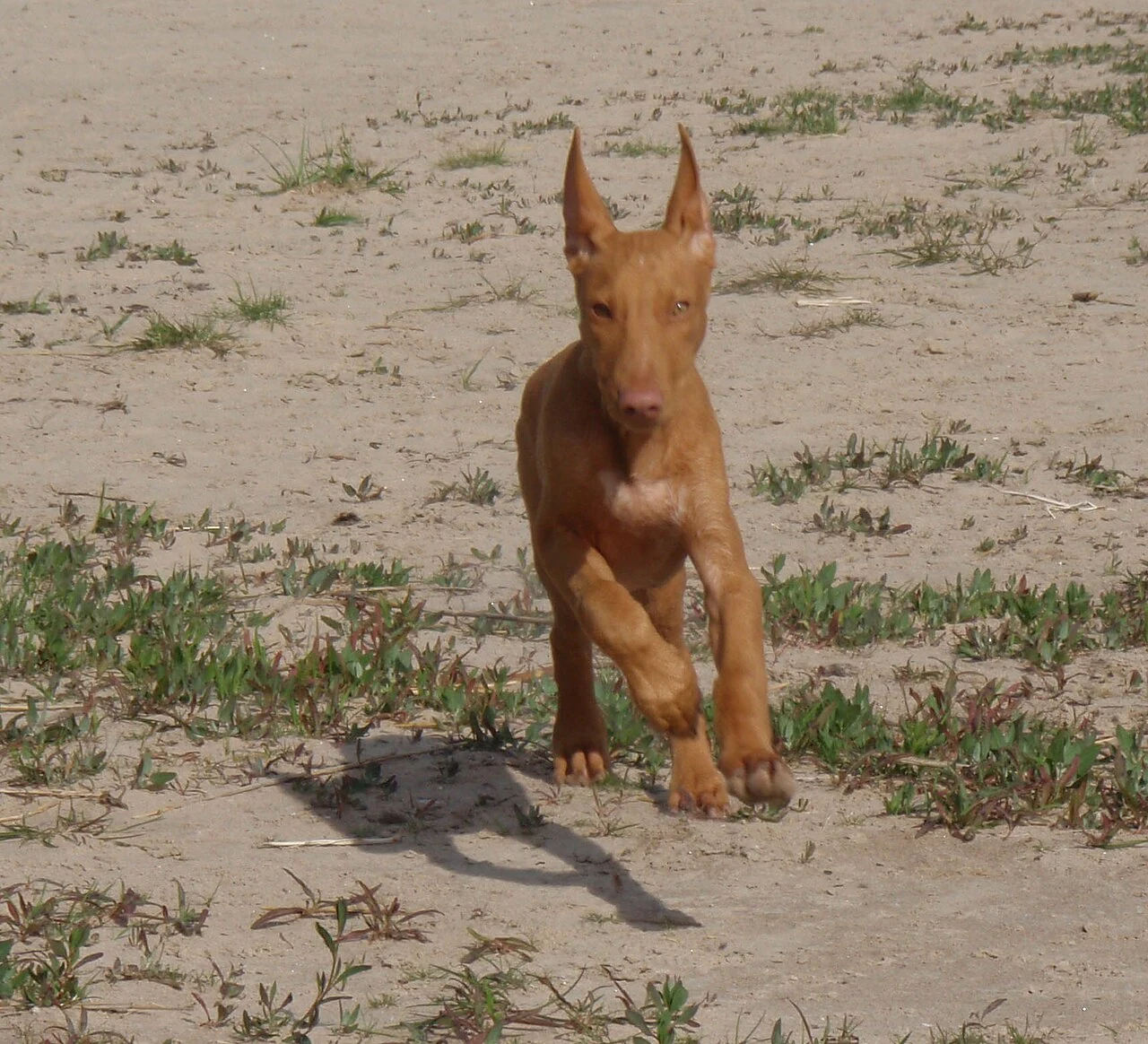
The British canine organisation recommends a large house and a large garden. Secure opportunities for plenty of activity should be a priority when assessing the home environment. Walks should allow time to sniff and explore. A securely fenced area can also offer space to run freely. The fence height, lower edge and entrances should be checked first. An agile hunting dog can quickly discover gaps. A garden should complement outings together.
Finding a familiar toy can focus its attention on a shared task. To begin, you can place the toy on the ground while it watches. When it finds the toy, you can reward it with a brief game together. Later, part of the toy can be hidden. In a secure area, the dog can use both nose and eyes without chasing another animal.
Brief, varied tasks can suit its approach to learning. The American club recommends friendly training with suitable incentives. After activity, the dog should have a comfortable place to rest with its people. Care should cover longer absences while it cannot yet settle comfortably alone.
Staying home alone
Dogs learn to stay home alone in small steps. The RSPCA advises no more than four hours at a time. Puppies and dogs that become unsettled when left alone need shorter absences and gradual practice. Arrange someone to care for your dog when you will be away longer.
Everyday dog training: recall, a loose lead and clear communication ↗
Day-to-day care
A soft brush or grooming mitt can remove loose hairs from the short, glossy coat. The Royal Kennel Club, the British canine organisation, gives weekly grooming as a guide. Checking the coat also helps reveal scratches, ticks or changes in the skin.
The thin coat offers little protection against cold. The American breed club advises a suitable coat in cold weather and describes the Pharaoh Hound as a dog that should live indoors. After rain, it should be dried and have somewhere warm and dry to rest. Its thin ears deserve particular attention in severe frost.
Regular checks should include nails, feet, teeth and ears. Brushing with dog toothpaste should ideally be a daily habit and can be introduced gradually. Painful ears, an unusual smell or marked redness need veterinary assessment. Appropriate food portions and exercise support a lean body. The vet can assess a suitable weight for the individual dog.
Size and build
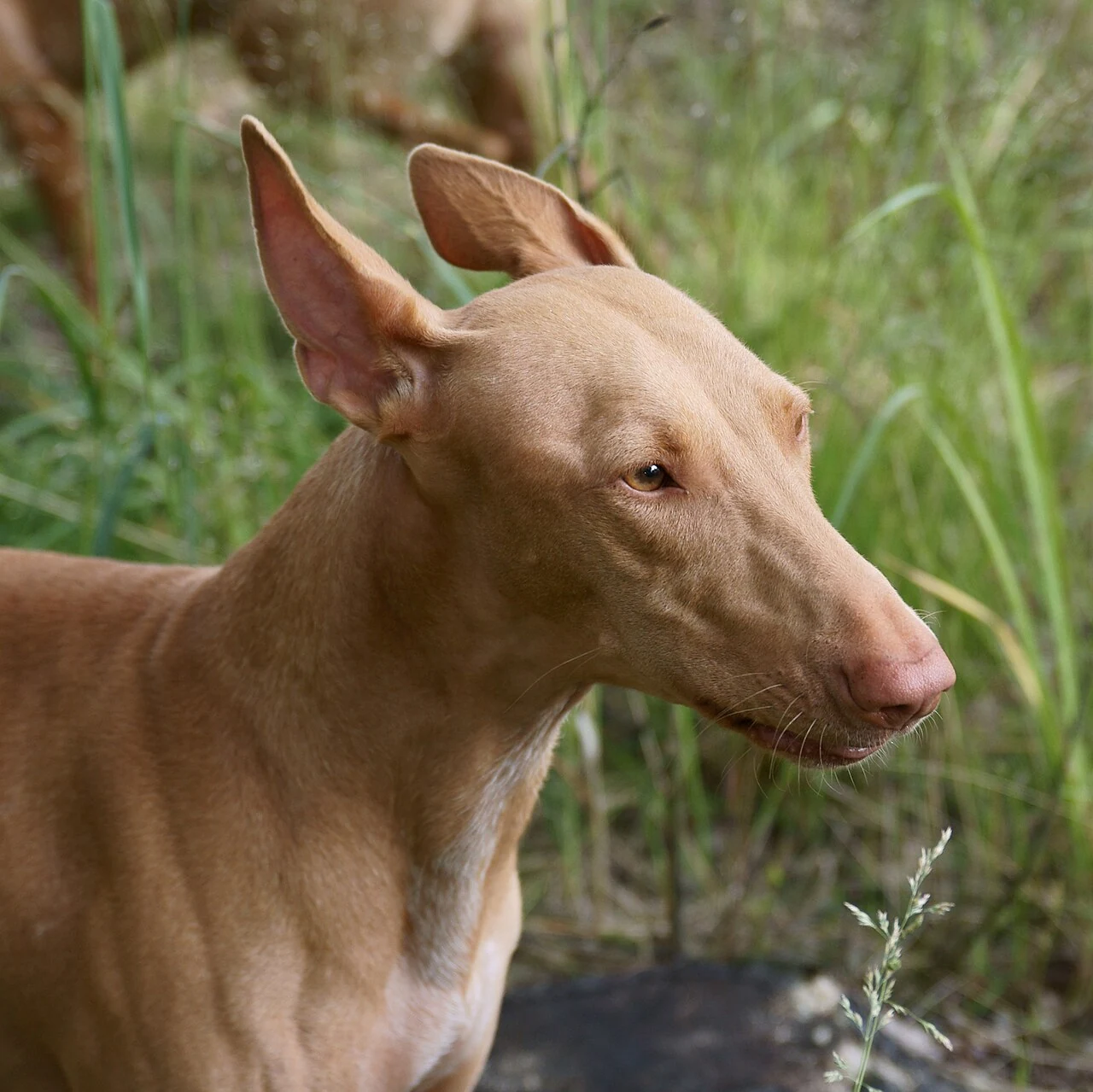
Despite its name, the international canine organisation FCI identifies Malta as the breed’s country of origin in its standard. It was used there for hunting. It works by scent and sight, with its large ears also assisting the search. Its elegant appearance should therefore be understood alongside its history as an active hunting dog.
The body is slightly longer than it is tall, combining strength with a slim outline. Characteristic features include a tan to rich tan coat, amber eyes and a nose that complements the coat colour. The ears stand upright. The short hair can be fine or somewhat firmer. The FCI gives shoulder height ranges of 56 to 63.5 cm for males and 53 to 61 cm for females. Its ideal heights are 56 cm for males and 53 cm for females.
From puppy to senior: caring for your dog through every life stage ↗
Health
Before choosing a puppy, discuss the parents’ actual health records and illness among their relatives. The Royal Kennel Club points to breed club health measures for the Pharaoh Hound. The breeder should clearly explain which examinations are used in the particular breeding programme and when they were performed.
A previously active dog that becomes reluctant to walk, develops a limp or shows pain when getting up should be examined by a vet. Changes in the skin or recurring digestive problems should also be discussed.
The Royal Kennel Club gives a lifespan of more than ten years. In later life, outings may need adjusting and more time may be needed for examinations.
Could this breed fit your life?
Could work well if …
- You want an elegant, active dog and enjoy spending time out together.
- You can arrange secure space to run and accommodate its hunting instincts in daily life.
- You prefer a short coat with straightforward grooming and can provide a warm home indoors.
What to consider
- Wildlife, cats and small pets can trigger hunting behaviour. A lead and secure separation should be planned accordingly.
- Free running needs a carefully checked, secure fence.
- Sensitivity to cold and potential noise should suit the home environment.
Similar needs, different dogs.
Selected by shared size, activity, grooming and training characteristics.
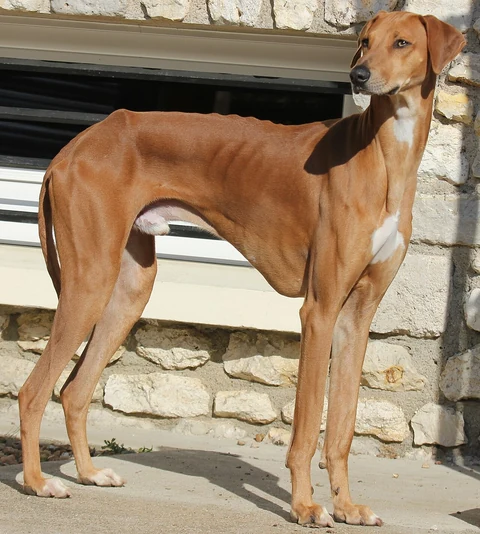
Lean sighthound from the Sahel with close bonds to familiar people
Azawakh
Long legs, a narrow body and a remarkably short coat give the Azawakh its distinctive appearance. This sighthound from the Sahel can be deeply attached to familiar people while keeping its distance from strangers at first. A suitable home offers shared exercise, secure space to run and people willing to let introductions develop gradually.
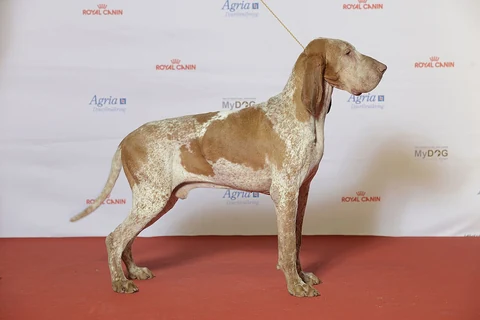
Italian pointing dog with a distinctive head and ground covering trot
Bracco Italiano
The Bracco Italiano is a large Italian hunting dog with long ears, a powerful body and an expressive head. It enjoys searching by scent and working with its handler. At home it can be a gentle companion when exercise, purposeful tasks and time together are dependable parts of daily life.
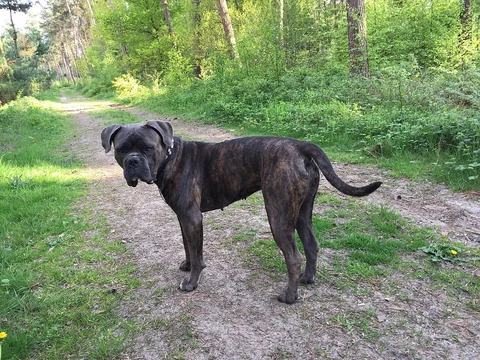
Athletic Italian guardian with considerable strength and a need for shared activities
Cane Corso
The Cane Corso combines a powerful body with considerable agility. Developed in Italy to guard homes, families and livestock, this breed suits people who enjoy shared exercise and training and can guide an alert guardian safely through everyday life.
Sources and photograph credit
- Teaching your dog to be left alone
Used in this profile for: Staying home alone
- Dental disease in dogs
Used in this profile for: Day-to-day care, Health
- Ear problems in pets
Used in this profile for: Day-to-day care, Health
- Grooming and bathing pets
Used in this profile for: Day-to-day care
- FAQ
Used in this profile for: Temperament, Day-to-day care
- Pharaoh Hound, FCI Standard No.248
Used in this profile for: Size / Weight, Temperament, Everyday life, Day-to-day care, Size and build, Could this breed fit your life?
- Living with Pharaohs
Used in this profile for: Temperament, Everyday life, Could this breed fit your life?
- Pharaoh Hound
Used in this profile for: Temperament, Everyday life, Day-to-day care, Health, Lifespan, Could this breed fit your life?
- Training your dog
Used in this profile for: Everyday life, Could this breed fit your life?


